2MW Solar System for Electroplating Factory in Malaysia

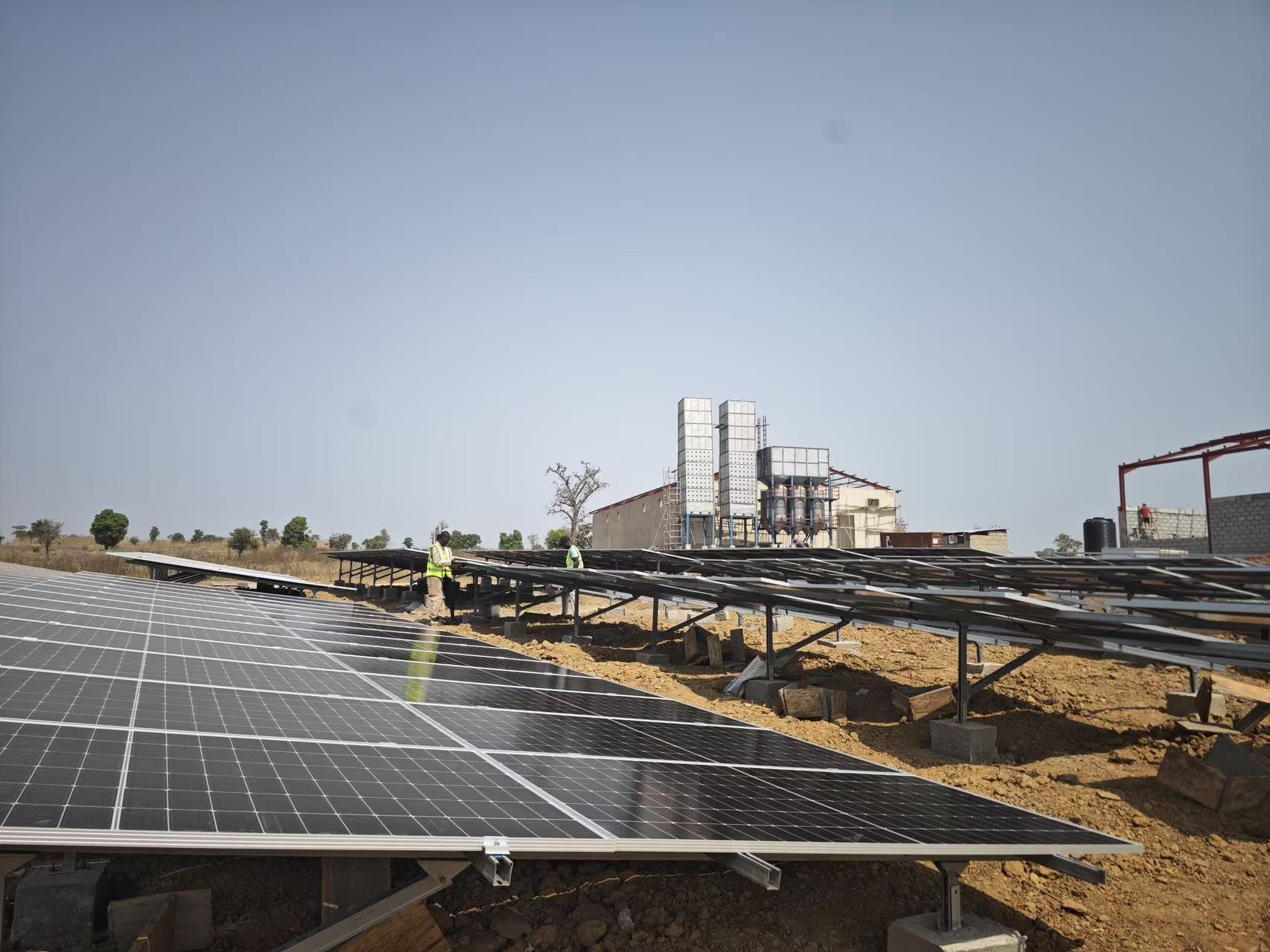
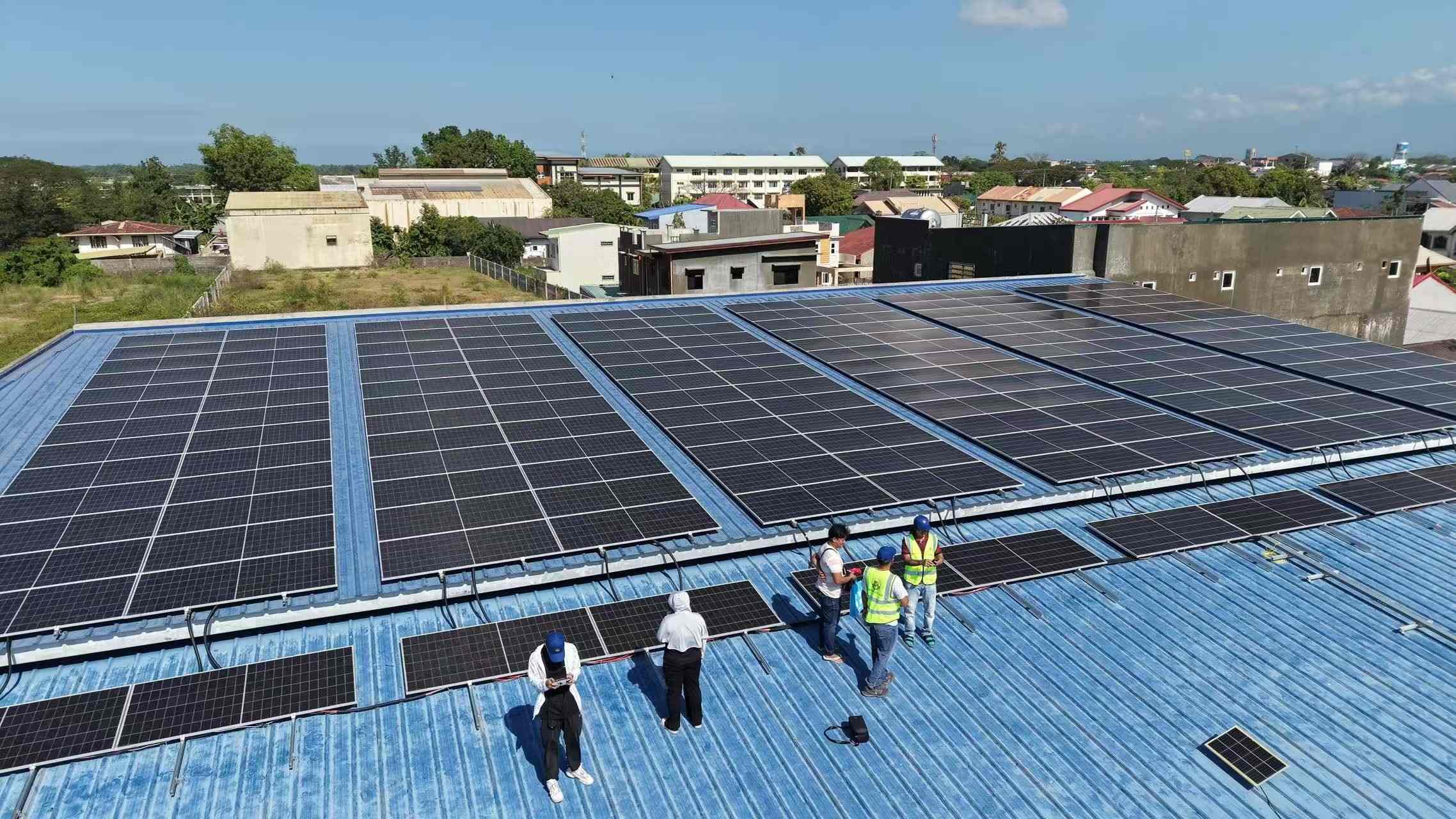
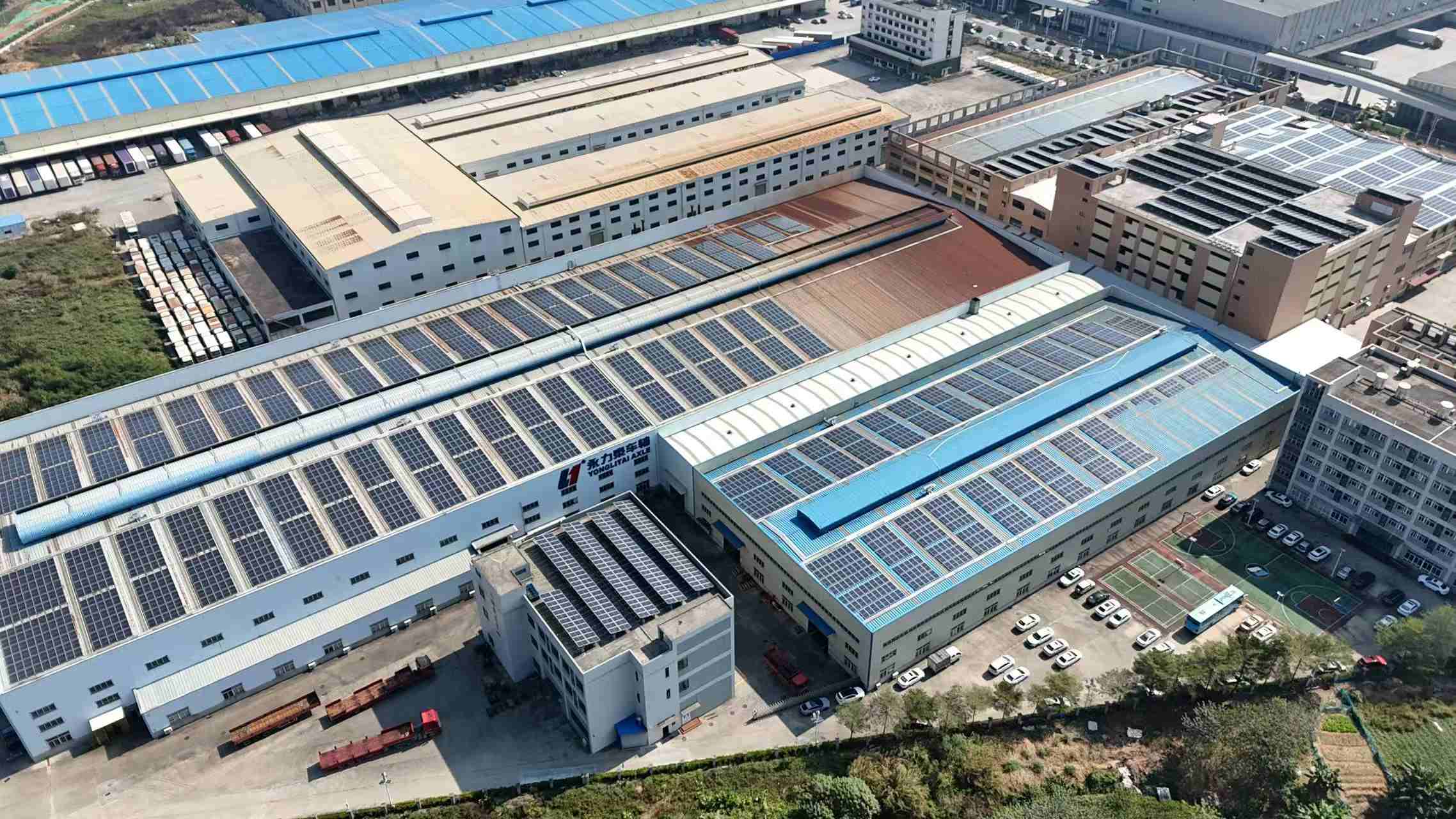
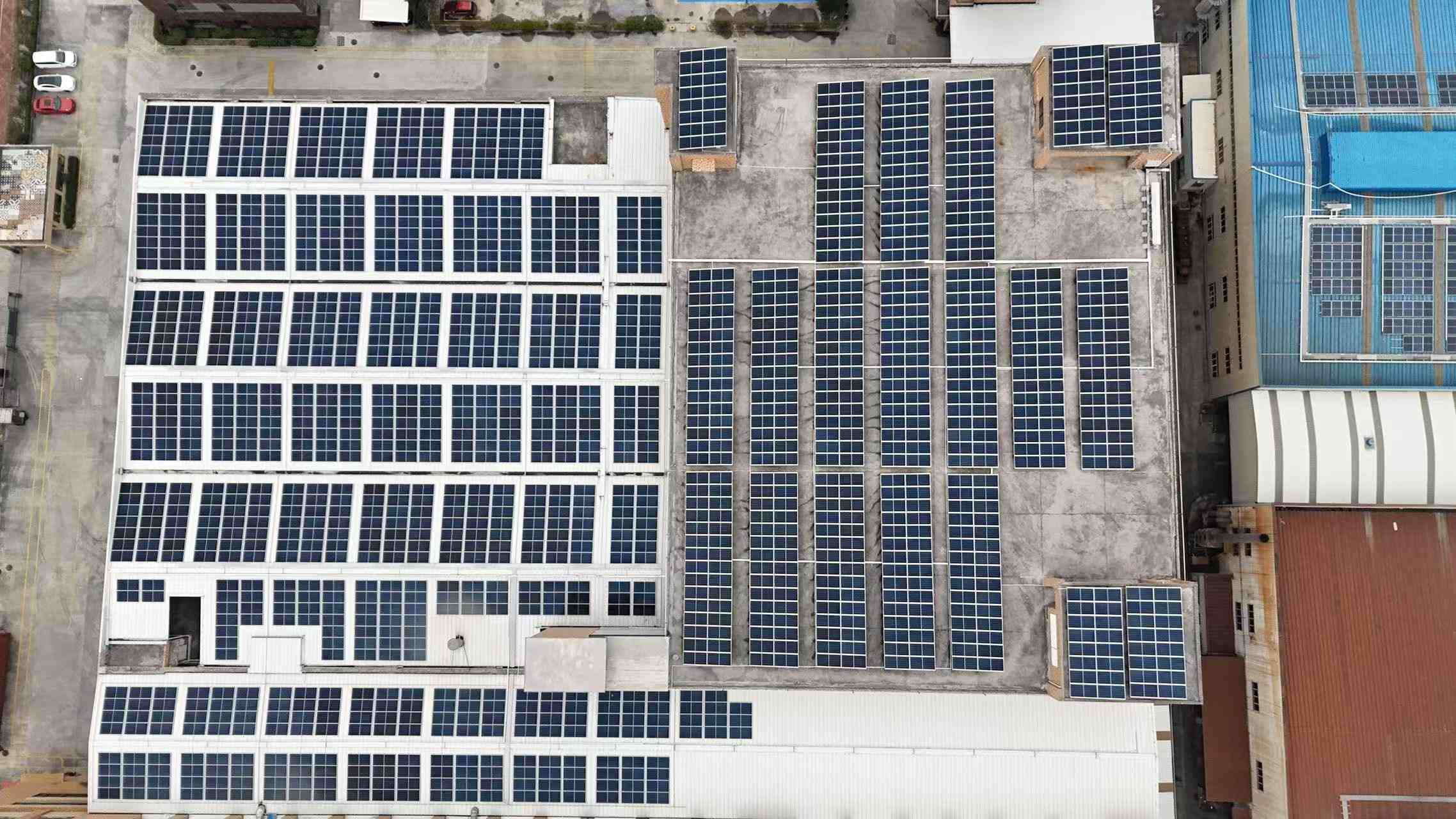
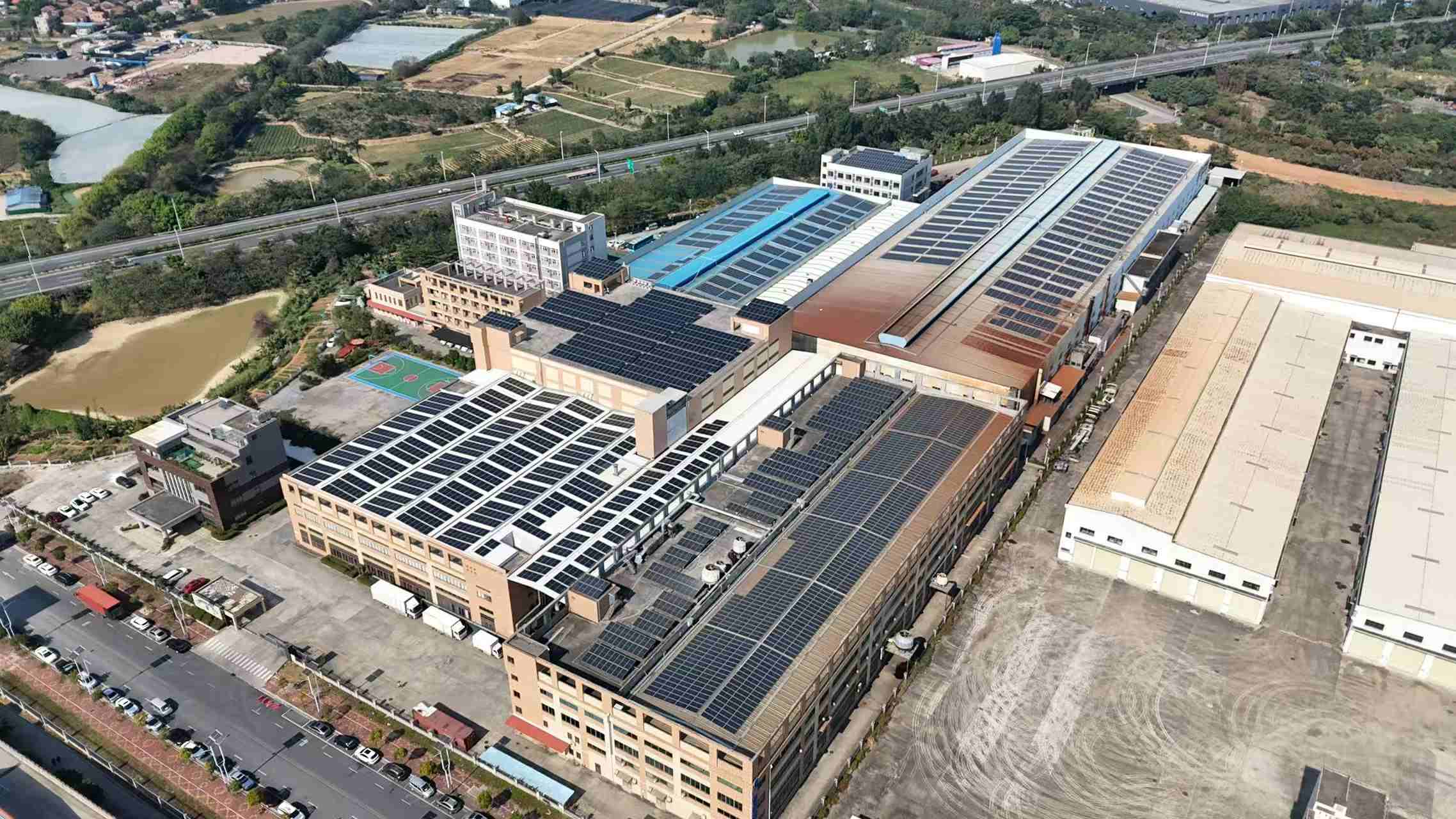
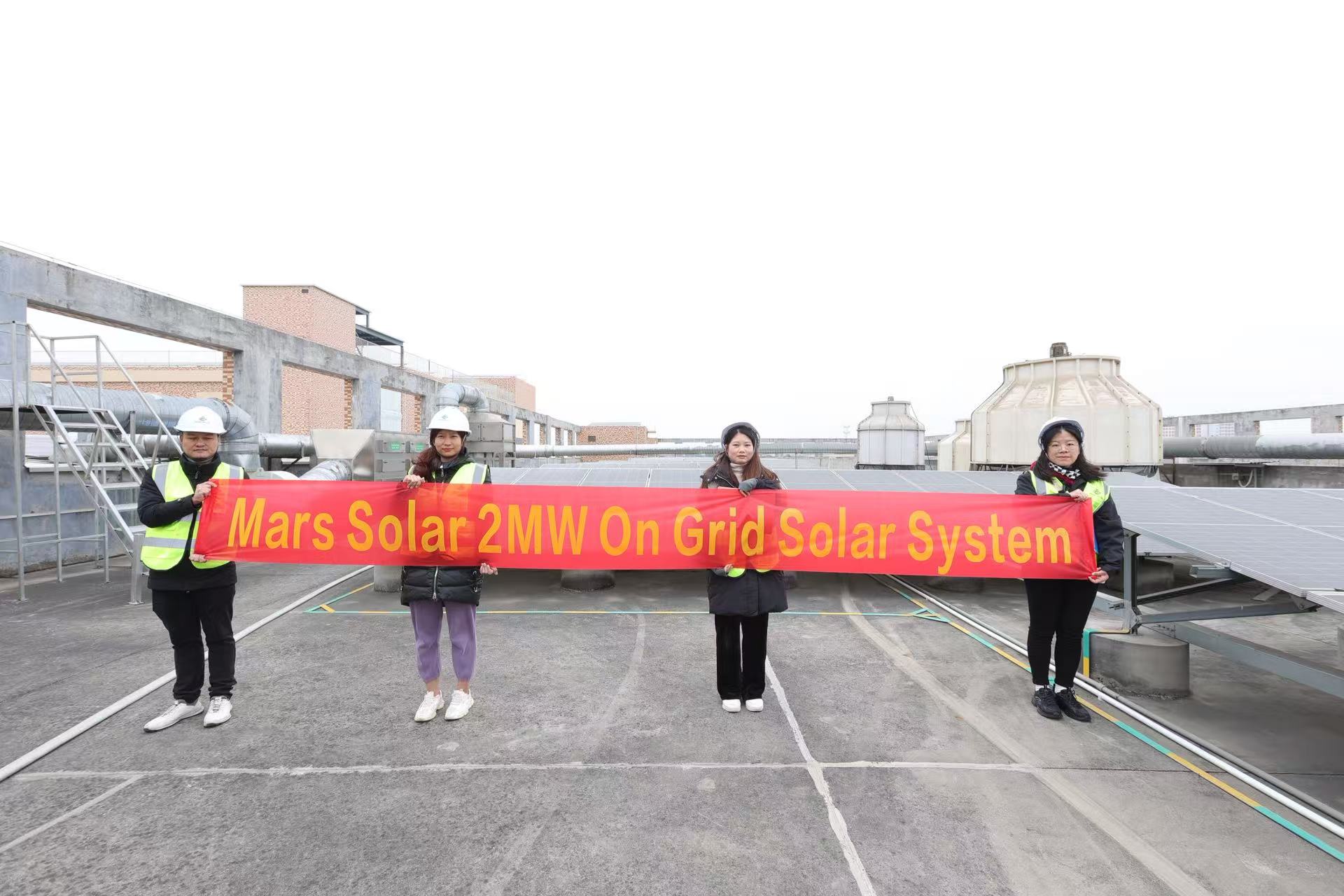
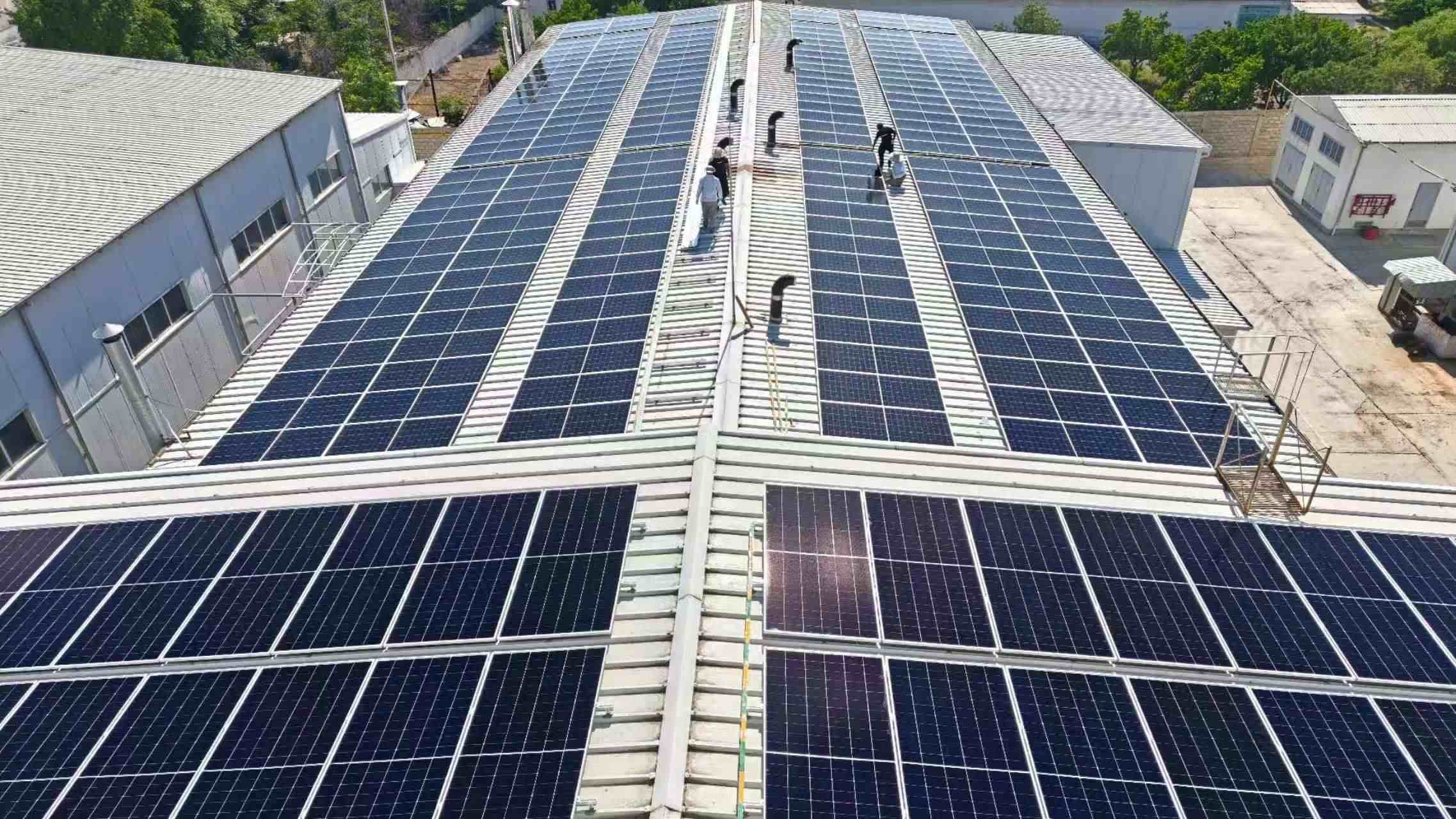
1. 2.2MW rooftop solar system installed on electroplating factory in Malaysia1. Aerial view of 2.2MW solar panels on Malaysian electroplating plant rooftop1. Mars Solar engineers commissioning 110kW string inverters at electroplating factory in Malaysia1. Corrosion-resistant mounting structure of 2.2MW solar array on electroplating factory roof

معلومات المشروع

توفير شهري في فواتير الكهرباء
$29,000 / Month
Grid Electricity Rate
$0.12 / kWh
فترة الاسترداد
10 Months
الاستثمار الكلي للنظام
$270,000~$310,000
ابدأ مشروعك

نظرة عامة على المشروع

This 2MW solar system Malaysia project powers a leading electroplating factory running three production shifts around the clock. The rooftop array supports the plant’s most energy-intensive processes — DC plating rectifiers, anodizing and electroplating lines, air agitation blowers, exhaust and ventilation fans, chillers, and on-site wastewater treatment. The facility consumes more than 1.2 million kWh of electricity every month, and its heavy, stable daytime load makes it an ideal candidate for grid-tied solar self-consumption.

Electroplating ranks among the most power-hungry manufacturing sectors — plating rectifiers alone can account for more than half of a plant’s electricity bill. Facing steadily rising industrial tariffs, the factory partnered with مارس سولار for a purpose-engineered solar system for electroplating factory conditions: corrosive rooftop air, continuous three-shift loads, and a demand profile that rewards self-consumption. Around 95% of the system’s 3.1 GWh annual generation is consumed directly on-site — critical under Malaysia’s post-2026 rooftop solar framework, where exported energy earns far less than the retail electricity it displaces.

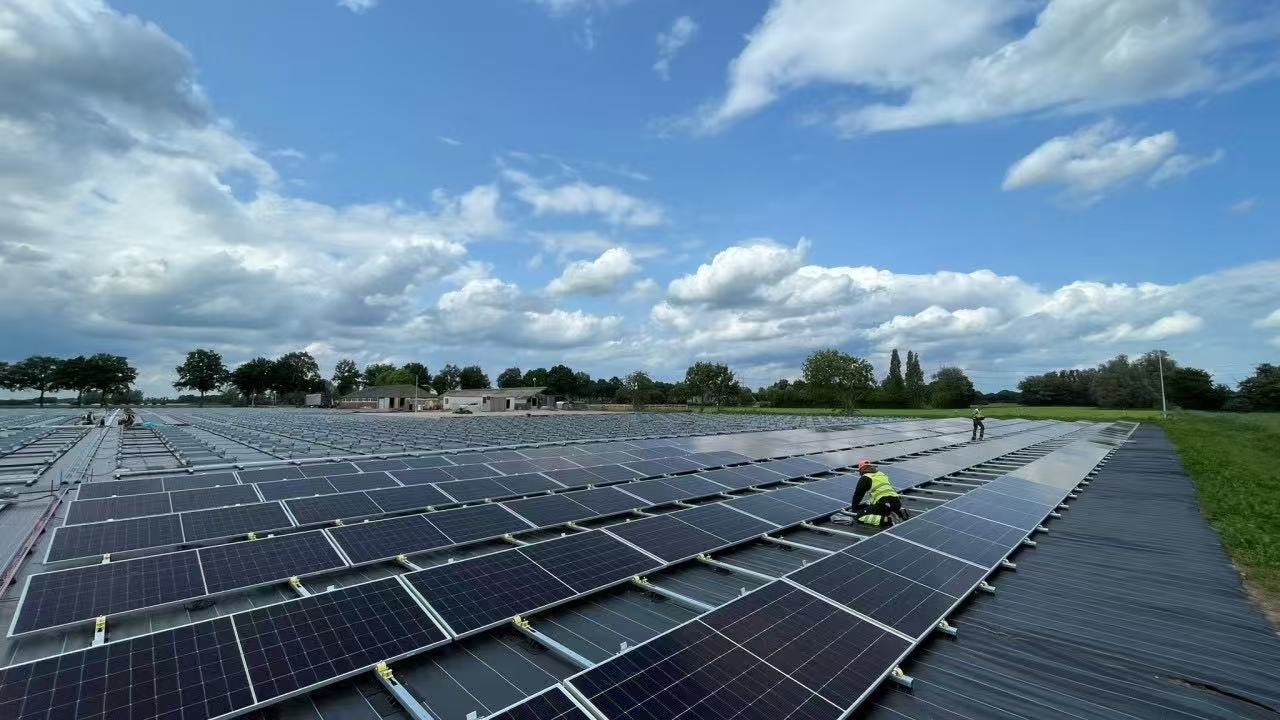
The array was engineered for a corrosive plating environment:3,150 high-output 650Wp glass-glass bifacial modules, 20 x 100kW on-grid string inverters, and hot-dip galvanized mounting structures with epoxy anti-corrosion coating, positioned away from acid-mist exhaust stacks. Mars Solar dispatched 2 senior engineers for the structural survey, grid documentation, installation supervision, and commissioning — the full 2MW system was completed in 40 days with zero interruption to the production lines.

The project delivers about $29,000 (RM 118,000) in monthly electricity savings at the factory’s $0.12/kWh effective rate — roughly a fifth of the plant’s monthly power bill — while cutting close to 1,850 tons of CO2 emissions every year. With a total system investment of $295,000, the 2MW solar system for electroplating factory operations pays for itself in approximately 10 months and keeps generating for 25+ years, monitored 24/7 via iOS/Android apps with automatic monthly reports delivered by WhatsApp and email.
المزايا

Factory-direct system pricing — as the OEM/ODM manufacturer, Mars Solar supplies modules, inverters, and racking direct from its own production lines, delivering the complete 2MW system for $295,000 with no EPC middleman markup
Corrosion-engineered for electroplating plants — hot-dip galvanized racking with epoxy anti-corrosion coating and stainless fasteners, with the array positioned away from acid-mist exhaust stacks for long service life in plating environments
Matched to 3-shift plating loads — the system is sized so daytime generation is absorbed on-site by rectifiers, blowers, and plating lines (about 95% self-consumption), maximizing the value of every solar kWh under Malaysia’s self-consumption framework
Mobile APP real-time monitoring (iOS & Android) — the factory owner tracks generation, self-consumption, and savings in real time, with automatic monthly reports via WhatsApp and email
Grid application fully handled — Mars Solar prepares the single-line diagrams, protection settings, and utility documentation, and manages the grid-connection application process through to approval
Zero-downtime on-site installation — 2 senior engineers dispatched for structural survey, installation supervision, testing, and commissioning; the 2MW system was completed in 40 days without stopping the production lines

الأسئلة الشائعة

How much electricity does a 2MW solar system generate per year in Malaysia?

Malaysia’s equatorial location delivers a specific yield of roughly 1,400 kWh per kWp each year, so a 2MW rooftop solar system generates about 3.1 GWh (3,100,000 kWh) of electricity annually — approximately 257,000 kWh per month. For this electroplating factory, that translates into about $29,000 in monthly electricity savings at the facility’s $0.12/kWh effective rate (RM 0.49/kWh). Because the plant runs three shifts with heavy daytime loads from plating rectifiers and process equipment, around 95% of the solar generation is consumed directly on-site rather than exported.

Why is an electroplating factory ideal for rooftop solar in Malaysia?

Electroplating is one of the most electricity-intensive manufacturing processes — DC plating rectifiers, anodizing lines, air agitation blowers, and exhaust systems draw power almost continuously through the day. This load profile aligns almost perfectly with solar output, allowing the 2MW system to self-consume about 95% of its generation instead of exporting it. That matters under Malaysia’s current rooftop solar framework: since NEM 3.0 closed to new applications in mid-2025, exported energy under the Solar ATAP scheme is credited at roughly RM0.19/kWh — far below the RM0.27–0.52/kWh retail energy charges that self-consumed solar avoids. For 24/7 industrial loads, every self-consumed kWh is worth two to three times an exported kWh.

How did Mars Solar protect the solar system from electroplating corrosion and acid fumes?

Corrosive process exhaust is the single biggest engineering concern for rooftop solar on plating plants. Mars Solar applied three countermeasures: first, the array layout was positioned away from acid-mist exhaust stacks and the prevailing downwind path; second, mounting structures use hot-dip galvanized steel with an additional epoxy anti-corrosion coating and stainless fasteners at critical joints; third, glass-glass bifacial modules with hermetic sealing were specified for the humid, chemical-laden rooftop environment. The monitoring platform logs string-level performance, so any soiling or degradation caused by the plating environment is flagged early through remote diagnostics.

What is the payback period and ROI for this 2MW solar project in Malaysia?

The total system investment was $295,000 — supplied factory-direct by Mars Solar with no EPC middleman markup. At approximately $29,000 per month in electricity savings, the 2MW electroplating factory solar system achieves payback in roughly 10 months. Over its 25+ year service life the system is expected to generate more than 75 GWh of electricity — over $9 million in avoided energy costs at today’s rates. Few industrial investments deliver a first-year return above 100%, which is why solar self-consumption has become standard practice for Malaysian manufacturers with large rooftops and continuous loads.

Does the factory still need grid power? What happens at night or on rainy days?

Yes — this is a grid-tied, self-consumption solar system, not an off-grid installation. Solar covers up to 80% of the plant’s daytime power demand at midday, the utility grid seamlessly supplies the balance, and at night the factory runs on grid power as usual. Because the electroplating lines run continuously, the system was deliberately sized below the plant’s baseline load so that virtually every solar kWh is consumed on-site; no critical process depends on solar alone, and production is never interrupted by weather. Optional battery storage can be added later for peak shaving and time-of-use arbitrage.

Can this 2.2MW solar system be expanded or upgraded with battery storage later?

Yes. The system was designed hybrid-ready. The 110kW string inverters support parallel expansion — additional roof sections can take capacity beyond 2MW as the factory grows — and a Mars Solar commercial battery energy storage system (BESS) can be integrated later for peak shaving, time-of-use arbitrage, or backup power for critical plating lines. The future BESS would share the same EMS platform and mobile APP already commissioned in this project, and Mars Solar’s engineering team provides a full expansion feasibility study on request.

شارك كـ:

مشاريع مماثلة مكتملة

اشترك في نشرتنا الإخبارية

    تصميم وتصنيع أنظمة الطاقة الشمسية المنزلية والتجارية

    تابعنا

    هل ترغب في الحصول على تصميم مجاني لنظام الطاقة الشمسية لمبناك؟

    اترك رقم هاتفك المحمول/واتساب/بريدك الإلكتروني وسنرد عليك في غضون ساعة!

      احصل على استشارات مجانية، وكتالوجات، ومواصفات المنتجات، وعروض أسعار، والمزيد الآن.

      لغة

      en_uszh_cnarديesفرنسيهو - هيjaكوهولندانقطة

      لغة