
Language
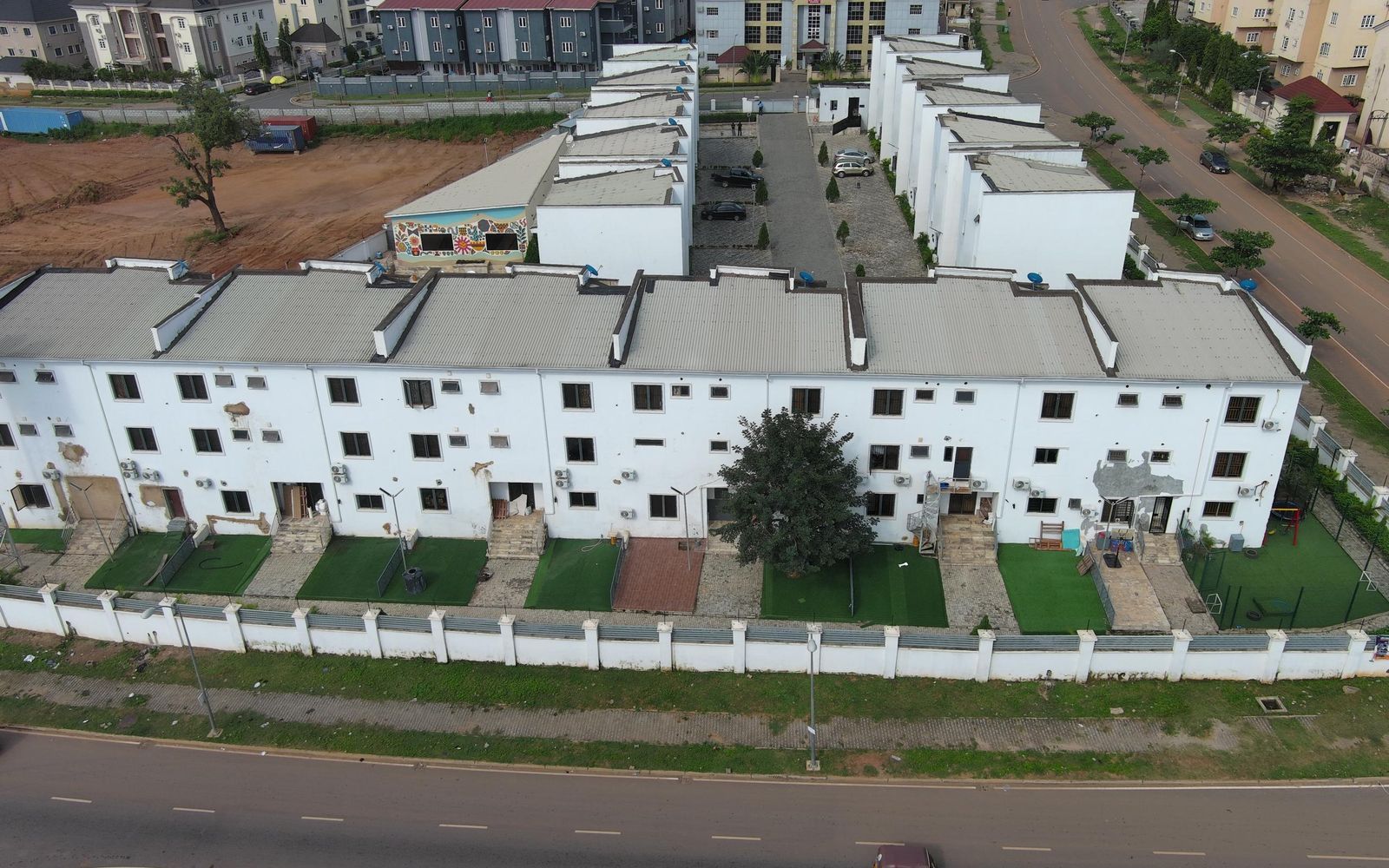

This 250kW solar storage system was engineered for a hotel in Abuja, Nigeria that was running two diesel generators — a 400kVA and a 250kVA unit — alongside a 500kVA grid supply that cannot be relied on through the evening peak. The hotel's monthly energy spend was dominated by diesel: at roughly ₦650 per kWh once fuel, maintenance and depreciation are counted, every generator hour was eroding the room margin.
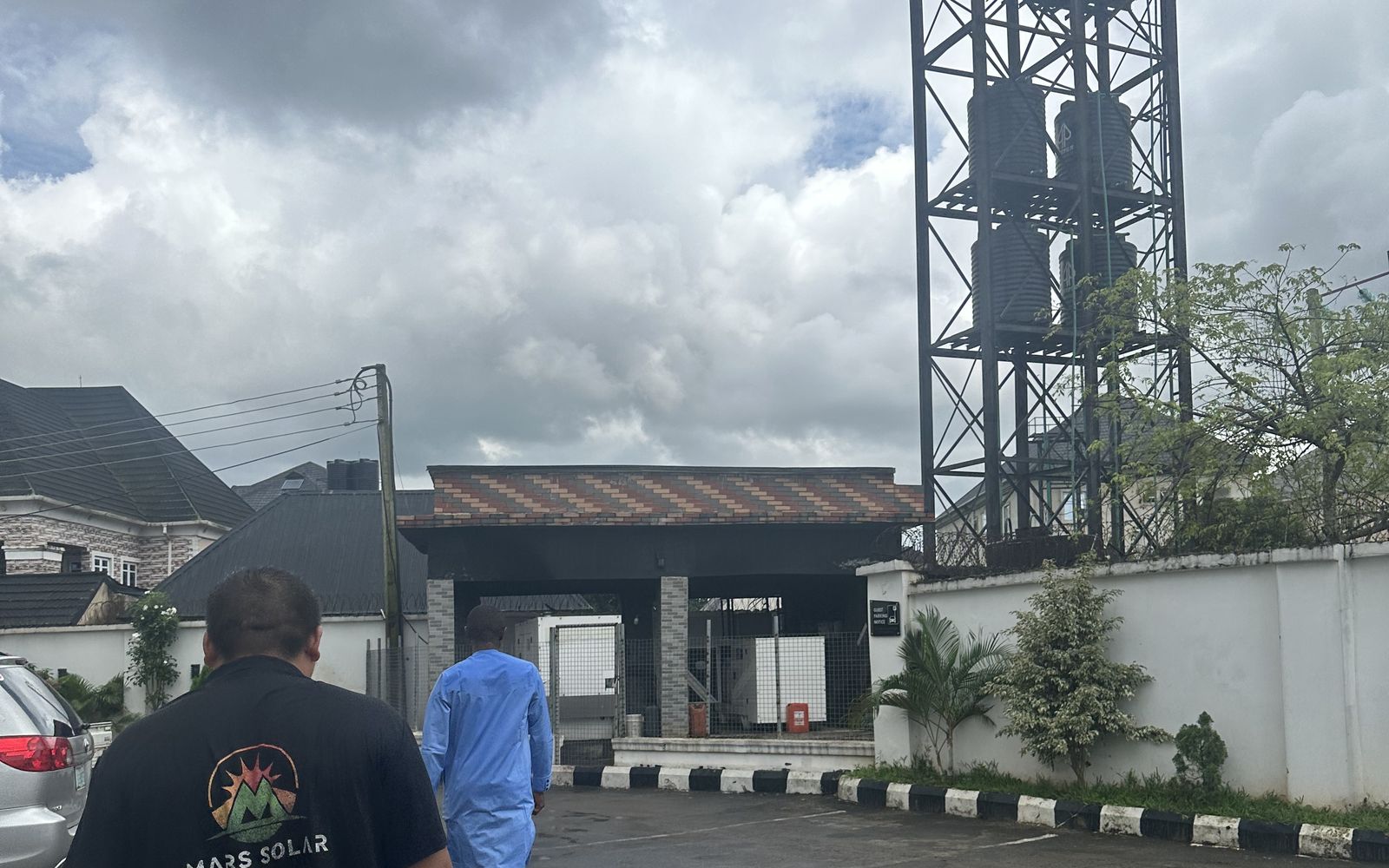
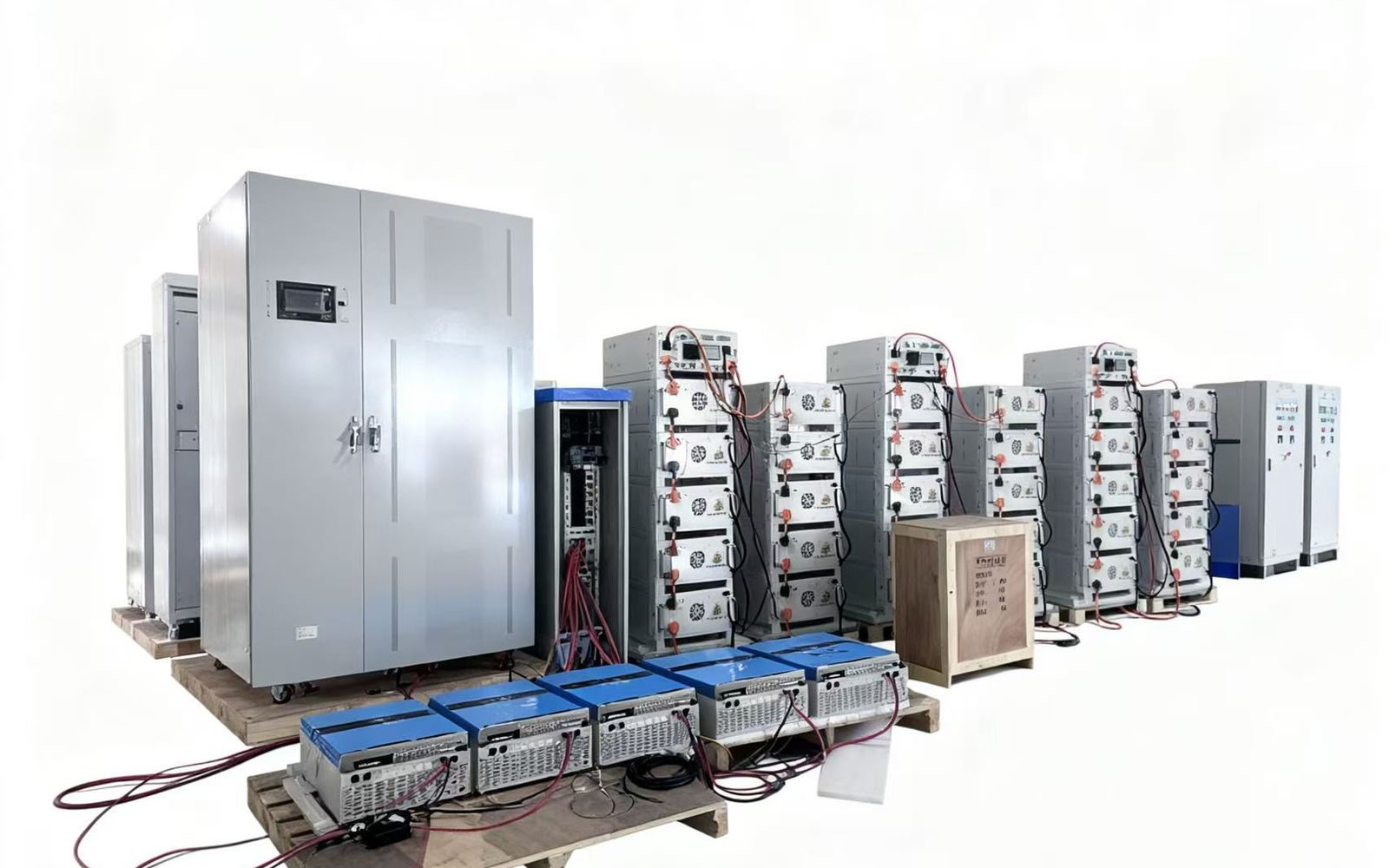
Mars Solar engineers surveyed the property in August 2026 as part of a five-hotel programme across Enugu, Owerri, Lagos and Abuja: roof structure and orientation, the electrical room, generator logs and the changeover panel were all documented on site. The design that came out of the survey pairs 250kW of PV with a 500kWh LFP battery bank — sized to carry the evening load from air conditioning, kitchens and the banquet hall without a generator start.
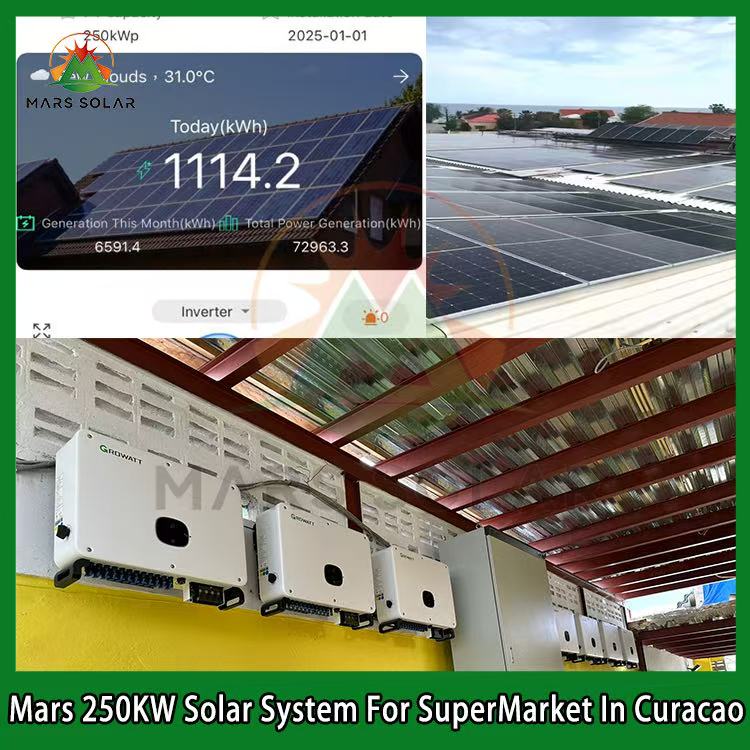
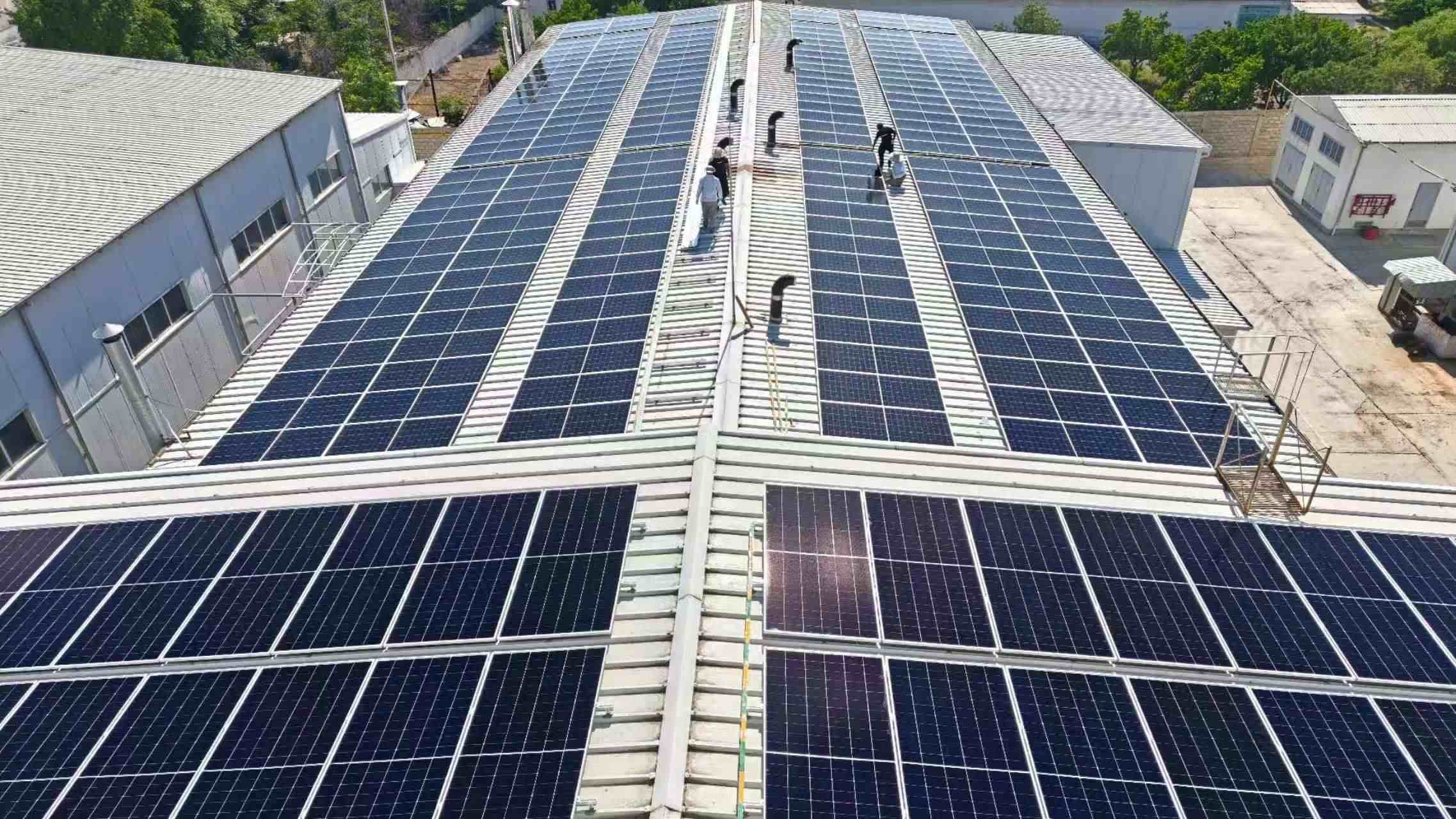
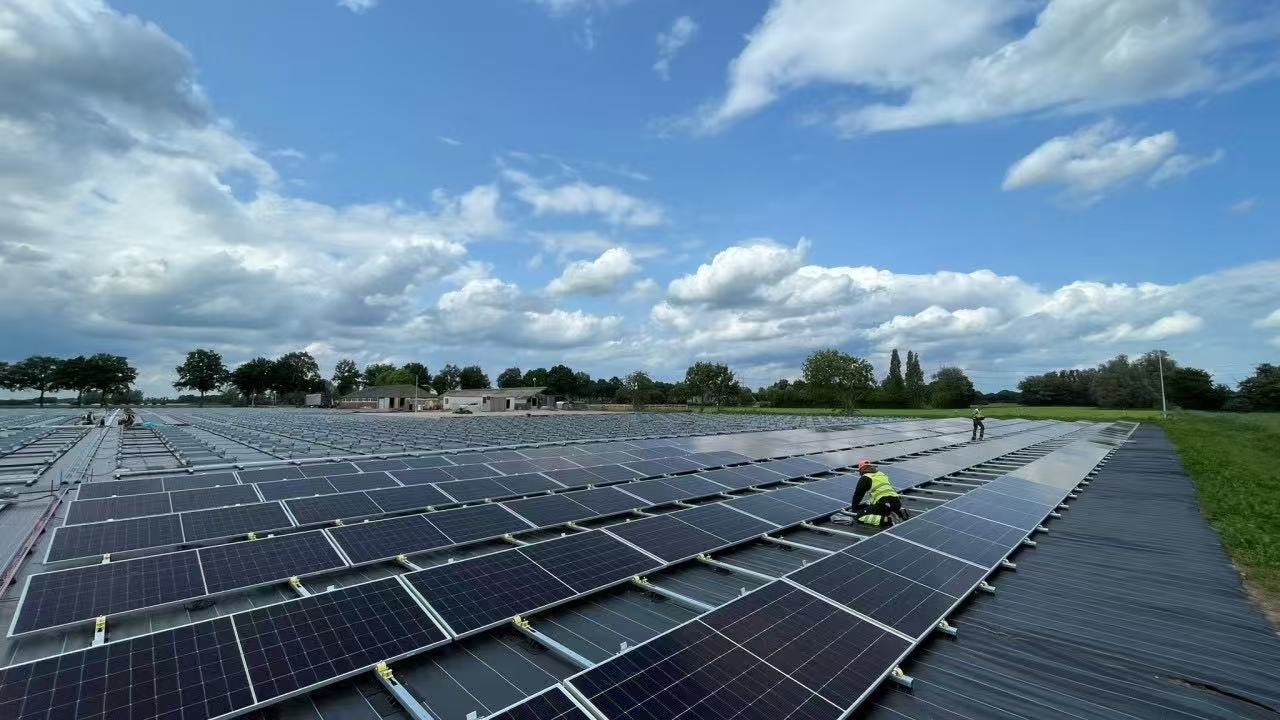
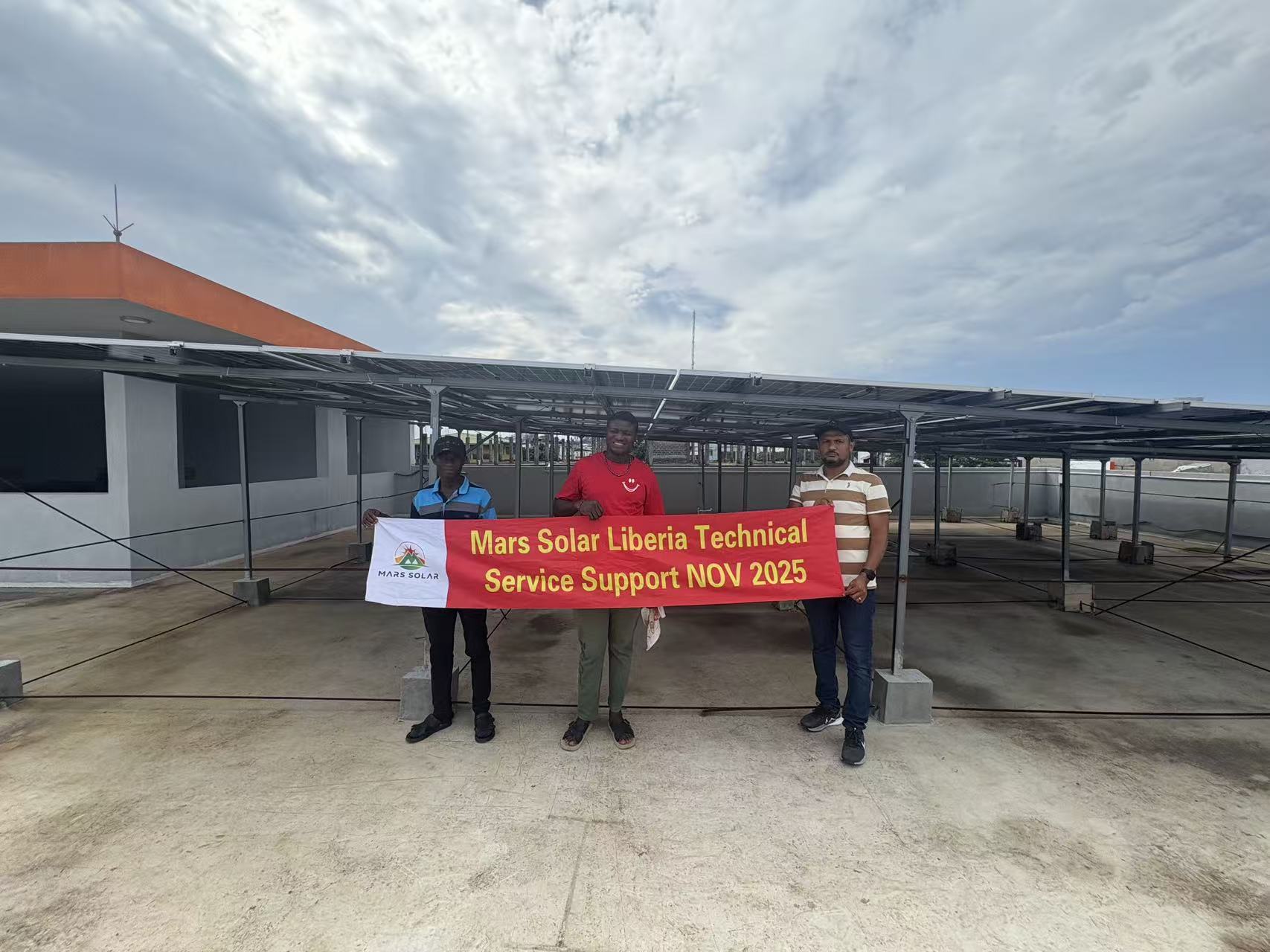
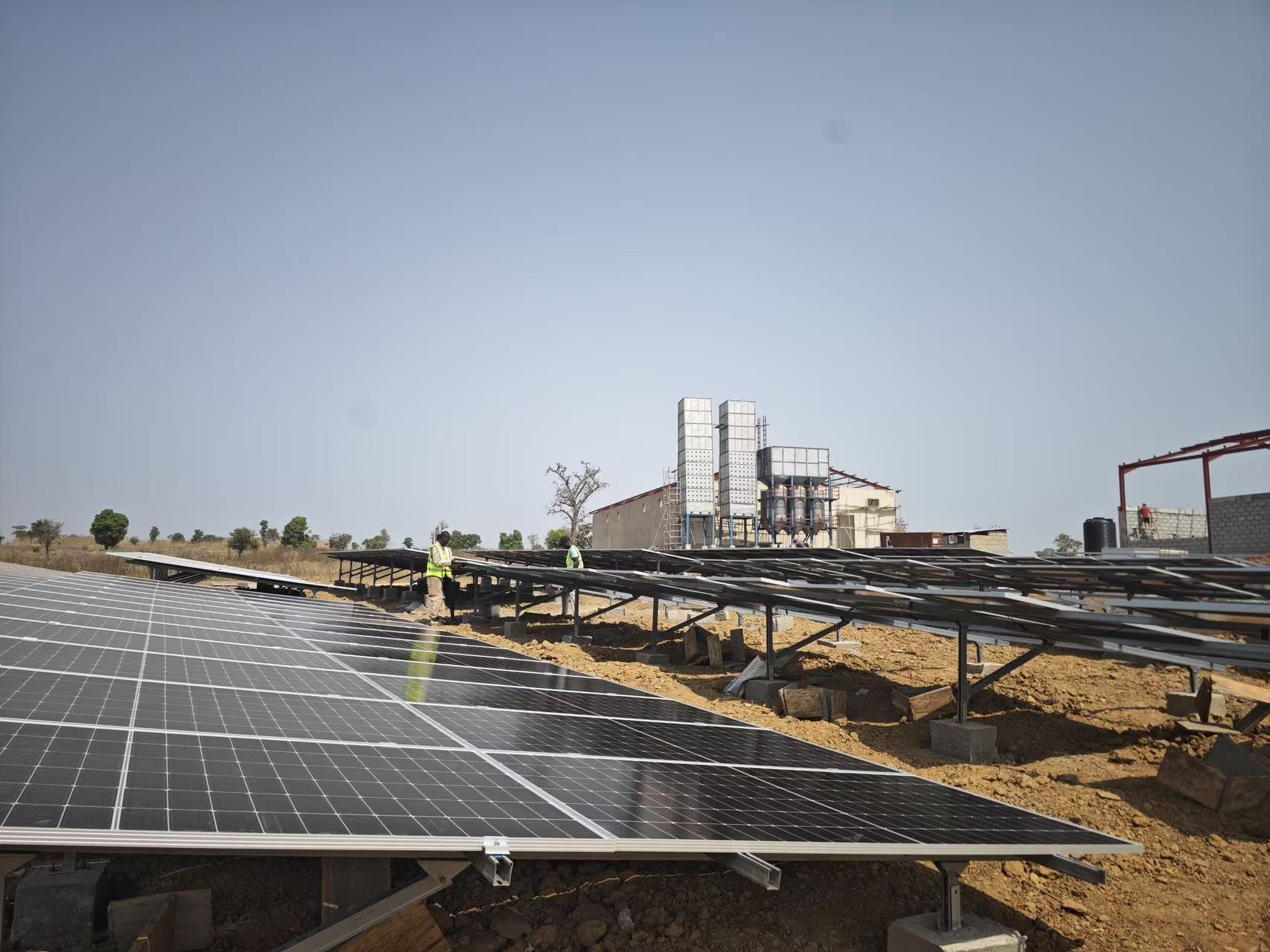
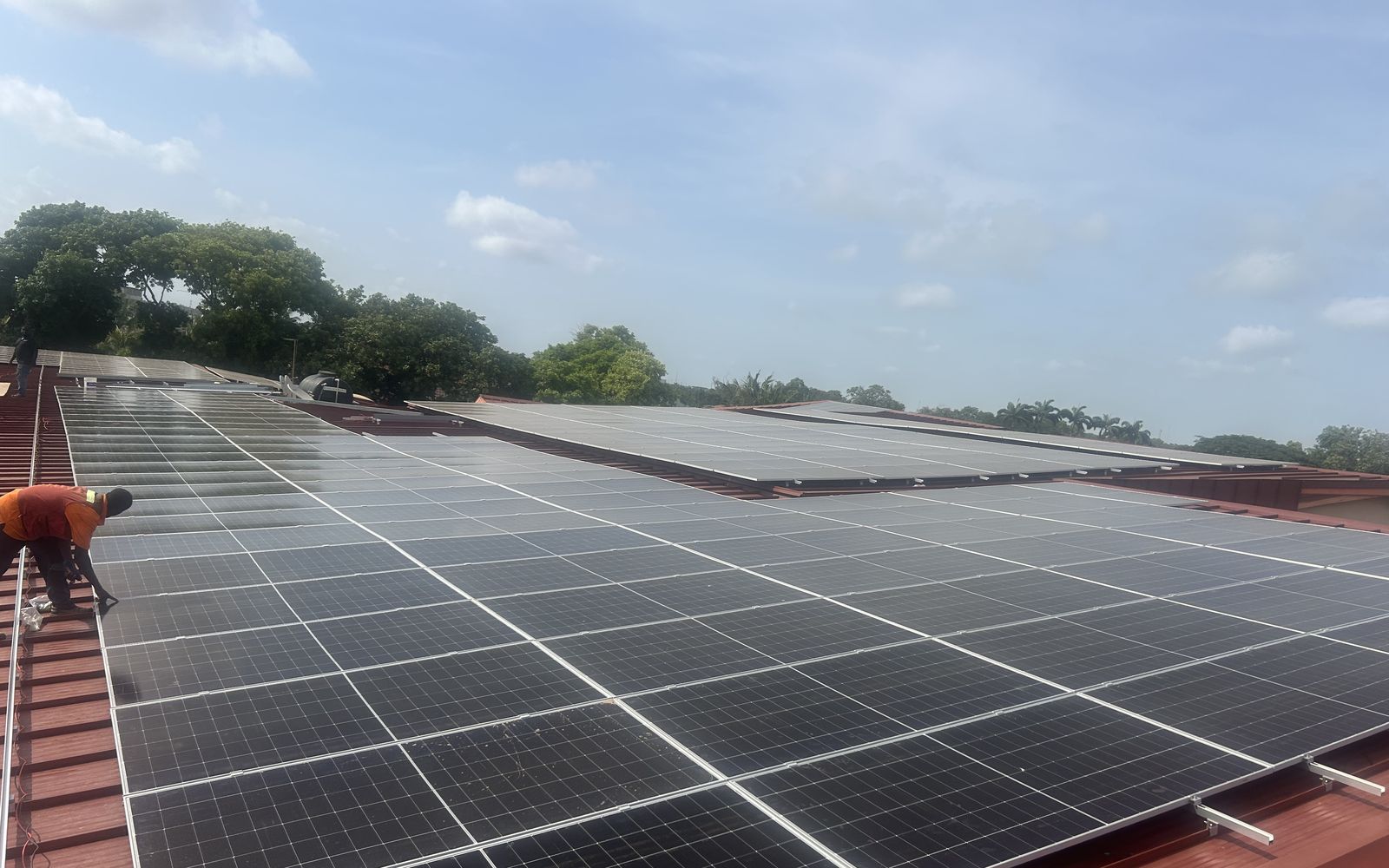
The photos on this page show the survey stage and the finished production: the aerial site documentation, the generator and transformer the system displaces, the agreement signing with the hotel owner, and the completed 250kW solar storage system with its 500kWh battery built at our factory. Production was completed on schedule and the system shipped with the full documentation pack for Lagos clearance — SONCAP, Form M and the certificates Nigerian customs requires.
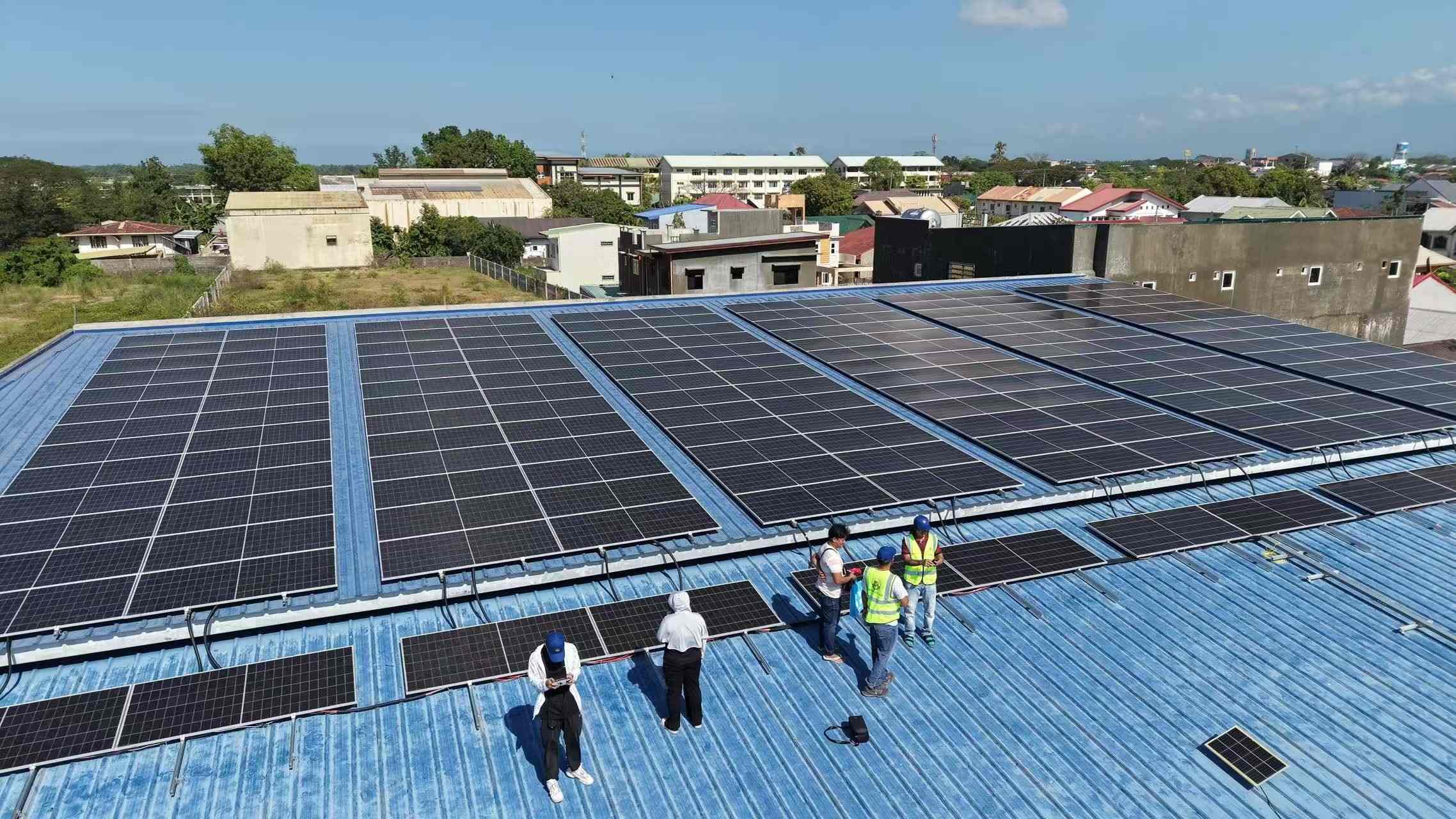
On the numbers: the 250kW solar storage system produces about 29,000 kWh per month at Abuja's irradiance. Displacing roughly 70 percent diesel energy at ₦650 per kWh and the rest grid energy at the Band A tariff saves ₦13.7 million (about $9,100) per month. Against a factory-direct investment of $198,000 to $228,000, payback works out to 23 months — consistent with what we see across Nigerian hospitality, where diesel is the real competitor, not the grid. A comparable completed project is the 200kW rice mill solar installation documented on our partner site.


 English English
  Arabic
 Spanish
 French
 Dutch
Dutch
 Portuguese