250kW Solar Storage System for Abuja Hotel in Nigeria

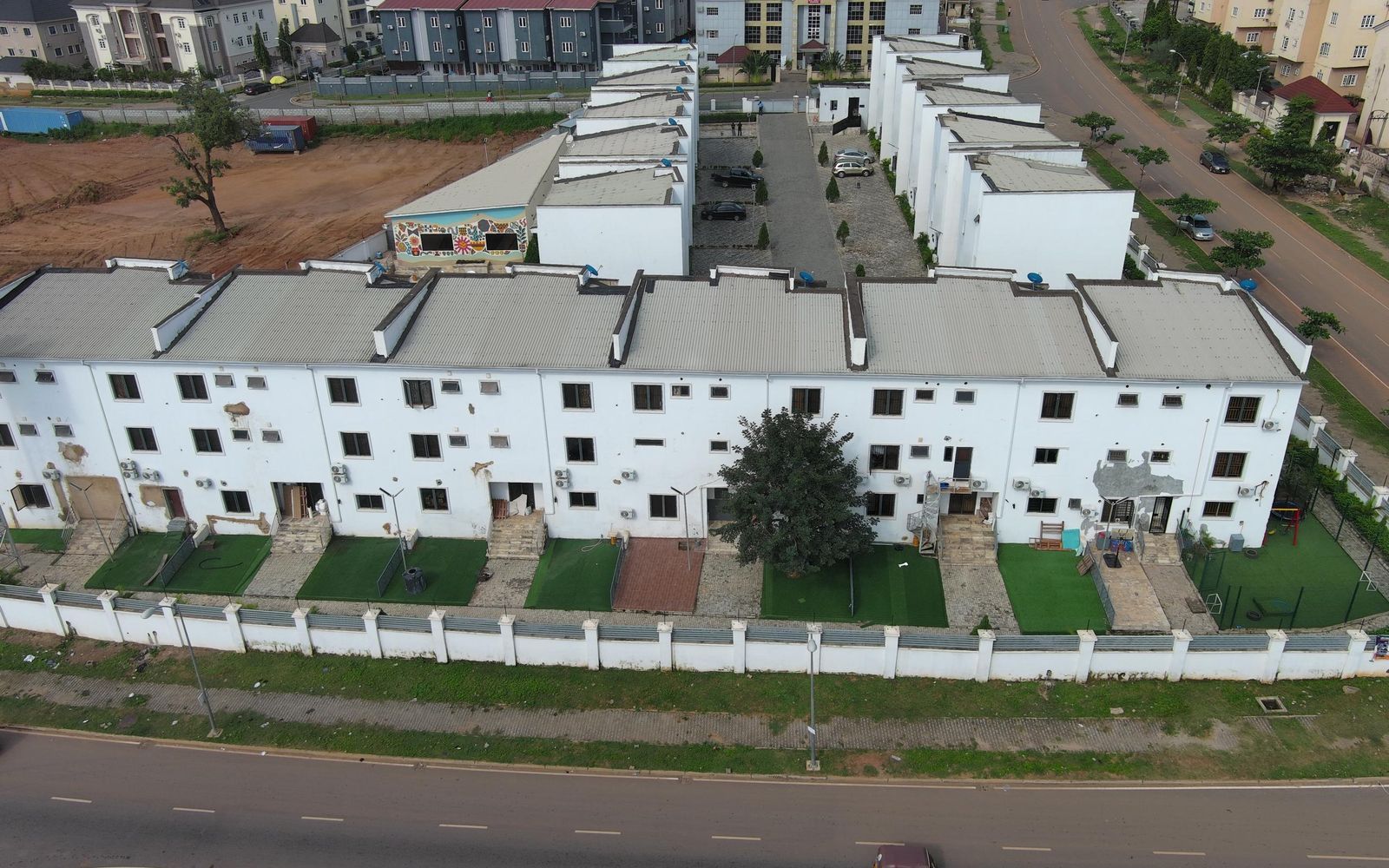
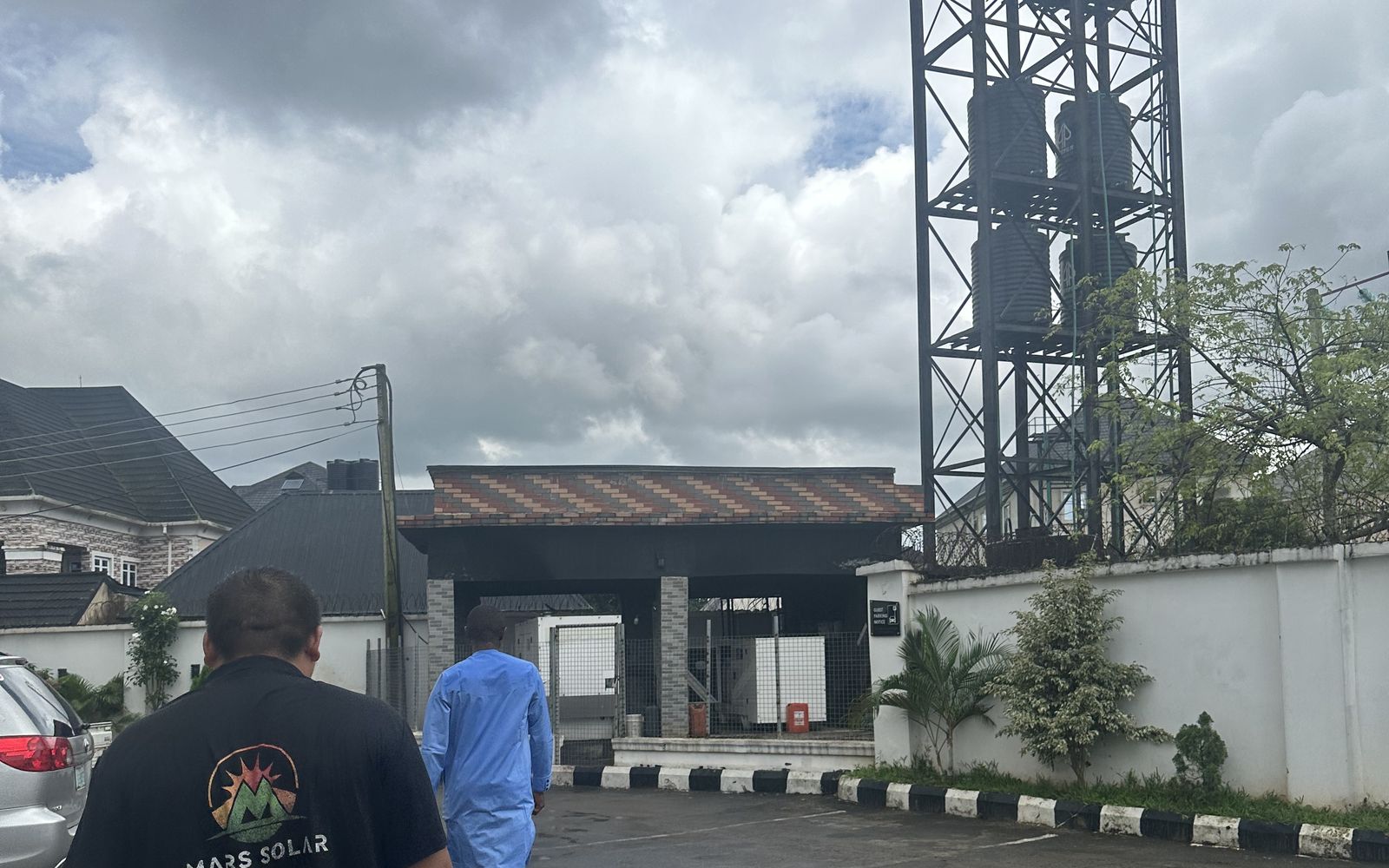
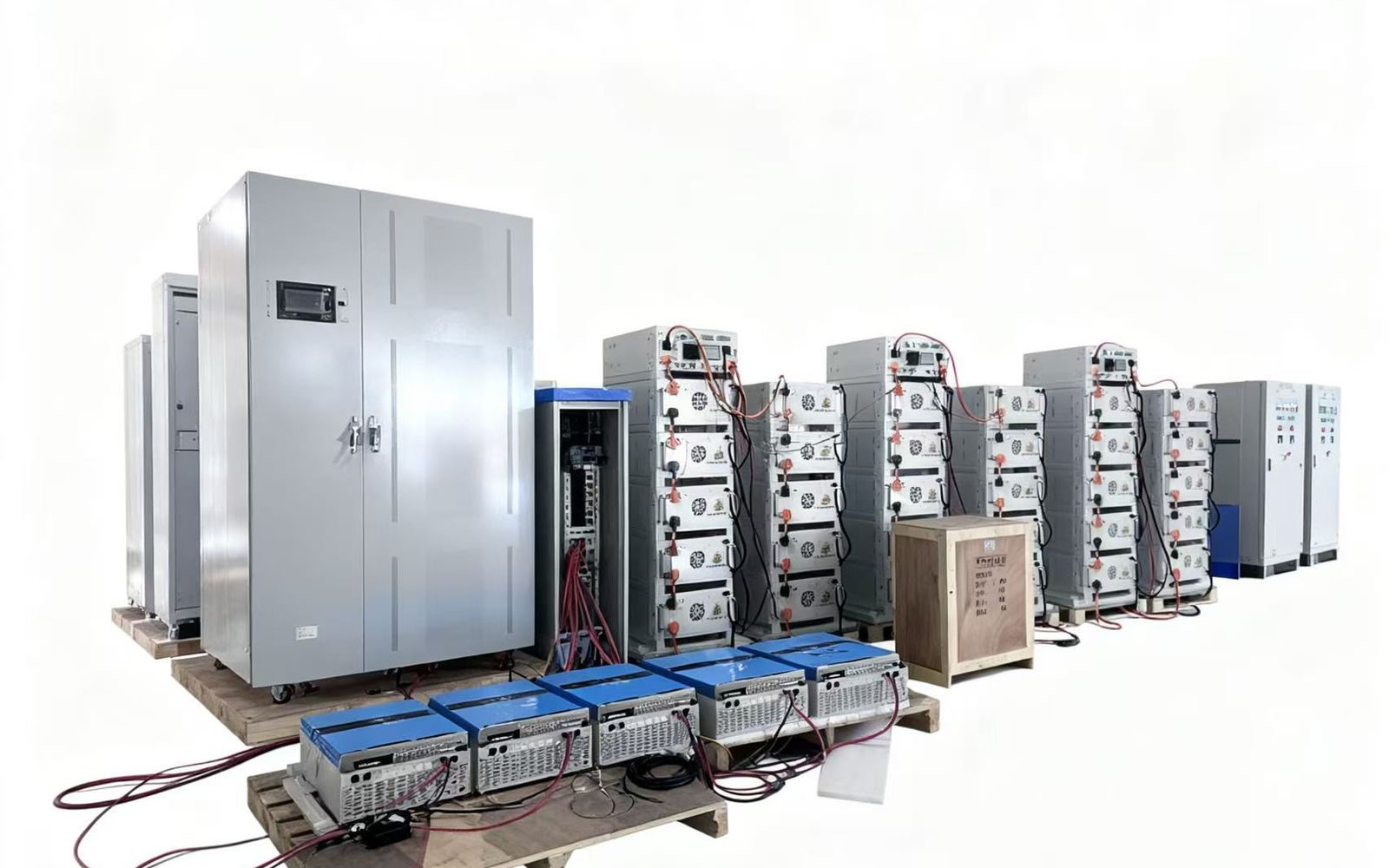
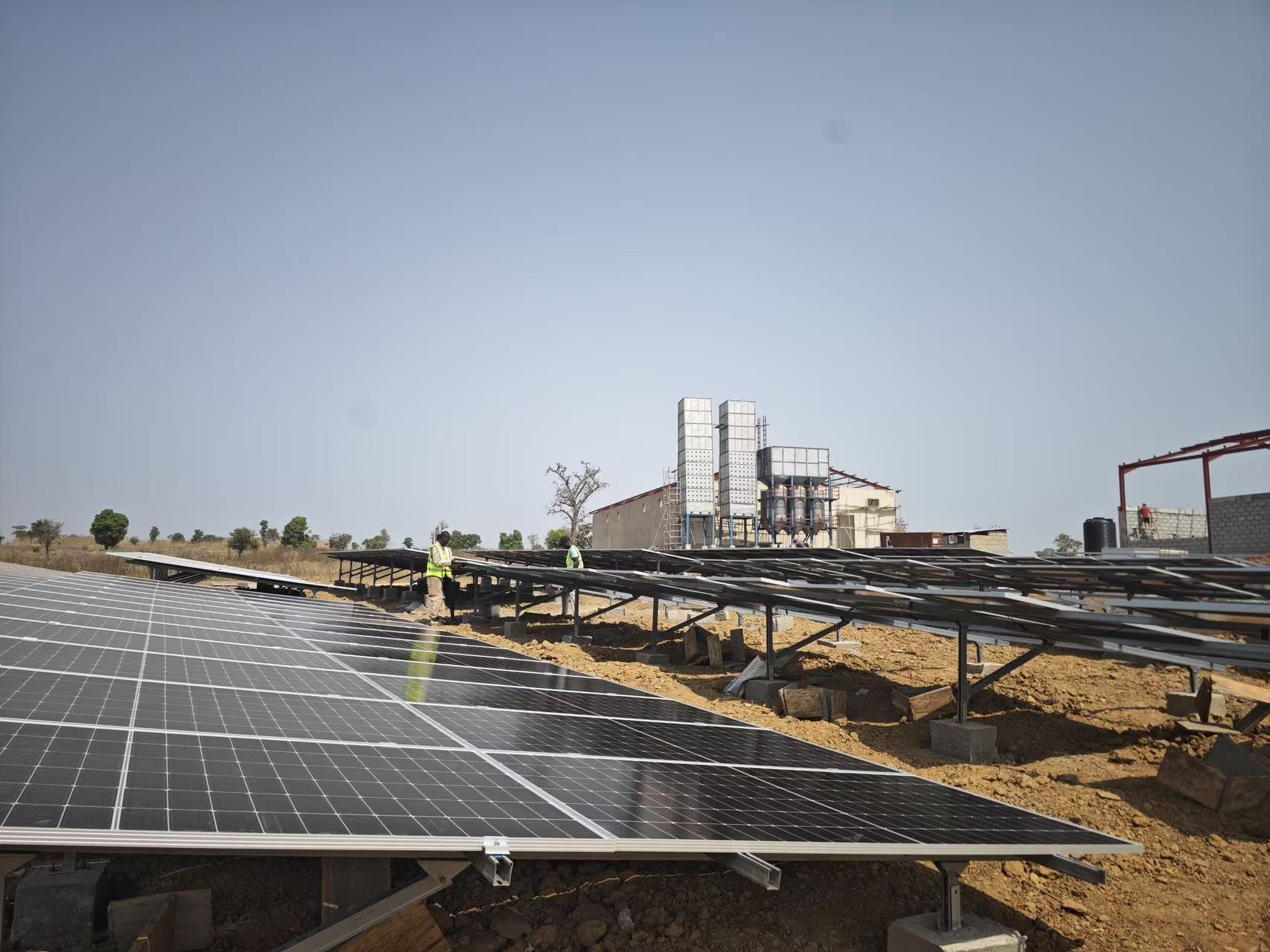
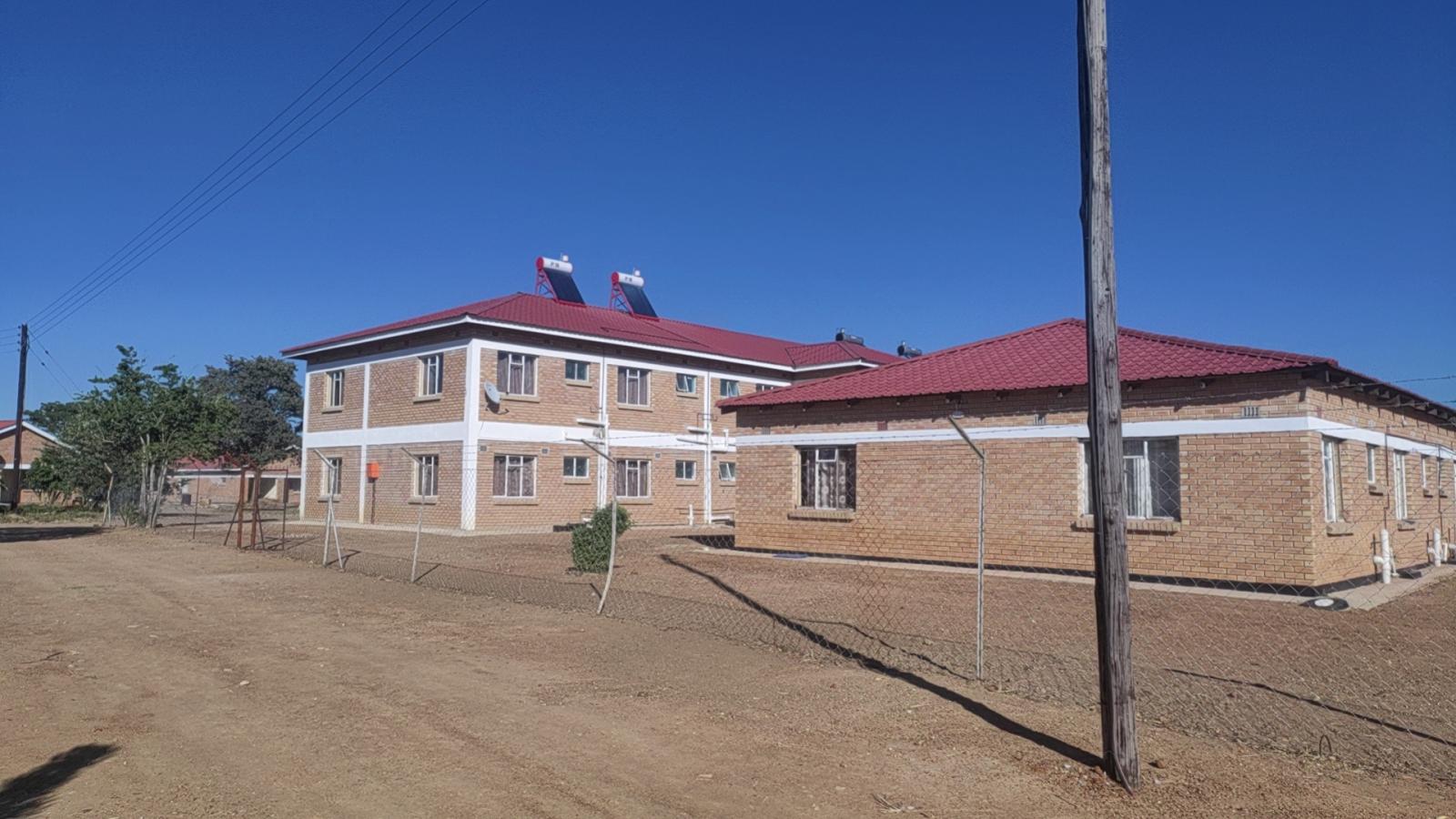
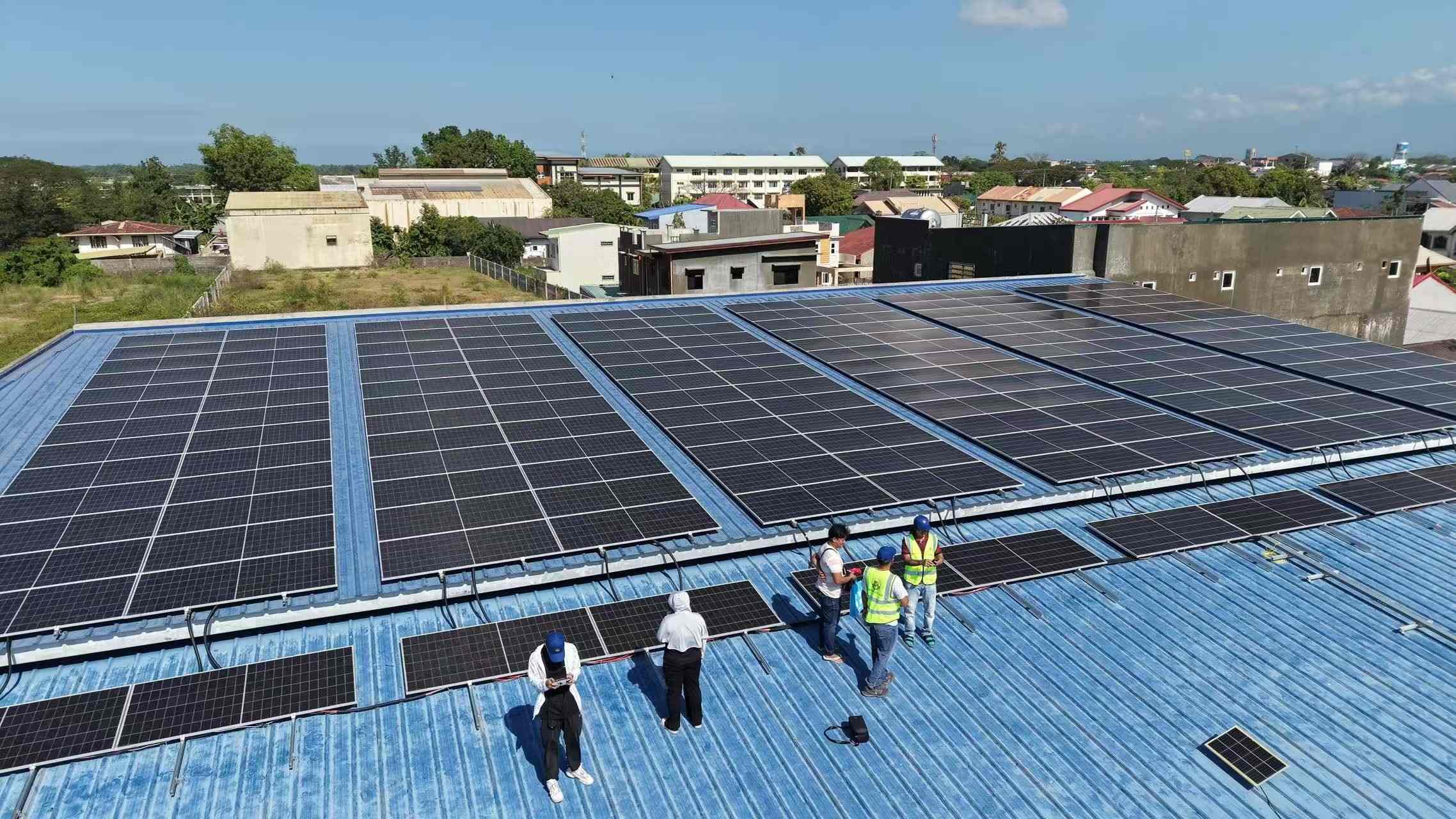
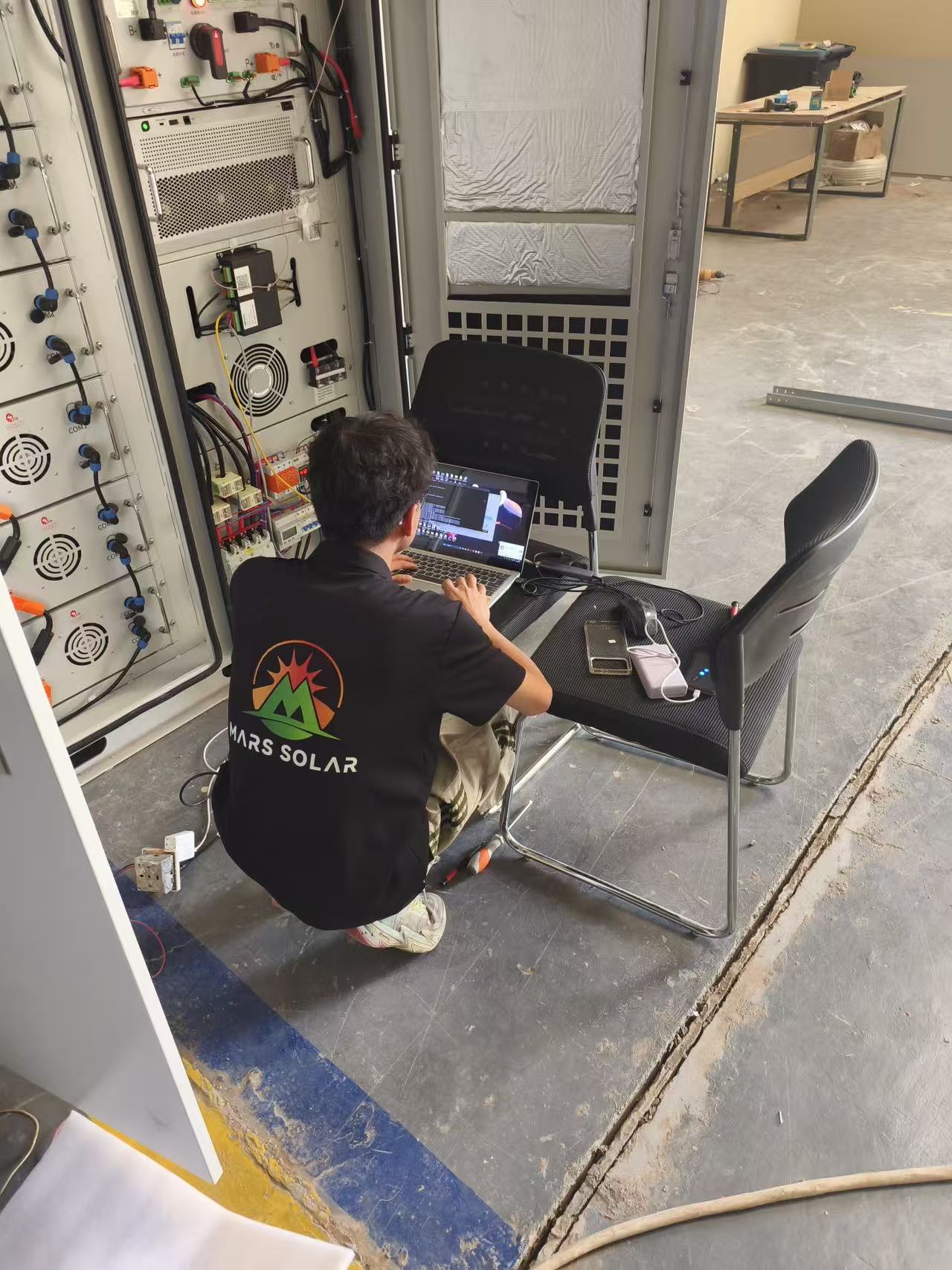
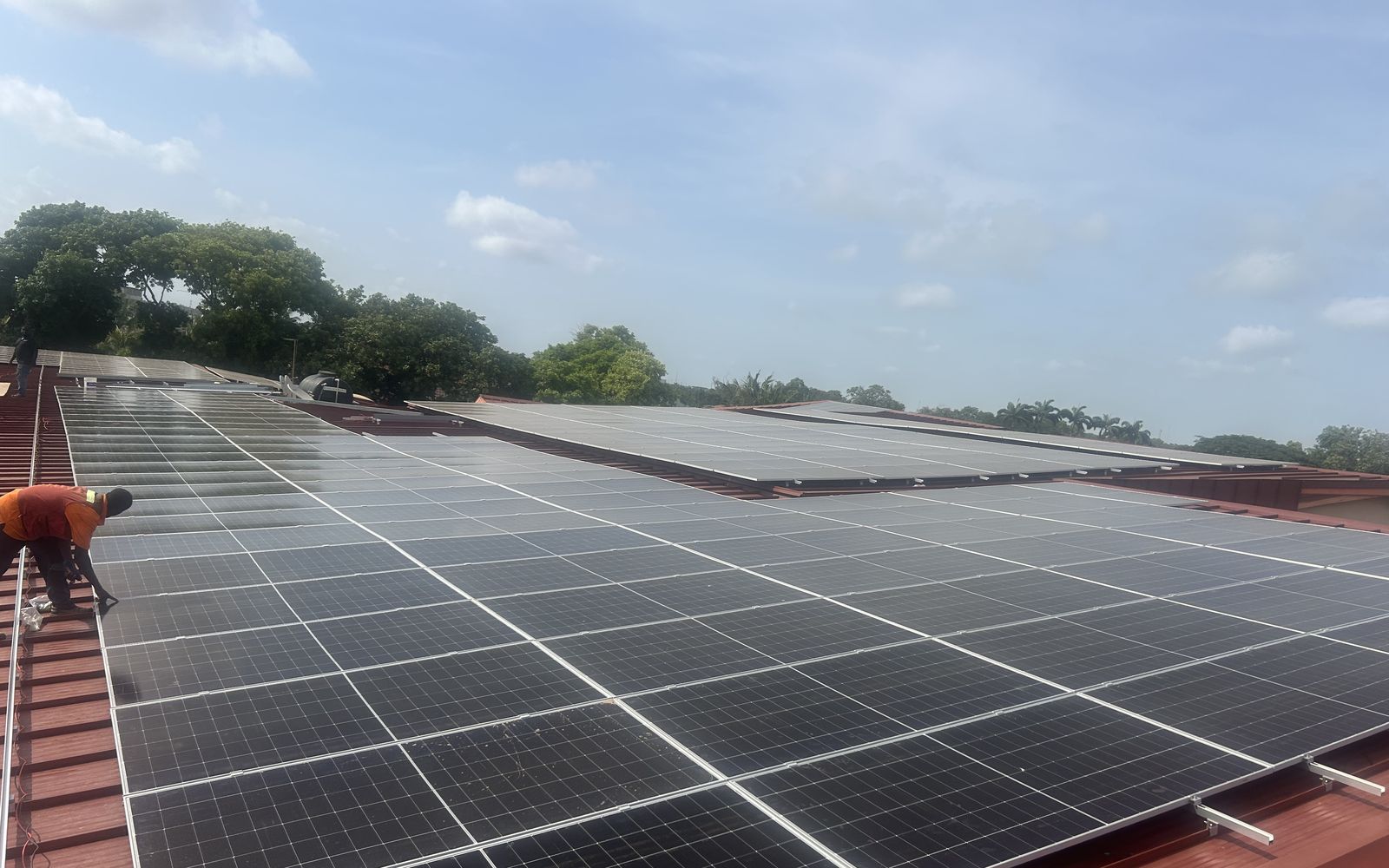
Aerial site survey for a 250kW solar storage system at a hotel in Abuja, NigeriaMars Solar engineer signing a 250kW solar storage system agreement with a Nigerian hotel ownerDiesel generator and transformer to be displaced by a 250kW solar storage system in Nigeria250kW solar storage system with 500kWh LFP battery produced for an Abuja hotel

Información del proyecto

Ahorro mensual de electricidad
₦13.7M / Month
Tarifa eléctrica de la red
₦650 / kWh
Período de recuperación
23 Months
Inversión total en el sistema
$198,000~$228,000
Comienza tu proyecto

Descripción general del proyecto

This 250kW solar storage system was engineered for a hotel in Abuja, Nigeria that was running two diesel generators — a 400kVA and a 250kVA unit — alongside a 500kVA grid supply that cannot be relied on through the evening peak. The hotel's monthly energy spend was dominated by diesel: at roughly ₦650 per kWh once fuel, maintenance and depreciation are counted, every generator hour was eroding the room margin.

Mars Solar engineers surveyed the property in August 2026 as part of a five-hotel programme across Enugu, Owerri, Lagos and Abuja: roof structure and orientation, the electrical room, generator logs and the changeover panel were all documented on site. The design that came out of the survey pairs 250kW of PV with a 500kWh LFP battery bank — sized to carry the evening load from air conditioning, kitchens and the banquet hall without a generator start.

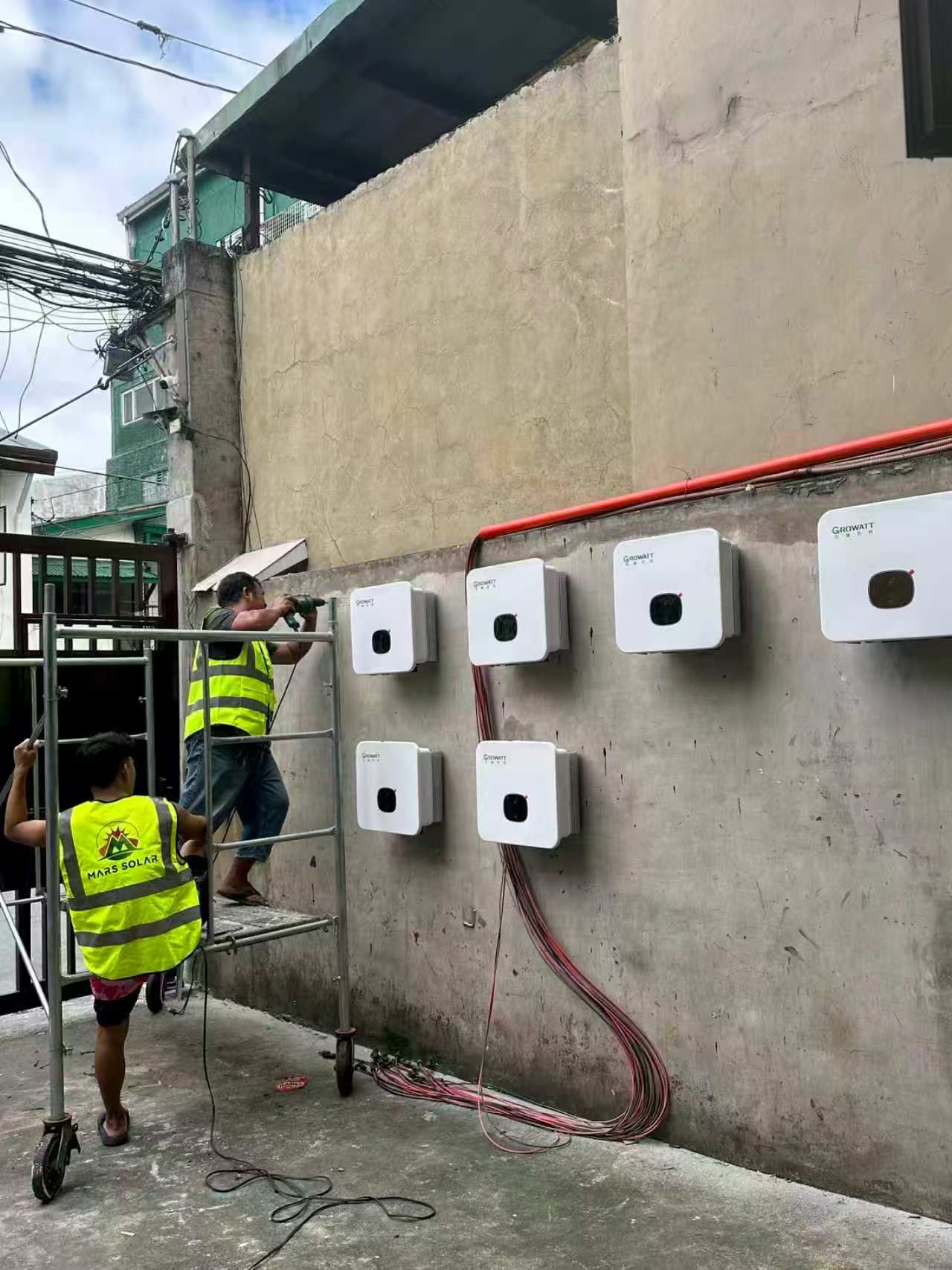
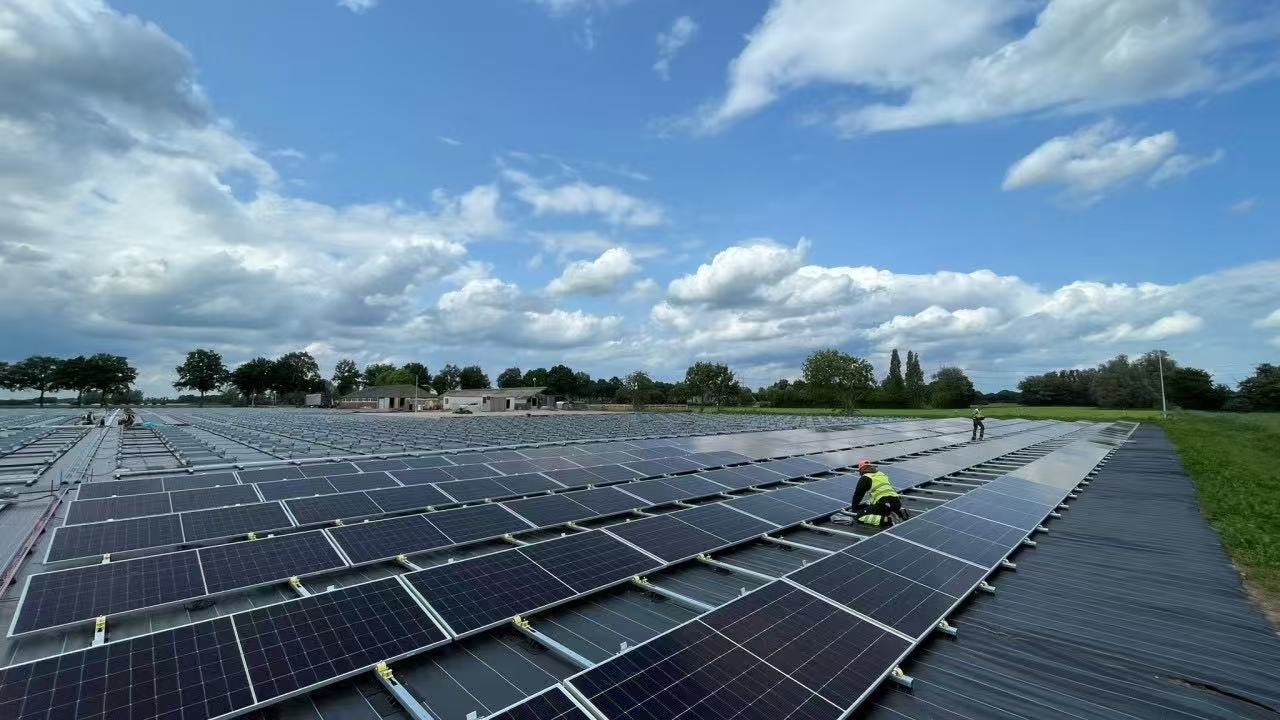
The photos on this page show the survey stage and the finished production: the aerial site documentation, the generator and transformer the system displaces, the agreement signing with the hotel owner, and the completed 250kW solar storage system with its 500kWh battery built at our factory. Production was completed on schedule and the system shipped with the full documentation pack for Lagos clearance — SONCAP, Form M and the certificates Nigerian customs requires.

On the numbers: the 250kW solar storage system produces about 29,000 kWh per month at Abuja's irradiance. Displacing roughly 70 percent diesel energy at ₦650 per kWh and the rest grid energy at the Band A tariff saves ₦13.7 million (about $9,100) per month. Against a factory-direct investment of $198,000 to $228,000, payback works out to 23 months — consistent with what we see across Nigerian hospitality, where diesel is the real competitor, not the grid. A comparable completed project is the 200kW rice mill solar installation documented on our partner site.

Ventajas

Factory-direct system pricing — panels, hybrid inverters and the 500kWh LFP battery ship from one Mars Solar production line, which is why this 250kW solar storage system undercut every EPC quotation the hotel had collected.
Designed from measured diesel logs, not estimates — two weeks of generator runtime and fuel records set the battery size, so the hotel pays for exactly the storage it uses each evening.
Seamless three-source switching — solar, battery, grid and generator are coordinated through the hybrid inverters and the existing changeover panel; guests never see a flicker when the grid drops.
Survey-first engineering across Nigeria — our engineers documented five hotels in Enugu, Owerri, Lagos and Abuja on one trip, so each design reflects the real roof, load and electrical room rather than a template.
Mobile APP real-time monitoring (iOS & Android) — the owner watches solar yield, battery state of charge and generator hours from anywhere, and diesel savings are reported monthly.
Full import documentation handled — SONCAP product certificate, Form M support, packing list and HS classification guidance prepared before the vessel sails, so clearance at Lagos does not stall the project.

Preguntas frecuentes

How much does a 250kW solar storage system save a Nigerian hotel?

This Abuja hotel saves ₦13.7 million (about $9,100) per month. The maths: 29,000 kWh of monthly solar generation displaces roughly 70 percent diesel energy priced at ₦650 per kWh (fuel plus maintenance and depreciation) and 30 percent grid energy at the Band A tariff. Hotels burning 15 to 25 litres of diesel per hour see the largest absolute savings — diesel is the cost being displaced, not the grid.

Why does storage matter more in Nigeria than elsewhere?

Because the grid cannot be scheduled. A grid-tied system without battery still leaves the hotel starting generators every evening and through every outage. The 500kWh LFP bank in this 250kW solar storage system carries the evening peak and rides through grid failures, cutting generator runtime by more than 70 percent. In Nigeria the battery is not an accessory — it is where most of the savings live.

What did the Abuja site survey cover?

Roof structure and usable area from drone and ladder inspection, the electrical room layout, generator capacity and fuel logs (a 400kVA and a 250kVA unit), the 500kVA grid transformer and changeover panel, and the hotel's load profile across occupancy cycles. The survey findings fixed the final configuration: 250kW of PV, 500kWh of storage, and a phased installation plan that keeps the hotel fully operational.

What is the payback period for this 250kW solar storage system?

The total investment is $198,000 to $228,000 factory-direct. Against verified savings of ₦13.7 million (about $9,100) per month, payback works out to 23 months. That sits inside the 10-to-28-month band we see across Nigerian commercial projects — sites replacing heavy diesel runtime pay back fastest, and this hotel replaced some of the most expensive electricity in the world: small-scale diesel generation.

Will the hotel still need its generators after installation?

Yes, but barely. The generators stay for extended outages and abnormal peaks, yet their monthly runtime falls by more than 70 percent — from daily operation to occasional backup. That shift cuts not just fuel but oil changes, filter replacements and overhaul cycles, which is why the diesel maintenance saving alone often covers the system's monitoring and service costs.

Can this 250kW solar storage system be expanded later?

Yes. The battery architecture is rack-based LFP, so capacity grows in 100kWh steps, and the hybrid inverters have headroom for another 50kW of PV if the hotel adds a wing. The sister properties surveyed in Enugu and Owerri are being specified on the same platform, which lets the group share spare parts and monitoring. Larger additions use our sistema comercial de almacenamiento de energía en baterías cabinets.

250kW Solar Storage System: What This Scale Requires

A 250kW solar storage system in Nigeria is first a diesel-displacement project and only second a solar project. The design sequence matters: generator logs before panel count, battery sizing before inverter selection, and an honest model of what ₦650-per-kWh diesel energy actually costs the business each month. Hotels, factories and estates that follow this sequence routinely land paybacks inside two years. Our on-site solar survey is built around exactly this data collection, and the diesel versus solar cost analysis shows the full calculation.

Designing for Abuja's Grid, Tariffs and Climate

Abuja's Band A tariff made grid power cheaper in 2025-2026, but supply reliability did not improve at the same pace — so the battery still earns its keep every evening. Dust and harmattan haze add a cleaning cycle to the maintenance plan, and roof fixings must handle both thermal expansion and storm loads. Import treatment is favourable: solar panels clear Nigerian customs at 0 percent duty under the ECOWAS CET, with VAT exemptions on qualifying equipment — confirm classification with a licensed agent or the Nigeria Customs Service before shipment.

Compartir como:

Proyectos similares finalizados

Suscríbete a nuestro boletín informativo

    Diseño y fabricación de sistemas de energía solar domésticos y comerciales

    Síganos

    ¿Quieres un diseño de sistema solar gratuito para tu edificio?

    ¡Deja tu número de móvil/whatsapp/correo electrónico y podremos responderte en una hora!

      Obtenga consultas gratuitas, catálogos, especificaciones de productos, cotizaciones y más ahora.

      Idioma

      es_usArkansasesdenles

      Idioma