Language
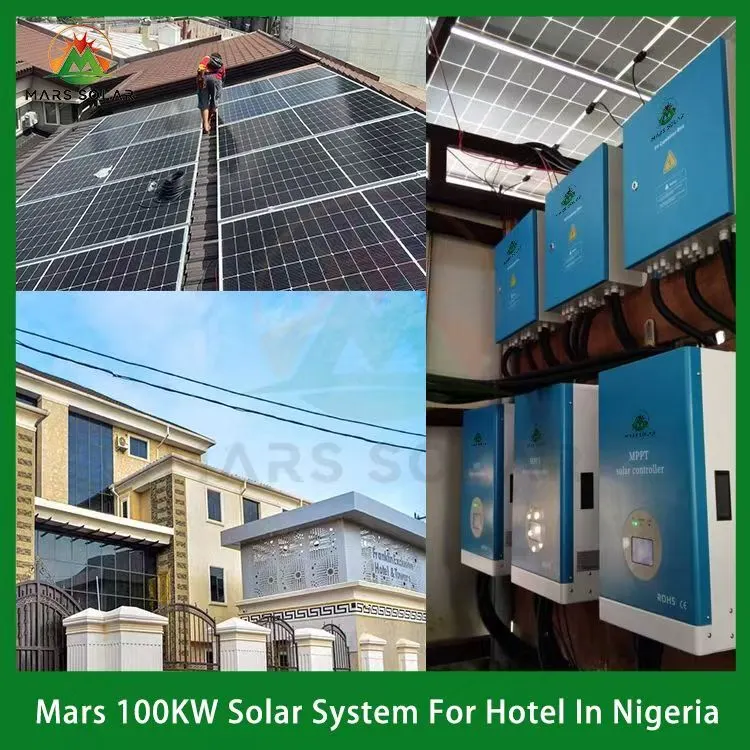
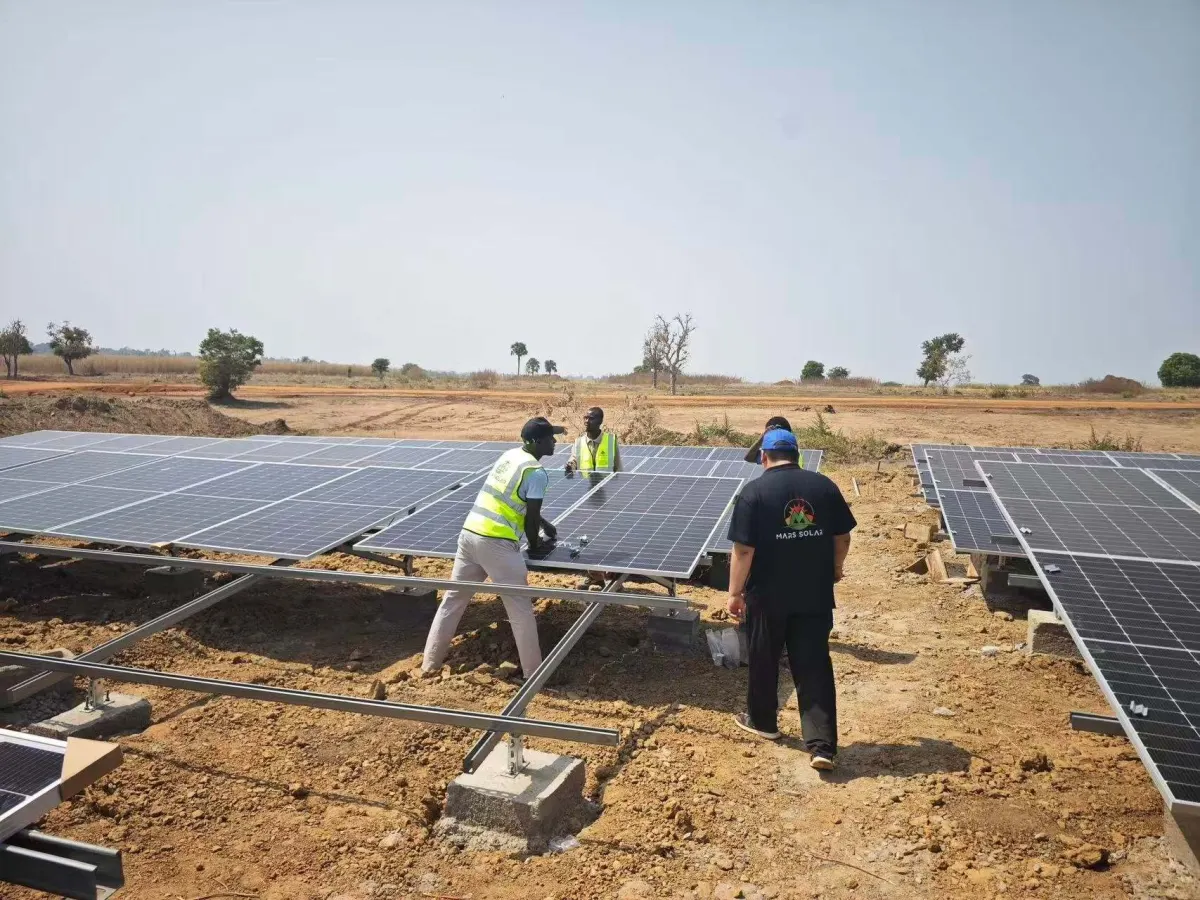
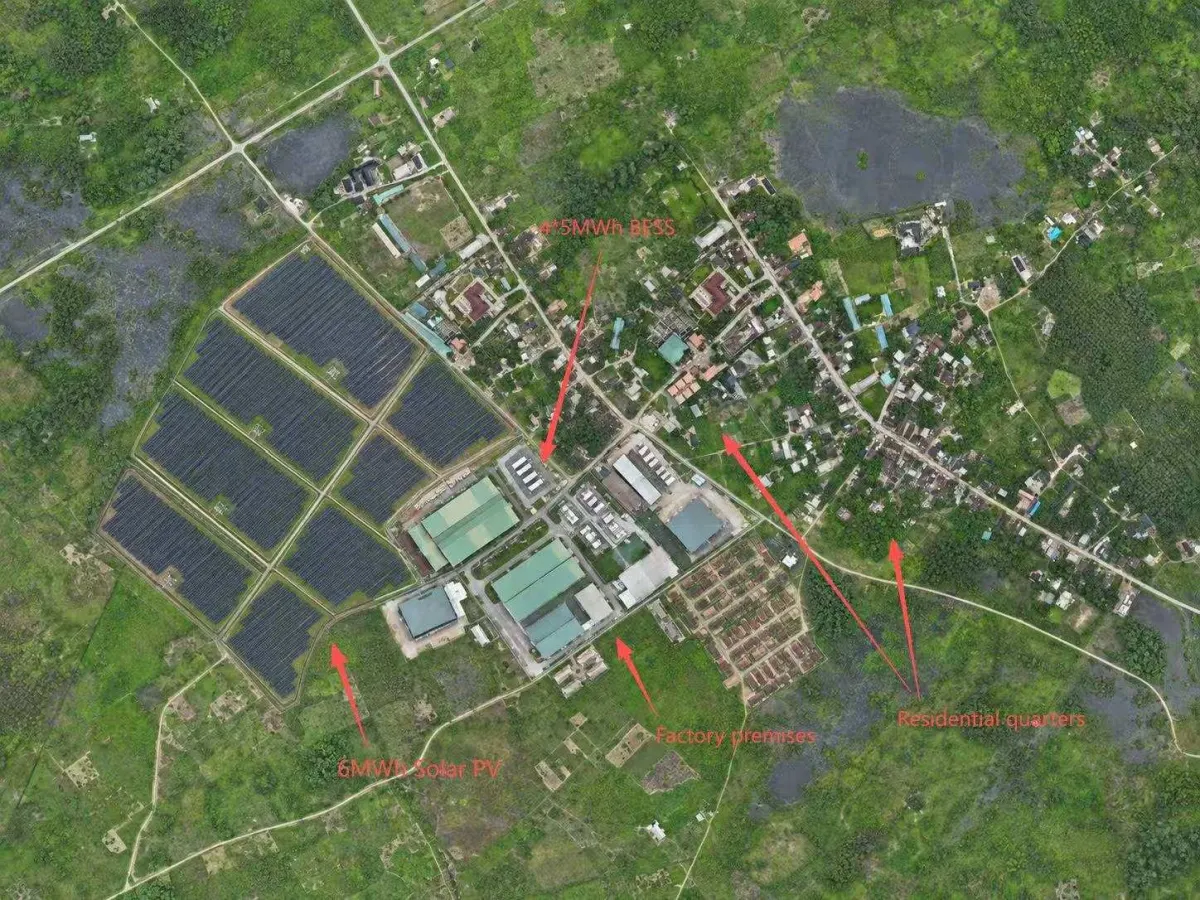
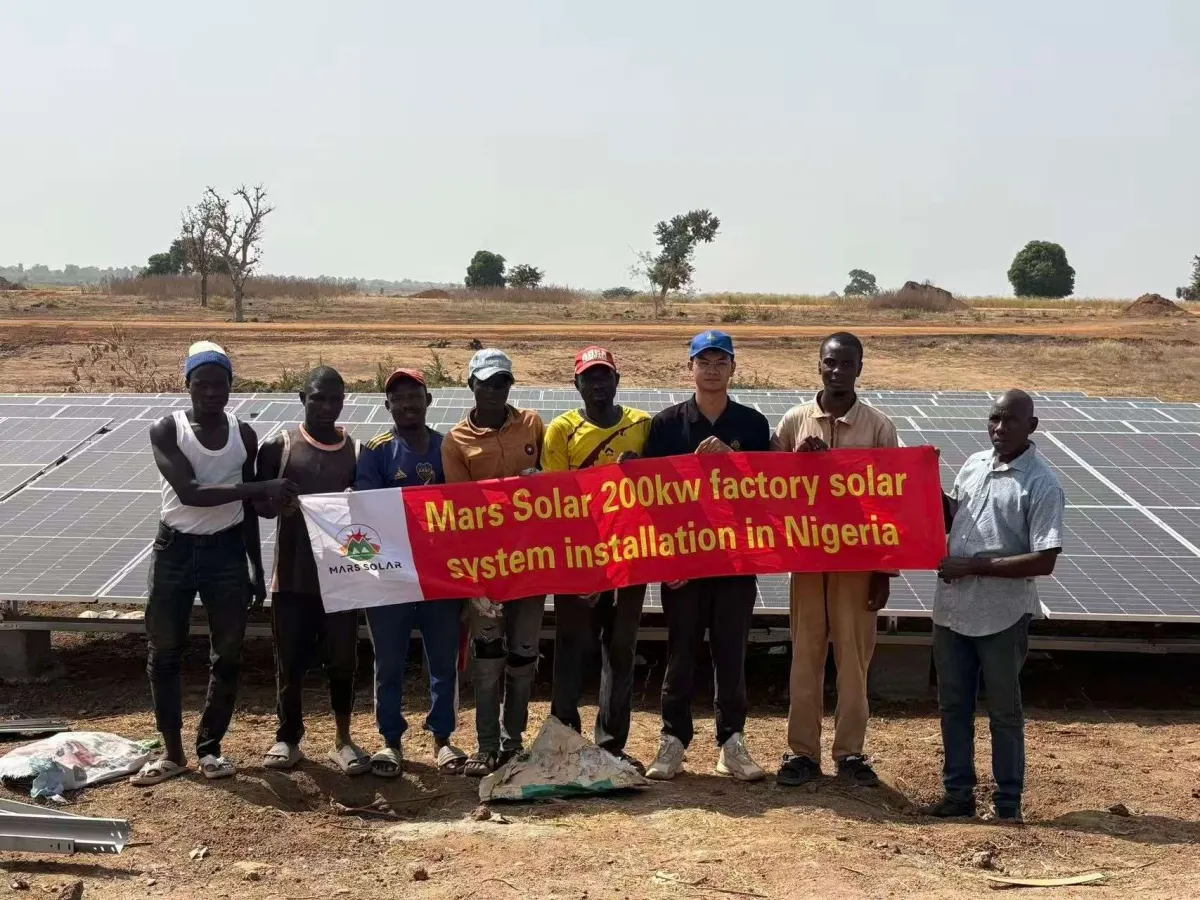
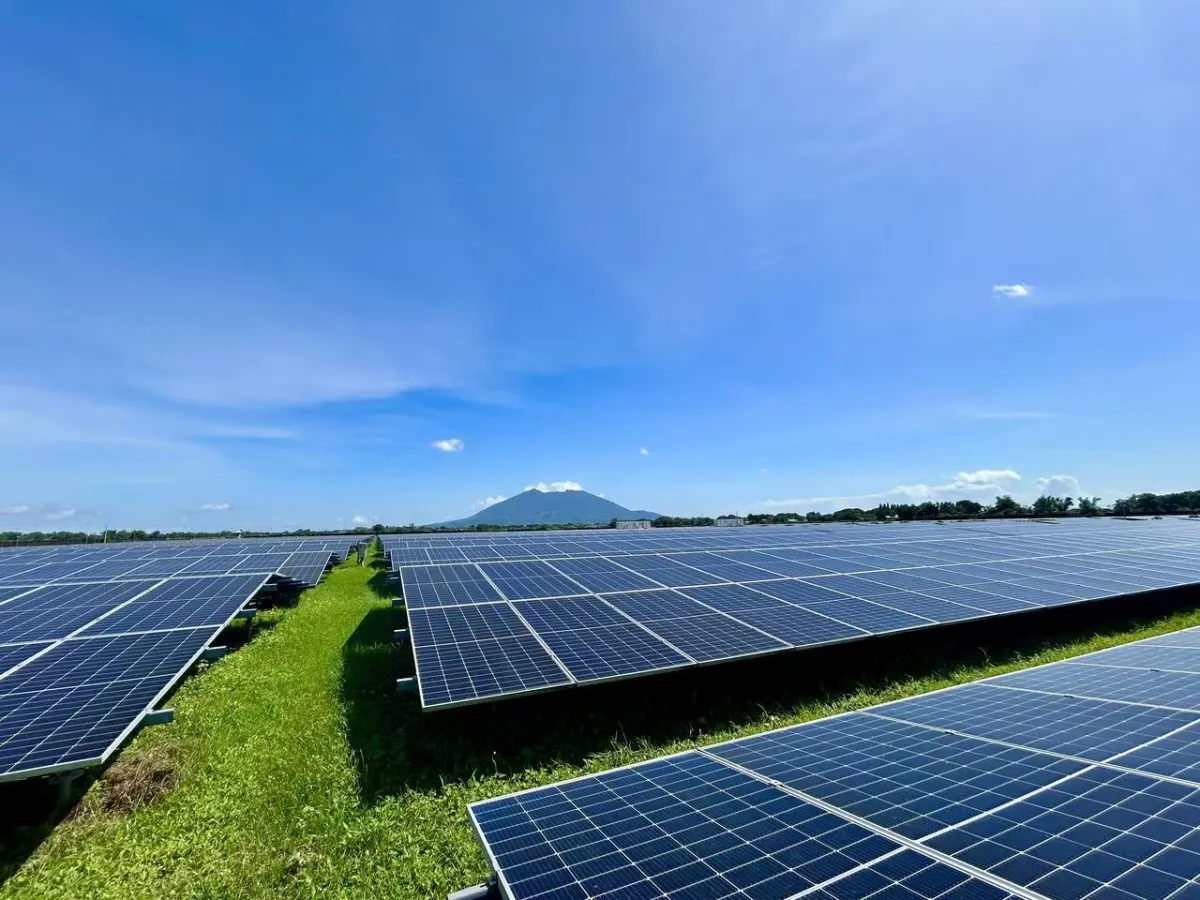
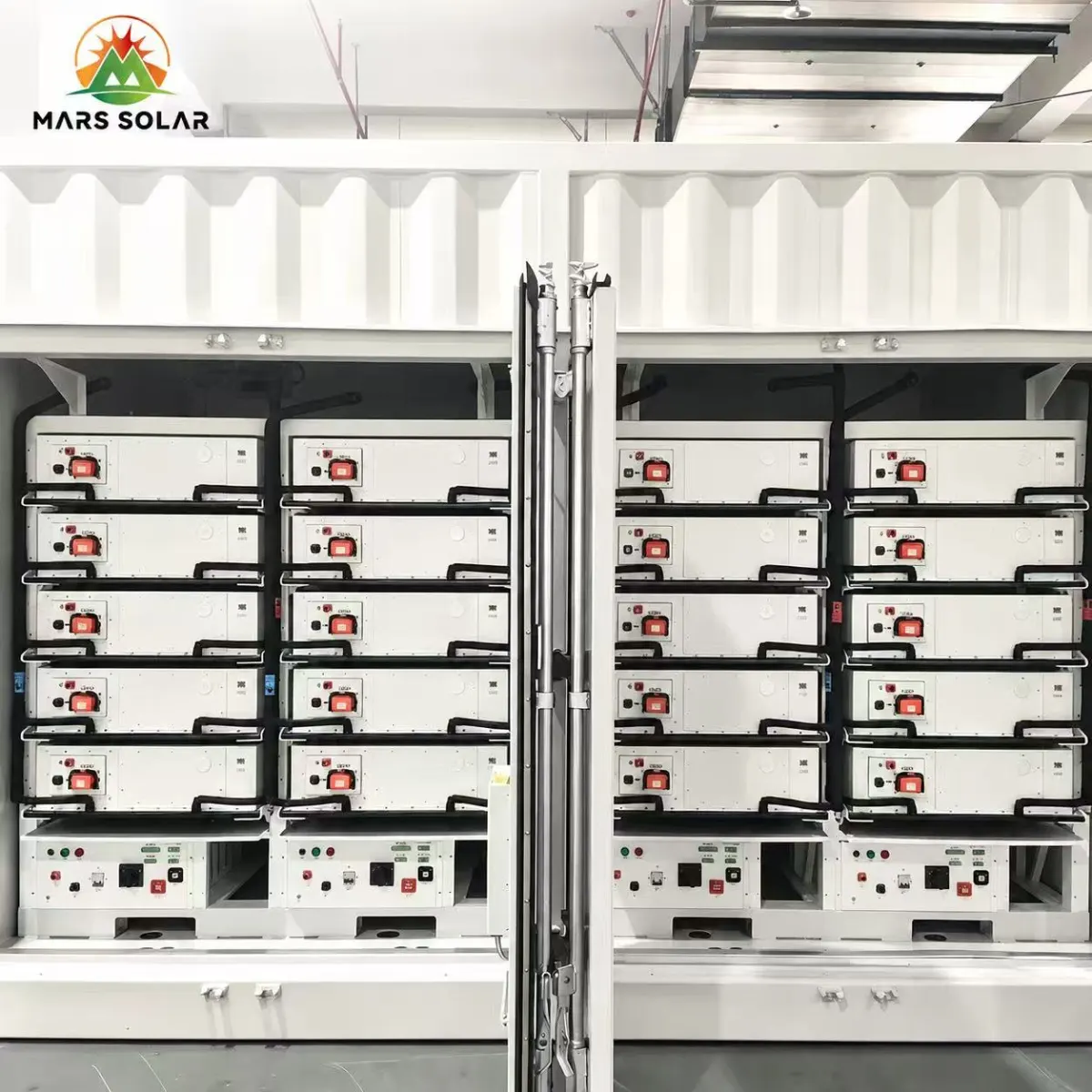
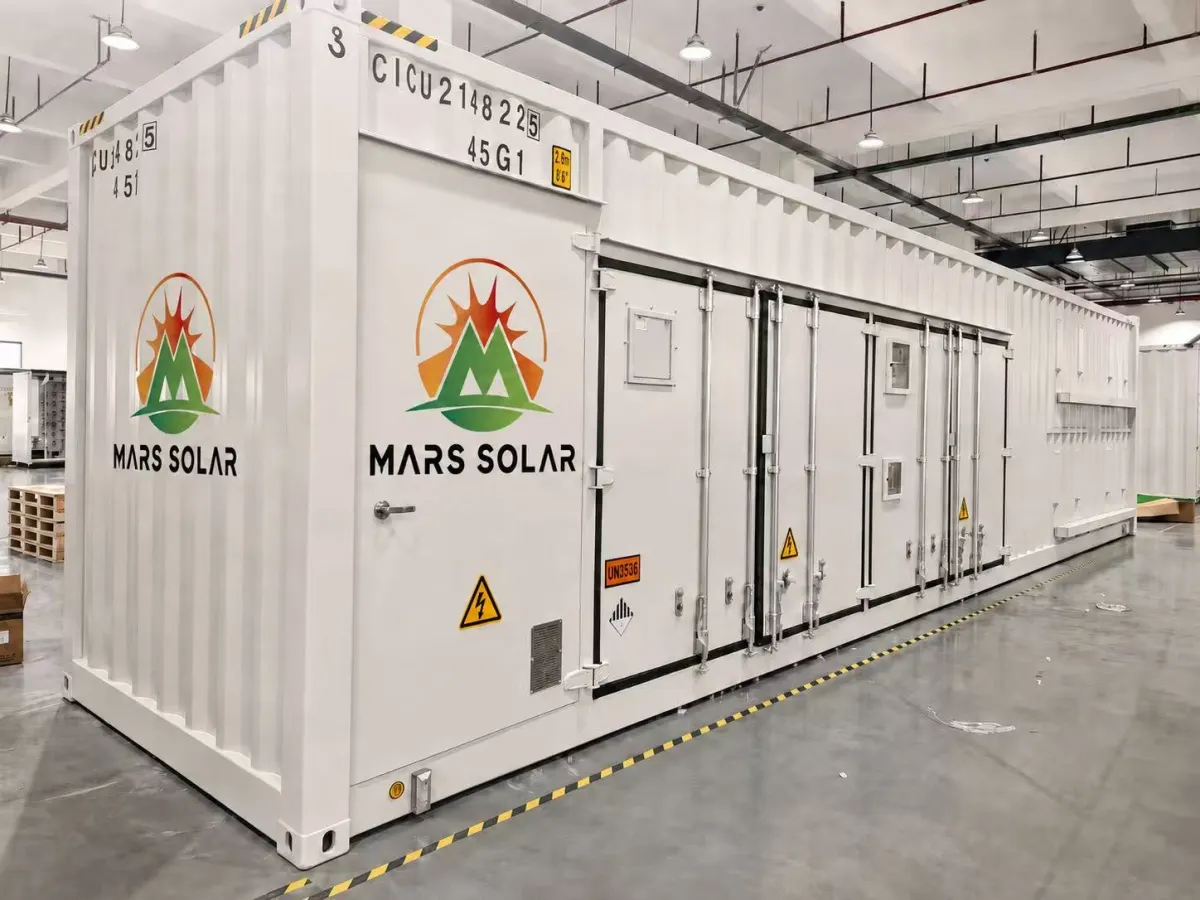
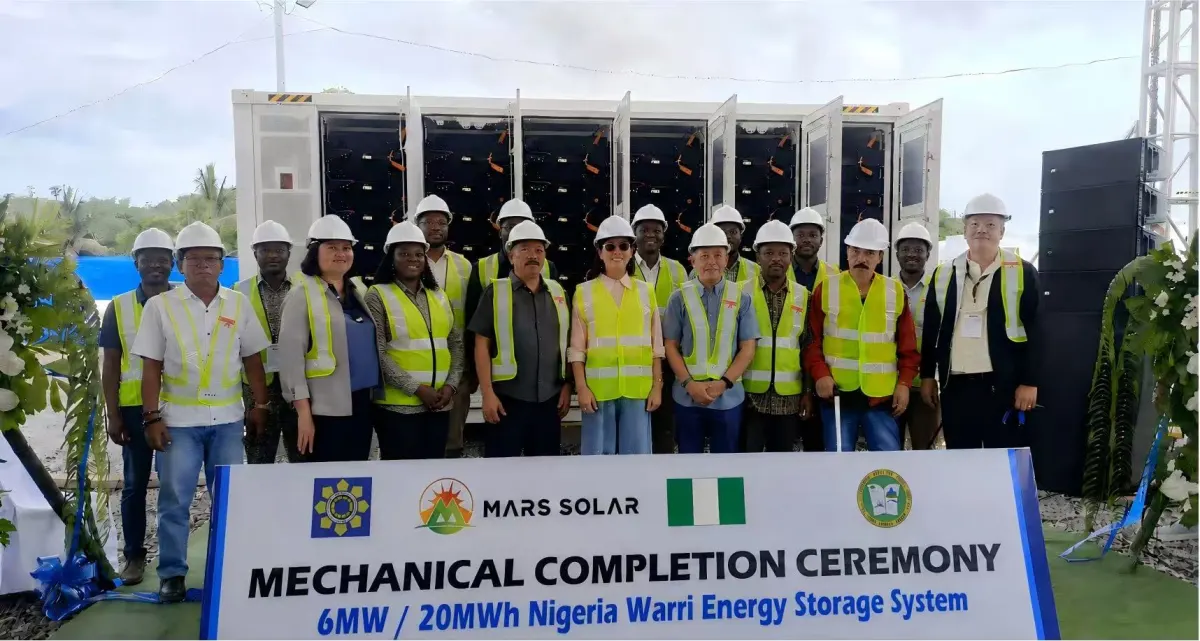
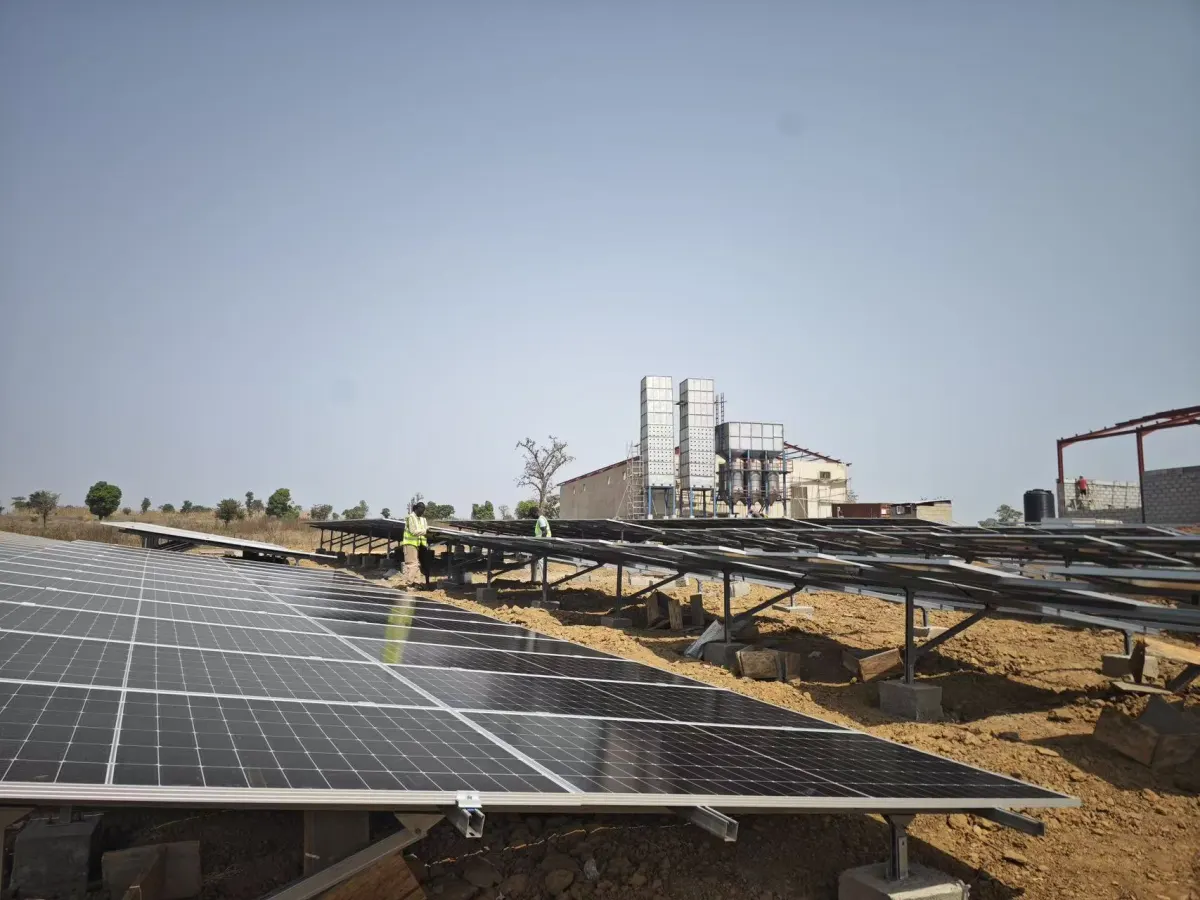
Four projects delivered in Nigeria — installed, commissioned and photographed by our own engineers. Ask for the full photo set and the commissioning report on any of them.
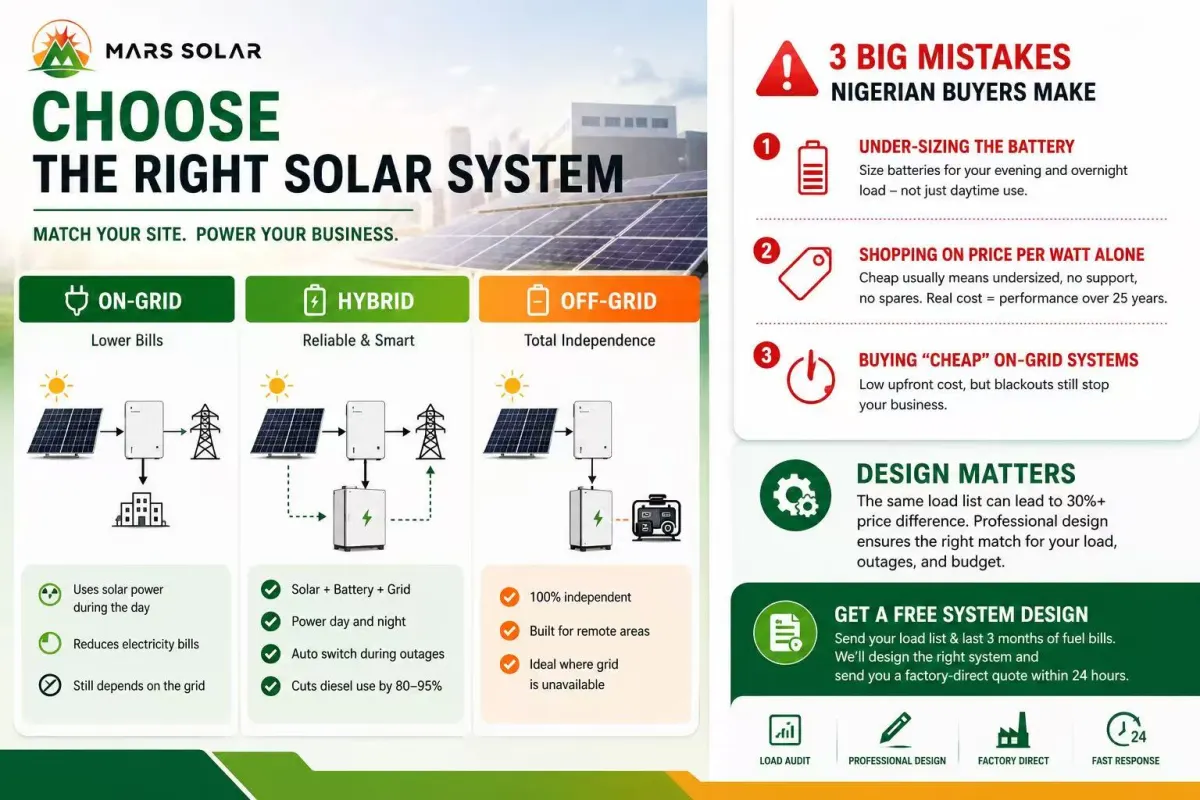
Four things decide whether a solar system Nigeria project survives its first rainy season or quietly drives you back to diesel.
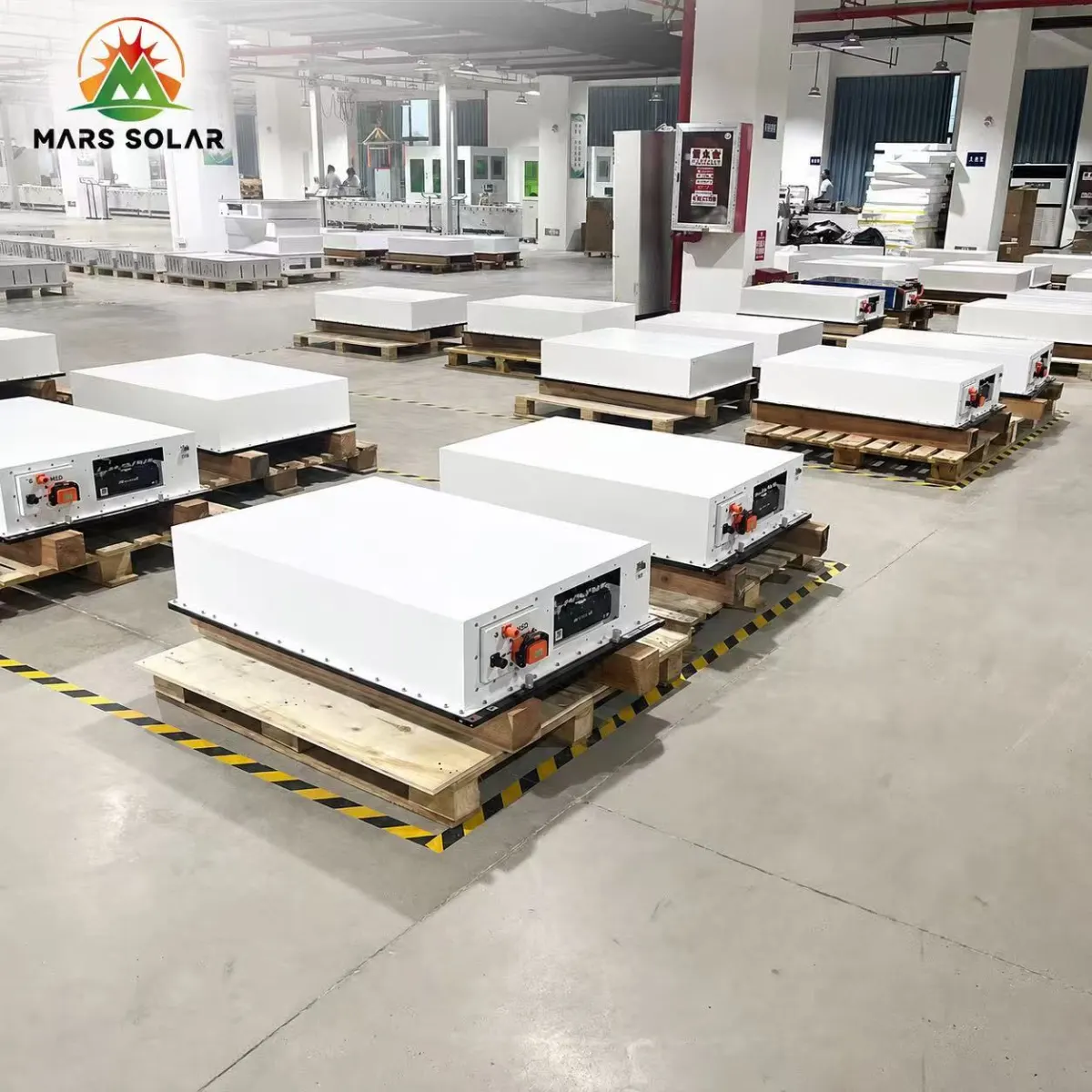
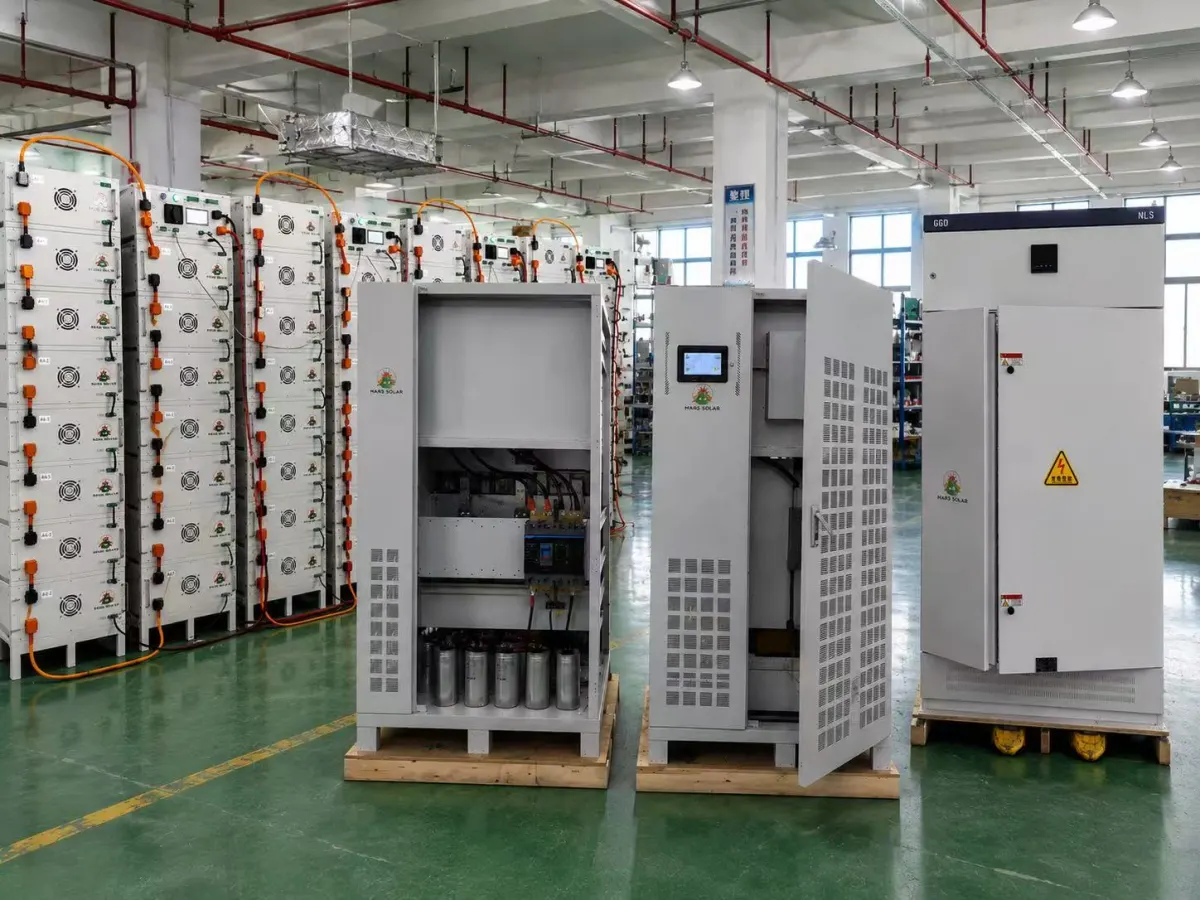
The LFP battery cabinets, hybrid inverters and mounting systems come off our own line, so sizing, the bill of materials and the warranty all sit with one party. No reseller margin stands between the factory price and your landed cost in Lagos. It is also why a solar system Nigeria quotation from a trading desk can come in 20 percent higher for the same bill of materials.
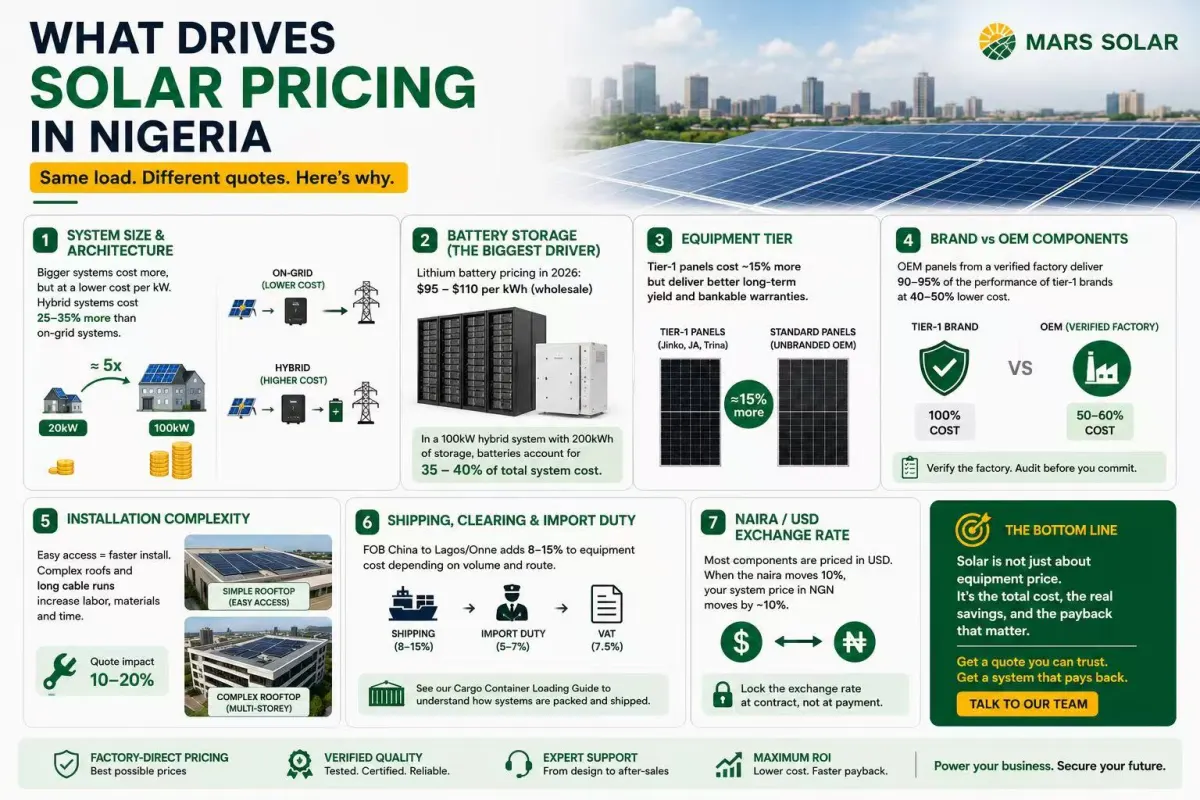
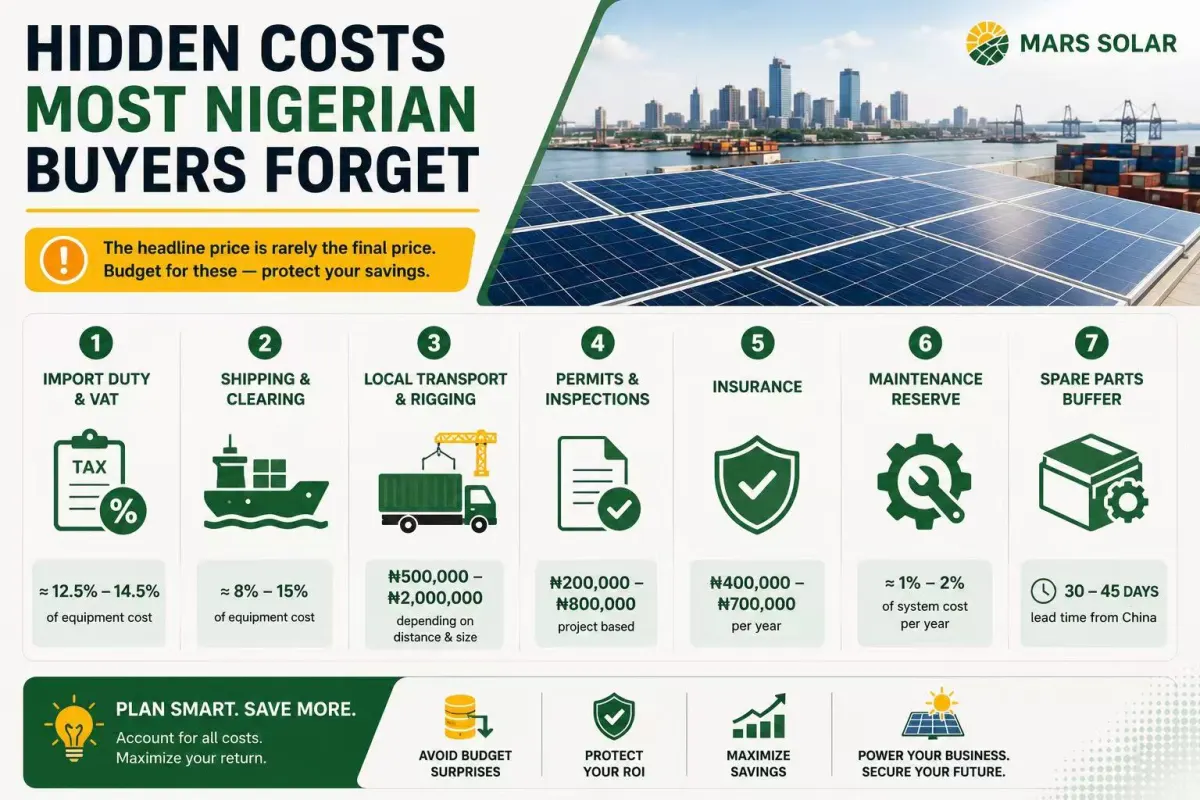
We quote CIF rather than FOB, because shipping, clearing and duty to Lagos or Onne add 8 to 15 percent on their own. You see one delivered number for the port you nominate instead of invoices from three different agents arriving after the fact.
Every solar system Nigeria order is load-tested, BMS-calibrated and grid-tested on the line, then photographed inside the container. Failures surface in our factory, not in an Abuja hotel at nine in the evening.
Panels enter at zero duty under the ECOWAS Common External Tariff, but nothing clears Apapa without a SONCAP certificate in the right PC grade, and a missing Form M leaves the container accruing demurrage at the port. We assemble that file set with you; your agent files it.
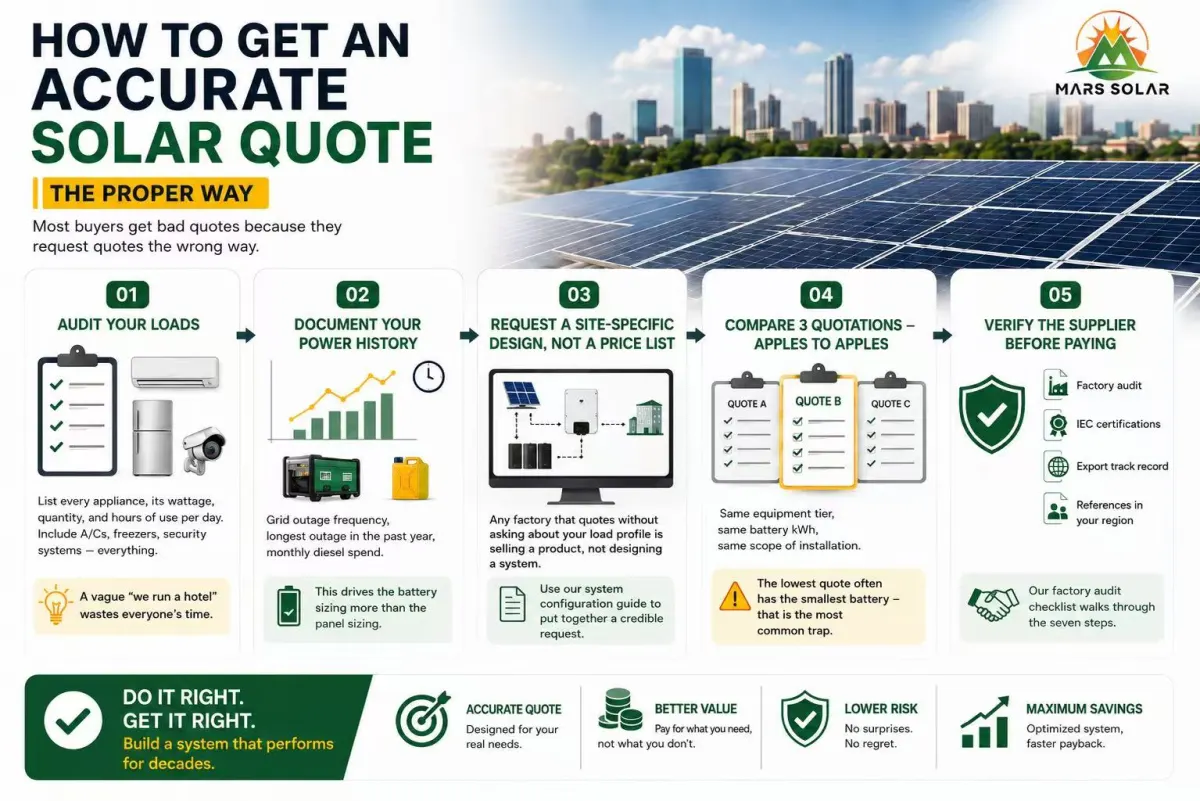
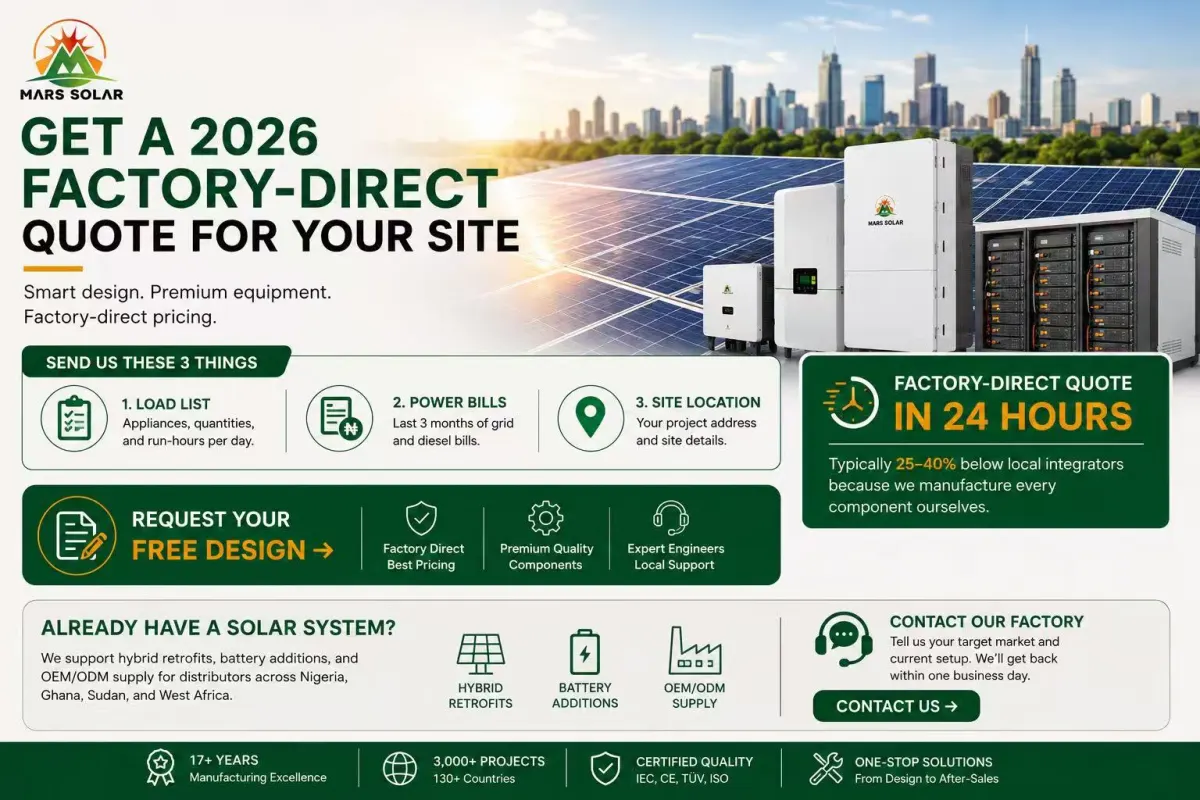
Want the sizing logic for your own site instead of a catalogue page? Send your load list and three months of diesel receipts.
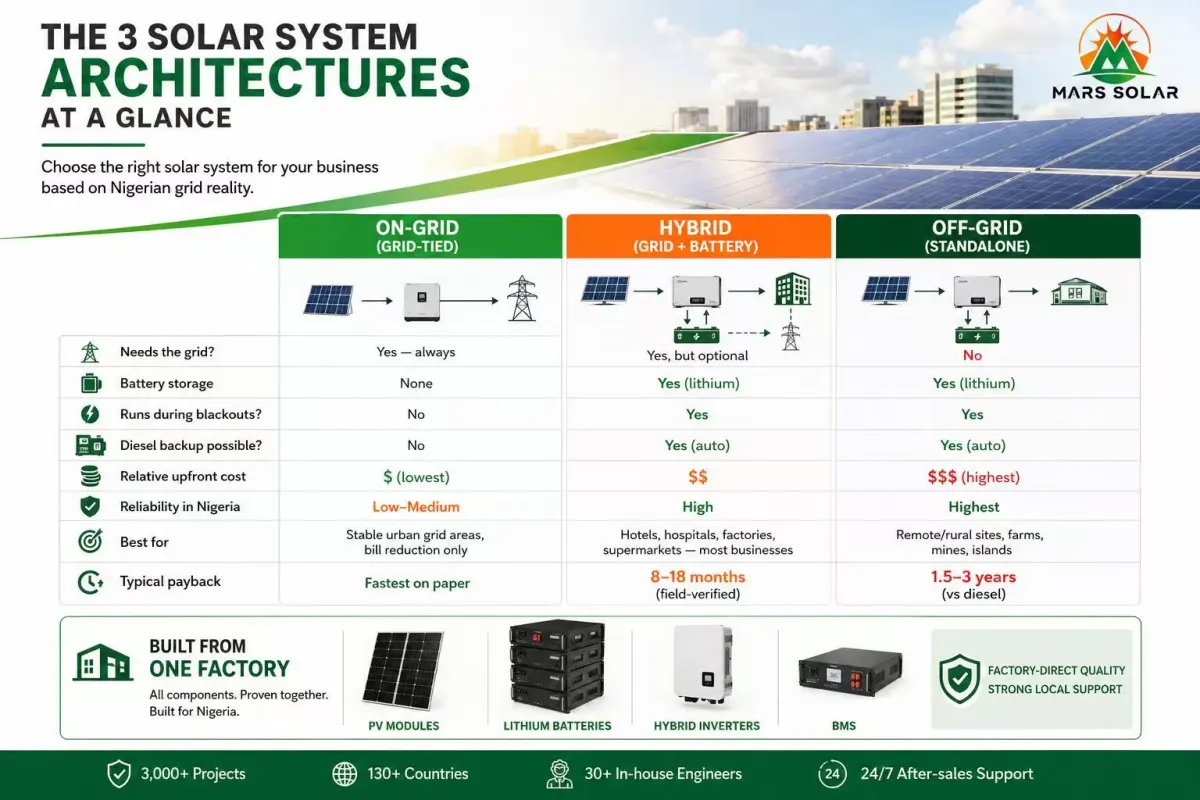
Size my system on WhatsAppMost solar system Nigeria enquiries fall into three profiles. Sizing always starts from the load you are running today and the diesel you are buying today — not from a catalogue page.
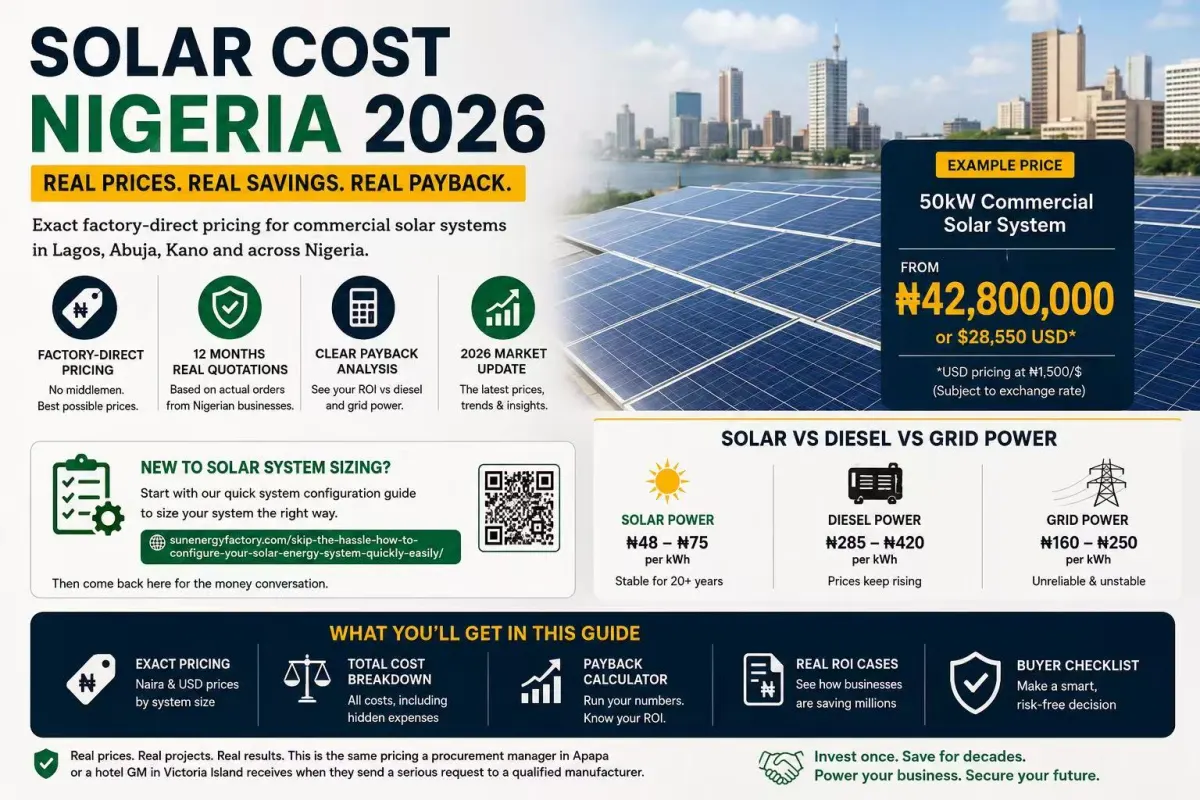
Two tables matter for any solar system Nigeria decision: what a complete hybrid system costs delivered in Nigeria, and what a standalone battery costs CIF Lagos. Both sets of figures are taken from our own published Nigeria cost guides, so you can see where your site should land before you ask for a quotation.
Hybrid solar + storage — factory-direct landed quotation in Lagos or Port Harcourt
| System size | Landed price (Naira) | Typical site |
|---|---|---|
| 10 kW | ₦8M – ₦12M | Small clinic, 15–25 staff office, guest house |
| 20 kW | ₦16M – ₦24M | Supermarket, 10–15 room guest house, small cold room |
| 50 kW | ₦42M – ₦62M | Mid-size manufacturing, 20-room hotel, hospital wing |
| 100 kW | ₦85M – ₦125M | 30–50 room hotel, mid-size factory, large commercial building |
| 250 kW | ₦210M – ₦310M | 100+ room hotel, large industrial site, manufacturing plant |
Standalone BESS — CIF Lagos
| Usable storage | CIF Lagos (USD) | CIF Lagos (Naira) |
|---|---|---|
| 50 kWh | $47,500 – $60,000 | ₦71.3M – ₦90M |
| 100 kWh | $90,000 – $115,000 | ₦135M – ₦172.5M |
| 500 kWh | $380,000 – $480,000 | ₦570M – ₦720M |
| 1 MWh | $700,000 – $900,000 | ₦1.05B – ₦1.35B |
The hybrid figures are complete delivered jobs — panels, hybrid inverter, lithium battery, mounting, balance of system, installation and commissioning. Our Nigeria cost guide breaks that number into its five cost blocks, which is where most of the spread between two quotes comes from.
The battery figures are CIF Lagos and exclude Nigerian import duty, VAT and clearing. The BESS import guide carries the full container-by-container table up to 2MWh.
Exchange rate used in both published guides: ₦1,500 per USD (August 2026 indicative). Every component is priced in dollars at the factory, so when the naira moves ten percent the naira price of your solar system Nigeria project moves with it.
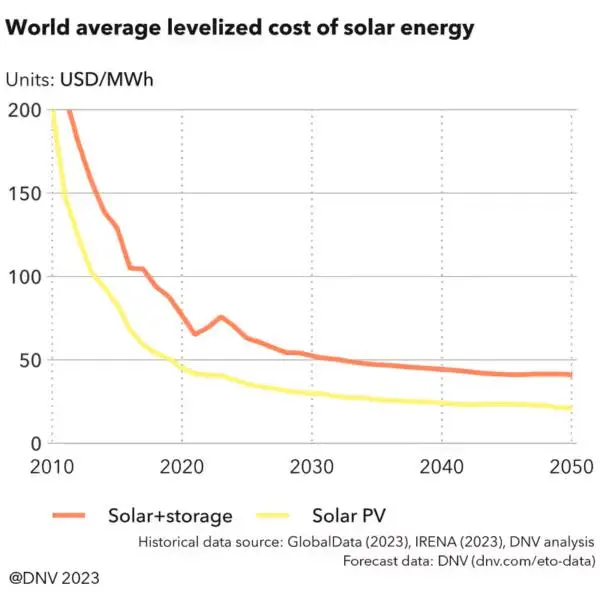
Nigerian import duty on solar equipment ranges from 5 to 7 percent depending on classification, while the panels themselves sit at 0 percent under the ECOWAS Common External Tariff. VAT is 7.5 percent, assessed on CIF plus duty plus levies, and it is not waived for ordinary importers — a VAT-registered company recovers it as input tax. Confirm the current rate with the Standards Organisation of Nigeria and your clearing agent before you finalise a landed-cost model. Every figure above is an indicative 2026 range for comparison only.
Send your load list and we will come back with an exact CIF Lagos price for your solar system Nigeria project.
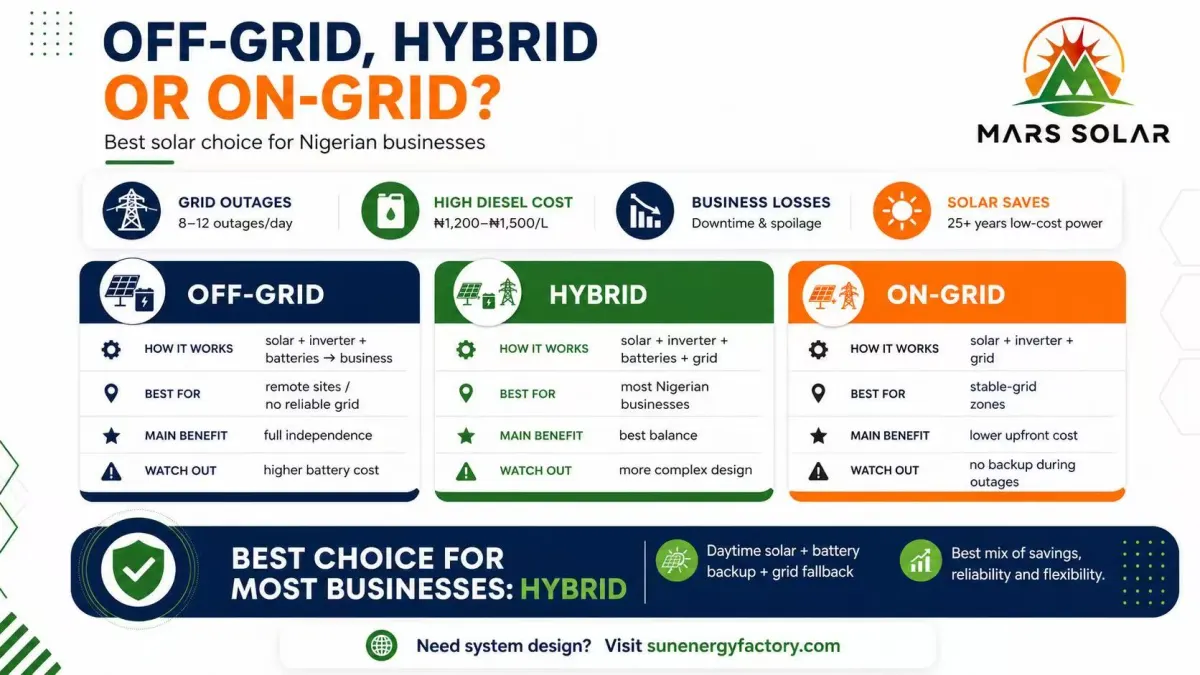
Get my exact pricePayback in Nigeria is measured in months rather than years, because the alternative is a diesel genset burning fuel at ₦1,200 to ₦1,500 a litre.
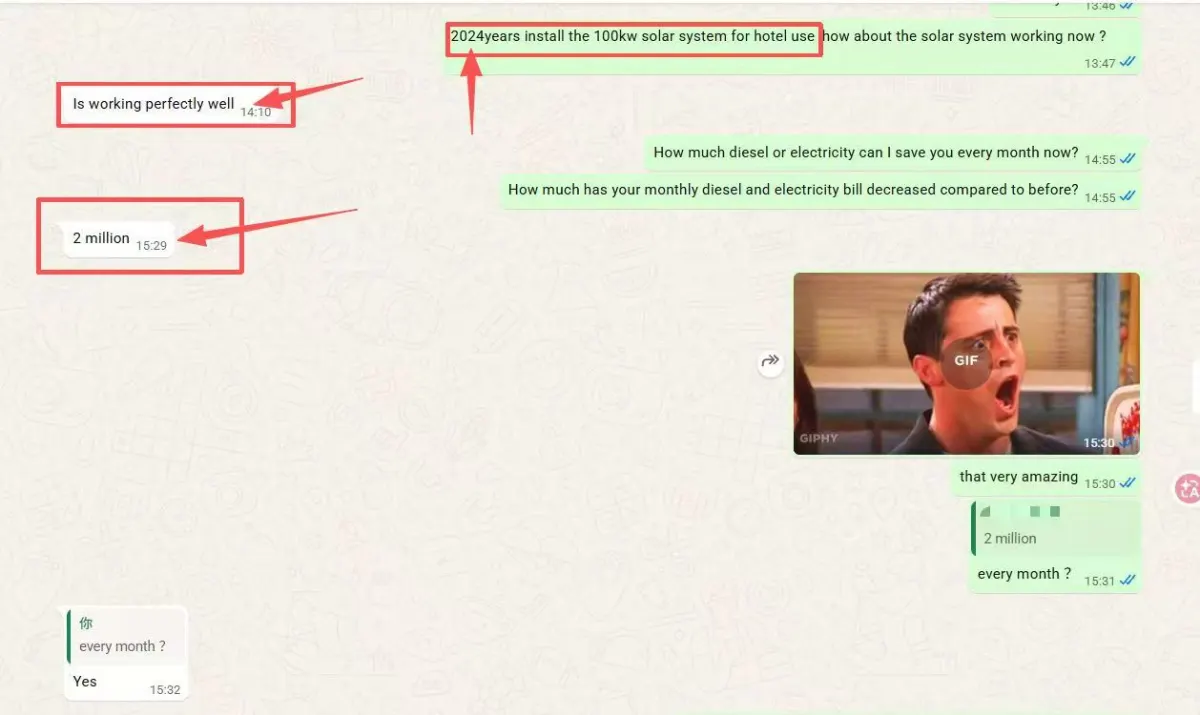
A 30 to 80 room hotel in Lagos or Abuja runs air-conditioning 18 hours a day. The battery carries the evening and overnight load, which eliminates the genset for 14 to 18 hours a day. Our 100kW hotel installation paid back in 8 to 12 months.
Replacing significant diesel runtime is where a solar system Nigeria project pays back fastest — 8 to 14 months. Our 200kW rice mill installation in Abuja is a live reference for exactly this application.
Cold-chain sites cannot tolerate an outage. A 50 to 100kWh BESS cabinet with a modest array cuts diesel consumption by 60 to 80 percent and takes the load spikes off the generator, which extends its life. That is the solar system Nigeria case we size most often for cold-chain operators.
A business burning 15 to 25 litres of diesel a day lands at 10 to 18 months. Homes running a small generator for four to six hours daily land at 18 to 28 months, and the saving is the fuel line you stop buying.
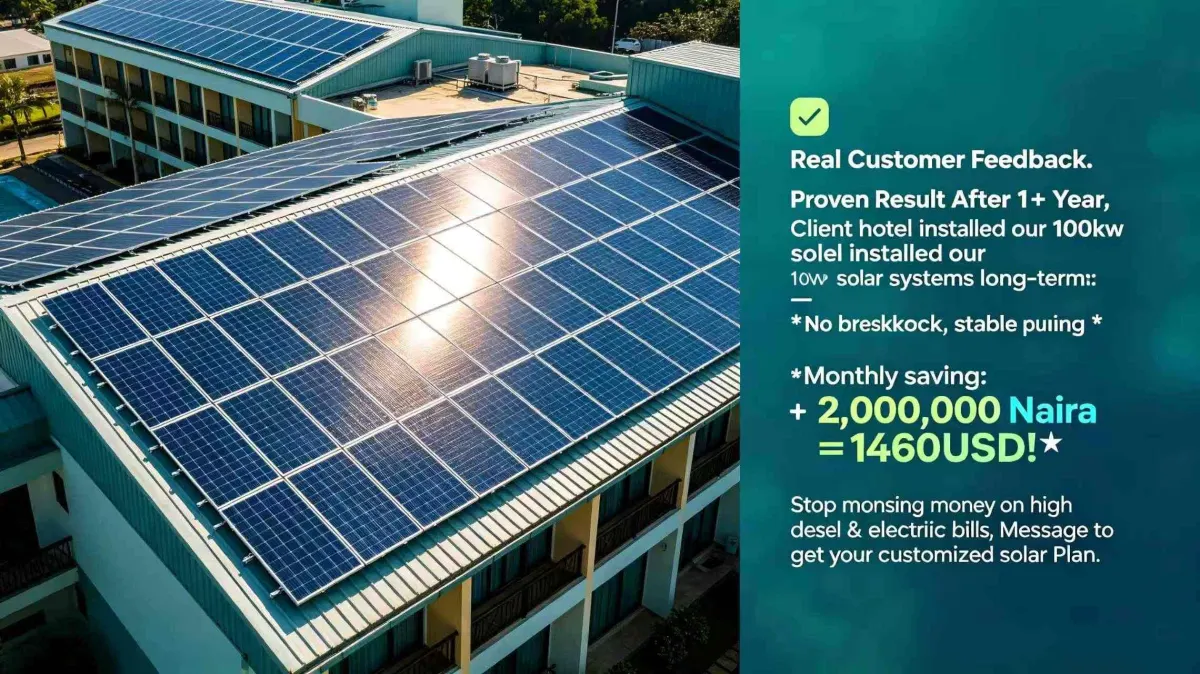
Not sure which of these your site looks like? Send the site type and your monthly diesel spend and we will tell you what solar actually displaces.
Benchmark my site on WhatsAppEvery photo below is a solar system Nigeria project we built and shipped. Open the case studies for the sizing, the equipment list and the measured result.
Straight from the solar system Nigeria job files — roof arrays, ground-mount rows, battery rooms and the commissioning walk-through.
We quote CIF Lagos and CIF Onne Port rather than FOB on every solar system Nigeria order, because the freight, clearing and demurrage lines are the ones that move your final number.
Production
15 to 25 working days after deposit, depending on whether the battery is rack-mounted or containerised, and on how much of the string wiring is factory-terminated.
Ocean freight
Booked to Apapa, Tin Can Island or Onne Port. The SONCAP certificate, the correct PC grade and the Form M all have to be in place before the vessel sails — not after it lands.
SONCAP and clearance
Clearing agents familiar with Apapa and Onne typically charge ₦500,000 to ₦1,500,000 for a 20ft or 40ft BESS shipment. We prepare the file set; your agent files it with the Nigeria Customs Service. Every solar system Nigeria shipment leaves with that file set complete.
Inland delivery
Lagos, Abuja, Ibadan, Kano, Kaduna and Port Harcourt are routine. Port-to-site logistics in Lagos runs ₦1,500,000 to ₦4,000,000, and more for sites further out. Crated racks ship with lifting points and a commissioning pack.
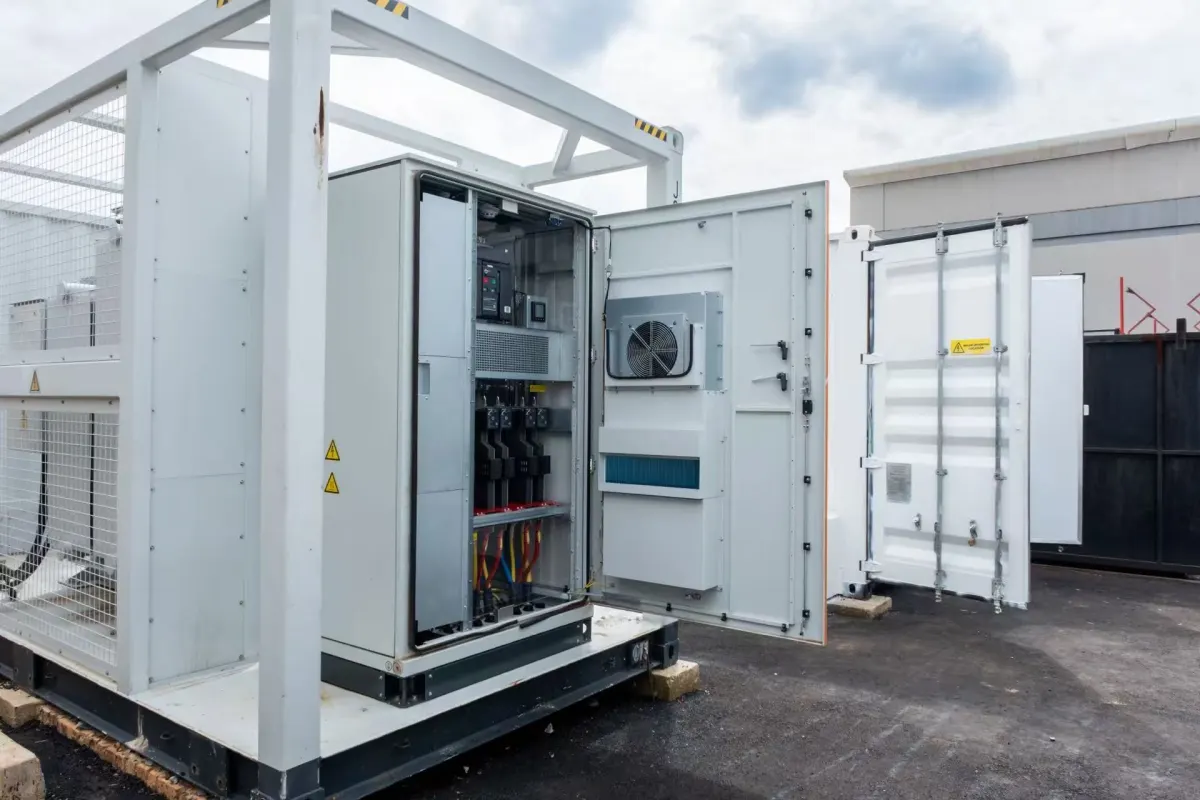
A container that lands in Lagos with the wrong PC grade or a missing Form M sits at the port accruing demurrage at a rate that erases the margin on the entire order. Zero duty on the panels does not mean zero compliance on the shipment, and it is the single most expensive mistake we see on Nigeria orders.
Both the duty schedule and the SONCAP conformity programme were still moving through 2026. Confirm the current rate and the current PC grade with the Standards Organisation of Nigeria and your clearing agent — see also our Nigeria, Ghana and Kenya duty note and the full solar import Nigeria guide.
Need the zero-duty pathway rather than the standard one? Tell us who the importing entity is and we will map the document list.
Confirm my import routeThe ten questions that come up in almost every Nigeria enquiry. For the diesel comparison behind them, see our diesel versus solar cost guide.
Prefer to write rather than chat? Tell us your site type, load list, monthly diesel spend, the importing entity and your target timeline. We come back with a sized system, a component-level breakdown, CIF Lagos or Onne Port pricing and the SONCAP document list — usually within one working day.
 English English
  Arabic
 Spanish
 French
 Dutch
Dutch
 Portuguese