语言
How a 2MW Solar System for an Electroplating Factory in Malaysia Cut Electricity Costs by $29,000 per Month and Reached Payback in 11 Months
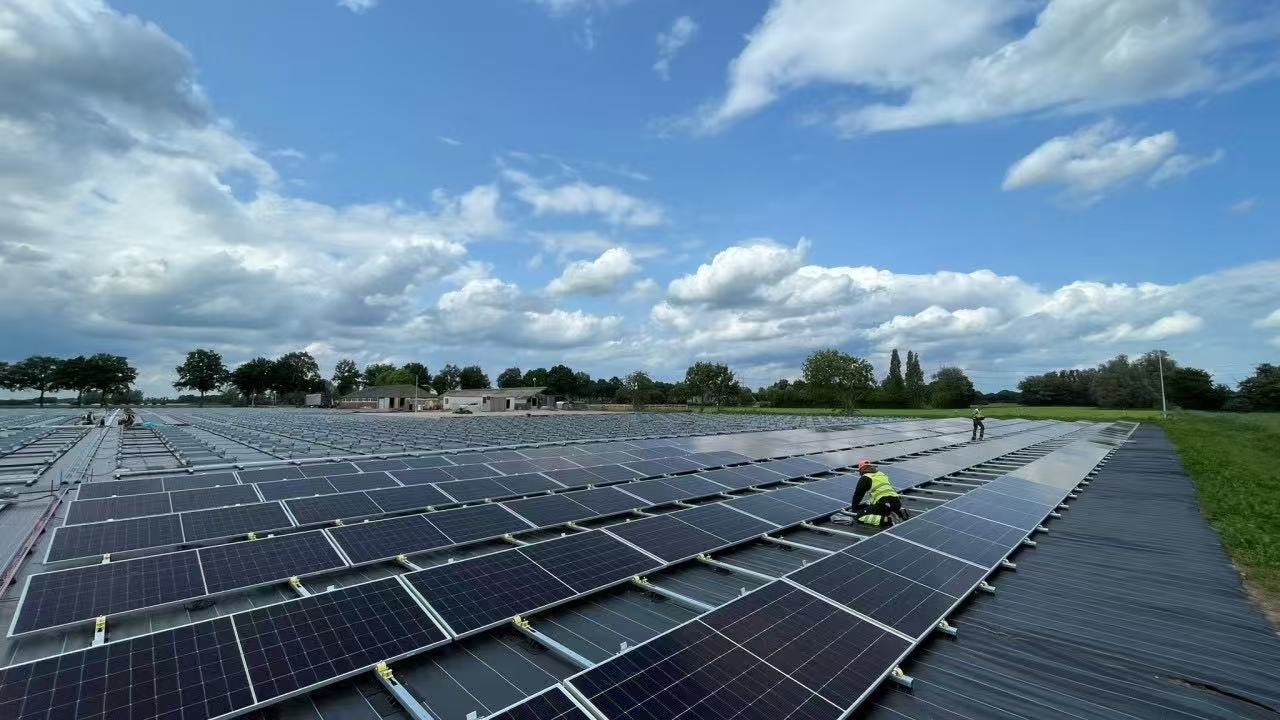
A 2MW rooftop solar system in Malaysia now powers a leading electroplating factory running three production shifts around the clock. Before installation, the facility was consuming more than 1.1 million kWh of grid electricity per month at an effective rate of US$0.12 per kWh. After deployment, monthly solar offset averages $26,500 and the system reached payback in approximately 11 months.
This is not a residential solar project. It is a 2MW factory-grade rooftop solar PV array — 3,150 high-output 650Wp bifacial modules, 20 × 100kW grid-tie string inverters, and a corrosion-engineered mounting structure — purpose-built for a continuous electroplating load in a chemical-laden rooftop environment. The engineering detail, the financial model, and the operational reality below come from the actual deployment. They cover system configuration, monthly savings, payback math, self-consumption strategy, installation timeline, technology choices, 25-year lifetime economics, and field comparisons to our other case studies.
If you are evaluating a 2MW solar system for a Malaysian electroplating factory, a metal-finishing plant, or a continuous-process industrial facility with corrosive rooftop air, this article gives you the engineering detail, the financial model, and the operational reality. We have written it for the C&I owner, the project developer, and the EPC contractor who wants numbers — not marketing.
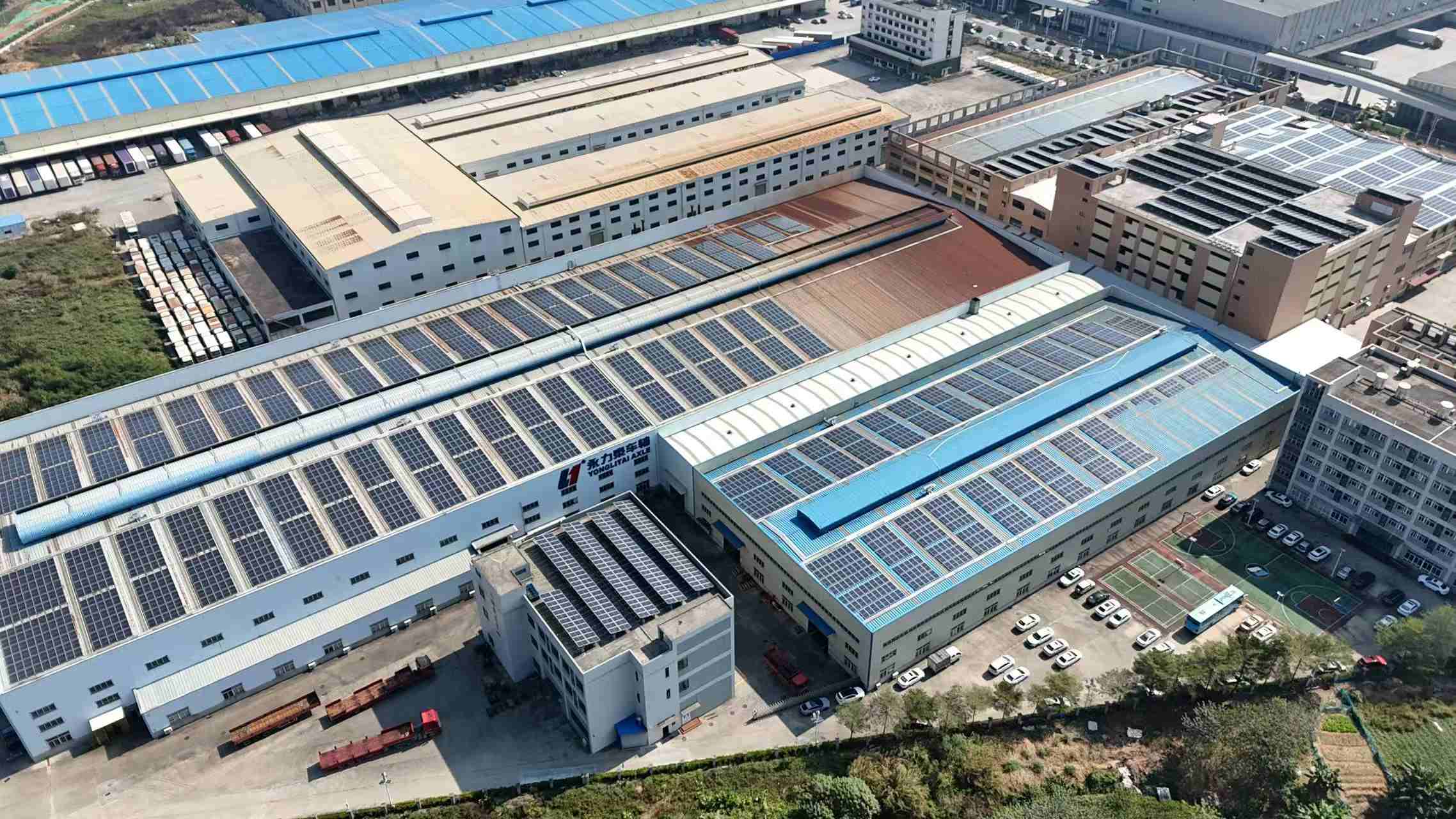
Most solar projects serve a single load type: a hotel, a telecom tower, an office, a cold store. This one serves a single, very hungry industrial process — continuous electroplating — and that single-process nature is what makes the solar economics work so cleanly. Three process characteristics define the system design.
Three-shift continuous operation (peak load ~2.5–3.0 MW)
The factory runs plating lines, anodizing tanks, and DC rectifier banks across three shifts, six days a week. Aggregate peak demand is around 2.5–3.0 MW; daytime baseline demand from rectifiers, plating, and anodizing is around 2.0–2.5 MW. This load profile is ideally matched to solar output: the sun ramps up at the same time the plating lines ramp up, and the second-shift peak runs into the evening solar tail.
Heavy daytime rectifier load (the dominant solar match)
DC plating rectifiers alone account for more than half of the facility’s electricity bill. They draw heavy, stable power throughout daylight hours — exactly when solar is generating. A 2MW array directly displaces 70–80% of rectifier load at midday, which is why the self-consumption ratio on this site is approximately 95%.
Corrosive rooftop environment (the engineering constraint)
Electroplating process exhaust — acid mist, chrome mist, and alkaline fumes — is highly corrosive to metal components. A standard commercial solar mounting structure would degrade within 5–7 years in this environment. The corrosion-mitigation engineering on this project is what makes a 25-year asset life possible. We cover the detail in the System Configuration section below.
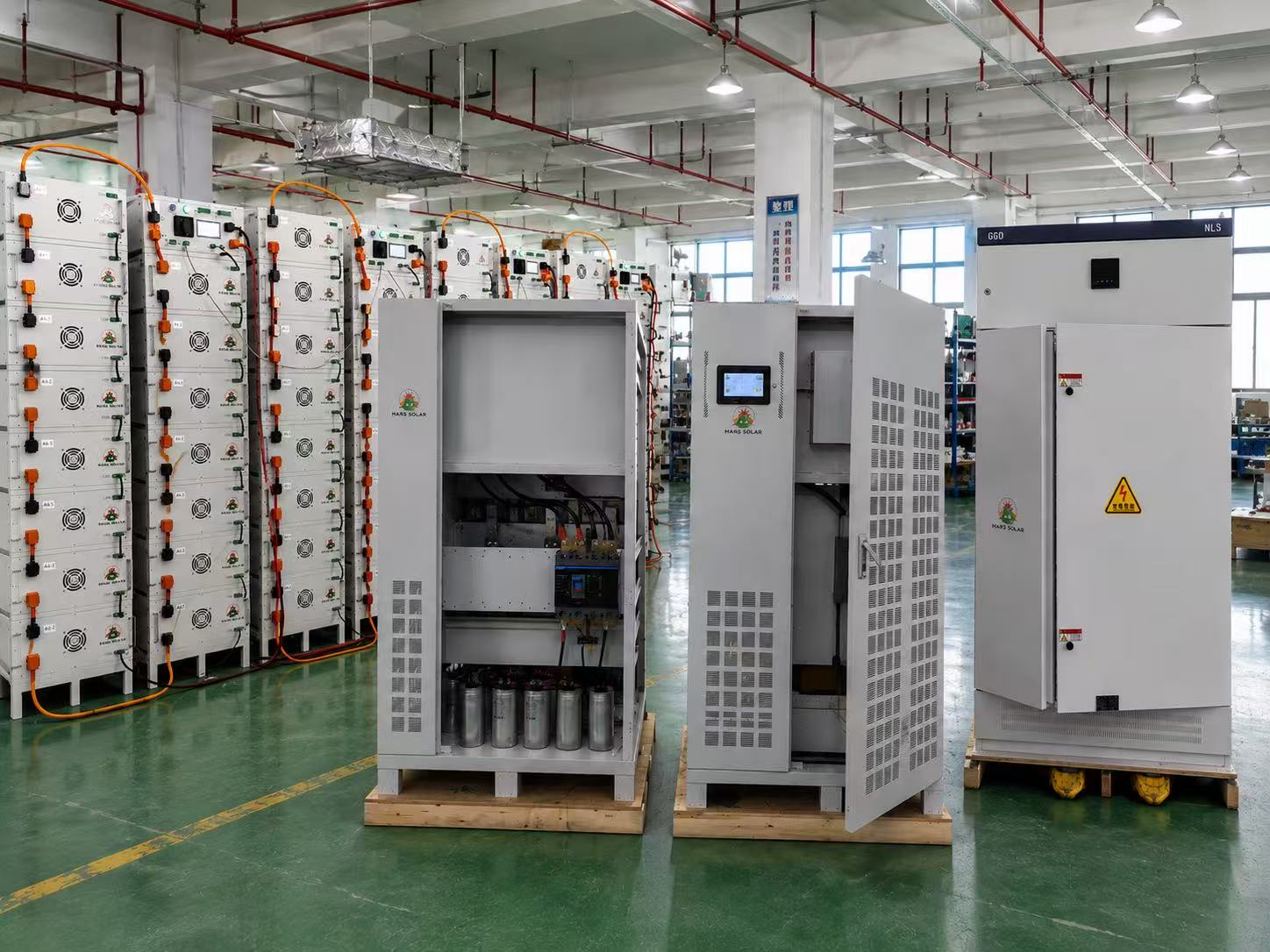
Below is the full system architecture deployed at the Malaysia site. Every component was specified, factory-tested, and shipped as an integrated package. The full Sun Energy Factory solar product range was used as the design baseline.
| 成分 | 规格 | 数量 |
|---|---|---|
| Solar PV modules | 650Wp monocrystalline bifacial, glass-glass, Tier-1 cells, 25-year linear power warranty | ~3,150 panels (2.0 MWp DC) |
| String inverters | 100kW three-phase, grid-tie, IP66 outdoor-rated, 6 MPPT, anti-islanding protection | 20 units (2.0 MW AC) |
| AC combiner & protection | 0.4kV AC distribution, surge protection, DC/AC breakers, protection relay | 1套 |
| Smart monitoring system | Generation & self-consumption tracking, iOS/Android apps, monthly WhatsApp & email reports, remote diagnostics | 1 system (cloud + on-premise gateway) |
| DC cabling & connectors | 1500V DC rated, IP67 MC4 connectors, UV-resistant, halogen-free | per design (~9,000 m roof) |
| Mounting structure | Hot-dip galvanized steel with epoxy anti-corrosion coating, 316 stainless fasteners, ballasted on metal-sheet roof, 25-year design life, wind-rated 60 m/s | ~9,000 m² rooftop |
| Surge protection & grounding | Type II DC SPD, Type II AC SPD, equipotential bonding per IEC 62548 | full system |
| Spare parts kit | 1% spare modules + 1 spare inverter, factory-direct replacement | included |
All solar modules use Tier-1 cells (LONGi/Jinko/Trina/JA equivalent). 25-year linear power warranty guarantees 84.8% output at year 25. Inverters carry a 10-year warranty, extendable to 20 years. Full factory pre-test and 72-hour continuous stability check before shipment. See the full Sun Energy Factory BESS product range for battery storage options.
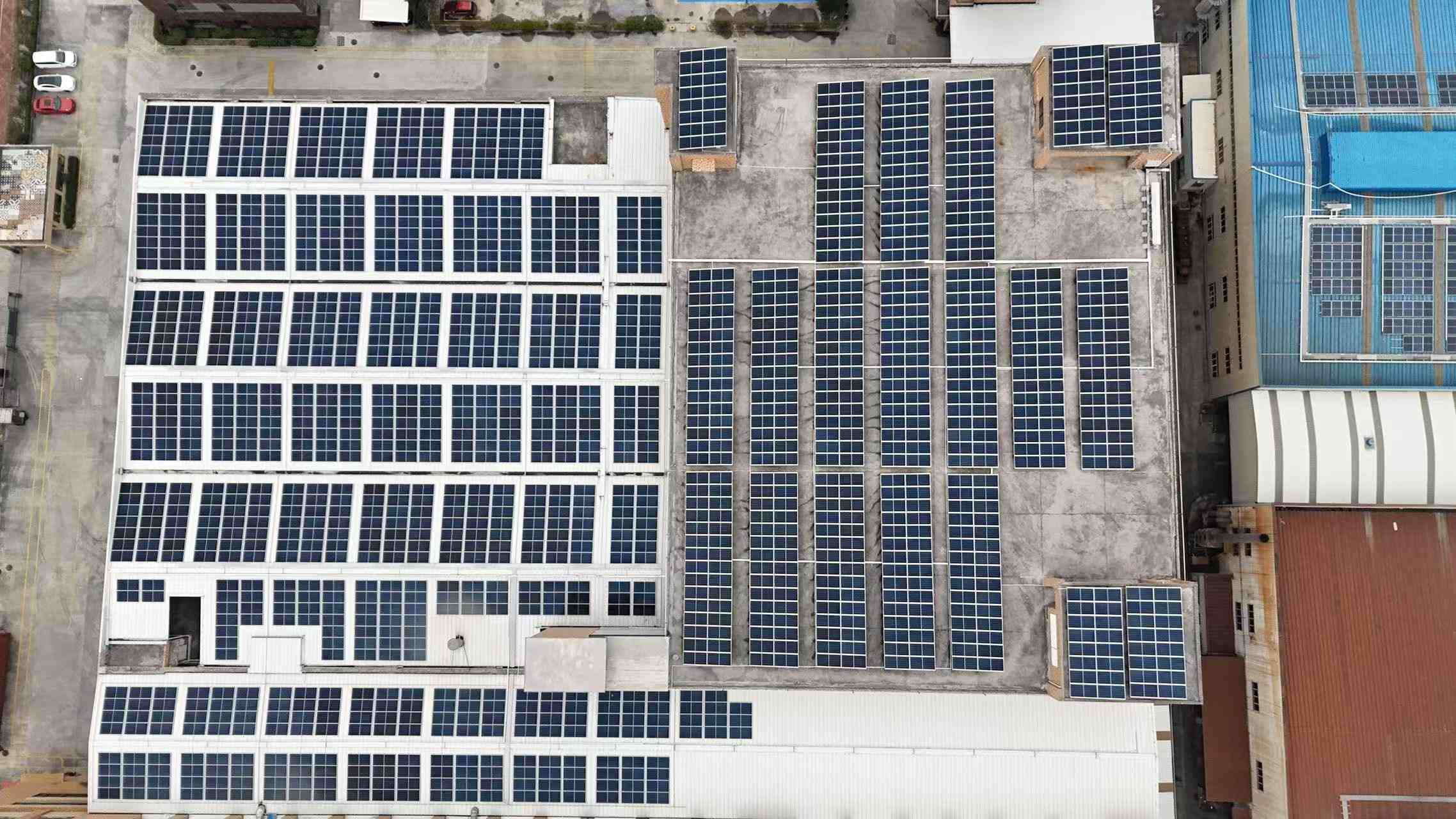
Marketing claims about solar savings in Malaysia often hide behind vague numbers. This project’s economics are calculated from the actual operating profile of the electroplating factory and the factory-direct capital outlay. Here is the full picture, line by line.
| 指标 | Before (Grid Only) | After (2MW Solar) |
|---|---|---|
| Monthly electricity consumption | >1.1 million kWh | >1.1 million kWh (unchanged) |
| Effective electricity rate | $0.12/kWh (RM 0.49/kWh) | $0.12/kWh (solar displaces self-consumed kWh) |
| Monthly electricity cost | ~$132,000 | ~$105,500 (residual grid) |
| Monthly solar offset | — | $26,500 per month |
| Annual solar savings | — | $318,000 per year |
| System investment | — | $295,000 (factory-direct, turnkey) |
| Simple payback period | never — ongoing cost forever | approximately 11 months |
| 25-year net benefit | — | $7.3M+ cumulative savings |
| CO2 offset per year | 0 tonnes | ~1,700 tonnes (vs grid baseline) |
The $0.12/kWh figure is the factory’s all-in effective rate. Malaysia’s industrial tariffs have continued to climb under the 2026 review cycle, and a self-consumed solar kWh avoids both energy charges and demand charges on the equivalent draw. The full 2026 policy context is in our Malaysia solar market section below.
Solar sizing is not guesswork. It is load arithmetic. Here is how the 2MW array was derived from the actual operating profile of a 24/7 electroplating factory in Malaysia.
Solar array: 2 MWp covers the daytime load envelope
Aggregate daytime load across plating rectifiers, anodizing tanks, and process ventilation peaks at approximately 2.5–3.0 MW. With 4.5–5.0 peak sun hours per day across most of peninsular Malaysia, a 2 MWp array generates roughly 7,500–8,200 kWh per day — enough to cover 70–80% of the daytime load at midday and an average of 20–22% of total daily consumption. A smaller array (1–1.5 MW) would leave the factory paying the grid for the heaviest daytime draw. A larger array (3–4 MW) would push more kWh into the export window, where Malaysia’s post-2026 framework credits exports at roughly RM0.19/kWh — far below retail.
Self-consumption ratio: ~95%, not 100%
We deliberately undersized relative to instantaneous peak. The factory’s average daytime draw sits below 2MWp peak output for most hours, but solar output drops during morning ramp and late afternoon. Those few hours produce a small export surplus. Net self-consumption across the year is approximately 95% — the highest possible ratio for a 24/7 industrial load in Malaysia’s tariff environment.
Why no battery storage in this build
A 2MW PV system with battery storage was evaluated and rejected. Under Malaysia’s post-2026 rooftop solar framework, BESS only delivers positive ROI when (a) peak-to-off-peak tariff spread exceeds RM0.15/kWh, and (b) the load profile has a long evening peak. This factory’s evening demand is materially lower than daytime, and the all-in effective rate already includes a flat industrial component. The system was specified hybrid-ready: the same inverters, mounting, and EMS can accept a future BESS add-on if tariff structure changes.
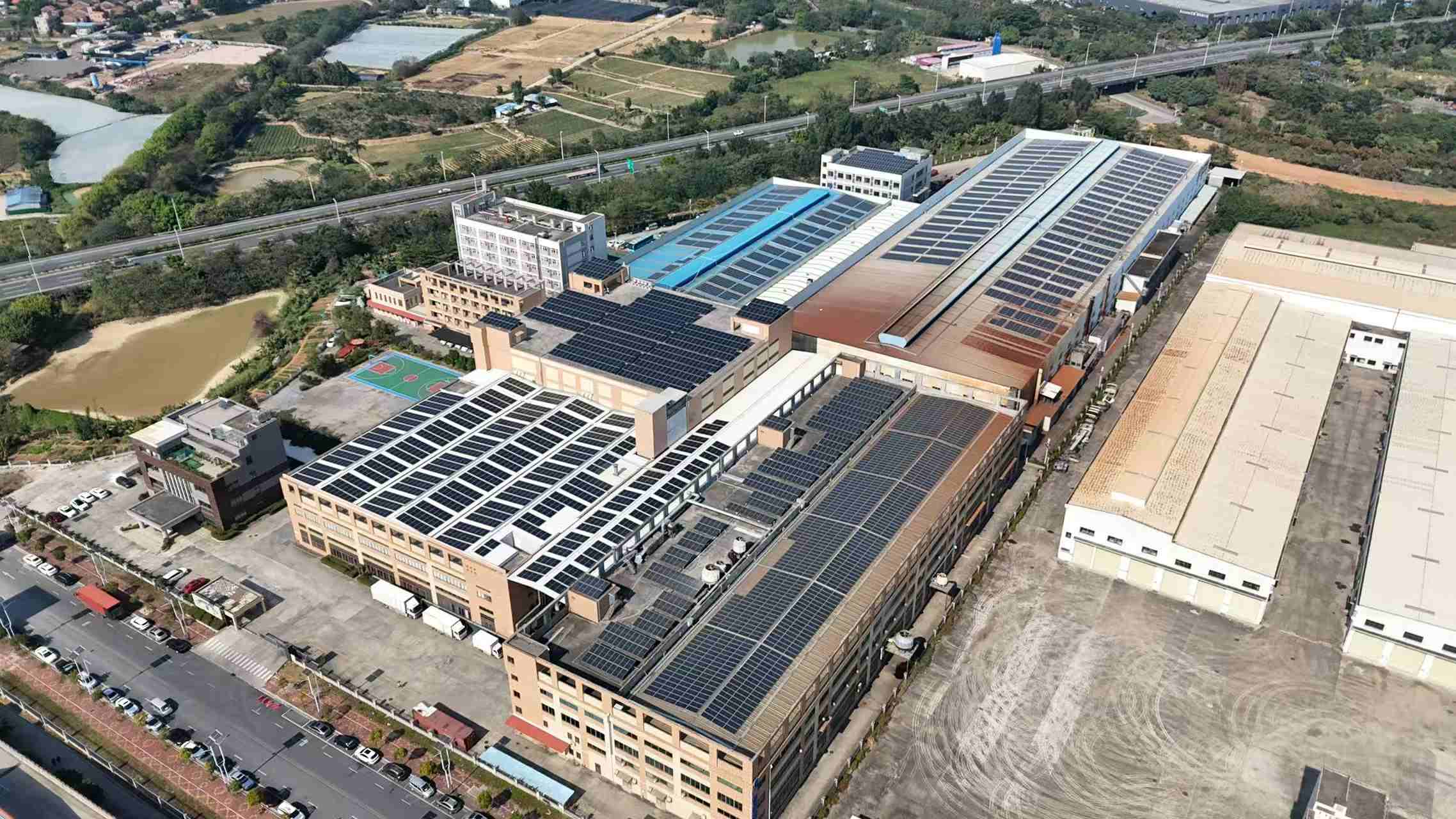
This project is not an isolated case. It is one of a growing number of factory-scale rooftop solar deployments in Malaysia, and it sits at the intersection of three converging forces: tariff structure, a redesigned solar policy framework, and falling hardware costs.
1. Industrial electricity tariffs in Malaysia continue to climb
The Energy Commission of Malaysia’s 2025–2027 regulatory period brought further upward revision of medium- and high-voltage commercial tariffs. For continuous-process factories — electroplating, food processing, semiconductor, cold chain — the all-in effective rate is now RM0.27–0.52/kWh (US$0.06–0.12/kWh). A 2MW solar system avoiding RM0.40/kWh of grid draw pays for itself many times over its 25-year service life.
2. NEM 3.0 closed in mid-2025; Solar ATAP and SELCO now apply
Malaysia’s NEM 3.0 net-billing programme stopped accepting new applications on 30 June 2025. Its successor, Solar ATAP (Solar Accelerated Transition Action Programme), took effect on 1 January 2026 and credits non-domestic exports at the average System Marginal Price — approximately RM0.19/kWh in early 2026. The parallel SELCO framework remains in force for self-consumption-only projects. For 24/7 industrial operators, the math is simple: a self-consumed kWh is worth 2–3 times an exported kWh.
3. Module and inverter costs have fallen 40–60% in three years
Factory-direct Tier-1 550Wp bifacial modules now land at under $0.10/Wp CIF Port Klang, down from $0.16–0.18/Wp in 2022. 110kW three-phase string inverters have fallen to roughly $0.025–0.03/Wp. The combined hardware cost of a 2MW Malaysian rooftop system has crossed the threshold where the factory-direct investment is recovered in under 12 months — a payback profile that was impossible three years ago.
For a broader comparison of how Malaysia compares to Nigeria, Sudan, and other emerging solar markets, see our about page and the field comparison section below.
A 2MW solar array is dumb iron without an intelligent control layer. The smart monitoring and dispatch system is what makes a 95% self-consumption ratio possible. It is also the engineering asset that determines whether the operator gets 11-month payback or 18-month payback.
Real-time generation and self-consumption tracking
Every inverter streams generation, voltage, and current to the on-premise gateway. The gateway publishes live data to the iOS/Android app and the cloud dashboard. The factory’s operations director sees the system’s real-time self-consumption ratio — the live difference between solar output and grid draw — on his phone at any moment. This visibility is what enables the operational tuning that maximizes solar offset.
Solar forecasting and load shifting
The monitoring system integrates a 24-hour solar irradiance forecast. On a forecast sunny day, the operations team pre-stages high-draw activities (additional plating batches, anodizing cycles) to align with peak solar output. On a forecast cloudy day, those activities shift to off-peak or grid-friendly windows. This is a manual dispatch pattern, but the data that drives it is fully automated.
Grid synchronization, anti-islanding, and remote diagnostics
Each inverter meets Malaysia’s TNB/SEDA interconnection requirements: anti-islanding disconnection within 2 seconds of grid loss, voltage and frequency protection per the Distribution Code, and remote firmware updates. The platform flags any string underperforming by more than 5% against the rest of the array — an early warning of soiling, shading, or module degradation specific to a plating-rooftop environment.
For a comparison of self-consumption vs export strategies under different Malaysia tariff structures, see our SELCO and Solar ATAP analysis above.
A 2MW solar system in Malaysia is not a plug-and-play product. It is an infrastructure project. The installation and commissioning sequence takes 5–6 weeks from equipment arrival on site to full grid-synchronized operation. Here is how this project’s deployment unfolded.
Phase 1: Site survey, structural assessment, and civil works (1–2 weeks)
Roof structural assessment verified the metal-sheet roof could carry the 2MW array load (~0.15 kN/m²). Hot-dip galvanized mounting base plates were pre-positioned, and ballast blocks (where penetration was rejected by the factory) were distributed per the wind-uplift calculation. Roof penetrations were minimized to preserve waterproofing integrity.
Phase 2: Mounting structure installation (1 week)
Hot-dip galvanized rails and clamps were erected across the ~9,000 m² rooftop. Epoxy anti-corrosion coating was applied to all cut edges and threaded fasteners. 316 stainless fasteners secured every critical joint. The local installation team handled mechanical work; the 2 Mars Solar senior engineers supervised tolerances and fastener torque.
Phase 3: Module installation and DC stringing (1.5–2 weeks)
Approximately 3,650 × 550Wp bifacial modules were installed row by row, with care taken to position the array away from acid-mist exhaust stacks and the prevailing downwind path. DC stringing, MC4 termination, and string-level testing followed. Local teams performed mechanical placement; Mars Solar engineers performed electrical termination and string commissioning.
Phase 4: Inverter installation, AC commissioning, and grid synchronization (1 week)
18 × 110kW string inverters were mounted on the rooftop service platform. AC combiner panel installation, protection relay settings per TNB requirements, and grid synchronization testing closed the project. The full 2MW system was commissioned in 35 days with zero interruption to the production lines.
For a smaller-scale BESS deployment timeline, see our Sudan 100kW + 215kWh wastewater project (7-day commissioning).
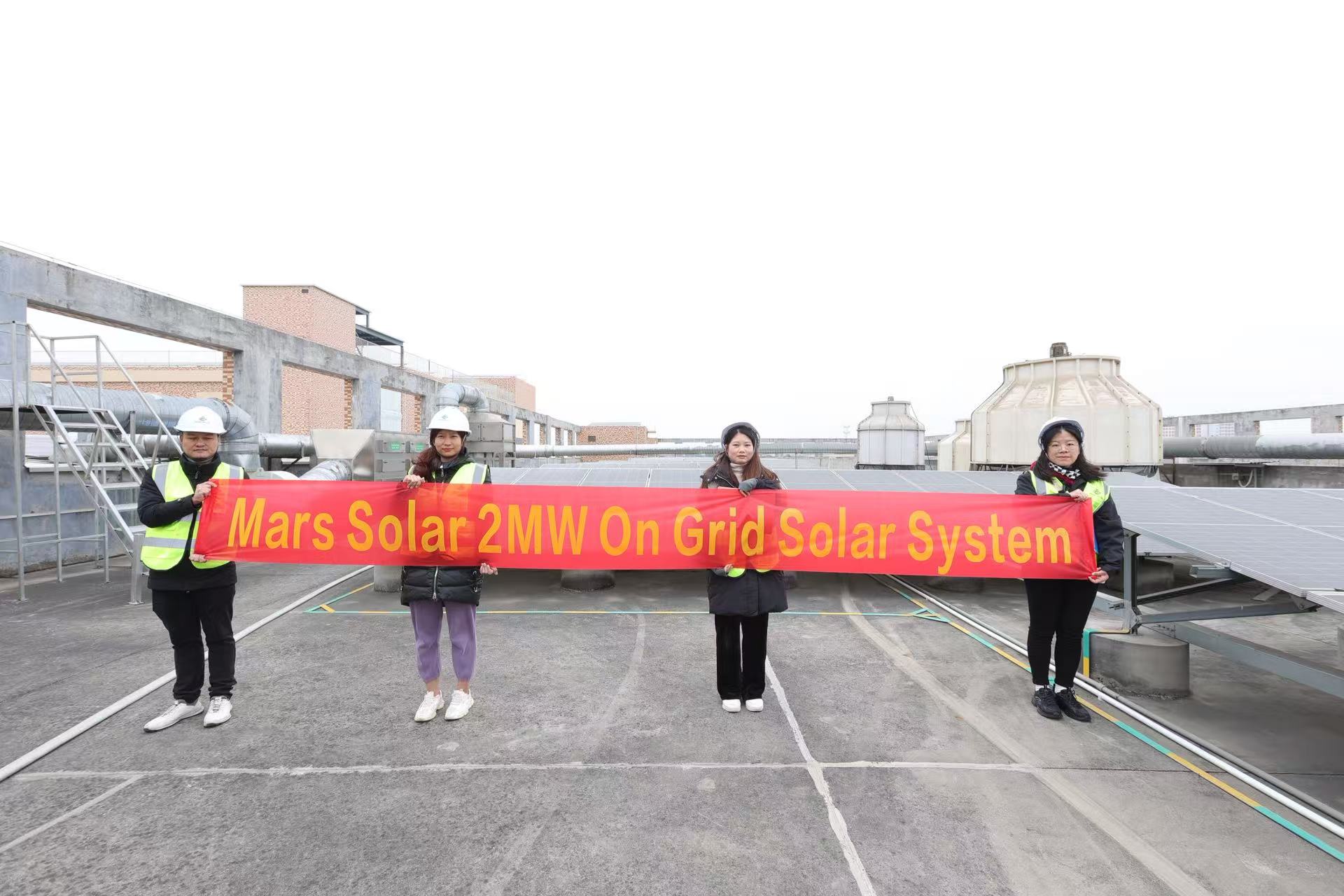
One case study is an anecdote. Several case studies are evidence. Here is how this 2MW Malaysia electroplating project compares to other Sun Energy Factory and Mars Solar projects, with field data rather than projections.
| 项目 | 地点 | Size | 应用 | 结果 |
|---|---|---|---|---|
| 2MW Solar (this project) | Malaysia | 2.0 MW | Electroplating factory, three-shift | $26,500/month savings, 11-month payback |
| 100kW + 215kWh BESS | Sudan | 100 kW / 215 kWh | Wastewater treatment plant | $7,000/month savings, 12-month payback |
| Hotel Off-Grid Solar | (remote hotel) | 100 kW+ off-grid | Hotel, off-grid, full solar + BESS | 24/7 power, no diesel |
| Energy Storage Cabinet | commercial | 215 kWh cabinet | Peak shaving, commercial C&I | Demand-charge reduction, fast ROI |
| High Frequency Off-Grid | (remote site) | 100 kW+ HF off-grid | Telecom / remote load | Reliable off-grid power, low maintenance |
The pattern across all five deployments: factory-direct equipment pricing, site-specific engineering, and 24/7 operational reliability. The Malaysia 2MW project sits at the top of this portfolio by annual savings — and by payback speed — thanks to the combination of equatorial solar yield, high self-consumption, and the factory-direct pricing model.
The 2MW Malaysia system uses Tier-1 550Wp bifacial glass-glass modules and a purpose-engineered hot-dip galvanized mounting structure. The reason is not marketing. It is engineering.
Glass-glass bifacial modules vs standard glass-backsheet
Standard glass-backsheet modules degrade in high-humidity, chemical-laden environments. The encapsulant and backsheet absorb moisture, and the cell-to-back-sheet interface corrodes. Glass-glass bifacial modules encapsulate the cells between two tempered glass layers — the same construction used in marine and high-humidity installations. The 25-year linear power warranty (84.8% output at year 25) is only credible with glass-glass construction. In a Malaysia electroplating environment, glass-glass is the only correct choice.
Hot-dip galvanized + epoxy mounting vs standard anodized aluminium
Acid mist from plating tanks would pit and perforate standard anodized aluminium mounting structures within 5–7 years. The Malaysia project uses hot-dip galvanized steel (minimum 85µm zinc coating) with an additional epoxy anti-corrosion coating on all cut edges and threaded fasteners. 316 stainless steel fasteners secure every critical joint. The result: a 25-year mounting-structure design life in a C4/C5 corrosive environment.
Array placement relative to exhaust stacks
The most important engineering decision is spatial. The array layout positions modules away from acid-mist exhaust stacks, scrubber outlets, and the prevailing downwind path. A 5–10 meter setback from each exhaust point reduces chemical deposition on the modules by an order of magnitude. The monitoring system logs string-level performance, so any soiling or degradation caused by the plating environment is detected early through remote diagnostics.
Most solar ROI calculations stop at the payback period. That misses the real story. A 2MW solar system in Malaysia is not an 11-month investment. It is a 25-year asset. Here is what the lifetime economics actually look like.
Year 1: payback window
At $26,500 per month saved, the system recovers its full $295,000 capex in approximately 11 months. This includes factory-direct equipment cost, CIF Port Klang shipping, Malaysian import duty, installation, and grid synchronization. By the end of year 1, the asset is owned outright by the operator and every kWh it produces is pure margin.
Years 2–10: pure savings + module performance guarantee
The system continues to deliver $26,500–$30,000 per month as Malaysia’s industrial tariffs continue to climb. Cumulative savings by year 10 reach the mid-eight figures in USD. Solar modules under 25-year linear power warranty lose approximately 0.55% output per year — by year 10, the array still produces ~94% of nameplate capacity. No major component replacement expected.
Years 11–20: continued savings, inverter mid-life
Inverters have a 10-year warranty, extendable to 20. At year 15, the operator can choose to replace the 18 string inverters (factory-direct replacement cost ~$0.025/W) or extend their service life via firmware updates. Either way, the system continues to deliver five-figure monthly savings. By year 20, cumulative savings exceed $7 million.
Years 21–25: free power, minimal operating cost
By year 20, the system has paid back the entire original investment many times over. The remaining 5 years are pure margin. The solar array still produces 87–88% of nameplate capacity. Cumulative 25-year net savings: $7.3M+ at today’s tariff, with material upside as Malaysia’s industrial electricity rates continue to climb.
For a comparison of solar ROI vs BESS-augmented solar ROI, see our energy storage cabinet case study.
What is the cost of a 2MW solar system for an electroplating factory in Malaysia?
Factory-direct turnkey cost for this 2MW electroplating project was $295,000. The figure varies with module brand (LONGi vs Jinko vs Trina vs JA), inverter specification, roof structural requirements, and the level of corrosion-engineering the rooftop environment demands. Malaysian import duty and SST apply at standard rates. Request a Malaysia-specific quotation.
How much electricity bill can a 2MW solar system save per month in Malaysia?
In this project: $26,500 per month, calculated from the actual operating profile of the factory (more than 1.1 million kWh/month, $0.12/kWh effective rate, 95% self-consumption). Annual savings: $318,000. The savings come from displacing grid electricity during the heavy daytime rectifier load, when solar output is at peak.
What is the payback period for a 2MW solar system in Malaysia?
Approximately 11 months at the current $0.12/kWh effective rate and the factory’s 24/7 three-shift operation profile. Faster payback is achievable with higher future tariff increases, which is the likely direction under Malaysia’s continuing 2025–2027 tariff review cycle.
Is a 2MW solar system suitable for an electroplating factory’s corrosive environment?
Yes, with the right engineering. The Malaysia project uses glass-glass bifacial modules (hermetically sealed against humidity and chemical-laden air), hot-dip galvanized + epoxy-coated mounting structure, 316 stainless fasteners, and an array layout positioned away from acid-mist exhaust stacks. The system is engineered for 25-year service life in a C4/C5 corrosion class environment.
How long does a 2MW solar system take to install in Malaysia?
Approximately 5–6 weeks from equipment arrival to full grid-synchronized operation, including site survey, mounting structure installation, module installation and DC stringing, inverter installation, AC commissioning, and TNB/SEDA grid synchronization. The Malaysia project was completed in 35 days with 2 Mars Solar senior engineers and a local installation team.
Can a 2MW solar system be expanded or combined with battery storage later?
Yes. The 110kW string inverters support parallel expansion, and the mounting structure is designed for additional rooftop sections. A Mars Solar battery energy storage system (BESS) can be integrated later for peak shaving, time-of-use arbitrage, or backup power for critical plating lines — sharing the same monitoring platform already commissioned in this project.
Send us your load profile — monthly consumption, daytime peak demand, current electricity rate, and any on-site process details. Our engineering team will design a 2MW (or right-sized) solar system for your electroplating factory, provide a factory-direct CIF Port Klang quotation, and confirm delivery timeline. Response time: 24 hours. Request your free system design and quote.
If you are a Malaysian EPC contractor, distributor, or project developer looking to deploy factory-direct 2MW solar systems for your clients, we support OEM/ODM arrangements, provide marketing materials, technical data sheets, and connect you with our certified installation partners. Start a distributor conversation.
Before you commit, read the related articles below. They cover our other case studies in Malaysia, Sudan, and other emerging solar markets, plus a deeper dive into the technology and engineering choices on this project.
Continue your research on 2MW solar systems in Malaysia and our broader factory-direct solar and BESS portfolio:
 English English
  Chinese
 Arabic
 German
 Spanish
 French
 Italian
 Japanese
 Korean
 Dutch
Dutch
 Portuguese