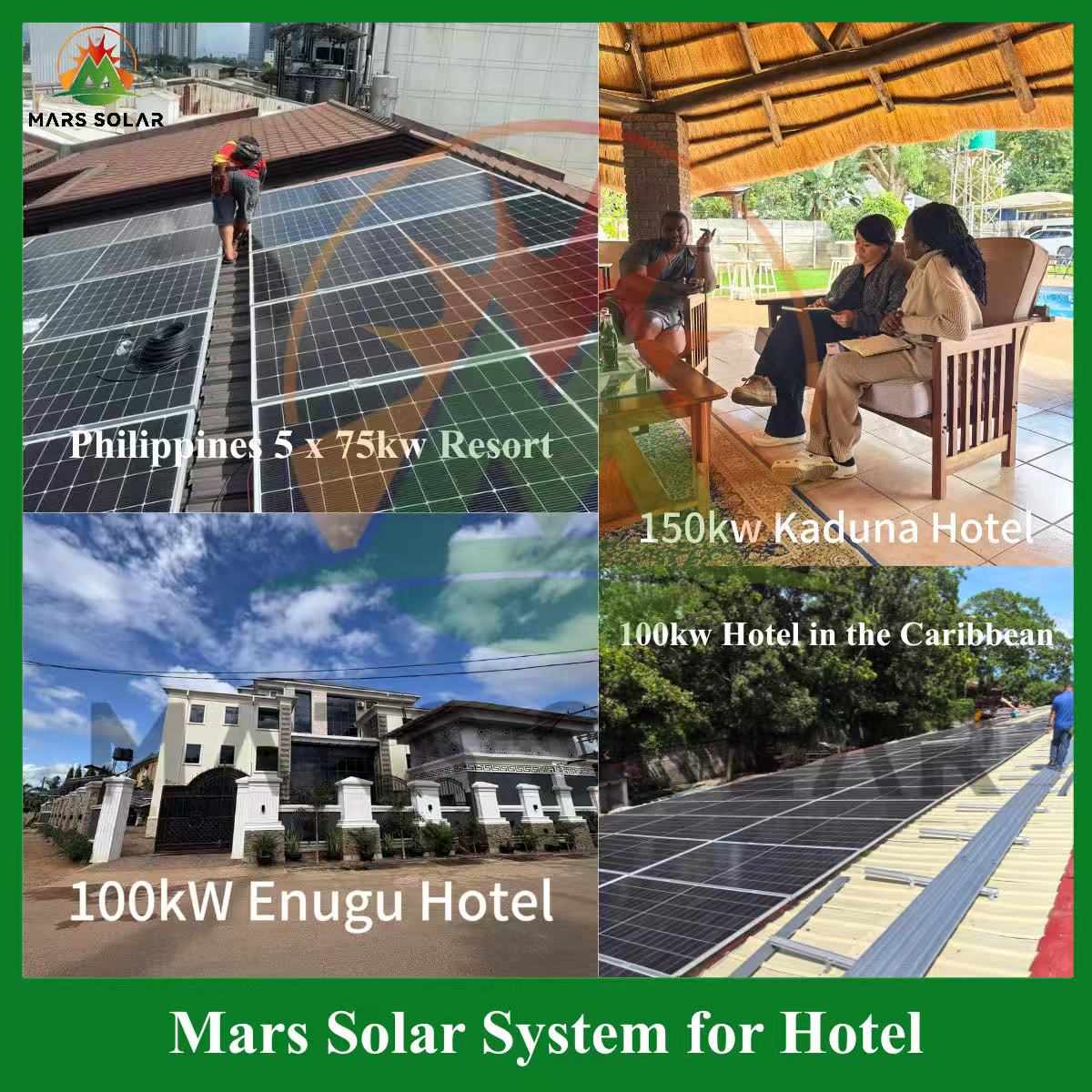


Sistema de energia solar para hotéis
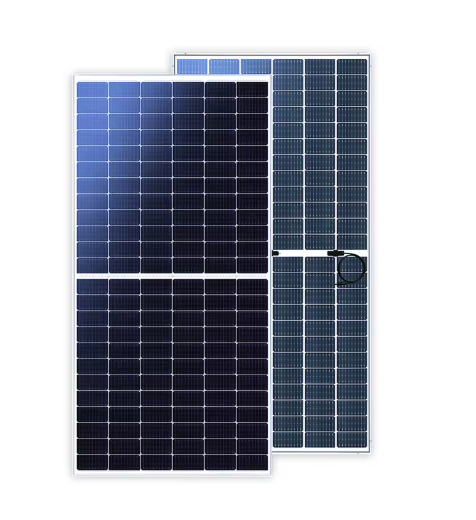
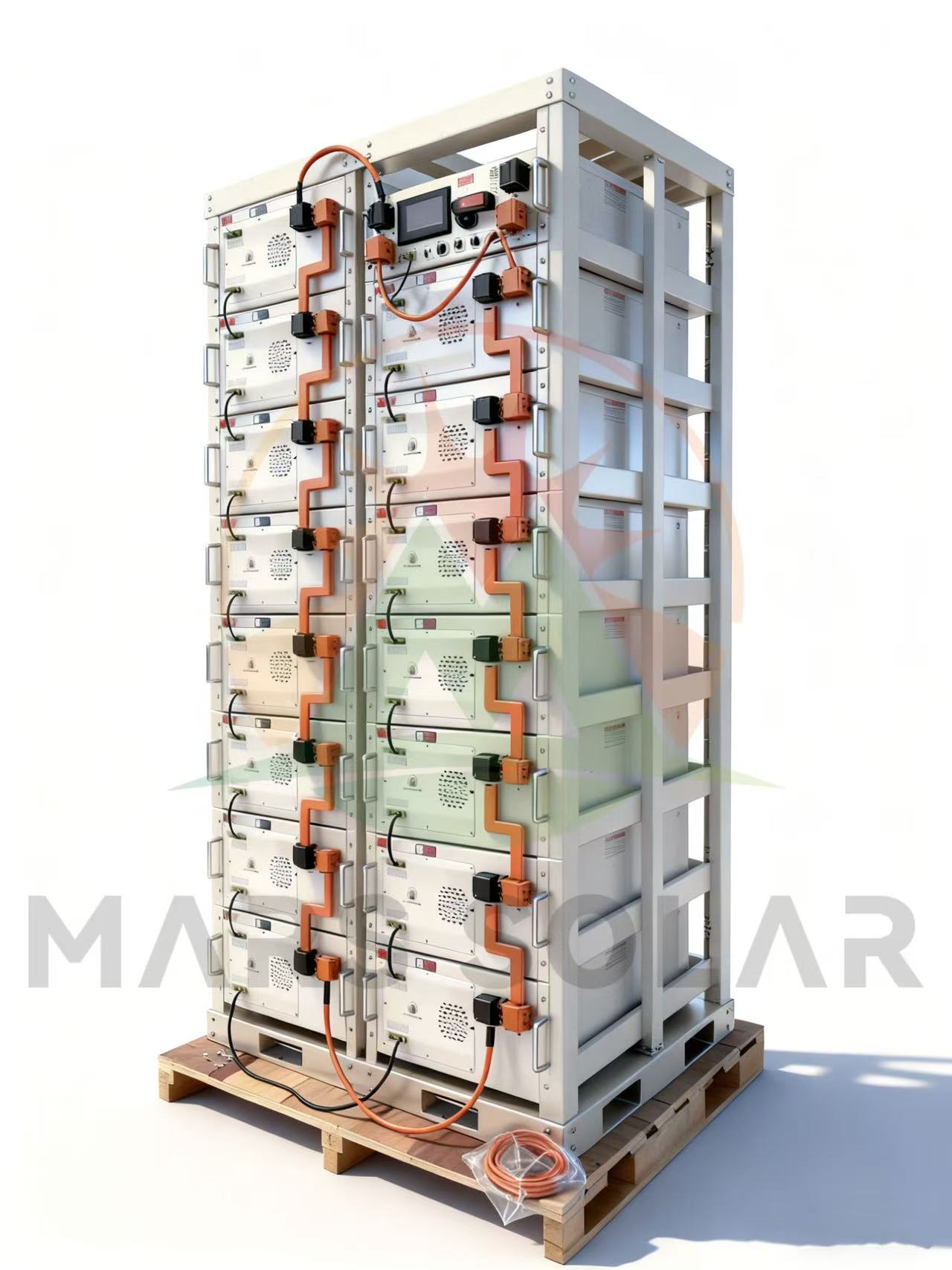
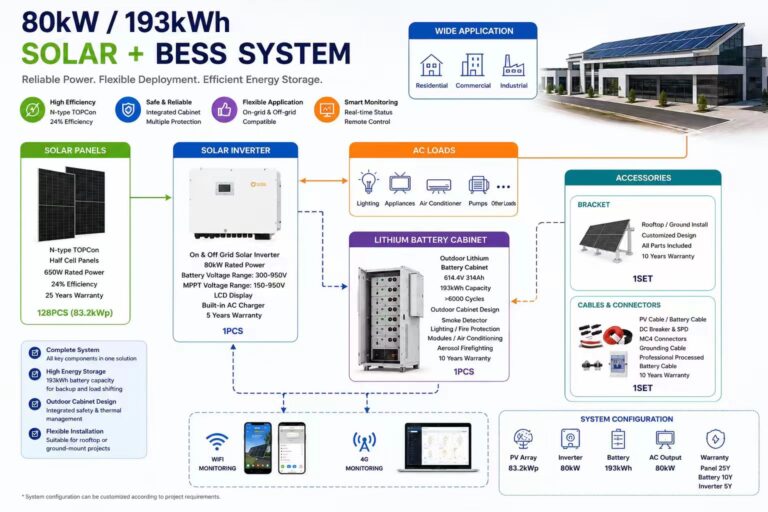
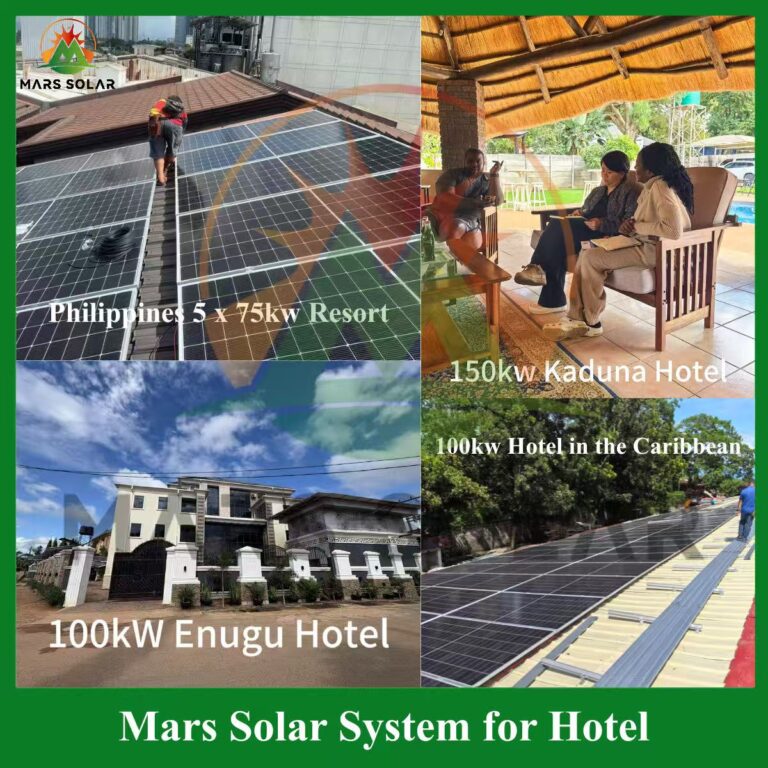
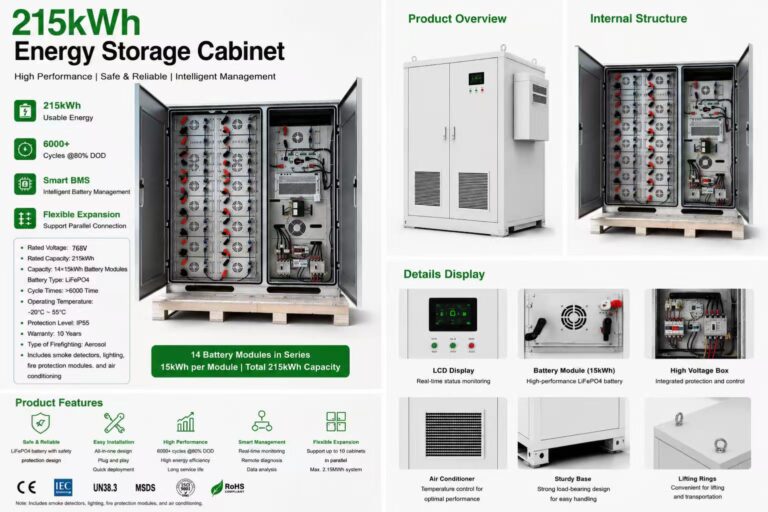
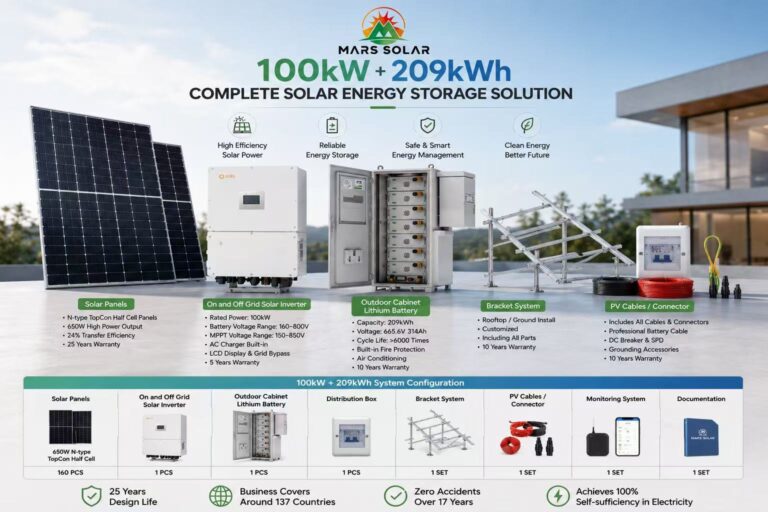
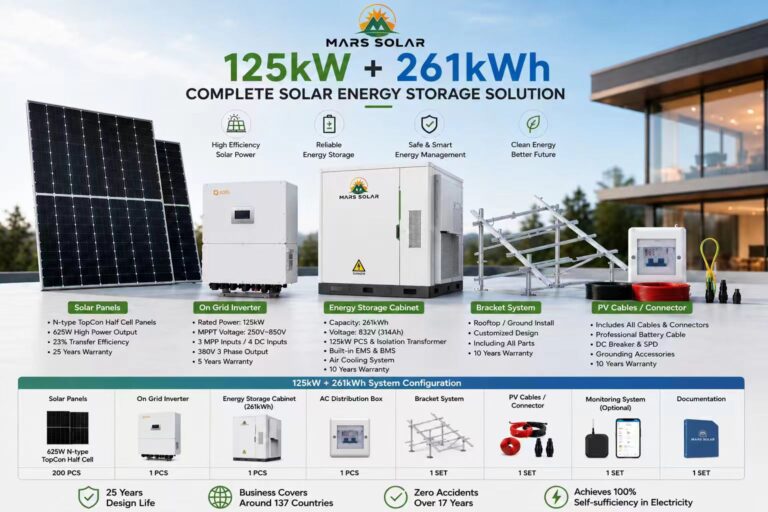
Um completo sistema de energia solar para hotéis includes: high-efficiency solar panels, sturdy corrosion-resistant solar mounting brackets, long-cycle solar batteries supporting over 6,000 charge-discharge cycles at 80% DoD, a solar inverter integrated with MPPT controller (conversion efficiency ≥95%), high-temperature resistant solar cables and waterproof MC4 connectors. A solar power system for hotel also covers the mounting, protection and monitoring hardware needed to run guest rooms, laundry and air-conditioning without interruption.
Nosso popular sistema de energia solar para hotéis está disponível de 100 kW a 600 kW, suportando saídas de energia monofásicas e trifásicas para atender aos padrões elétricos de hotéis. Abrange uma ampla faixa de tensão: CC 110 V/220 V/380 V a CA 110 V~480 V, tornando-o ideal para hotéis de médio a grande porte, resorts e complexos hoteleiros.
Especificações do produto
CA: 110V~480V
Compartilhar como:
Apresentação em vídeo
Notas de aplicação para sistemas monofásicos e trifásicos
- Alimentação monofásica (110V/220V) É utilizado principalmente para iluminação de hotéis, pequenos eletrodomésticos, condicionadores de ar de quarto e cargas diárias de baixa potência.
- >Energia trifásica (380V/480V) É projetado para equipamentos de alta potência, como ar condicionado central, aquecedores de água, elevadores, máquinas de cozinha e sistemas de energia de reserva, garantindo um fornecimento de energia estável e equilibrado para o funcionamento contínuo do hotel.
O sistema é totalmente personalizável para atender à demanda energética real do seu hotel, incluindo capacidade de energia, seleção de voltagem, configuração monofásica/trifásica e layout de instalação.
Vantagens
Parâmetros
Quantidade mínima de encomenda: 1 conjunto. Aceitamos encomendas OEM e ODM.
Certificados: TUV, ETL, ISO, CE, RoHS
Pagamento: T/T, L/C, PayPal, Western Union
Lista de equipamentos do sistema

Why a Solar Power System for Hotel Pays Back Fastest
UM sistema de energia solar para hotéis has the most favourable load profile in commercial solar: air-conditioning peaks during the day when PV output is highest, and occupancy is stable year-round. That alignment means a high self-consumption rate with little export to the grid, which is what makes payback short.
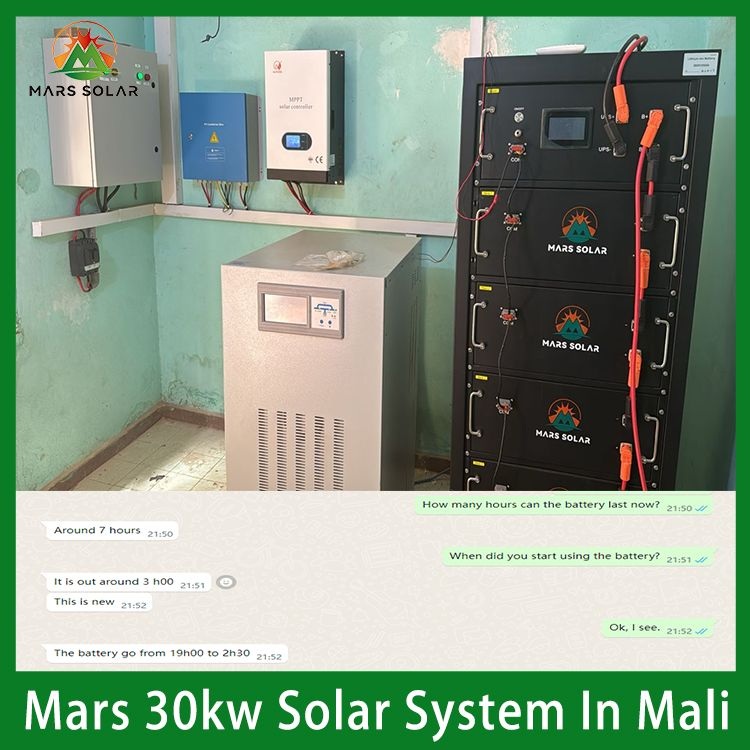
UM sistema de energia solar para hotéis also protects revenue. Guests do not tolerate a power cut during the night, so the storage component converts a supply failure into something the guest never notices. Our 60kW resort storage case is a close analogue.
Sizing a Solar Power System for Hotel
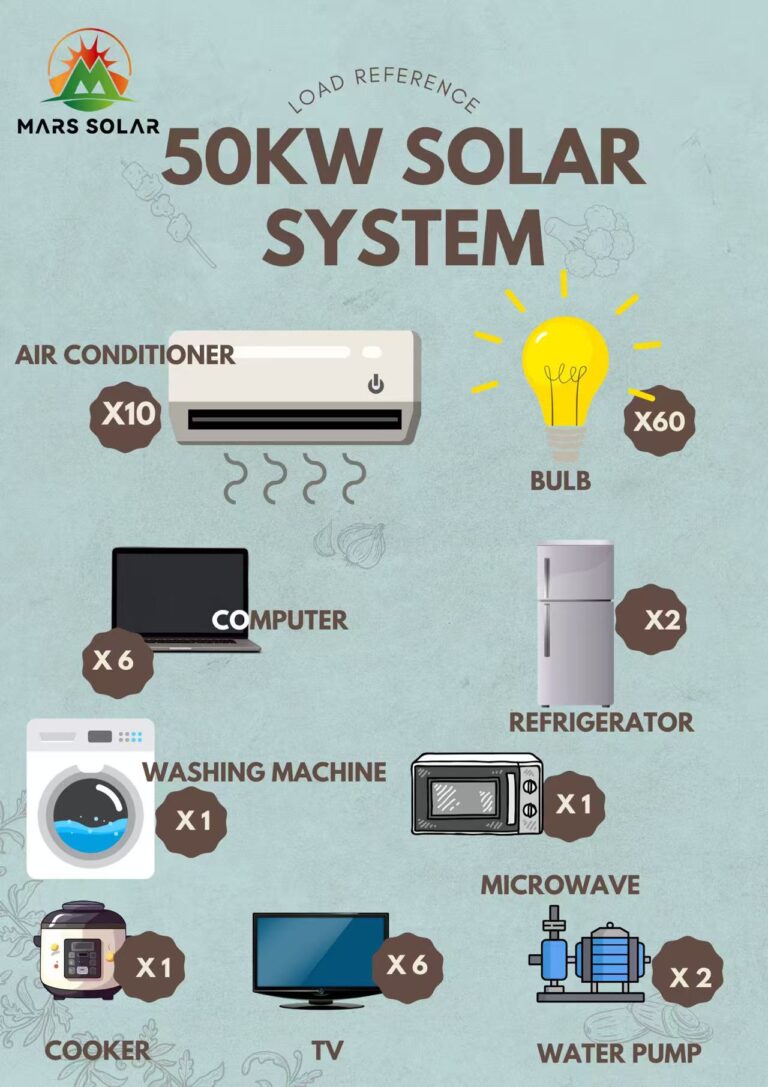
Determinamos o tamanho de um sistema de energia solar para hotéis from room count, air-conditioning load and occupancy pattern. A 60-room hotel with split-unit air-conditioning and a laundry typically consumes 700 to 1,100kWh a day, requiring 120 to 150kWp of PV plus storage for the evening and night block.
Water heating and laundry are the two loads that most often get underestimated. We separate them out at design stage so the inverter is not overloaded on a busy morning - the same method used on the Sistema híbrido de 100 kW.
Todos os sistema de energia solar para hotéis we quote starts from measured load, so the payback figure you receive is one you can check against your own bills.
What a Solar Power System for Hotel Includes
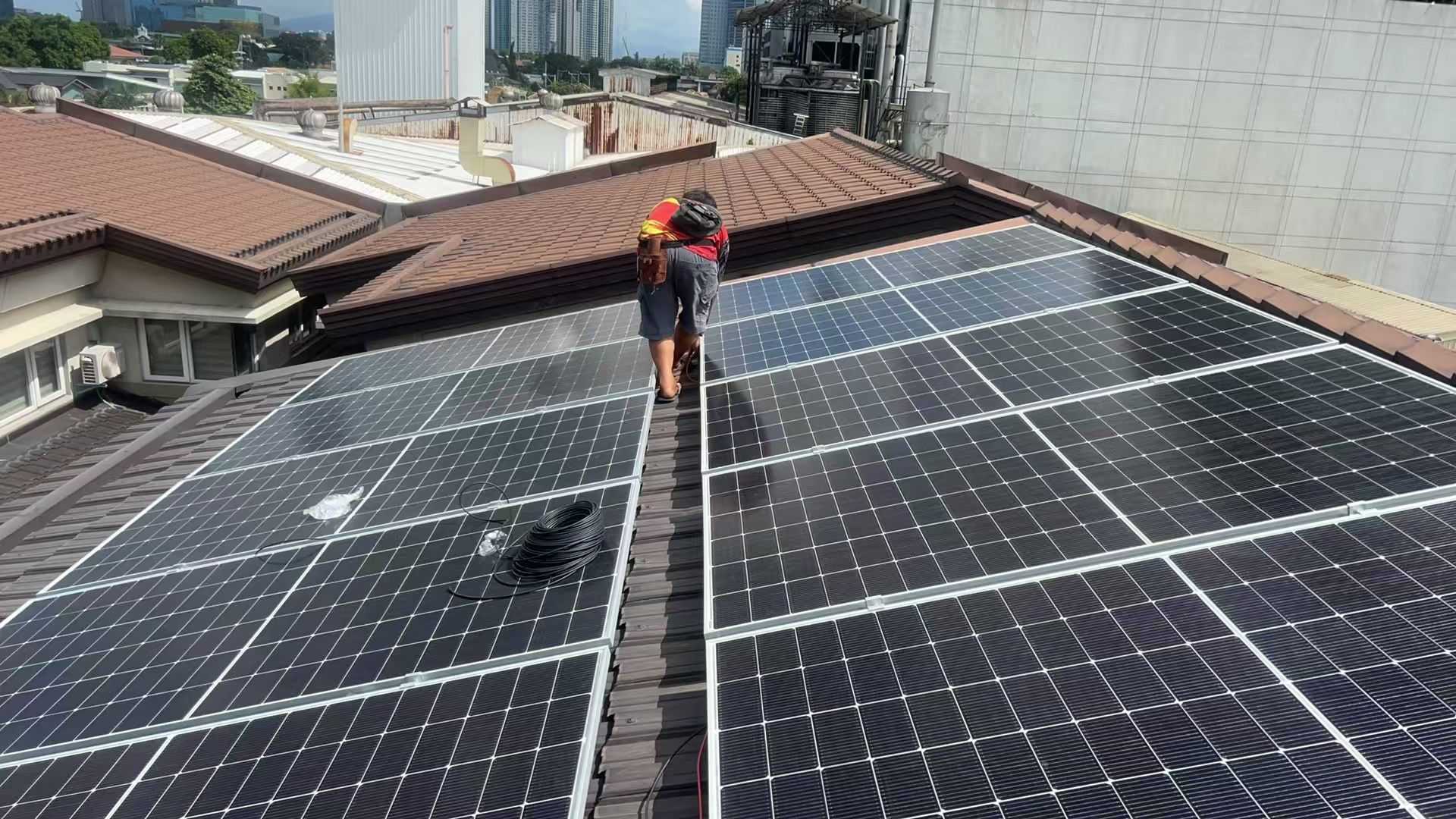
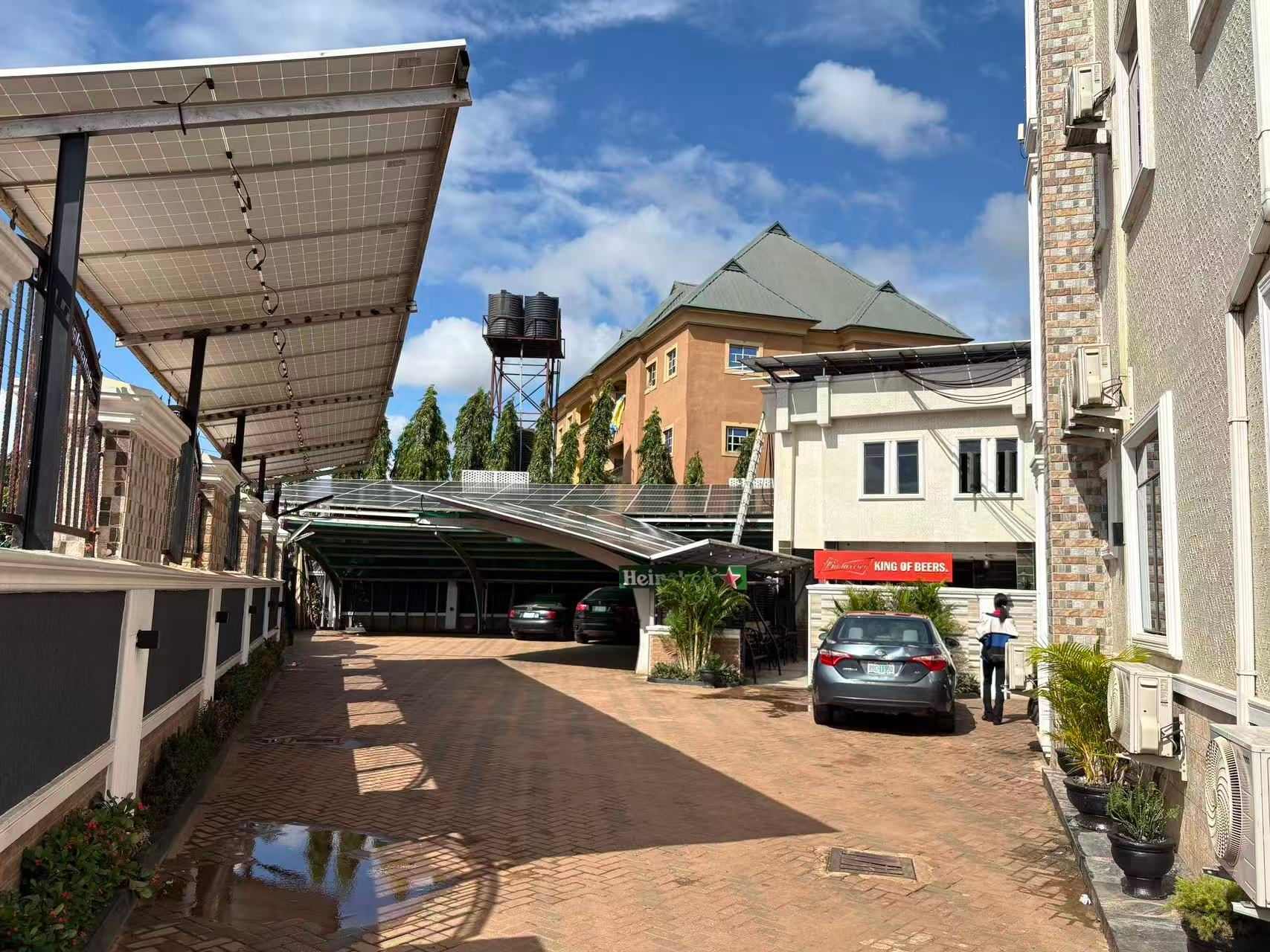
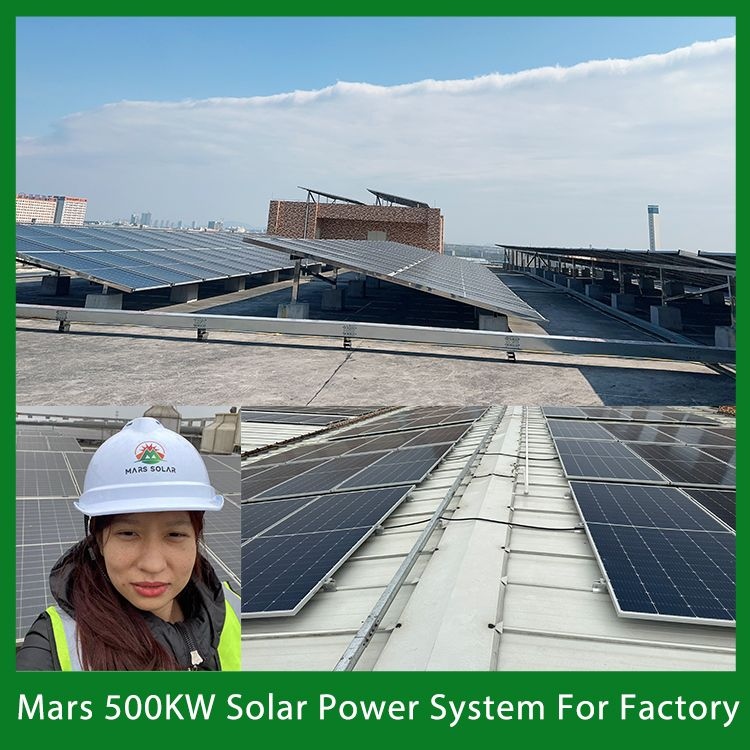
Um completo sistema de energia solar para hotéis from Mars Solar includes PV modules, roof or ground mounting, hybrid inverters, LiFePO4 storage, protection and a monitoring gateway. Panels can be mounted on a flat roof with ballast or on a pitched roof with rail fixings.
Because hotel roofs are often architecturally sensitive, we supply low-profile mounting. Storage sits in a plant room using our bateria de armazenamento de energia montada em rack.
That measurement-first approach is what a sistema de energia solar para hotéis needs before any equipment is discussed.
Buying a Solar Power System for Hotel from the Factory
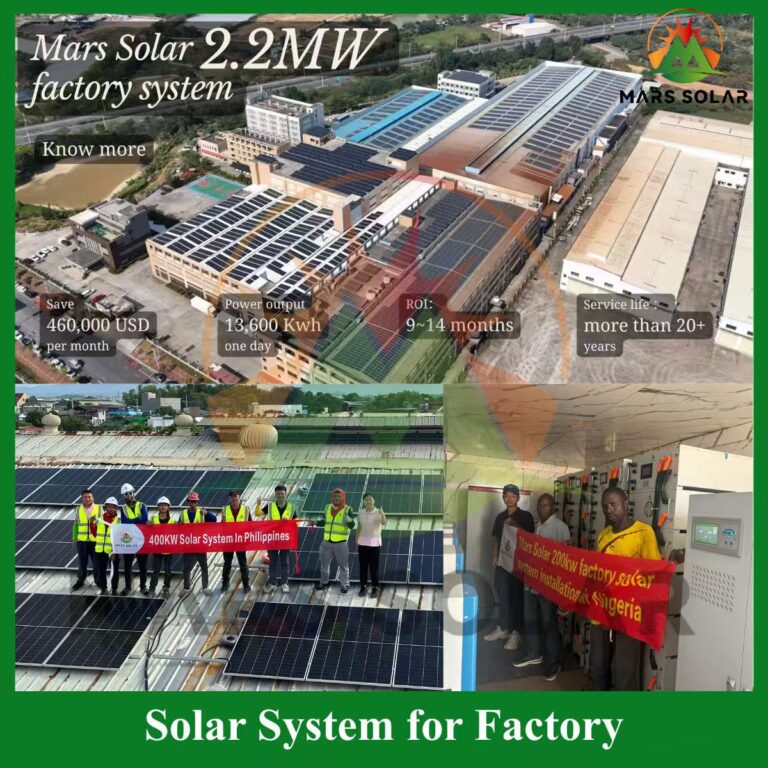
Mars Solar supplies hotels directly from our factory with no distributor margin. A sistema de energia solar para hotéis is delivered as a matched kit with CE, RoHS, TUV and ISO certification, a 10-year battery warranty and 5-year inverter warranty.
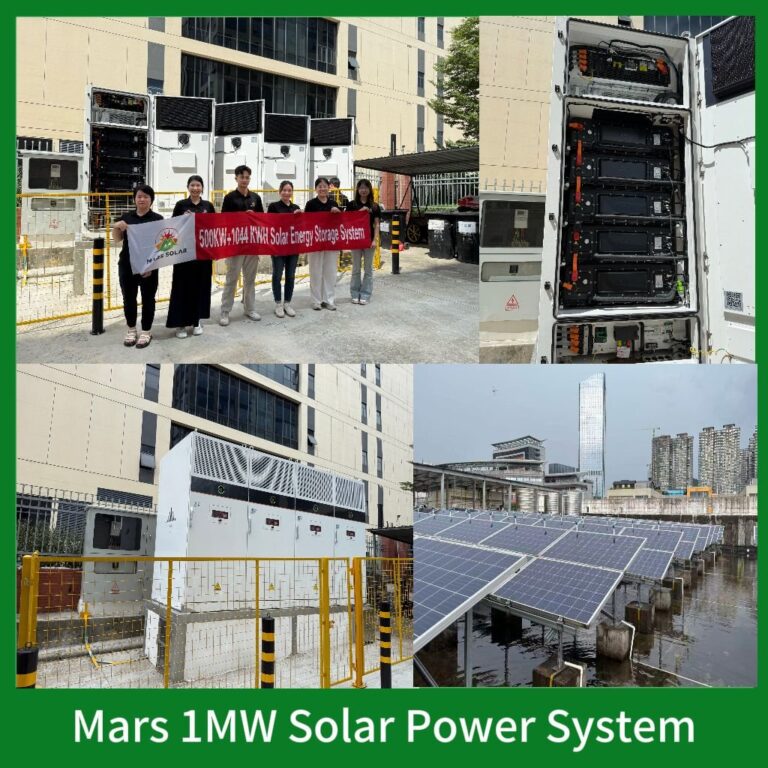
Estimate the investment with our guia de custos de armazenamento, and see how a comparable site performs in our 250kW supermarket storage case.
Energy is one of the largest controllable costs in hospitality. The U.S. Department of Energy's Gabinete de Tecnologias de Energia Solar documents the commercial case for on-site generation, which is what a solar power system for hotel is built on.
Perguntas frequentes
What is included in a solar power system for hotel?
Mars Solar supplies hotels directly from our factory with no distributor margin. A solar power system for hotel is delivered as a matched kit with CE, RoHS, TUV and ISO certification, a 10-year battery warranty and 5-year inverter warranty.
What should buyers check before ordering a solar power system for hotel?
A complete solar power system for hotel includes: high-efficiency solar panels, sturdy corrosion-resistant solar mounting brackets, long-cycle solar batteries supporting over 6,000 charge-discharge cycles at 80% DoD, a solar inverter integrated with MPPT controller (conversion efficiency ≥95%), high-temperature resistant solar cables and waterproof MC4 connectors.
A Day on Site: Hotel Load and System Operation
Worked example for sizing discussion, not a project measurement. A 60-room hotel with split-unit air conditioning and a laundry, drawing about 915 kWh a day, served by 130 kWp of PV — tropical yield taken as 4.5 kWh per kWp per day, about 585 kWh a day — and a battery sized on the guest-room night load.
| Time | Main loads | Average kW | kWh in block | Supply and battery |
|---|---|---|---|---|
| 00:00–06:00 | Guest-room AC, corridor and emergency lighting, hot-water holding | 20 | 120 | Battery, then grid — guest rooms never lose power |
| 06:00–09:00 | Water heating, breakfast kitchen, AC ramp-up | 40 | 120 | Battery plus PV; discharging stops as PV takes over |
| 09:00–12:00 | Housekeeping, laundry, kitchen prep, common-area AC | 45 | 135 | PV direct; surplus charges the battery |
| 12:00–16:00 | Full AC peak, laundry, kitchen service | 55 | 220 | PV direct; surplus charges the battery |
| 16:00–20:00 | Check-in peak, dinner service, pool pump | 50 | 200 | PV falls away and the battery covers the gap |
| 20:00–24:00 | Guest-room AC, restaurant close-down, lighting | 30 | 120 | Battery to its floor, grid covers the rest |
Reading the day: about 495 kWh of the 915 kWh is consumed at the moment it is generated, roughly 90 kWh is shifted through the battery into the evening, and the remaining 330 kWh is still bought from the grid. That split — not the panel rating — is what decides the bill.
kW, kWh and What the Battery Actually Covers
kW is power; kWh is energy. kW is the rate you draw at any instant. It sets the inverter size and decides whether the system can start the load at all. kWh is energy over time. It sets the battery size, how much of the bill you displace, and how long a backup lasts. A 55 kW hotel peak says the inverter must carry 55 kW at once; 915 kWh a day says how much energy has to come from somewhere across 24 hours. A quote that gives you one without the other is the most common reason a system underperforms.
Whole-site backup versus critical-load backup. Whole-site backup keeps every circuit alive — kitchen, laundry, pool plant and back of house — and needs a battery sized to the full evening peak, which typically multiplies storage cost by two to three. Critical-load backup keeps only what a guest notices: guest-room AC and lighting, corridor and emergency lighting, hot-water circulation, refrigeration, and the front desk or POS. Most hotels specify critical-load backup and let laundry and pool plant wait for the grid. Decide this before the battery is sized — it is the single largest cost lever in the quote.
What We Need From You to Size a Hotel System
- Room count and AC type — split units, central chilled water or VRF, and the kW per room.
- Hot water and kitchen load — the two loads most often underestimated; we separate them at design stage so the inverter is not overloaded on a busy morning.
- Occupancy pattern — annual average plus high and low season, because a resort at 40% occupancy draws a very different load from the same resort at 95%.
- Night backup scope — whole-site or only the guest-facing critical loads listed above.
- What a guest may notice — the acceptable limit on a power event: a flicker, a few minutes, or nothing at all.
- Roof or ground area and its condition — flat roof with ballast, pitched roof with rails or ground mount, plus any height or heritage limit.
Send 12 months of electricity bills plus 7–14 days of logged consumption and we return a sized system instead of a guess.

 English
 Arabic
 Spanish
 French
 Dutch
 Portuguese