
Linguagem
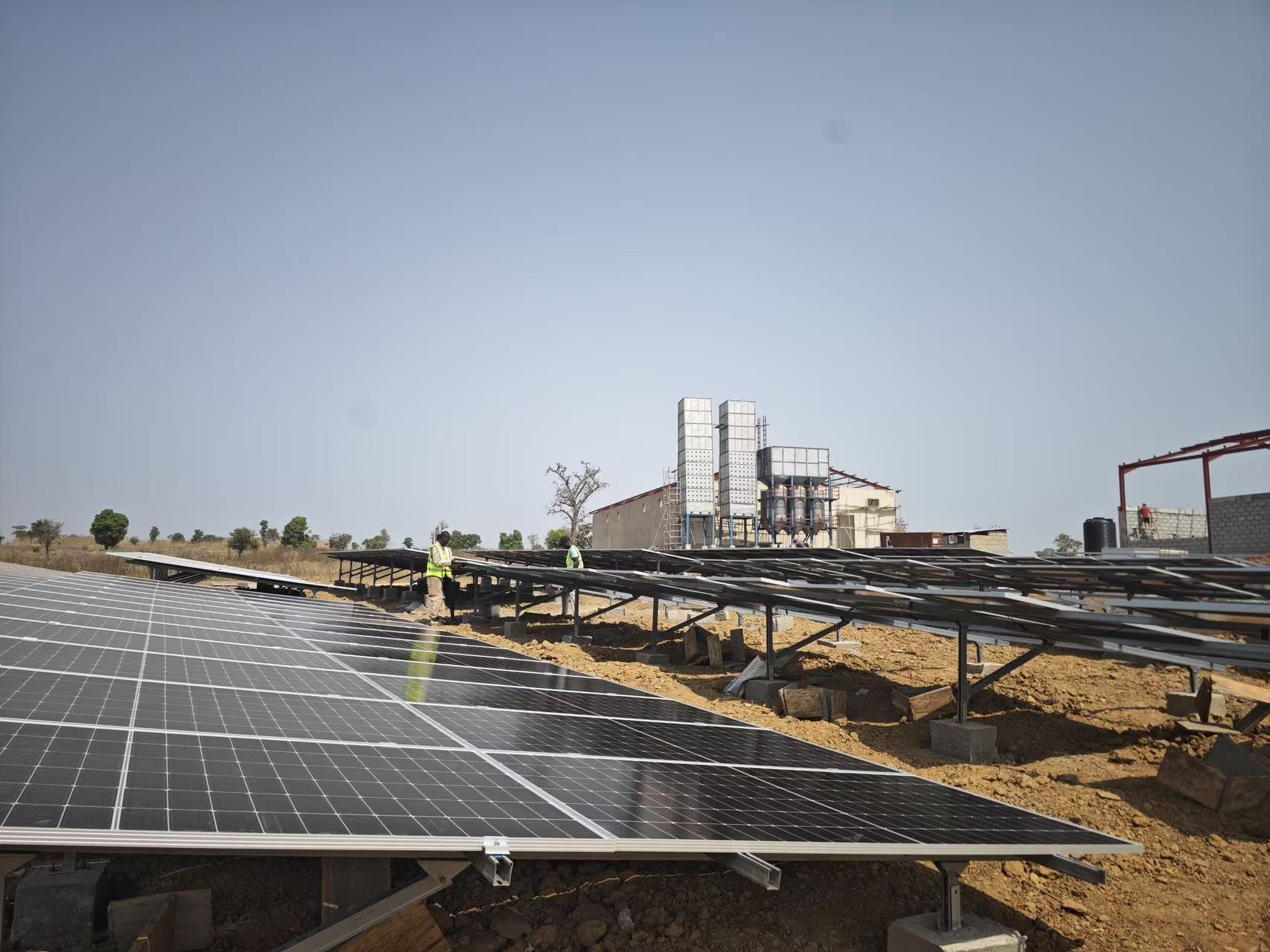
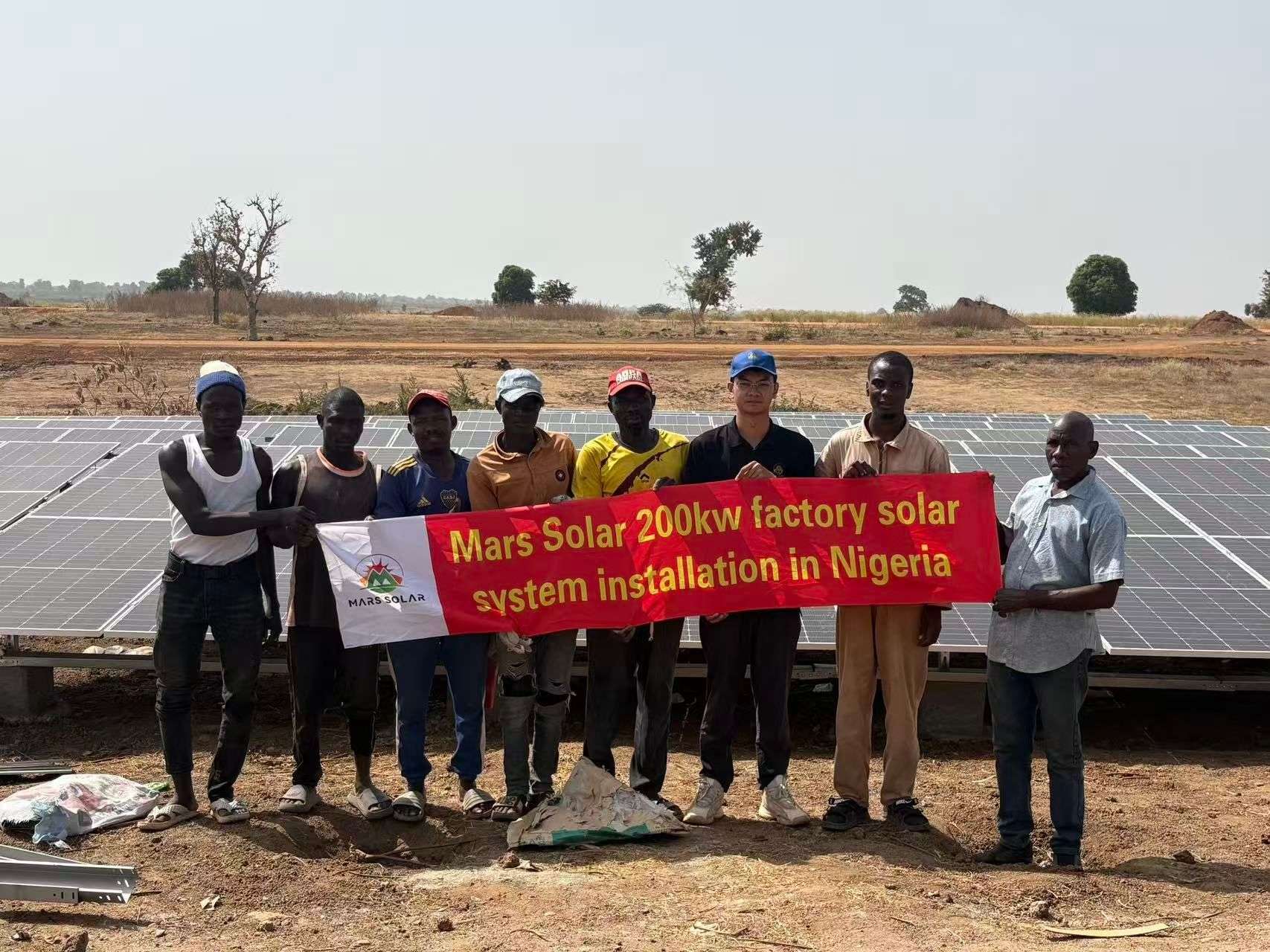
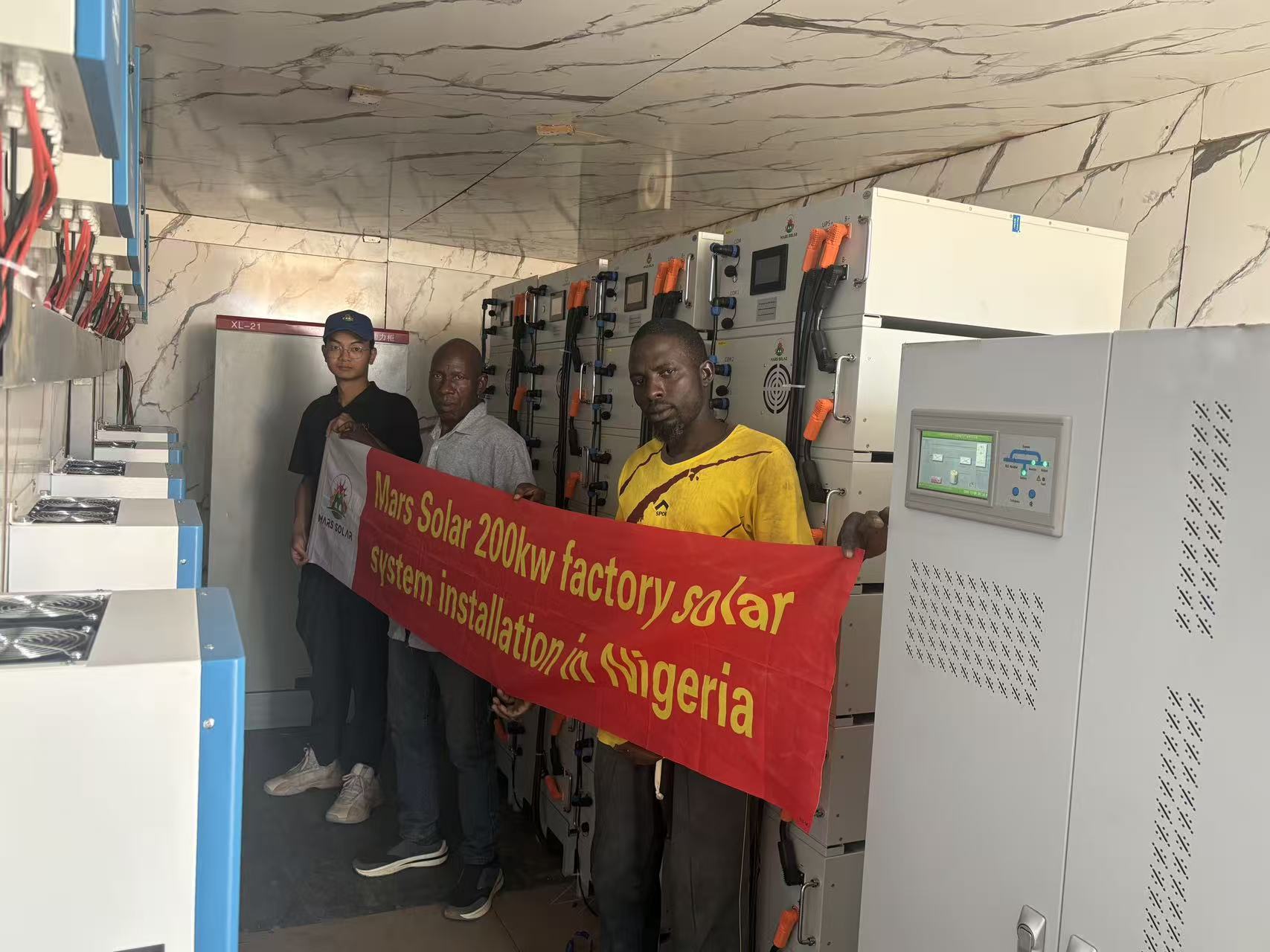
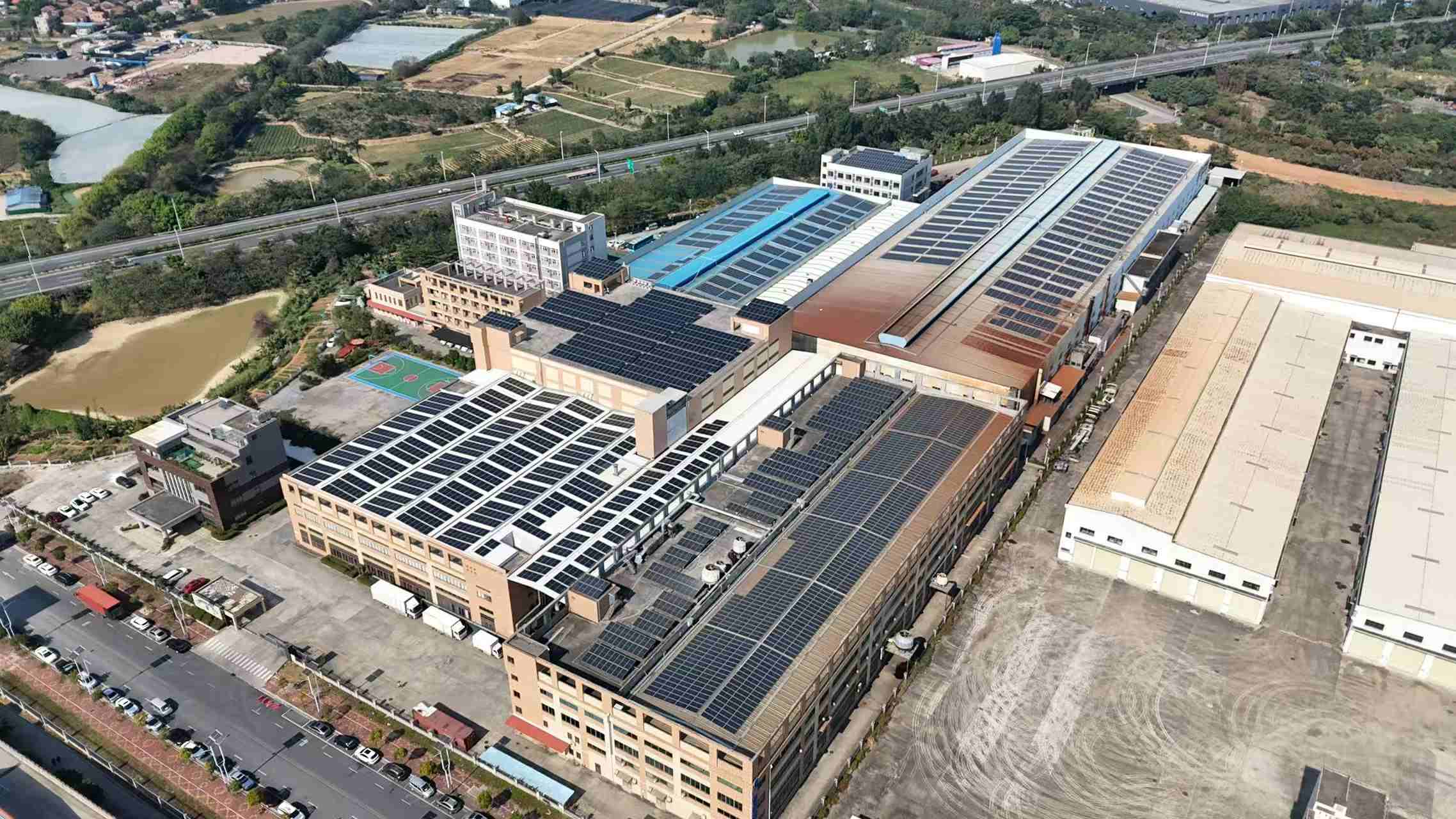
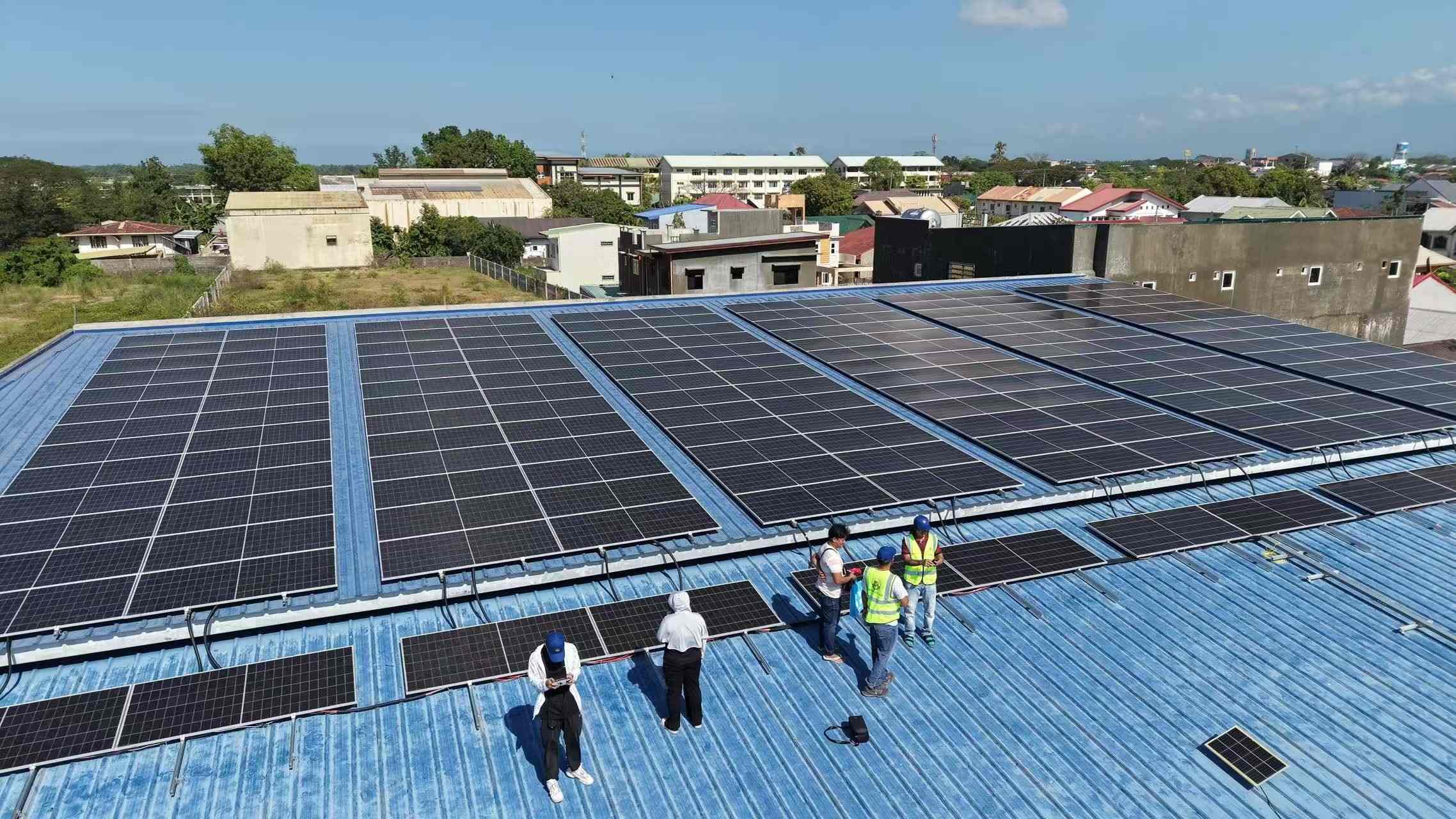
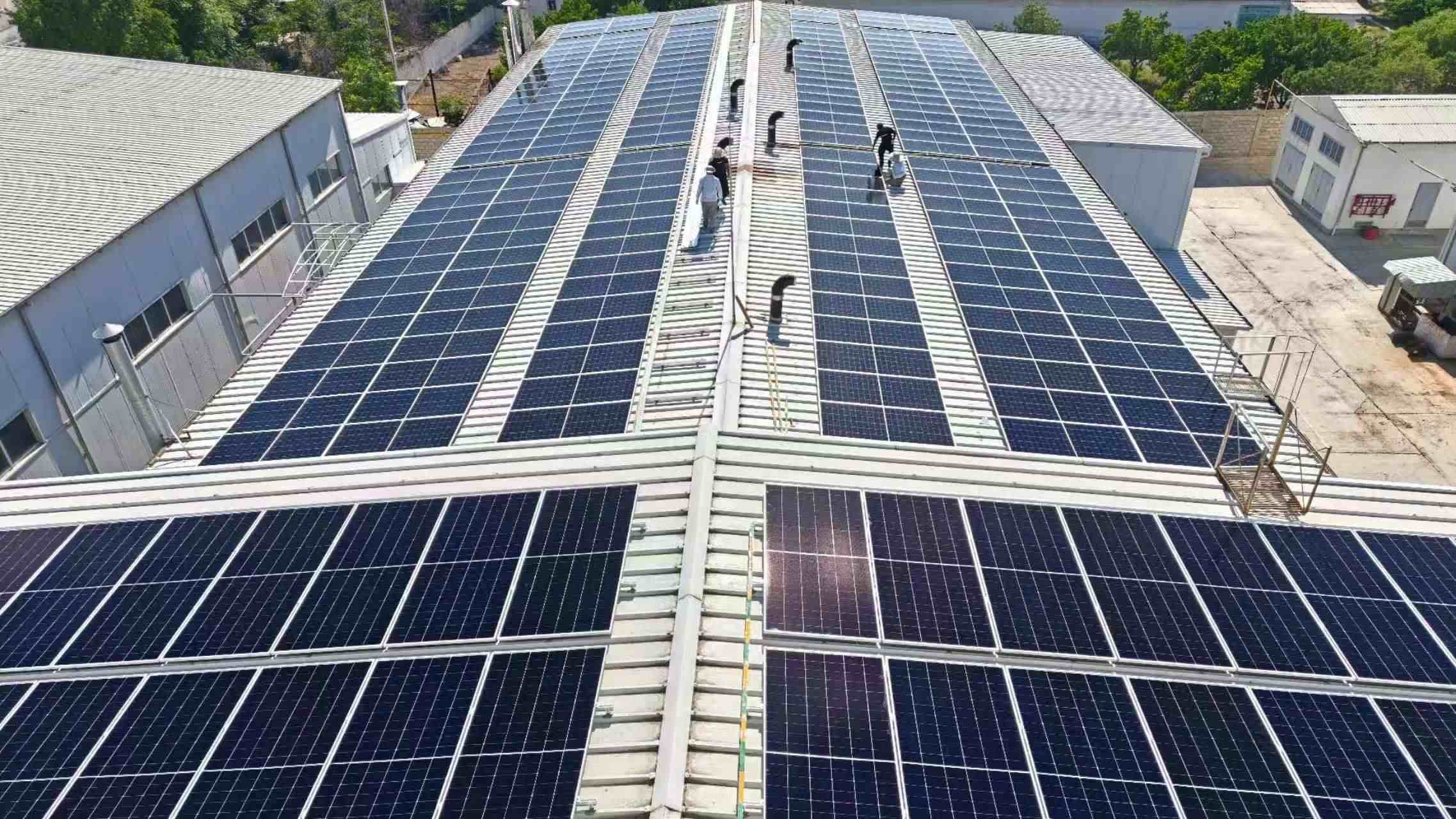
This 200kW solar energy system was built for a rice mill in Abuja that could not keep production running on grid power and diesel alone.
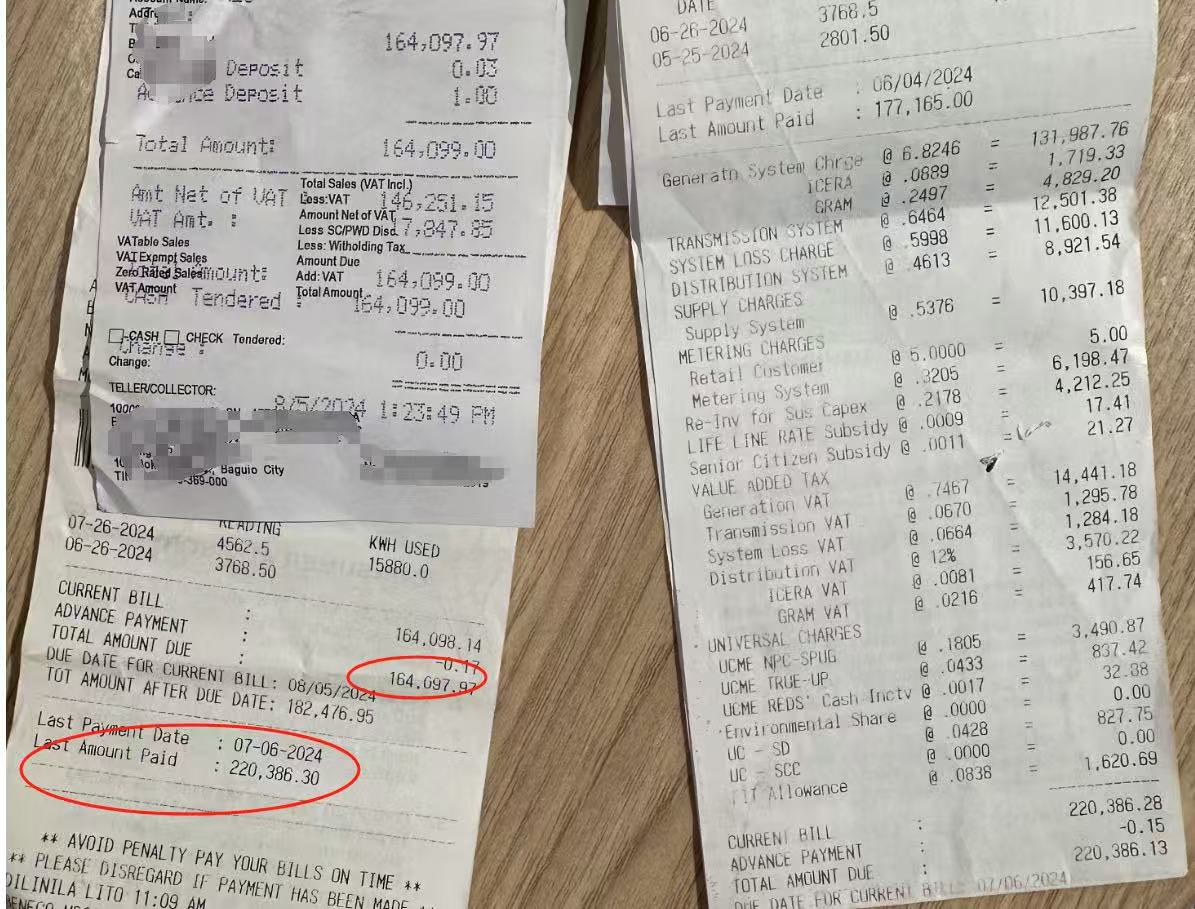
As tarifas de eletricidade instáveis e exorbitantes na Nigéria têm sido uma grande dor de cabeça para o operador da fábrica.
Mesmo optando pela tarifa mais cara, a Classe A, ele ainda tinha dificuldades para obter um fornecimento de energia estável. Como resultado, muitas vezes precisava recorrer a geradores a diesel para obter eletricidade. O custo persistentemente alto da energia gerada a diesel tem sido um problema constante para o operador, levando-o a buscar um sistema de energia solar mais estável e econômico.
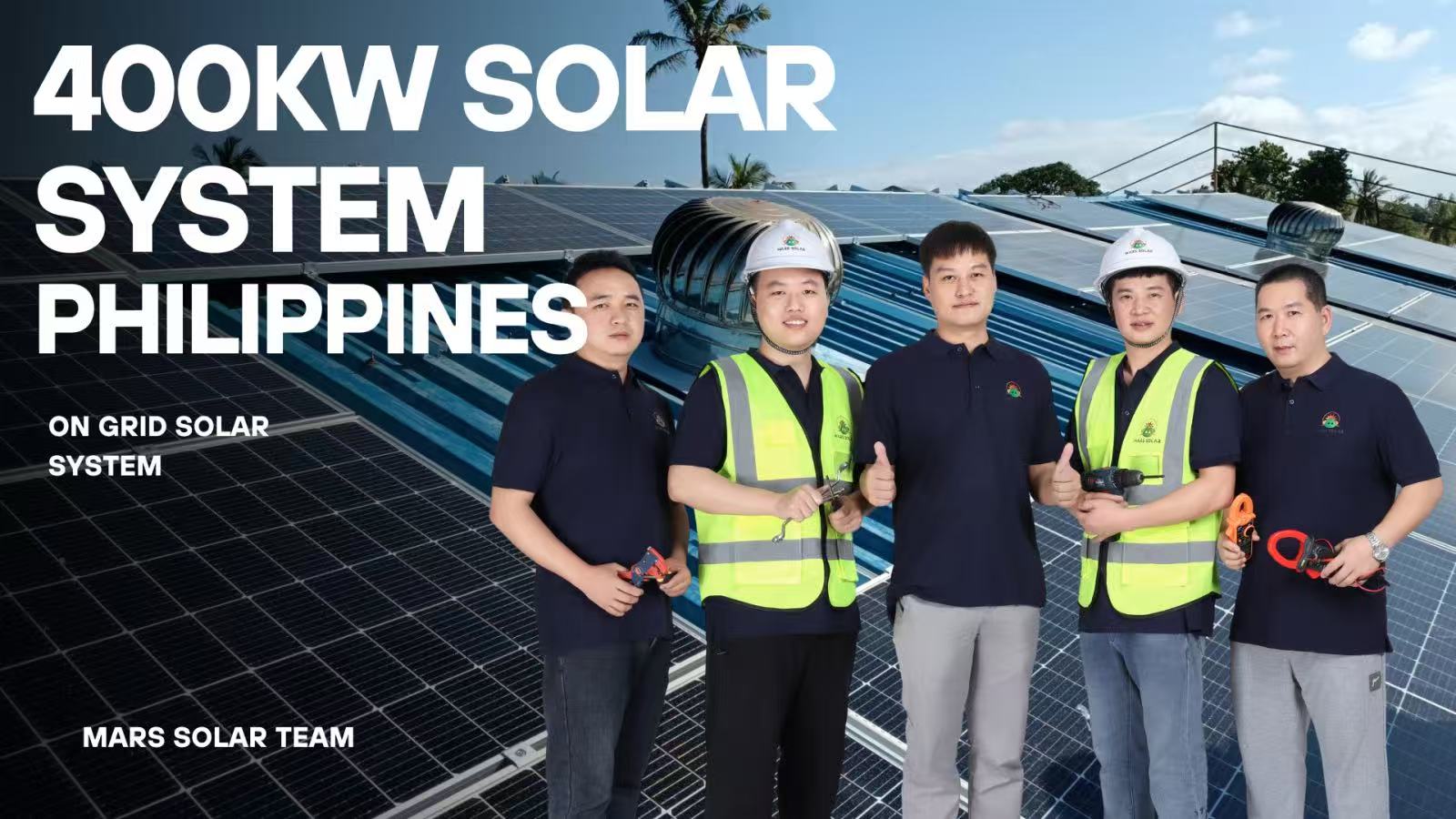
Ao saber que a Mars Solar possui 17 anos de experiência profissional no fornecimento de sistemas de energia solar e se destaca na criação de soluções energéticas estáveis e confiáveis, com valor econômico a longo prazo para os clientes, a operadora recorreu especificamente à Mars Solar para personalizar um sistema de armazenamento de energia fotovoltaica (FV) de 200 kW.
O projeto foi concluído com sucesso no mês passado. Estima-se que ele reduza os custos mensais de energia a diesel da operadora em US$ 5.000 a US$ 11.000, com a expectativa de que o investimento seja totalmente recuperado em dois anos. Além disso, a fábrica terá fornecimento de energia elétrica gratuito por mais de 20 anos.
A rice mill is one of the hardest loads to run on solar. Milling motors pull three to six times their running current on start-up, and the mill runs two shifts, so the array has to cover daytime production while the battery carries the evening peak and the motor surges. We sized this 200kW solar energy system from fourteen days of logged consumption rather than from a nameplate, separating base load from surge load before a single panel was specified.
The storage block is what makes the difference. Without a battery, a 200kW solar energy system only offsets daytime grid draw and the mill still buys diesel for the evening shift. With a matched battery bank the inverters carry the motor starts and the diesel set stays off for the whole production window. That is where the eight thousand dollars a month in the project summary comes from: not from the tariff alone, but from fuel that stopped being bought.
Payback on this site landed at fourteen months against a local tariff of 0.35 USD per kWh. For buyers comparing quotes the useful number is not the price per watt but the cost of the energy you no longer buy, so we publish the load log, the bill of materials and the commissioning report together. See our solar import guide for Nigeria for the duty and clearance side of a project this size.
National electrification programmes and utility tariffs are the backdrop for every industrial solar decision here, and the World Bank energy programme tracks how those tariffs move year to year. We design a 200kW solar energy system against the tariff you actually pay, not against a regional average.
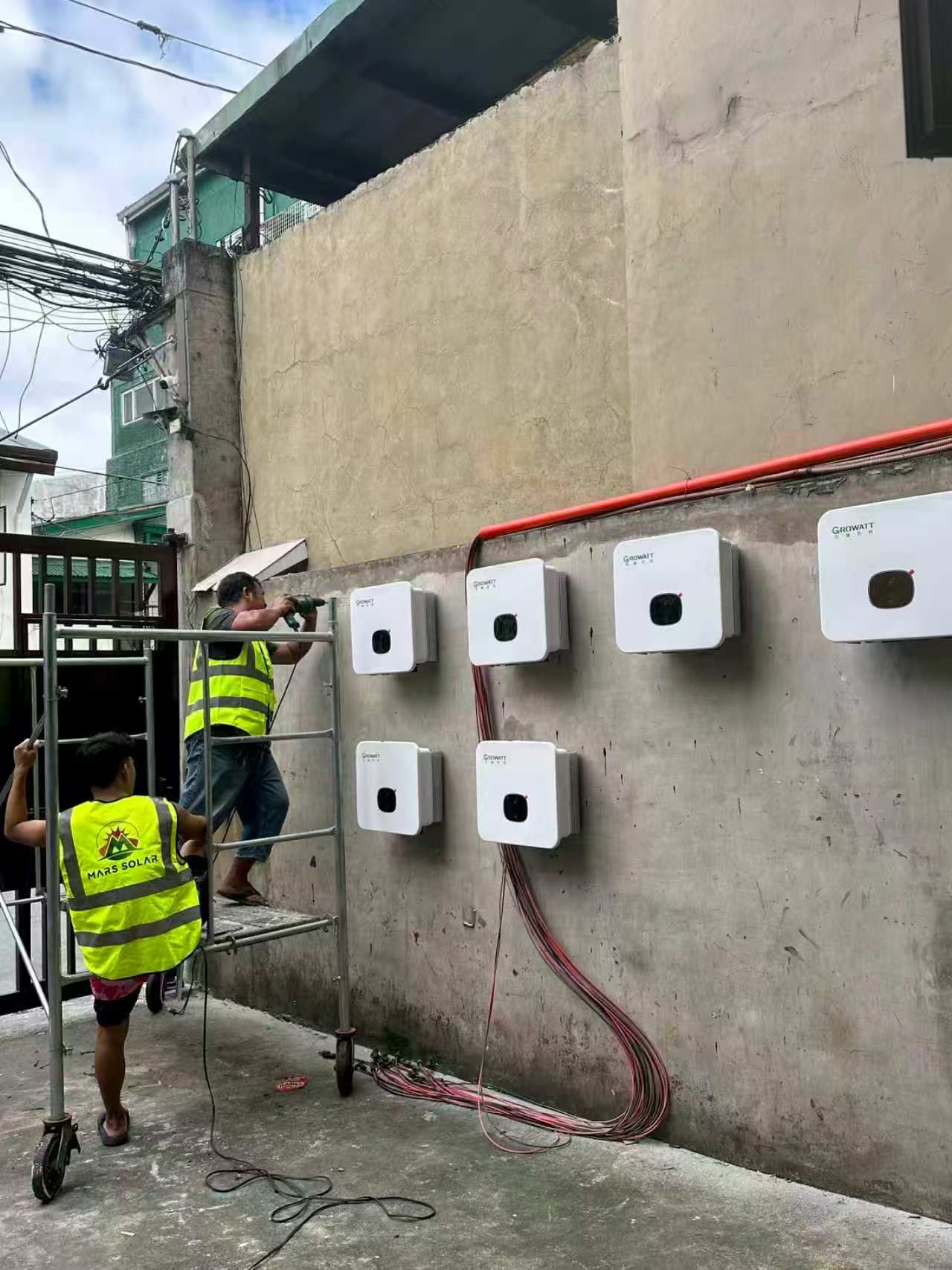
Commissioning took eleven days on site: structure, string wiring, inverter and battery commissioning, then a seven-day burn-in with the mill running its normal production schedule. Every string was measured before the inverters were energised, and the full test report ships with the 200kW solar energy system.
Where this design generalises. Any mill, cold room or workshop with motor starts and two shifts needs the same three things this 200kW solar energy system has: inverter headroom for the surge, a battery sized to the overlap, and an array sized to the logged daytime load rather than to the roof area.

 English English
  Arabic
 Spanish
 French
 Dutch
Dutch
 Portuguese