Le Filippine hanno l'ottavo prezzo dell'elettricità più alto al mondo.
Per gli importatori di pannelli solari e le aziende EPC (Engineering, Procurement and Construction), questo non è un problema, bensì un'enorme opportunità.
- Elettricità residenziale: 11-14 ₱/kWh ($0,20-0,26/kWh)
- Elettricità commerciale: 15-18 ₱/kWh ($0,28-0,33/kWh)
- Aumento annuale dei prezzi: 5-8% all'anno
Nel frattempo, l'energia solare costa solo ₱3-4/kWh per 25 anni.
Il calcolo è semplice: Le famiglie e le imprese filippine possono risparmiare dai 60 ai 701 TP3T sulle bollette elettriche grazie all'energia solare. Ecco perché la domanda è in forte crescita.
Panoramica del mercato 2026:
- Capacità installata cumulativa: 2,5 GW (fine 2025)
- Aggiunte previste per il 2026: 800 MW - 1 GW
- Tasso di crescita annuale: 30-40%
- Sistemi connessi alla rete: 85% (con funzione di net metering abilitata)
Per gli acquirenti B2B, le Filippine offrono:
- ✅ Forte domanda da parte dei clienti – I prezzi elevati dell'elettricità stimolano gli acquisti
- ✅ Sostegno governativo – Politica di net metering, obiettivi per le energie rinnovabili
- ✅ Minore concorrenza rispetto a Europa/USA – Più spazio per i nuovi arrivati
- ✅ mercato anglofono – Comunicazione aziendale semplificata
- ✅ Posizione strategica – Porta d'accesso al Sud-est asiatico
Questa guida illustra tutto ciò che è necessario per importare e distribuire con successo impianti solari nelle Filippine.
1. Struttura del mercato: chi acquista impianti solari nelle Filippine?
Segmento di clientela 1: Proprietari di case residenziali
Dimensioni del mercato: 60% di installazioni (in volume)
Dimensioni tipiche del sistema:
- 3-5 kW – Più comune per le case di medie dimensioni
- 5-30 kW – Case più grandi, elevato consumo di elettricità
- 30-80 kW – Case di lusso, piscine, più unità di condizionamento
Fattori determinanti delle decisioni:
- Bollette elevate di Meralco/VECO/DLPC (oltre 10.000 ₱ al mese)
- Desiderio di indipendenza energetica
- I vicini installano pannelli solari (prova sociale)
Ciò che interessa loro:
- Prezzo totale di installazione – Non solo costo delle apparecchiature
- Periodo di ammortamento: 4-6 anni sono accettabili
- Garanzia: oltre 10 anni sui pannelli, oltre 5 anni sull'inverter.
- Assistenza per il net metering: l'installatore si occupa delle pratiche burocratiche.
- Assistenza post-vendita: qualcuno da contattare in caso di problemi.
Segmento di clientela 2: Imprese commerciali e industriali (C&I)
Dimensioni del mercato: 30% di impianti (in base alla capacità)
Dimensioni tipiche del sistema:
- 50-100 kW – Piccole fabbriche, centri commerciali, hotel
- 100-500 kW – Stabilimenti di medie dimensioni, edifici per uffici
- 500 kW - 2 MW – Grandi fabbriche, zone industriali
- 2-10 MW – Grandi utenti industriali, impianti solari
Ciò che interessa loro:
- Calcolo del ROI – Analisi finanziaria dettagliata
- Garanzia di prestazioni del sistema – Garanzie di produzione annuali
- Gestione e manutenzione (O&M) – Contratti di servizio a lungo termine
- Interconnessione alla rete – Assistenza per la richiesta di net metering
- Opzioni di finanziamento: leasing con riscatto, contratti di acquisto di energia.
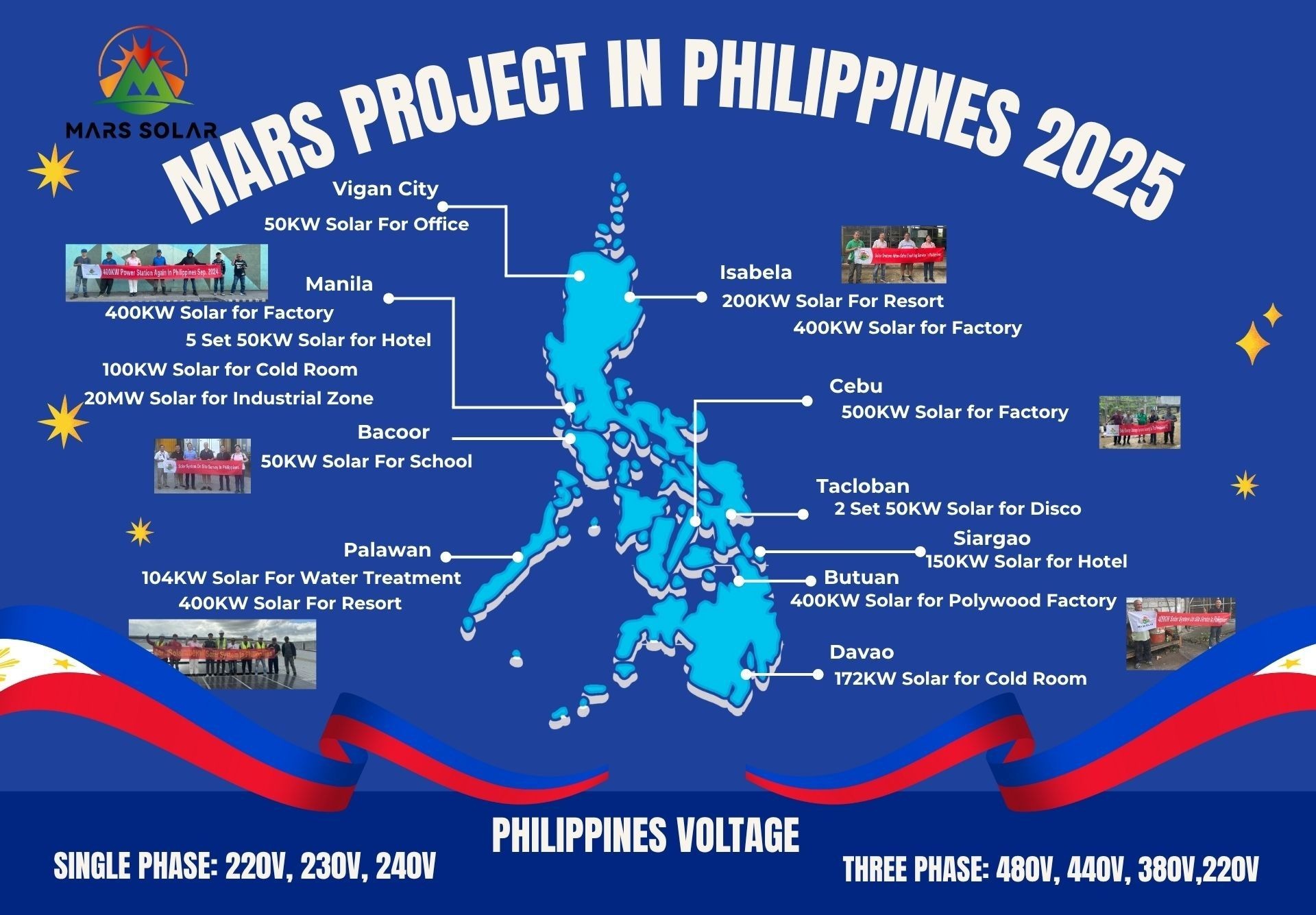
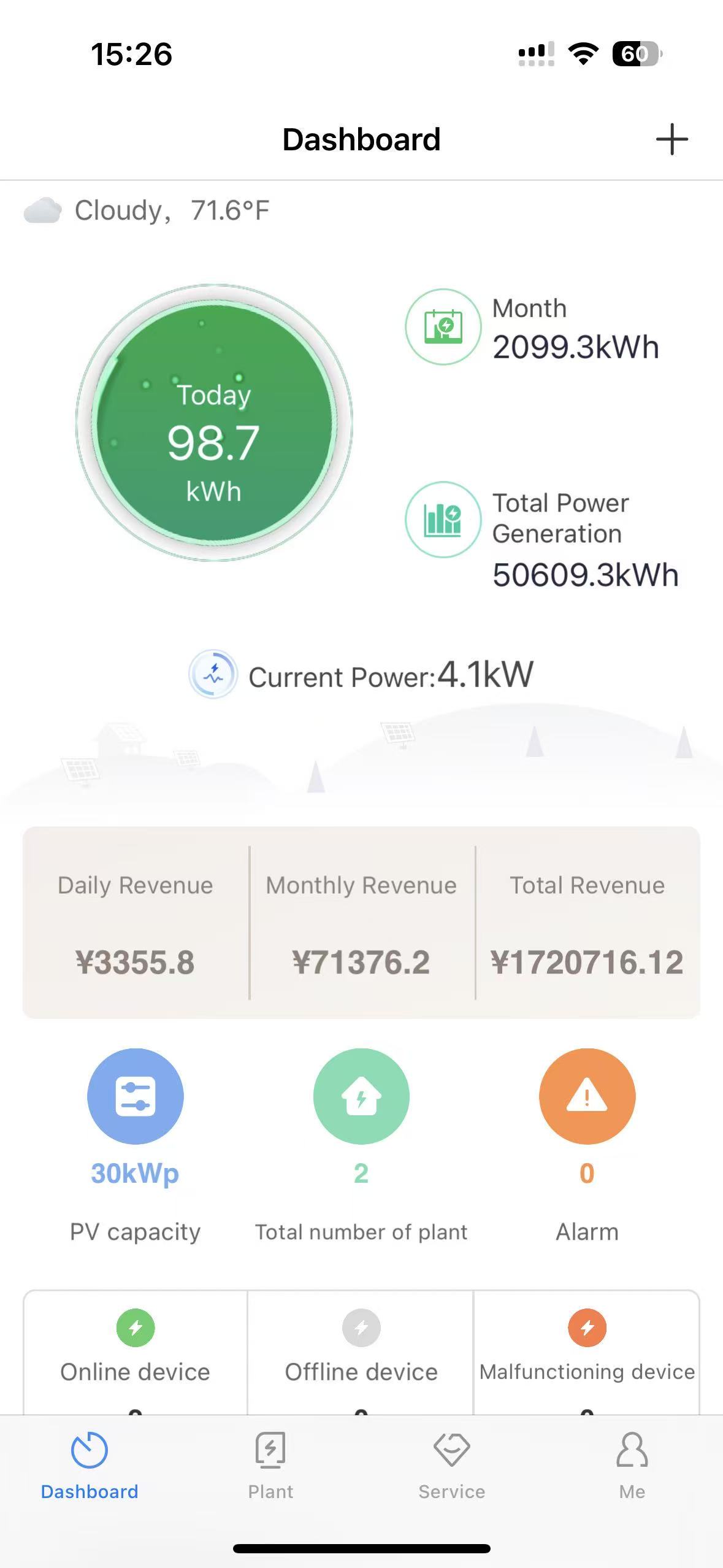
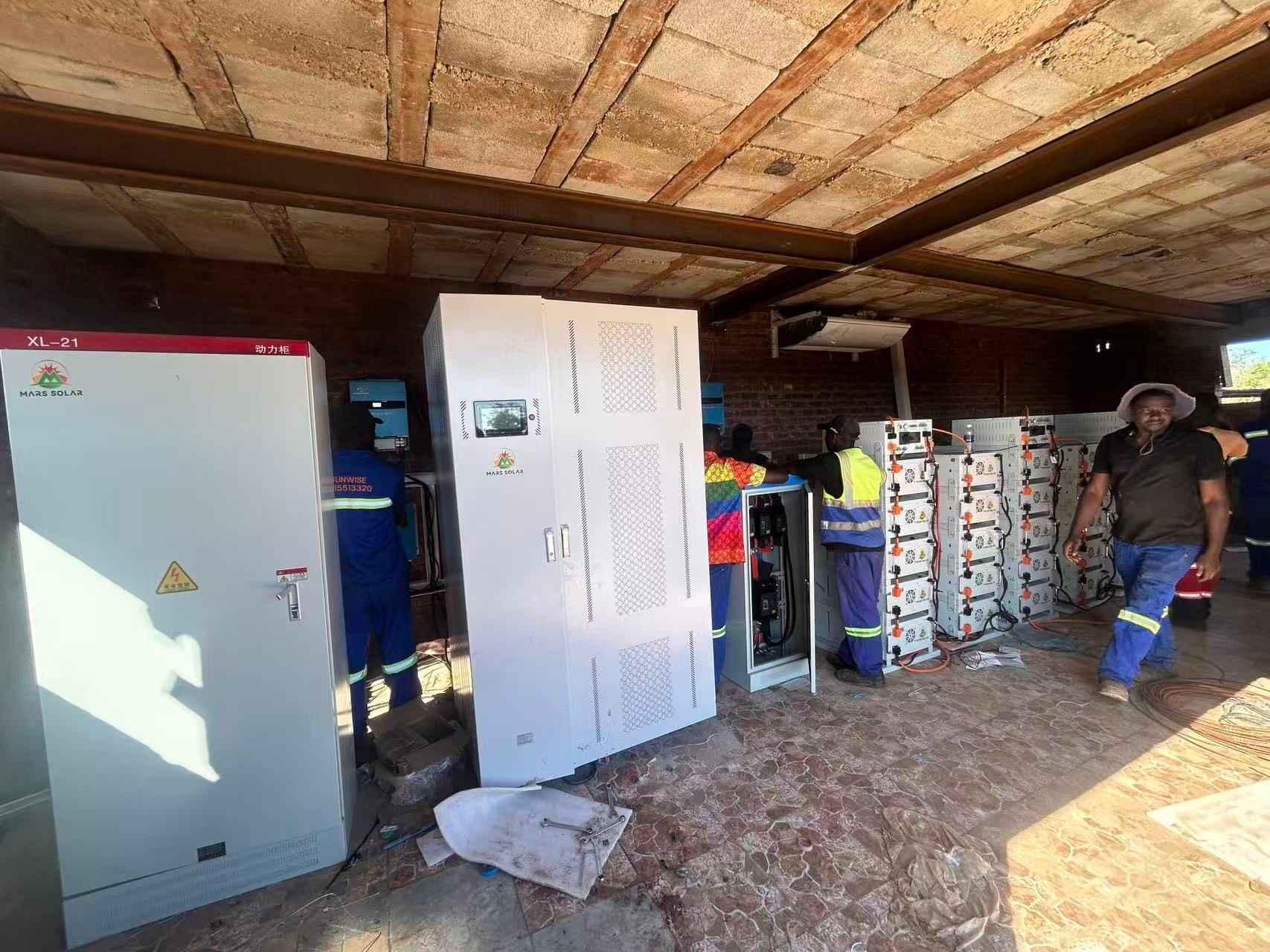
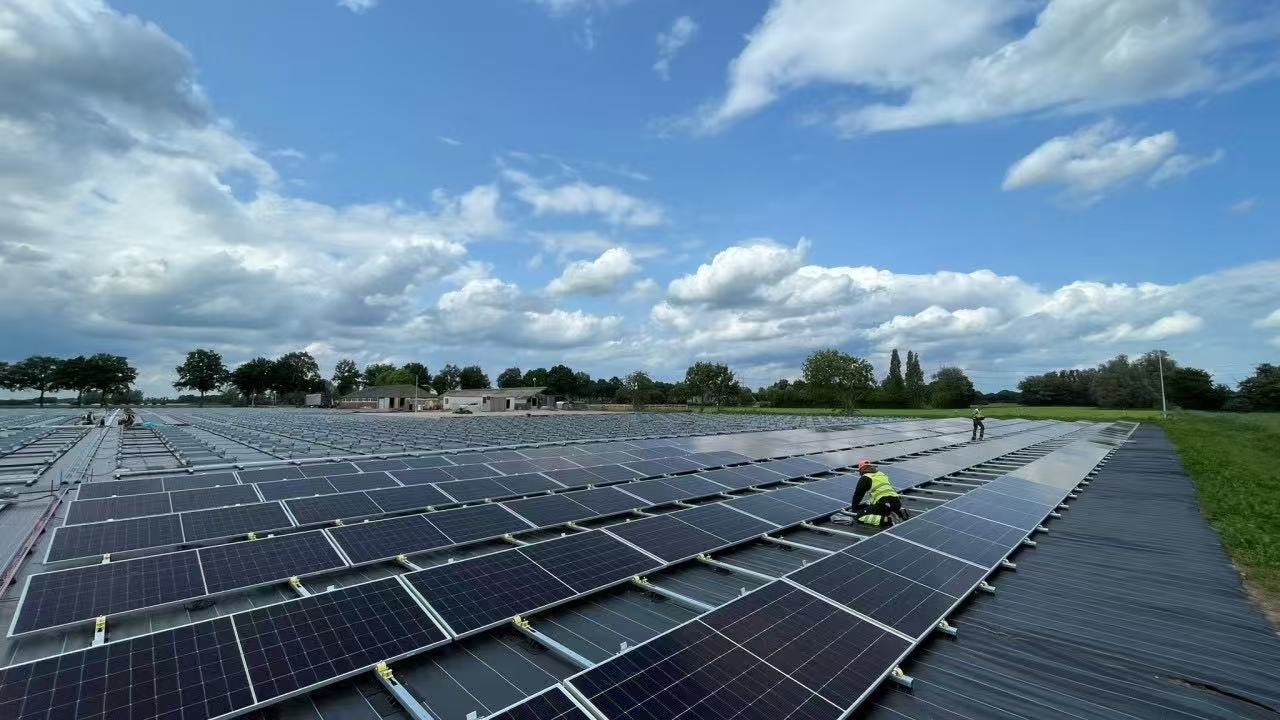
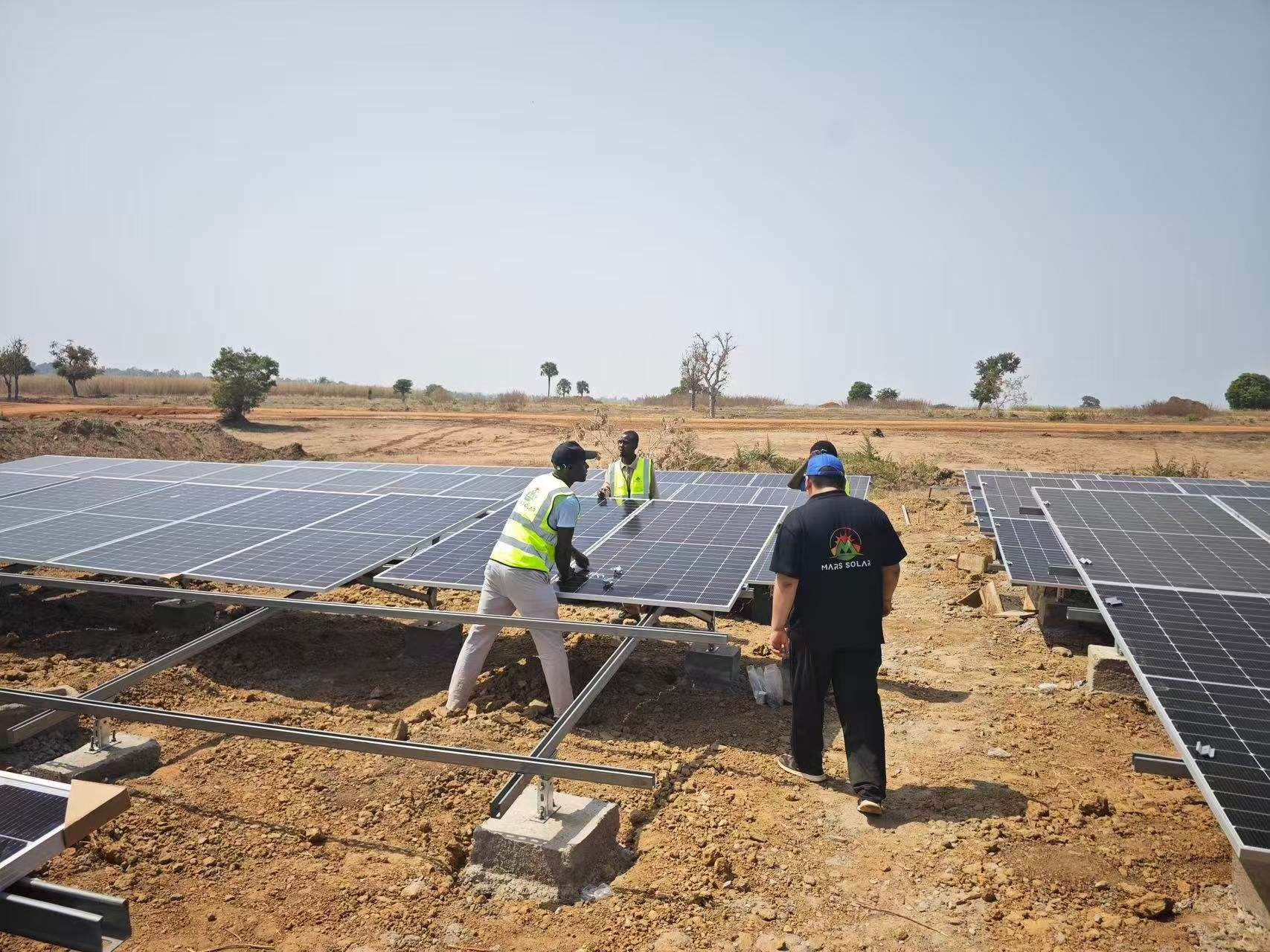
Progetto Filippine Reale: Sistema di accumulo di energia solare e a batteria da 400 kW per una fabbrica nelle Filippine.
Segmento di clientela 3: Sistemi off-grid e insulari
Dimensioni del mercato: 10% di installazioni
Dimensioni tipiche del sistema:
- 1-10 kW – Case sull'isola, resort, piccole imprese
- 10-50 kW – Comunità insulari, grandi resort
- 50-200 kW – Mini-reti insulari, attività minerarie
Ciò che interessa loro:
- Affidabilità: deve funzionare 24 ore su 24, 7 giorni su 7, senza rete elettrica.
- Autonomia della batteria: alimentazione di riserva per 1-3 giorni
- Integrazione del generatore: commutazione automatica al generatore di riserva.
- Monitoraggio remoto – Avvisi di sistema tramite SMS/app
Soluzioni consigliate:
2. Canali di distribuzione: come i prodotti solari raggiungono i clienti
Canale 1: Importatore → Grossista → Installatore → Cliente finale
Modello di distribuzione più comune
Il tuo ruolo come importatore/distributore:
- Importazione di pannelli solari, inverter, batterie e sistemi di montaggio
- Vendi agli installatori di impianti solari locali (i tuoi clienti B2B)
- Fornire supporto tecnico, formazione e materiale di marketing.
Margini tipici:
- Dall'importatore al grossista: 15-25%
- Dal grossista all'installatore: 20-30%
- Dall'installatore al cliente finale: 30-50%
Canale 2: Importatore → Appaltatore EPC → Cliente finale (Progetti commerciali)
Vendita diretta ad appaltatori EPC per progetti di grandi dimensioni
Il tuo ruolo:
- Fornire pacchetti di sistema completi (supporto alla progettazione, apparecchiature, documentazione)
- Potrebbe fornire supporto nella redazione di proposte progettuali e nella presentazione di offerte.
- Consulenza tecnica durante l'installazione
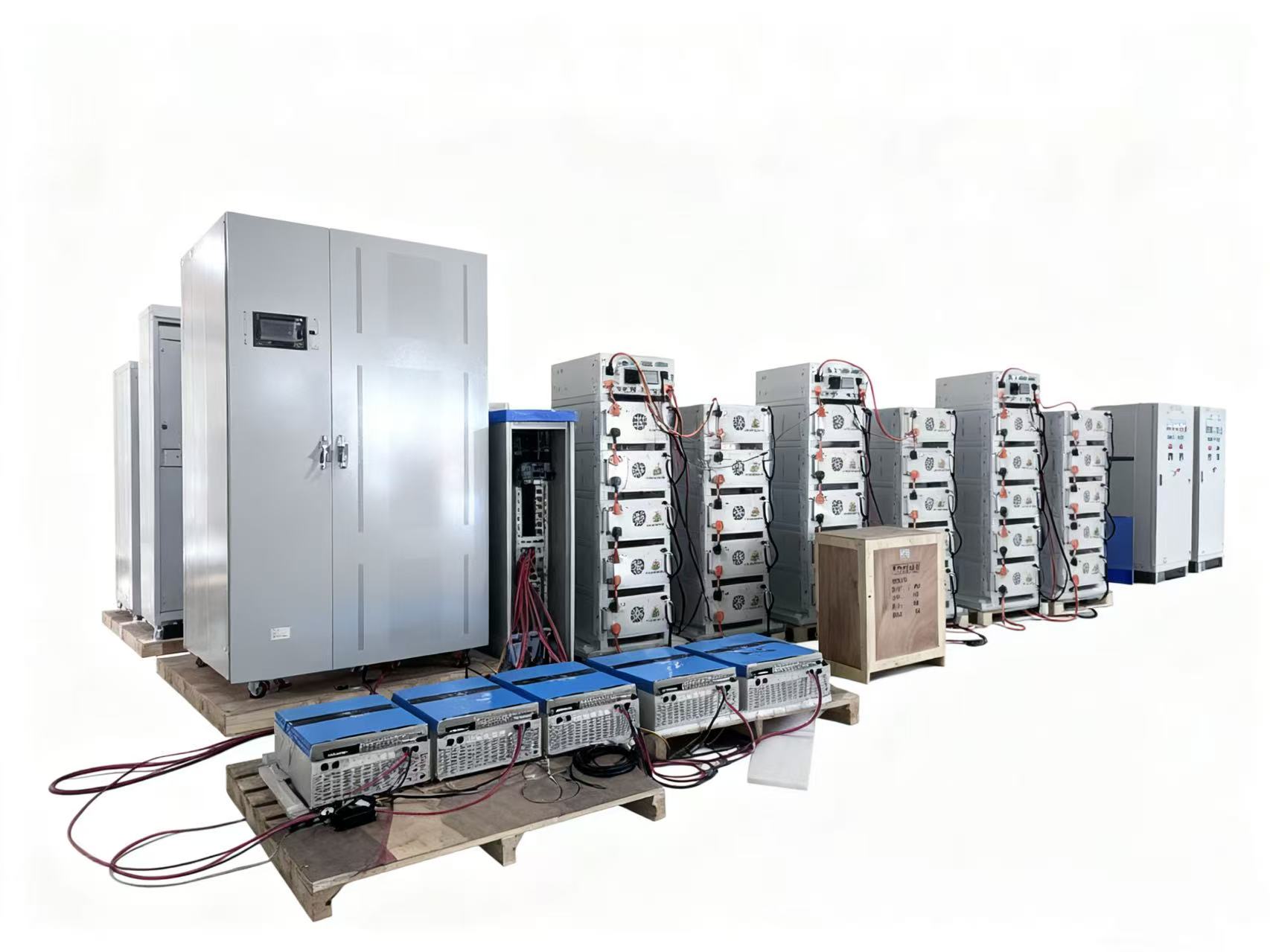
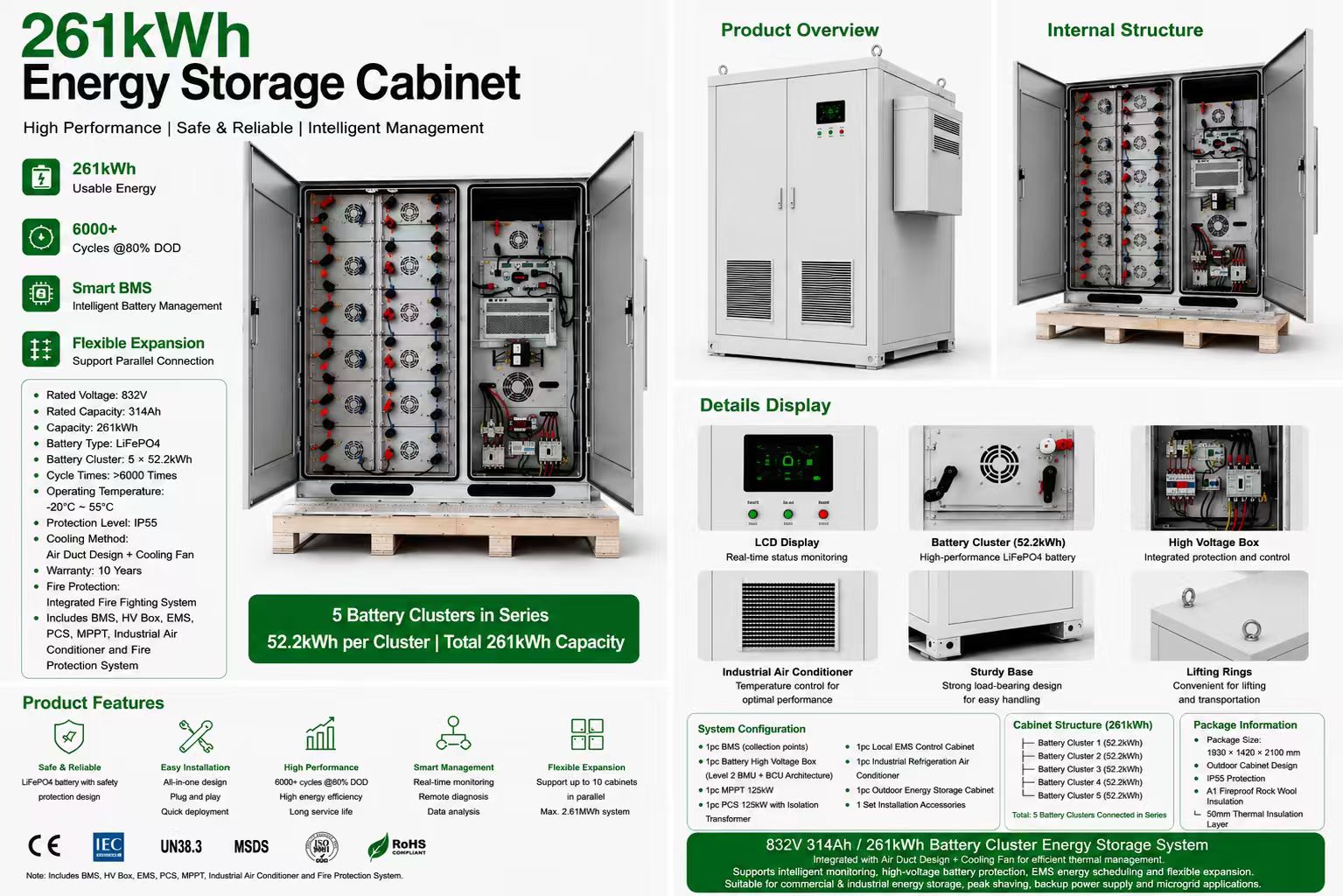
Soluzioni su larga scala presentate da Mars Solar:
Caso di studio reale delle Filippine: Impianto solare da 400 kW con accumulo a batteria per una fabbrica nelle Filippine.
3. Quali sono i prodotti più venduti nelle Filippine?
Categoria di prodotto 1: Pannelli solari (moduli fotovoltaici)
Le taglie più richieste:
- 450W-550W – Tetti residenziali (la tipologia più comune)
- 550W-600W – Tetti commerciali, installazione a terra
- 600W-700W+ – Progetti su scala industriale
Tipologie di pannelli:
- Mono PERC – Il più popolare (buona efficienza, prezzo ragionevole)
- TOPCon di tipo N – Domanda in crescita (maggiore efficienza, migliori prestazioni in condizioni di calore)
- HJT (Eterogiunzione) – Mercato premium
Cosa desiderano gli acquirenti filippini:
- ✅ Certificato IEC 61215, IEC 61730
- ✅ Rapporti di prova TÜV, SGS o Intertek
- ✅ Garanzia sul prodotto di 12 anni, garanzia sulle prestazioni di 25 anni.
- ✅ Ottime prestazioni alle alte temperature (le Filippine sono calde e umide)
- ✅ Resistente alla degradazione indotta dal potenziale (PID)
- ✅ Resistente alla corrosione da nebbia salina (per zone costiere)
Categoria di prodotto 2: Inverter per sistemi on-grid
Per i sistemi di net metering (i più comuni)
Taglie più richieste:
- 3-5 kW – Case piccole
- 5-10 kW – Abitazioni medie, piccole imprese
- 10-30 kW – Grandi abitazioni, piccoli edifici commerciali
- 30-100 kW – Edifici commerciali
- 100 kW+ – Impianti industriali e solari
Marchi popolari nelle Filippine:
- Huawei – Funzionalità intelligenti, buona app, popolare per uso residenziale
- Sungrow – Affidabile, conveniente, popolare per uso commerciale
- Growatt – Basso costo, ideale per un mercato sensibile al prezzo
- Fronio – Residenziale di alta qualità, costoso e di lusso
- SolarEdge – Ottimizzatori + inverter, ideali per tetti ombreggiati
- Marte Solare – Buon rapporto qualità-prezzo, popolarità in crescita
Categoria di prodotto 3: Inverter ibridi e sistemi a batteria
Per l'alimentazione di riserva durante i blackout.
Perché i sistemi ibridi sono in crescita:
- In alcune zone si verificano frequenti interruzioni di corrente.
- Il net metering non fornisce alimentazione di riserva
- Le aziende hanno bisogno di un'alimentazione elettrica ininterrotta.
- I clienti premium desiderano l'indipendenza energetica.
Soluzioni di accumulo di energia solare Mars:
Tipi di batteria:
- LiFePO4 (fosfato di litio e ferro) – Preferibile (maggiore durata, maggiore sicurezza, oltre 2000 cicli)
- Batterie al piombo (AGM/Gel) – Opzione economica (durata di vita inferiore, 500-800 cicli)
Prezzo: $150-$200/kWh (LiFePO4), $100-$130/kWh (piombo-acido)
Categoria di prodotto 4: Sistemi off-grid
Per isole, aree remote, luoghi senza rete elettrica
Soluzioni off-grid consigliate da Mars Solar:
Pacchetti di sistema tipici:
Dimensioni del sistema | Ingegneria | Prezzo FOB | Applicazioni |
|---|
6,2-15 kW | Pannelli da 6,2-15 kW, batteria da 15-30 kWh, inverter off-grid da 6,2-15 kW | $1,500-$6,000 | Case e baite su piccole isole |
15-100 kW | Pannelli da 15-100 kW, batteria da 30-261 kWh, inverter off-grid da 15-100 kW | $5,000-$70,000 | Grandi case, piccoli resort |
100-500 kW | Pannelli da 100-500 kW, batteria da 261 kWh o 1 MWh, inverter trifase da 100-1000 kW | $55,000-$270,000 | Resort, comunità, fabbriche |
4. Requisiti e certificazioni per l'importazione
Certificazioni obbligatorie per le Filippine
1. Certificazione BPS (Ufficio degli standard filippini)
Quali sono i requisiti per la certificazione BPS?
- Pannelli solari (moduli fotovoltaici)
- Inverter
- Alcuni accessori elettrici
Processo:
- Invia la domanda a BPS
- Fornire i rapporti di prova (secondo gli standard IEC, rilasciati da laboratori accreditati).
- BPS esamina la documentazione (2-4 settimane)
- Elenco dei prodotti sul sito web di BPS
- È possibile apporre il marchio PS (Philippine Standard).
Costo: $500-$1.500 per prodotto
Suggerimento: collaborate con fornitori che possiedono già la certificazione BPS. Mars Solar può fornire la documentazione e il supporto necessari per l'ingresso nel mercato filippino.
2. Registrazione presso l'ERC (Commissione di regolamentazione dell'energia)
Richiesto per:
- Applicazioni di net metering
- sistemi connessi alla rete
3. Conformità alle normative elettriche locali
I prodotti devono essere conformi a:
- Codice elettrico filippino (PEC)
- Tensione: 230 V monofase, 380 V trifase
- Frequenza: 60Hz
- Codici di griglia delle società di distribuzione locali (Meralco, VECO, DLPC)
Certificazioni internazionali (richieste dagli acquirenti)
Prodotto | Certificazioni richieste |
|---|
pannelli solari | IEC 61215, IEC 61730, IEC 62716 (PID), IEC 61701 (nebbia salina) |
Inverter (connessi alla rete) | IEC 62109-1, IEC 62109-2, IEC 61683 (efficienza), conformità alla rete |
Inverter ibridi/off-grid | IEC 62109-1, IEC 62109-2 |
Batterie al LiFePO4 | IEC 62619, UN38.3 (trasporto), IEC 62620 |
Sistemi di montaggio | AS/NZS 1170 (carico del vento), resistenza alla corrosione |
Dazi e tasse di importazione
- Pannelli solari: 0% dazio di importazione (esente per promuovere le energie rinnovabili)
- Inverter: Dazio di importazione 0-5% (varia a seconda del tipo)
- Batterie: 5-15% dazio di importazione
- Sistemi di montaggio: 5-10% dazio di importazione
- I.V.A: 12% (Imposta sul valore aggiunto su tutte le importazioni)
5. Net metering: il fattore chiave per la domanda di energia solare
Cos'è il net metering?
Il net metering consente ai proprietari di impianti solari di vendere l'elettricità in eccesso alla rete. Questo è fondamentale per rendere l'energia solare economicamente sostenibile.
Come funziona:
- Giorno: L'energia solare produce più di quanto consumato dalle abitazioni → l'eccedenza viene immessa nella rete elettrica
- Di notte: L'abitazione utilizza l'elettricità della rete.
- Fatturazione mensile: Il cliente paga per l'energia elettrica netta consumata (utilizzo in rete - immissione in rete di energia solare).
Tassi di rivendita (2026):
Azienda di distribuzione | Posizione | Tasso di esportazione |
|---|
Meralco | Metro Manila, Luzon | ₱5,50-6,50/kWh |
VECO | Cebu | ₱5,00-6,00/kWh |
DLPC | Davao | ₱5,50-7,00/kWh |
Altre unità di distribuzione | aree provinciali | Variabile (₱4,50-7,00/kWh) |
Perché il net metering è importante per te:
- I sistemi con net metering si vendono più velocemente (migliore convenienza economica per i clienti).
- Gli installatori hanno bisogno di aiuto con le applicazioni di net metering
- Gli inverter connessi alla rete devono essere certificati in base alle normative locali sulla rete elettrica.
Procedura di richiesta per il net metering
- Progettazione del sistema – L'installazione deve essere eseguita da un installatore accreditato ERC.
- Inviare la domanda all'azienda di distribuzione (DU) – Moduli, schemi elettrici, specifiche delle apparecchiature
- Recensioni DU (15-30 giorni)
- Installazione e ispezione
- Sostituzione del misuratore – DU installa un contatore bidirezionale
- Contratto di net metering firmato – Il cliente ora può vendere alla rete
Cosa offre Mars Solar:
- Specifiche e schede tecniche delle apparecchiature per la presentazione alla DU
- Diagrammi a linea singola (SLD)
- Certificati di conformità alla rete degli inverter
- Documentazione tecnica per applicazioni di net metering
6. Fattori chiave di successo per importatori e distributori
1. Scorte di ciò che serve agli installatori
Prodotti a rapida rotazione:
- Pannelli solari di livello 1 (LONGi, Jinko, Trina)
- Marche di inverter più diffuse (Huawei, Sungrow, Growatt)
- Sistemi di montaggio standard
- Cavi, connettori, scatole di giunzione
Mars Solar offre Pacchetti di sistema completi con tutti i componenti inclusi.
2. Fornire supporto tecnico
Gli installatori apprezzano i fornitori in grado di offrire:
- Dimensionamento e progettazione del sistema
- Selezione dei prodotti
- Risoluzione dei problemi
- Documentazione per le applicazioni di net metering
Mars Solar offre:
- Oltre 30 ingegneri per l'assistenza tecnica
- Assistenza alla progettazione del sistema
- Istruzioni per l'installazione
- Formazione per installatori
3. Instaurare rapporti con gli installatori
I migliori installatori nelle Filippine: Solaric, Solaren, Solar Philippines, Buskowitz Energy, Greengine
Come collaborare con loro:
- Fornire prodotti affidabili
- Offrire prezzi competitivi
- Garantire consegne rapide
- Offrire supporto tecnico
- Condizioni di pagamento flessibili per partner affidabili.
4. Comprendere le condizioni locali
Le Filippine si trovano ad affrontare sfide uniche:
- Tifoni: Da giugno a dicembre è la stagione dei tifoni. I prodotti devono essere resistenti.
- Temperature elevate: I prodotti devono funzionare a temperature ambiente comprese tra 30 e 40 °C.
- Umidità e aria salina: Le zone costiere richiedono prodotti resistenti alla corrosione.
- Instabilità della rete elettrica: In alcune zone si verificano fluttuazioni di tensione.
I prodotti Mars Solar sono progettati per i climi tropicali:
- Pannelli resistenti alla nebbia salina (IEC 61701)
- Inverter resistenti alle alte temperature
- Sistemi di montaggio resistenti alla corrosione
- Testato per 72 ore prima della spedizione.
Pronti a entrare nel mercato solare delle Filippine?
Mars Solar è un produttore di pannelli solari affidabile con oltre 17 anni di esperienza nell'esportazione verso le Filippine e il Sud-est asiatico.
I nostri punti di forza:
- ✅ Soluzioni di sistema complete – Pannelli solari, inverter, batterie, sistemi di montaggio
- ✅ Comprovata esperienza nelle Filippine – Progetto di fabbrica da 400 kW
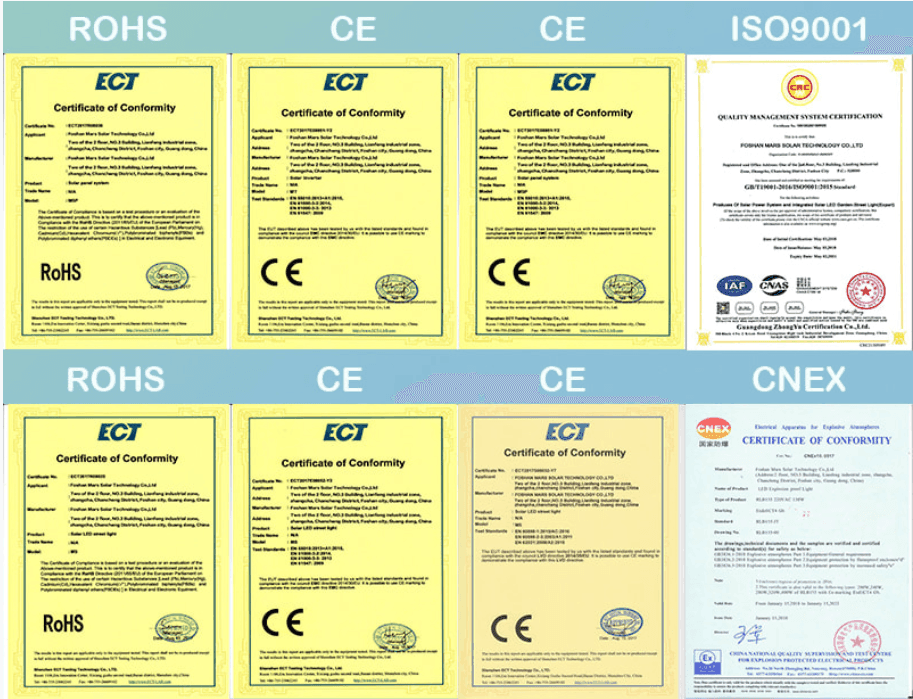
- ✅ Prodotti certificati IEC, TÜV e SGS
- ✅ Supporto tecnico: oltre 30 ingegneri per la progettazione di sistemi e l'assistenza post-vendita.
- ✅ Supporto per la certificazione BPS per il mercato filippino
- ✅ Assistenza nella documentazione relativa al net metering
- ✅ Quantità minima d'ordine flessibile per ordini di prova
- ✅ Garanzia di 5 anni sui pannelli solari, garanzia di 3 anni su inverter e batterie.
Prodotti in evidenza per il mercato filippino:
Contatta Mars Solar oggi stesso:
Scopri i nostri prodotti:
Informazioni su Mars Solar
Mars Solar (Foshan Mars Solar Technology Co., Ltd.) produce e progetta sistemi solari dal 2008. Con Oltre 17 anni di esperienza, Oltre 30 ingegneri, E Oltre 3.000 progetti di successo in più di 130 paesi, Aiutiamo i distributori e gli appaltatori EPC ad avere successo nelle Filippine e non solo.
Perché scegliere Mars Solar:
- Servizio personalizzato: sopralluogo pre-vendita, progettazione del layout dei pannelli solari, set completo di prodotti personalizzati.
- Progettazione completa – Progettiamo l'intero impianto solare
- Servizio di collaudo: testiamo l'intero sistema per 72 ore prima della spedizione.
- Assistenza post-vendita: offriamo il servizio di installazione e il servizio di ispezione annuale.
Contattaci | Chi siamo | Guarda i nostri casi | Guarda i video | Domande frequenti
Ultimo aggiornamento: giugno 2026
Parole chiave: importazione di pannelli solari nelle Filippine, distributore di impianti solari nelle Filippine, net metering nelle Filippine, mercato solare nelle Filippine 2026, pannelli solari B2B, appaltatore EPC di sistemi solari nelle Filippine, Mars Solar



 English
 Chinese
 Cebuano
 Arabic
 Czech
Czech Danish
 German
 Greek
Greek Spanish (Spain)
 Spanish (Mexico)
 Persian
 French
 Indonesian
 Italian
 Japanese
 Korean
 Dutch
Dutch Portuguese
 Russian
 Tagalog
 Turkish
 Vietnamese