
لغة
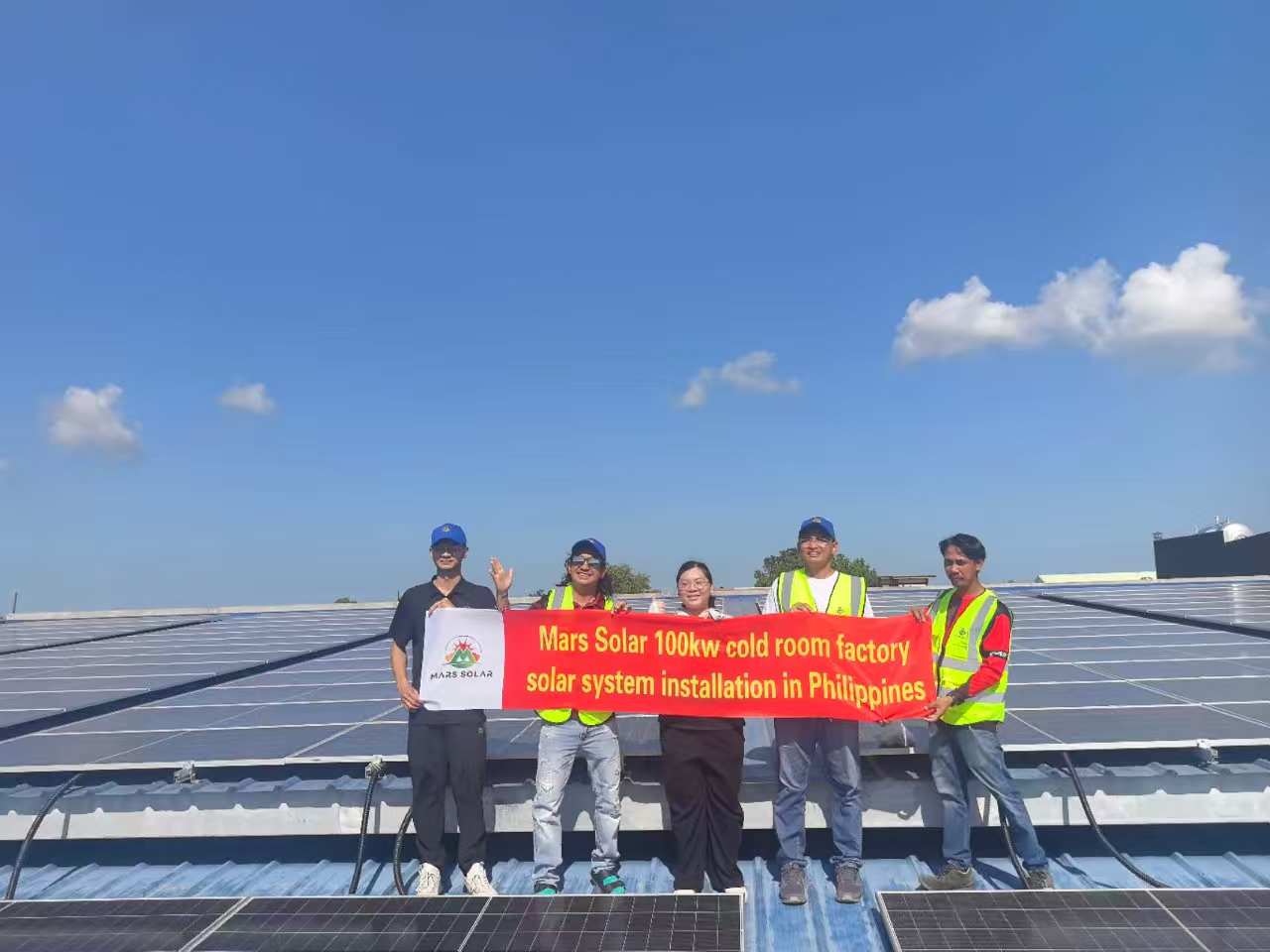
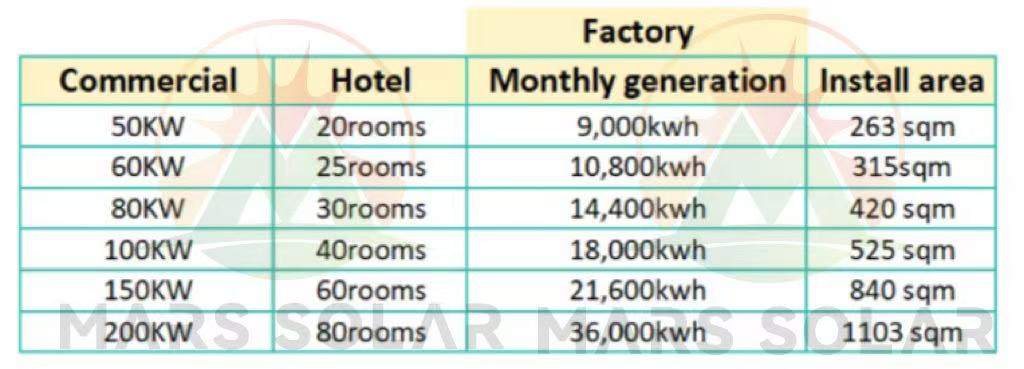
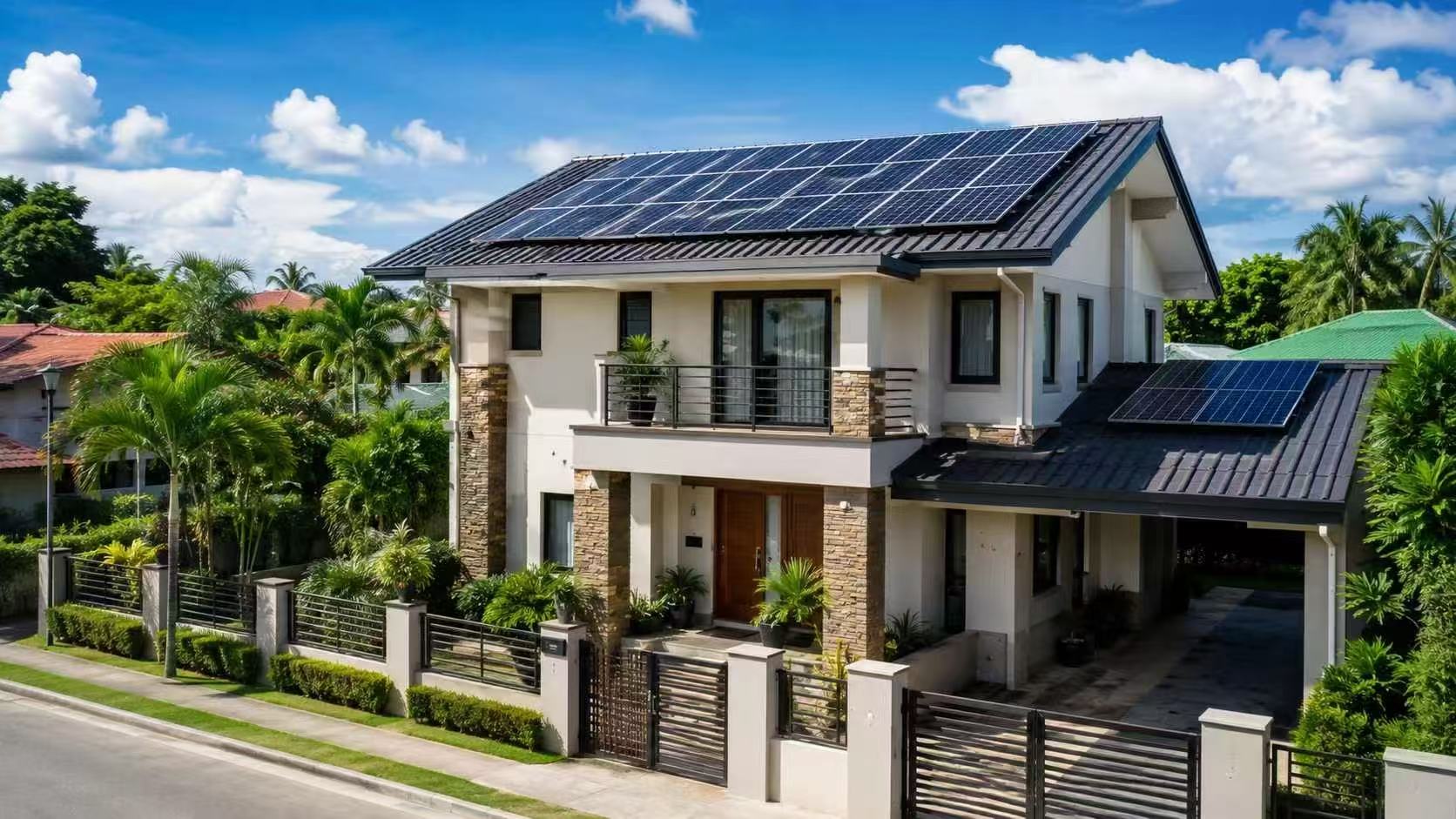
Solar Panel Price Philippines in 2026 sits between ₱33,500 and ₱38,000 per kW for a grid-tied installation in Metro Manila — down from ₱80–₱90 per watt just two years ago. A typical 5 kW home system now costs ₱190,000–₱375,000, while a 100 kW+ commercial system runs ₱4.5M–₱6.5M and pays for itself in 2–4 years against today’s electricity rates. The reason is simple: Meralco rates have climbed 14% in eight months to ₱14.78/kWh, while panel prices sit at historic lows.
This guide gives you the real 2026 numbers — cost per system size, what drives the price, the new net metering rules that cut approval to 10 days, and the payback you can expect. Read it before you ask for a quote, so you can tell a fair price from a padded one.
Three forces collided in 2025–2026. First, the Philippines now has the highest residential electricity prices in Southeast Asia — Meralco’s typical household rate rose from ₱12.95/kWh in January to ₱14.78/kWh by August 2026, a 14.2% climb driven by peso depreciation and tight Luzon supply. Second, global panel oversupply pushed module prices to historic lows — the cheapest solar hardware in history is landing in a market where electricity has never been more expensive. Third, the government declared an energy emergency and, in April 2026, cut net metering approval to 10 days and lifted the commercial cap from 100 kW to 1 MW.
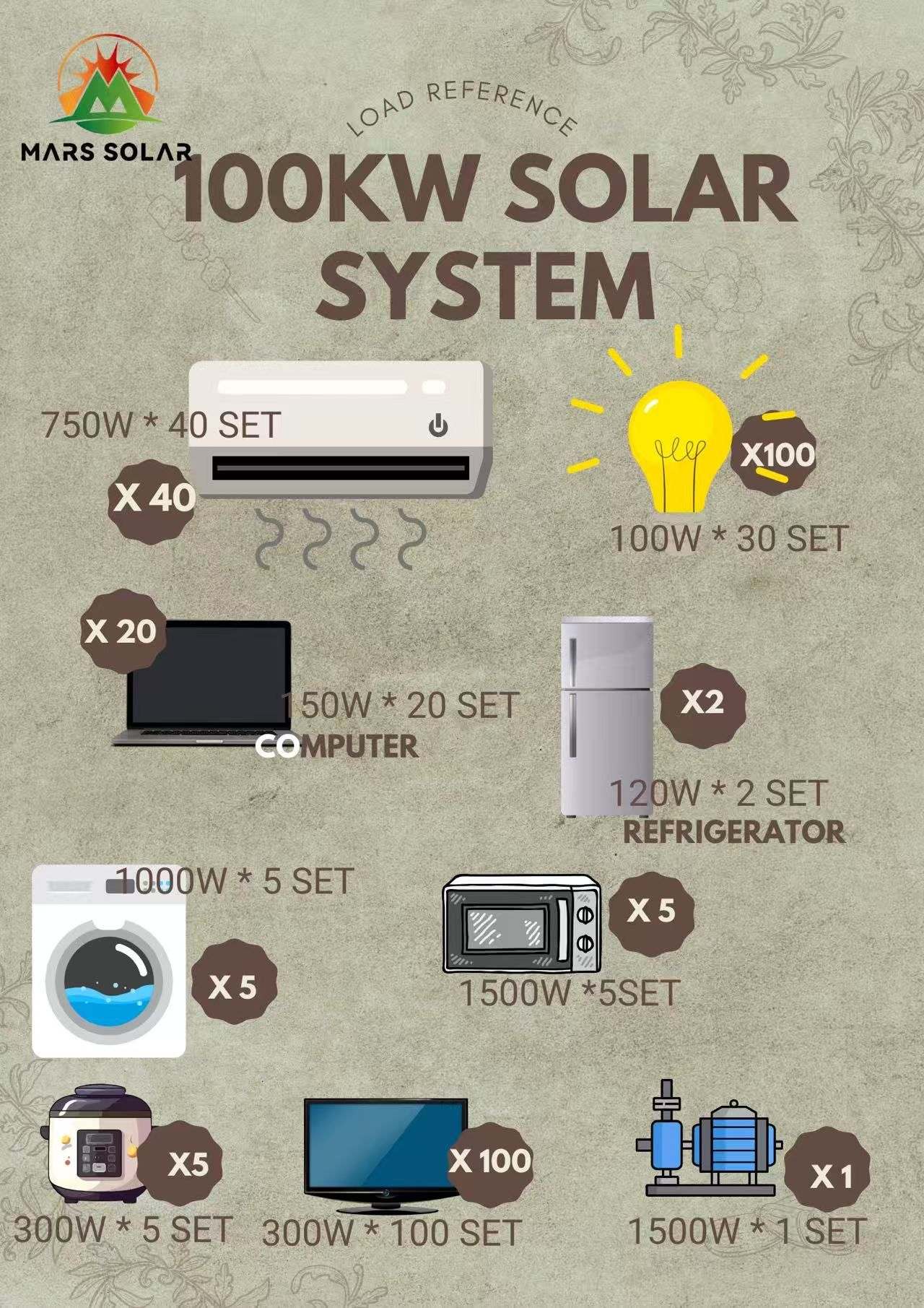
Installed cost per kilowatt falls as the system gets larger, which is why commercial projects are cheaper per unit than home systems. These are grid-tied (no battery) figures compiled from 23 real installer quotes and 2026 market data.
| حجم النظام | Typical Installed Cost | الأفضل لـ |
|---|---|---|
| 3 kW home | ₱165,000 – ₱225,000 | Small household (₱4,000–₱6,000 bill) |
| 5 kW home | ₱190,000 – ₱375,000 | Average home (₱7,000–₱10,000 bill) |
| 10 kW home / shop | ₱450,000 – ₱700,000 | Large home, store, small office |
| 15–30 kW SME | ₱750,000 – ₱1.5M | Clinics, schools, SMEs |
| 50–100 kW commercial | ₱2M – ₱4.5M | Warehouses, factories |
| 100 kW – 1 MW industrial | ₱4.5M – ₱6.5M per 100 kW | Large factories, malls, condos |
These prices cover panels, inverter, mounting, wiring, permit assistance and commissioning — a genuine turnkey number, not a teaser. Metro Manila (NCR) installations run 10–15% higher than the provinces due to labour costs, but that premium is recovered faster because Meralco’s rates are also the highest.
If a quote looks unusually cheap, check what has been left out — mounting quality, protection devices and permit processing are the three most common omissions.
The Philippines runs on imported coal and gas, which means your electricity bill tracks global fuel prices and the peso-dollar rate — two things that have only moved against Filipino consumers in 2026.
| Month (2026) | Meralco rate per kWh | يتغير |
|---|---|---|
| January | ₱12.9508 | — |
| March | ₱13.8161 | +₱0.64 |
| April | ₱14.3496 | +₱0.53 |
| July | ₱14.8261 | peak |
| August | ₱14.7833 | −₱0.04 |
That is a 14.2% increase in eight months, and essentially all of it came from the generation charge, which tracks imported fuel and the peso. Brent crude touching $119.50 per barrel in March 2026 and the peso weakening past ₱60 to the dollar both fed directly into your bill. Provincial electric cooperatives in diesel-dependent areas can charge ₱14–₱16/kWh or more — the most expensive power in the country.
Every peso the grid rate climbs shortens your solar payback, because each kilowatt-hour you generate on your own roof avoids a more expensive one from the grid. This is the definition of an improving investment.
In April 2026 the Department of Energy issued Circular DC2026-01-00012, the biggest procedural change to Philippine rooftop solar since RA 9513 was enacted in 2008. Three changes matter to every buyer:
| يتغير | قبل | After (2026) |
|---|---|---|
| Utility approval | 30–90 days, no legal deadline | 10 working days, else deemed approved |
| LGU electrical permit / CFEI | 2–4 weeks, no standard | 3 working days |
| Commercial capacity cap | 100 kW | 1 MW (tenfold increase) |
The 1 MW cap lift is the headline for businesses: a factory or mall with 1,000–3,000 sqm of roof can now register a 300–500 kW system under net metering, where previously only 100 kW qualified. There is also a February 2026 multi-site reform letting a business share energy credits across multiple accounts under the same distribution utility.
Philippine net metering credits your exports at the blended generation rate, not the retail rate — roughly ₱9.25/kWh versus ₱14.83/kWh retail (July 2026). A self-consumed kilowatt-hour is worth close to double an exported one, so your system should be sized to your daytime load, not oversized for export.
Rooftop solar capacity in the Philippines nearly doubled from ~721 MW in early 2025 to ~1,300 MW by April 2026 — the market has already voted.
How much does a solar panel system cost in the Philippines in 2026?
A grid-tied system costs ₱33,500–₱38,000 per kW installed in Metro Manila. A 5 kW home runs ₱190,000–₱375,000; a 100 kW commercial system ₱4.5M–₱6.5M.
Is net metering worth it in the Philippines?
Yes — but size to your daytime load. Exports are credited at the generation rate (~₱9.25/kWh), so self-consumed power (worth ~₱14.83/kWh) delivers roughly double the value of exported power.
How long does approval take now?
10 working days for the utility, 3 for the LGU permit and CFEI, under the April 2026 DOE circular. An incomplete application does not start the clock — submit a complete package.
Do I need a battery?
For most grid-connected homes, no — a grid-tied system without battery has the fastest payback. Add battery only if you need backup during outages or want full energy independence.
Will panel prices keep falling?
Not by much. Module prices are near historic lows from oversupply; Philippine installed cost is now dominated by labour, permits, mounting and inverters. The “wait for cheaper” strategy loses money every month your bill stays high.
Get a free site-specific quotation with a payback calculation for your roof and your electricity bill. Contact us on WhatsApp or by email, and tell us your monthly bill and roof area — we will return a price and payback estimate.

 English English
  Chinese
 Arabic
 German
 Spanish
 French
 Italian
 Japanese
 Korean
 Dutch
Dutch
 Portuguese