
لغة
Power outage cost for hotels in Nigeria runs on two ledgers, and most Nigerian hotel owners only see one of them. The visible ledger is the diesel invoice. The invisible one is the December booking lost because the room was dark, the lift was down, or the cold room failed overnight.
Both ledgers have to be priced before any solar quotation is worth comparing. A hotel that prices only the diesel line will undersell the project; a hotel that prices only lost revenue will struggle to defend it. This guide works through both, then covers the seasonal demand curve that decides whether the design survives December.
A 50-room Nigerian hotel running its generator around the clock spends roughly N2.7m to N3.6m on diesel every month. The African Development Bank put measured outage losses across Nigerian firms at 3% of annual sales, with 70.7% of businesses owning or sharing a generator. Hotels concentrate that loss badly, because occupancy, catering and cold storage all fail in the same hour. A correctly sized hybrid solar system with battery storage typically displaces 70-95% of that diesel burn and pays back in 8-18 months in this market.
Across this guide we return to the same figure from four directions: the diesel ledger, the revenue ledger, the seasonal curve, and the landed cost. Together they are what Power outage cost for hotels in Nigeria actually consists of.
Most commercial users lose money when the lights go out. Hotels lose in three separate places at once, which is why Power outage cost for hotels in Nigeria deserves its own calculation rather than a reuse of the generic business figure.
A guest who arrives to a dark room, a non-working air conditioner and no hot water does not complain at the front desk, and that silence is the most expensive line in Power outage cost for hotels in Nigeria. They post a review, request a refund and do not return. The room revenue was recognised; the repeat revenue was not. In December, when Lagos properties run at 90-95% occupancy, there is no empty room to resell that loss into, which is what makes Power outage cost for hotels in Nigeria so seasonal.
Kitchen refrigeration, freezer rooms and water-chilling plant are the loads that spoil fastest during an outage. Four hours without a working cold room writes off stock that cannot be re-bought at any price that day. This is the failure mode we see most often in Nigerian hotel audits, and the strongest argument for sizing storage against the evening block rather than the daytime peak when reducing Power outage cost for hotels in Nigeria.
Housekeeping, kitchen and maintenance crews slow sharply under emergency lighting, which quietly inflates Power outage cost for hotels in Nigeria. Night staff work fewer effective hours for the same payroll. That cost never appears on a generator invoice, which is exactly why it is missed in most business cases for Power outage cost for hotels in Nigeria.
Add those three and Power outage cost for hotels in Nigeria becomes a revenue-side problem, not an operating-cost one. The distinction decides who approves the project: a cost saving is signed off by an operations manager, a revenue protection case is signed off by the owner or the board.
Two official figures frame Power outage cost for hotels in Nigeria, and both are worth quoting to an investor before you present a system price, because both come from outside the property and neither depends on the vendor.
The African Development Bank's African Economic Outlook 2026 reports that electricity outage losses amount to 3% of annual sales in Nigeria and that 70.7% of Nigerian firms own or share generators. In the same report, generator ownership is 63.3% in South Africa and 38.7% in Tanzania, while Mali and Chad lose up to 10% of annual sales. Nigeria is not Africa's worst loss figure; it is one of its most generator-dependent large economies.
The bank's framing helps internally, because owners already accept the language: these private electricity costs act as parallel levies on business income. A hotel carrying diesel, a maintenance contract and a fuel logistics chain is paying a second tax on every room it sells.
Nigeria's service-based tariff bands price grid power by how many supply hours a feeder actually delivers. the regulator sets the framework: Band A receives 20 or more hours per day and pays approximately N209.50 per kWh, a rate held since July 2024. Lower bands receive fewer hours and pay less per unit on partly subsidised rates that vary by distribution company.
Band A at about N209.50 per kWh is cheaper per unit than most hotels believe, which is why a naive calculation concludes grid power is affordable and Power outage cost for hotels in Nigeria is not a problem. That calculation is wrong twice: it assumes the promised hours arrive, and it ignores diesel burned during the hours they do not. national grid generation data و international generation statistics both show generation well below installed capacity, which is the physical reason supply hours fall short.
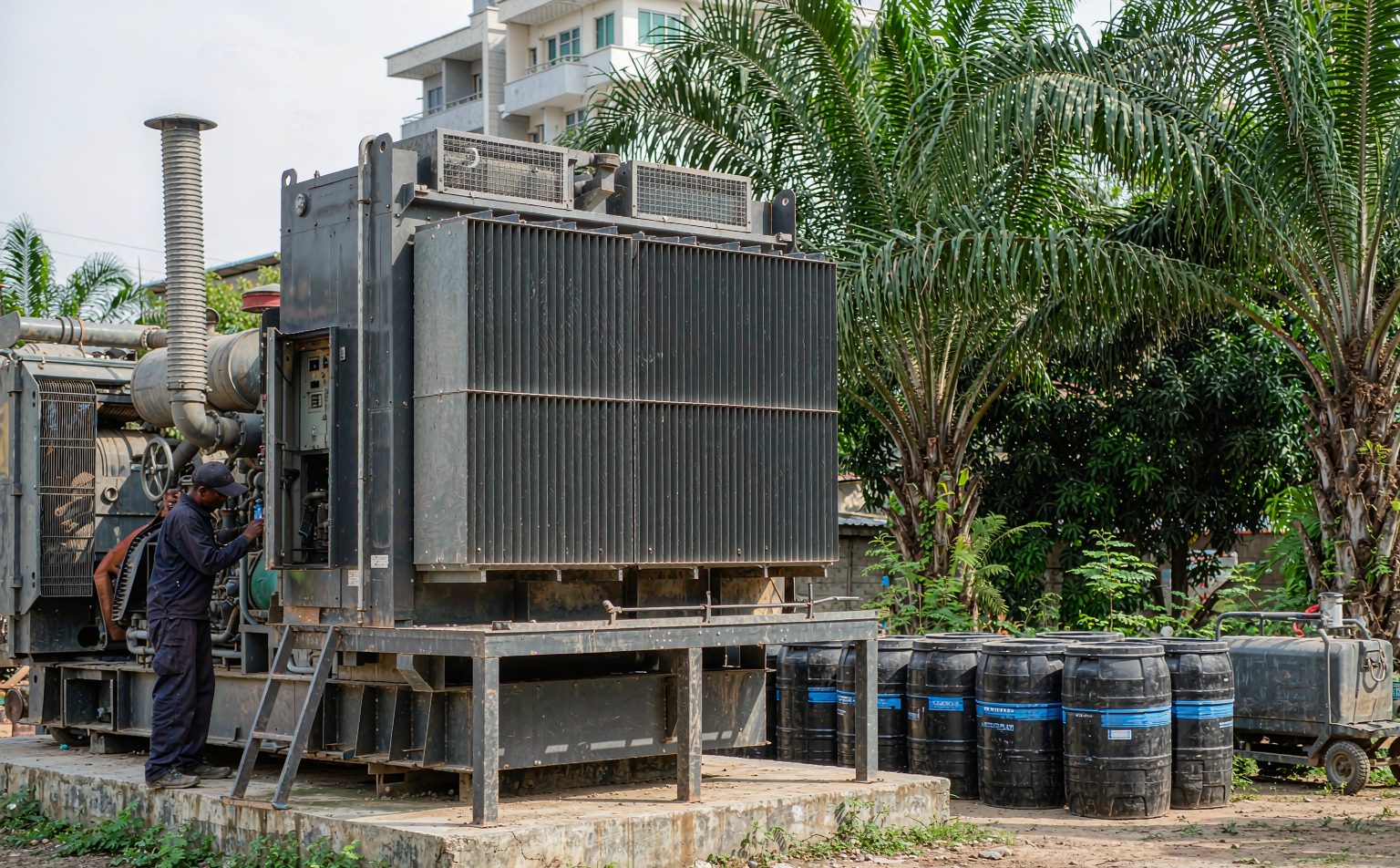
The diesel bill is the part every hotel already tracks, so start there. It is the half of Power outage cost for hotels in Nigeria that any auditor can verify from the outside. Our published Nigerian comparison works from generator consumption of roughly 0.30-0.35 litres per kWh at rated load, which at 2026 fuel prices lands at approximately N360 to N525 per kWh on fuel alone, before maintenance, depreciation or a breakdown during trading hours. The diesel versus solar cost breakdown for Nigeria covers the full component breakdown.
Unit cost is only half the problem behind Power outage cost for hotels in Nigeria. What matters more for Power outage cost for hotels in Nigeria is the runtime multiplier, and hotels are extreme outliers. Industry reporting from 2024, the most recent year with published figures, puts Nigerian hotel generators at 12 to 24 hours per day after fuel subsidy removal roughly tripled diesel and petrol prices, with fuel reaching 20-30% of operating expenditure at affected properties. A restaurant running a generator eight hours a day and a hotel running it around the clock face completely different economics from the same kWh price.
Illustrative monthly diesel exposure for a 50-room Nigerian hotel, the first component of Power outage cost for hotels in Nigeria:
| Generator runtime | Diesel per month | Share of hotel OPEX |
|---|---|---|
| 8 hours/day | N900,000 - N1,200,000 | 8-12% |
| 16 hours/day | N1,800,000 - N2,400,000 | 15-22% |
| 24 hours/day | N2,700,000 - N3,600,000 | 22-30% |
Bands are indicative and should be checked against your own fuel receipts before a capital request. The finding that matters is the multiplier: doubling runtime doubles the bill, so cutting runtime is worth more than negotiating a marginally cheaper fuel price, and it is the fastest lever available against Power outage cost for hotels in Nigeria. That is the whole basis on which Power outage cost for hotels in Nigeria should be argued to a board.
The AfDB 3% figure is a national all-firm average. For a hotel the same outage has a different shape, because revenue is concentrated in specific hours, and that concentration is what makes Power outage cost for hotels in Nigeria seasonal rather than a flat monthly number. Hotel demand in Nigeria is overwhelmingly domestic and business-led, with roughly 75% of air traffic domestic and Lagos demand largely corporate and government travel. That demand is scheduled, bookable and cancellable, which is exactly what makes it fragile during a power failure and hard to recover afterwards.
Build the estimate in four steps and keep every input traceable, because credibility depends on the weakest assumption in the model. An untraceable Power outage cost for hotels in Nigeria figure will be rejected regardless of its size.
Apply that method and Power outage cost for hotels in Nigeria resolves into two sums: an operating cost reducible by 70-95%, and a revenue protection figure that depends entirely on your own booking data. Only the first can be validated from outside the hotel, which is why suppliers quote the first, and why owners who accept only the first end up with a thin business case and an unfunded project.
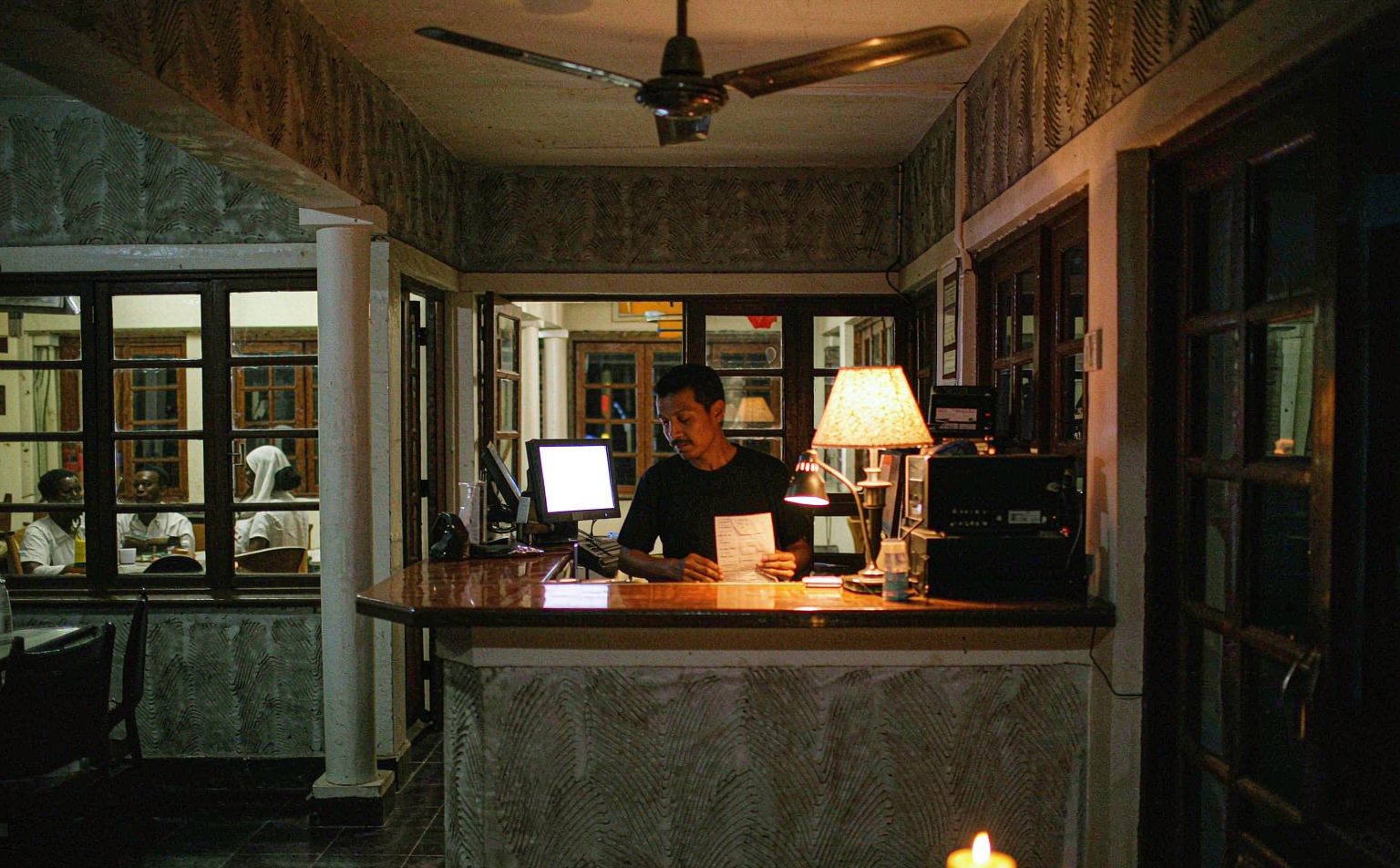
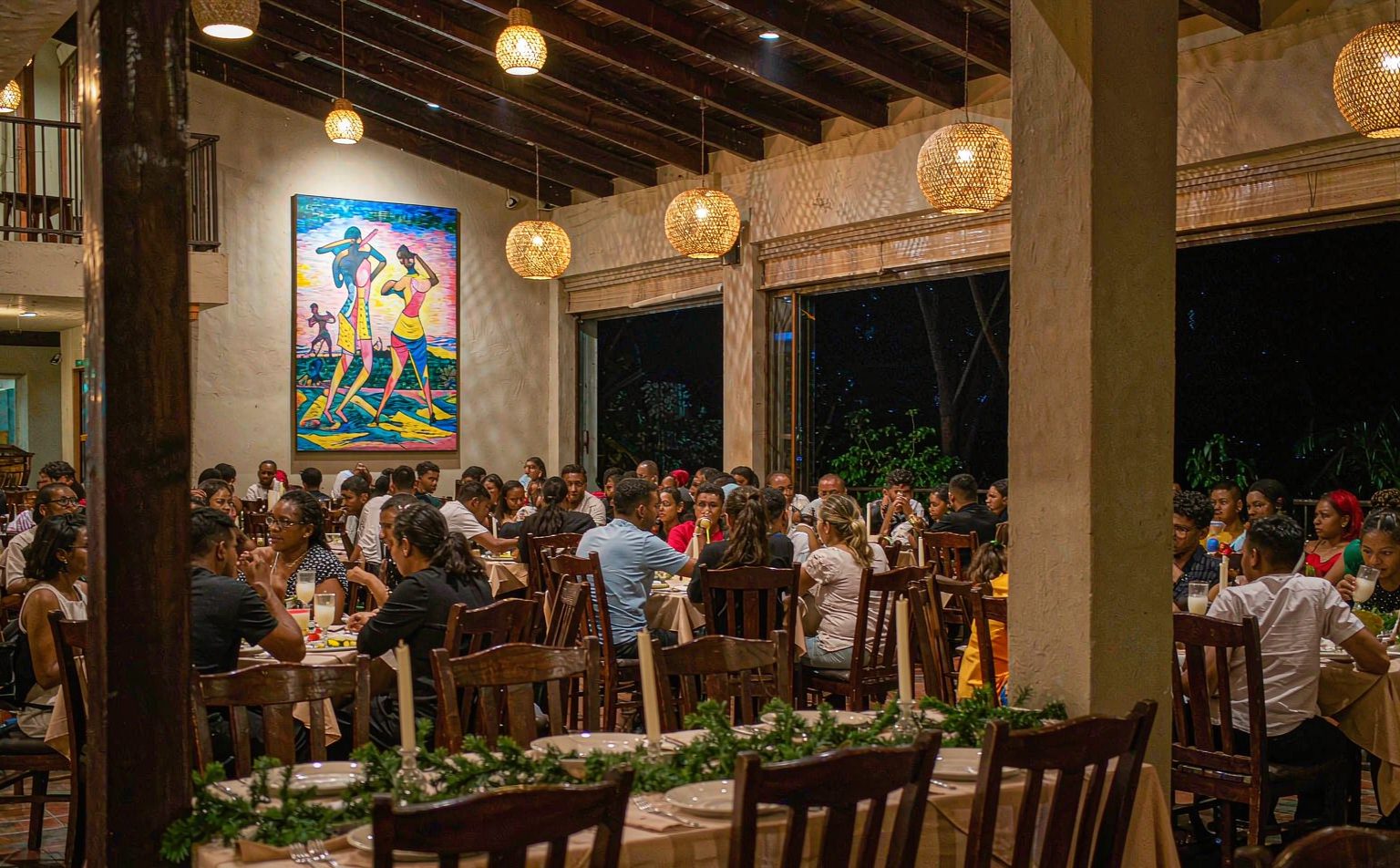
The most common design error we correct in Nigerian hotel systems is sizing on annual-average consumption, which understates Power outage cost for hotels in Nigeria in every month that matters. Nigerian hospitality load is strongly seasonal, and the seasonal peak lands when the property earns most. For Power outage cost for hotels in Nigeria the consequence is direct: a system sized on average will carry the hotel comfortably in the Q2 rainy season and fail at the moment of highest revenue in December.
Published occupancy patterns for Nigerian city hotels show Lagos and Abuja running roughly 65-70% occupancy in Q4 against about 55-60% in Q2, with the December festive period commonly reported at 90-95% occupancy in Lagos and above 95% at peak in Calabar. Average daily rate has also inflated sharply, reported up about 55% year on year, so a full house in December earns more per occupied room than the same full house in June. The second component of Power outage cost for hotels in Nigeria is therefore not a constant: it is a curve.
Two design rules follow for reducing Power outage cost for hotels in Nigeria:
Where a property cannot serve peak load from solar alone, the correct answer is a hybrid design: solar plus storage plus grid fallback, rather than a pure off-grid system that must be oversized to stay reliable. That choice is where Power outage cost for hotels in Nigeria is either halved or merely moved. That choice is where Power outage cost for hotels in Nigeria is either halved or merely moved. Our off-grid, hybrid and on-grid architecture compared compares the three architectures with their cost profiles.
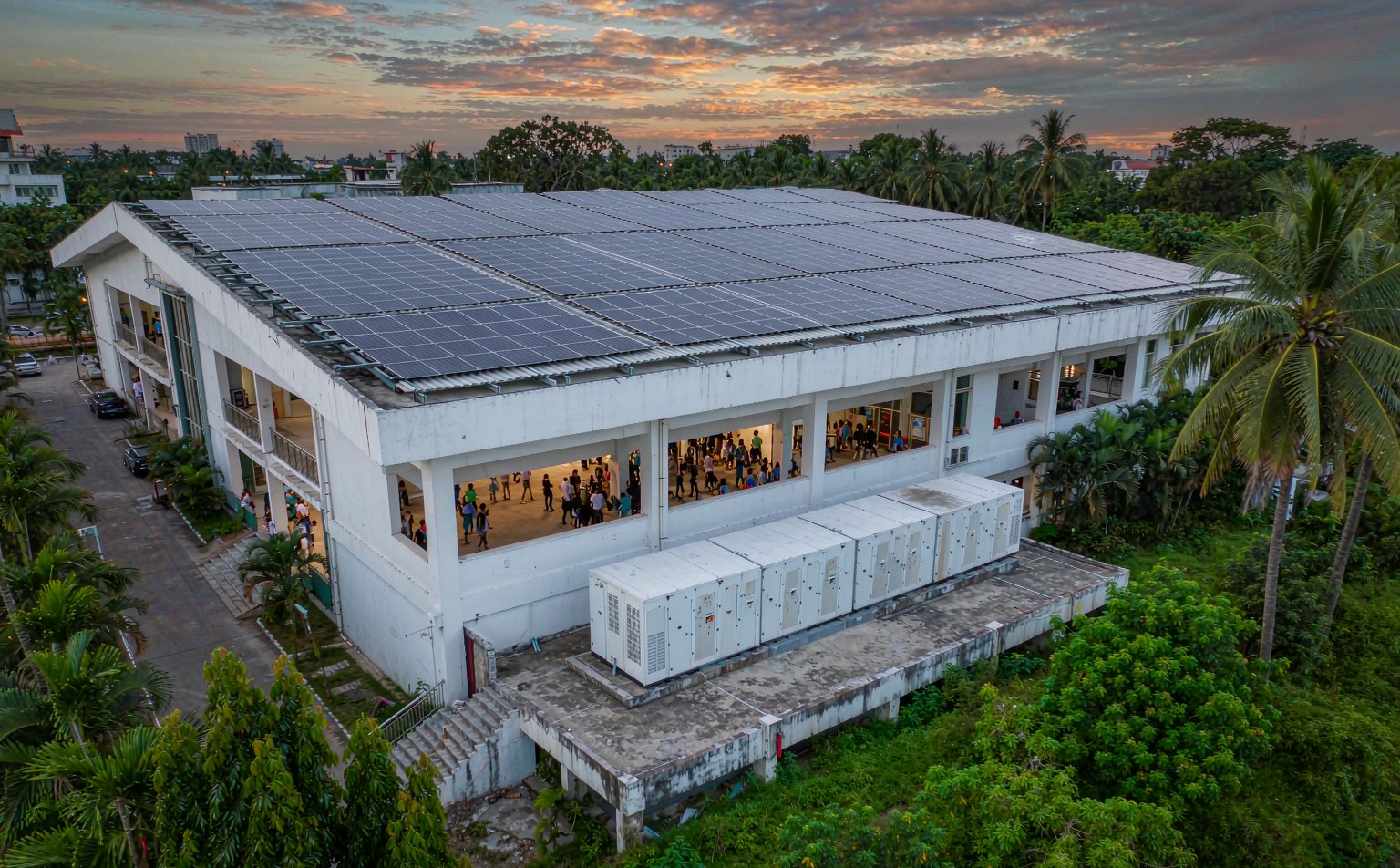
Once Power outage cost for hotels in Nigeria is priced, the question becomes what a system can realistically retire. A well-designed hybrid installation with battery storage displaces 70-95% of diesel consumption at most Nigerian hotel sites. In practice the generator stops being a daily expense and becomes a rare reserve rather than an eliminated item, and any promise of full year-round diesel elimination is overpromising on the rainy season.
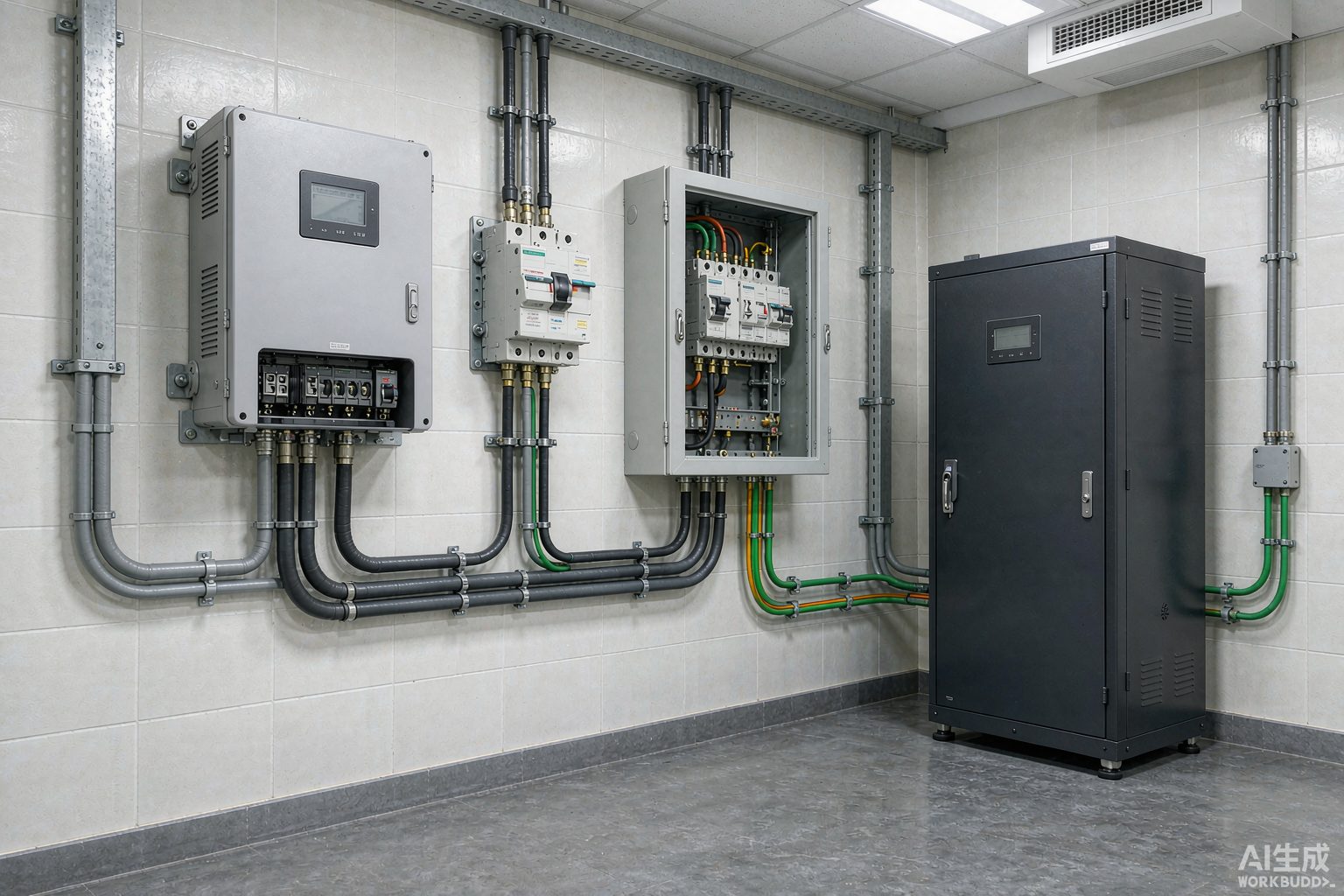
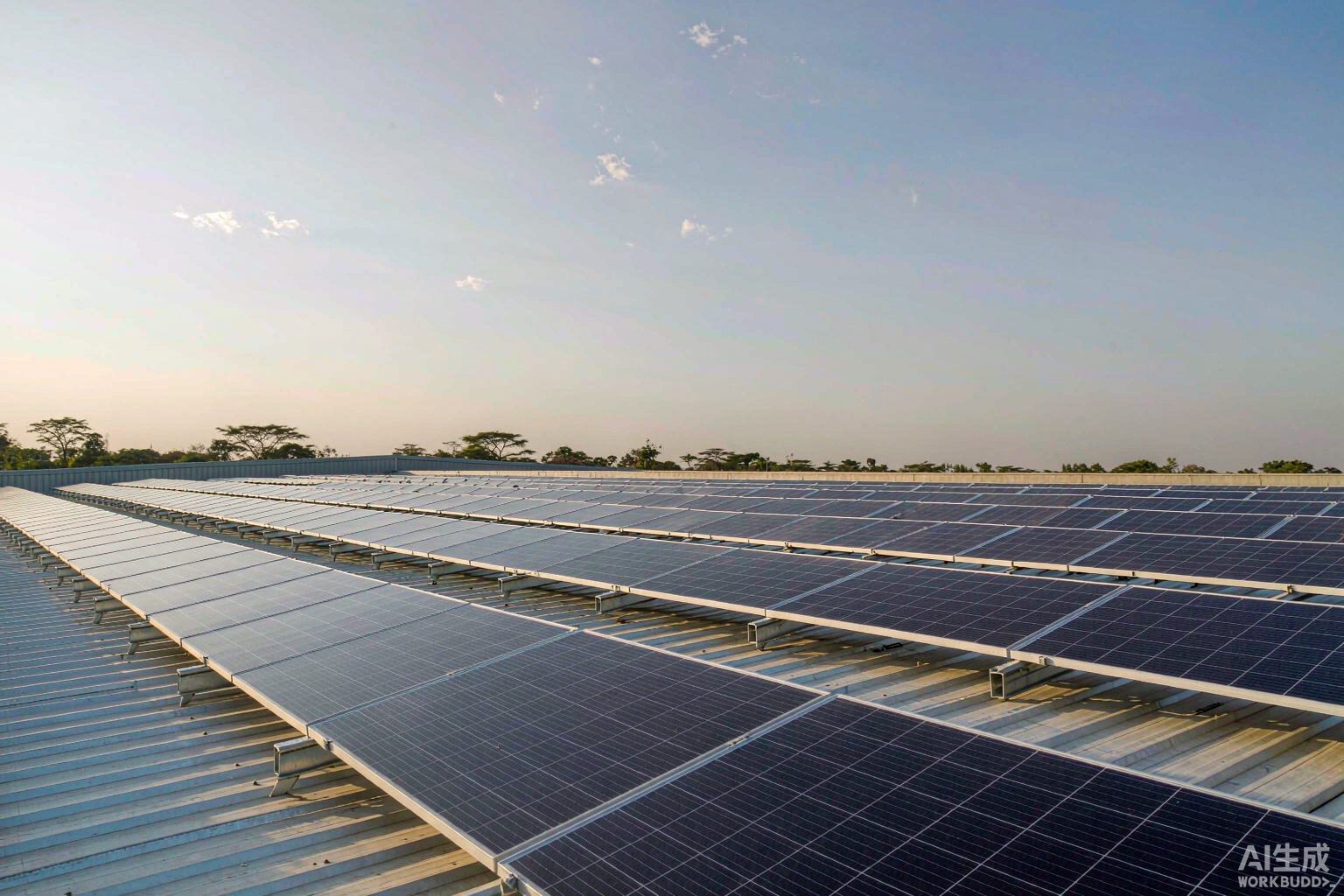
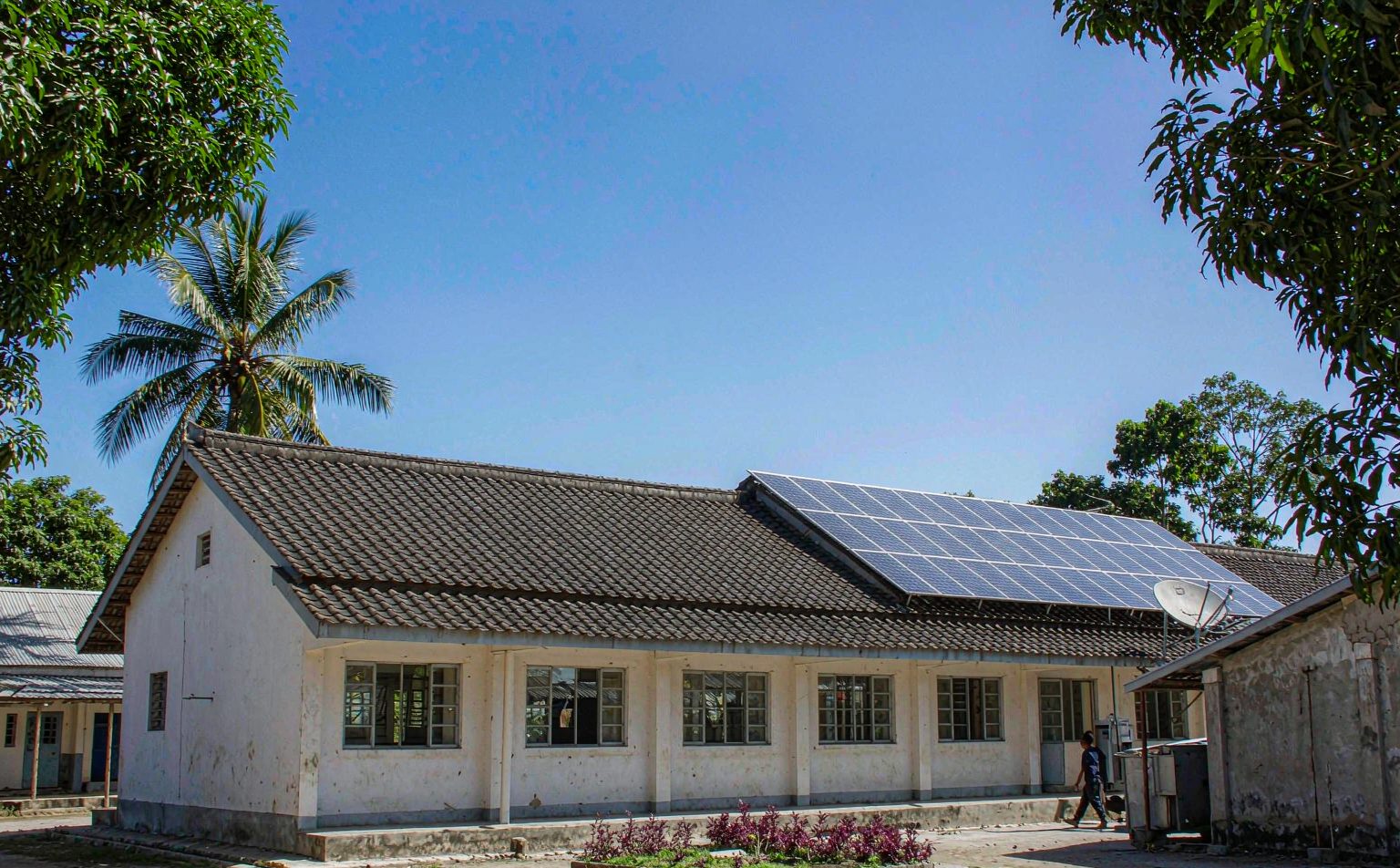
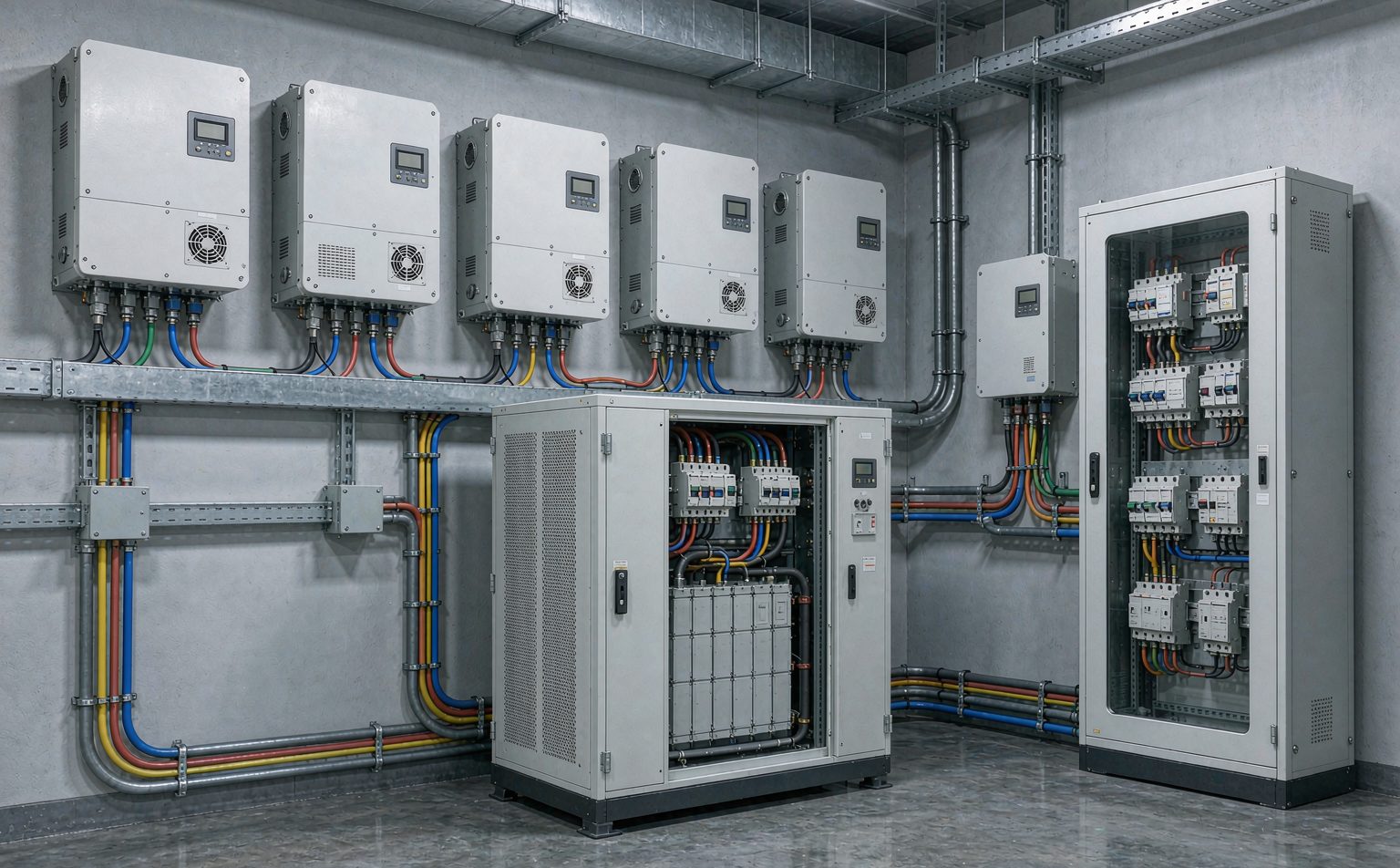
The installation that produces that displacement is a compact equipment room rather than a large plant: modules on the roof or an adjacent structure, a battery bank in a shaded room, and an inverter that manages the changeover without manual intervention. Getting that room right is what separates a system that reduces Power outage cost for hotels in Nigeria from one that only appears to.
The investment reference points below come from our published 2026 pricing guide for solar in Nigeria, which lists factory-direct landed quotations for Lagos and Port Harcourt at N1,500 per US dollar. Treat them as order of magnitude, and remember that they are the number against which your own Power outage cost for hotels in Nigeria calculation will be tested, so ask any supplier for the exchange rate and duty assumptions behind their own number.
| System size | Typical hotel fit | Hybrid range | Off-grid range |
|---|---|---|---|
| 20 kW | 10-15 room guest house | N16m - N24m | N20m - N30m |
| 50 kW | 20-30 room hotel | N42m - N62m | N55m - N80m |
| 100 كيلوواط | 50-100 room hotel | N85m - N125m | N110m - N165m |
| 250 kW | Large city hotel or resort | N210m - N310m | N275m - N420m |
Battery cost is the largest single variable driver and the second-biggest line in any Power outage cost for hotels in Nigeria calculation. A 100 kW hybrid system with 200 kWh of storage carries roughly 35-40% of total system cost in batteries, which is why a quotation that looks cheap on panels often costs the same by delivery. Our BESS pricing and import guide for Nigeria breaks 2026 battery pricing down, and hybrid inverter sizing method covers the sizing that decides whether storage performs.
Working from a measured 30-room property, we have documented a system that cut monthly energy spend by roughly N2m with zero recorded outages across twelve months of operation. The 100kW field case study of a 30-room Nigerian hotel covers the design decisions, including fallback behaviour when the grid returns. Treating Power outage cost for hotels in Nigeria as a measurable operating figure rather than a complaint is what makes that documentation usable in a capital request.
Power outage cost for hotels in Nigeria budgets usually go wrong between an ex-works price and the price on your invoice. Nigerian import handling adds a predictable stack that must appear in any honest comparison, and SONCAP and duty guide for importing solar into Nigeria sets out the current SONCAP and duty requirements in detail. A landed figure that omits this stack understates Power outage cost for hotels in Nigeria by a third.
Certification is a commercial question, not paperwork, and it decides whether Power outage cost for hotels in Nigeria falls by 5% or by 20%. Nigerian hotel installations are normally specified against IEC 61215 and IEC 61730 for modules, IEC 62109 for inverters and IEC 62619 for lithium cells, with SONCAP documentation required for clearance.
An assembly built from uncertified components is hard to insure and hard to resell, which matters more than purchase price on an asset held for twenty-five years. The solar for schools and hospitals with long outage loads guide covers how load profile drives certification choices for facilities with long outage hours, and why that choice shows up in Power outage cost for hotels in Nigeria five years later rather than at handover.
For a like-for-like comparison across markets rather than only against diesel, our Nigeria versus Ghana versus Kenya market comparison sets Nigerian economics against Ghana and Kenya. Whichever route you take, the landed figure is what Power outage cost for hotels in Nigeria is finally measured against.
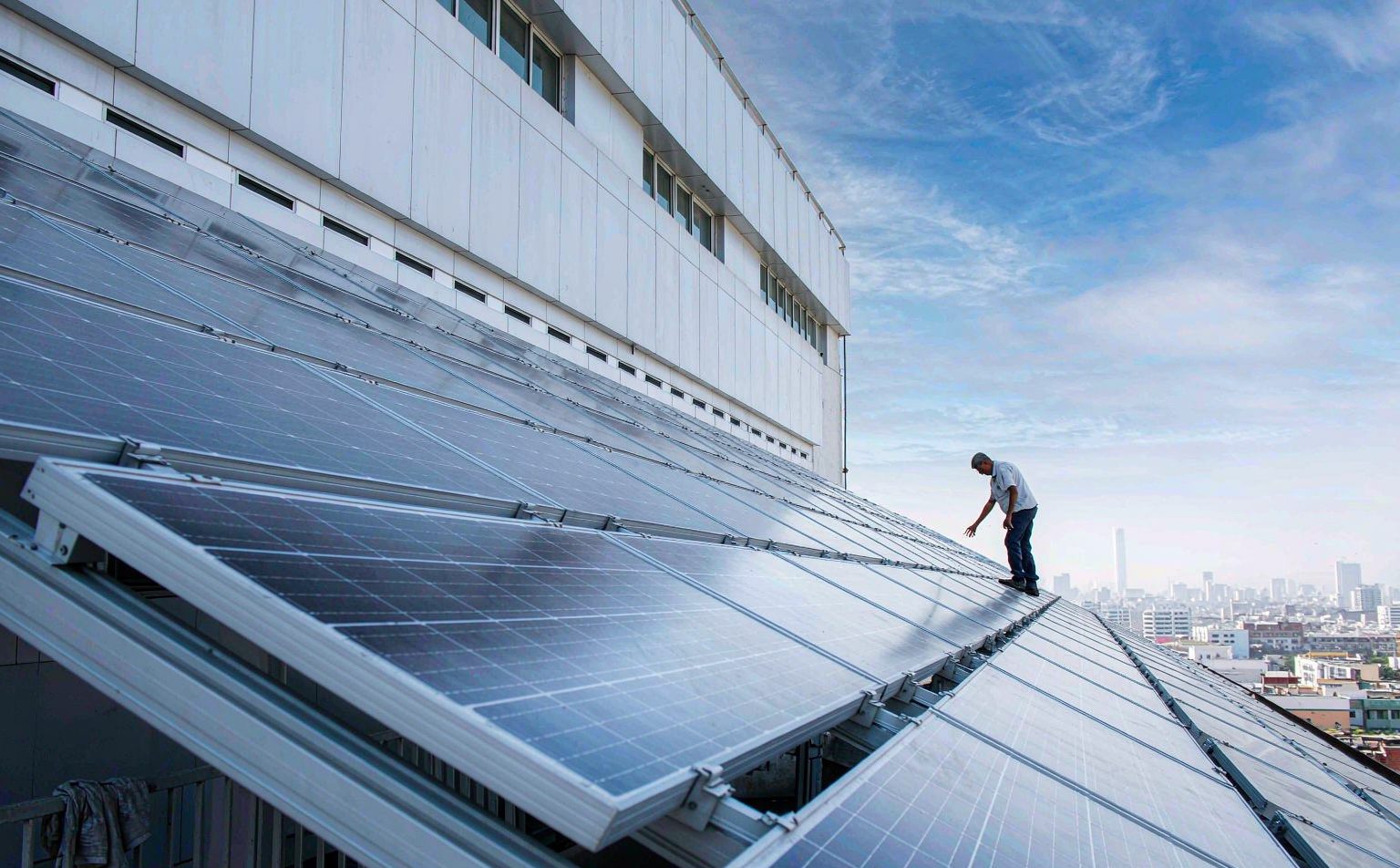
Once Power outage cost for hotels in Nigeria is priced, the design follows a fixed sequence that we have not changed in a decade of hotel projects. We use the same five steps on every hotel project, because the failures we used to see all came from skipping one.
Two further points matter more in Nigeria than most markets when Power outage cost for hotels in Nigeria is the number under scrutiny. Spare parts availability and on-ground support should carry more weight in supplier selection than panel specification, because a component stuck in a customs queue for six weeks is not on any datasheet. And where a site genuinely cannot tolerate any loss of supply, size for autonomy rather than bill savings, which is a larger and different calculation.
Comparable hotel projects are documented at 250kW storage project for a hotel in Abuja, at 250kW hotel system case in Accra, and Nigerian site records at 100kW hotel project record in Nigeria. If a site survey is the next step, the fastest route is sending your generator fuel receipts and one month of electricity bills, because those two documents let us price Power outage cost for hotels in Nigeria for your property rather than for an average one.
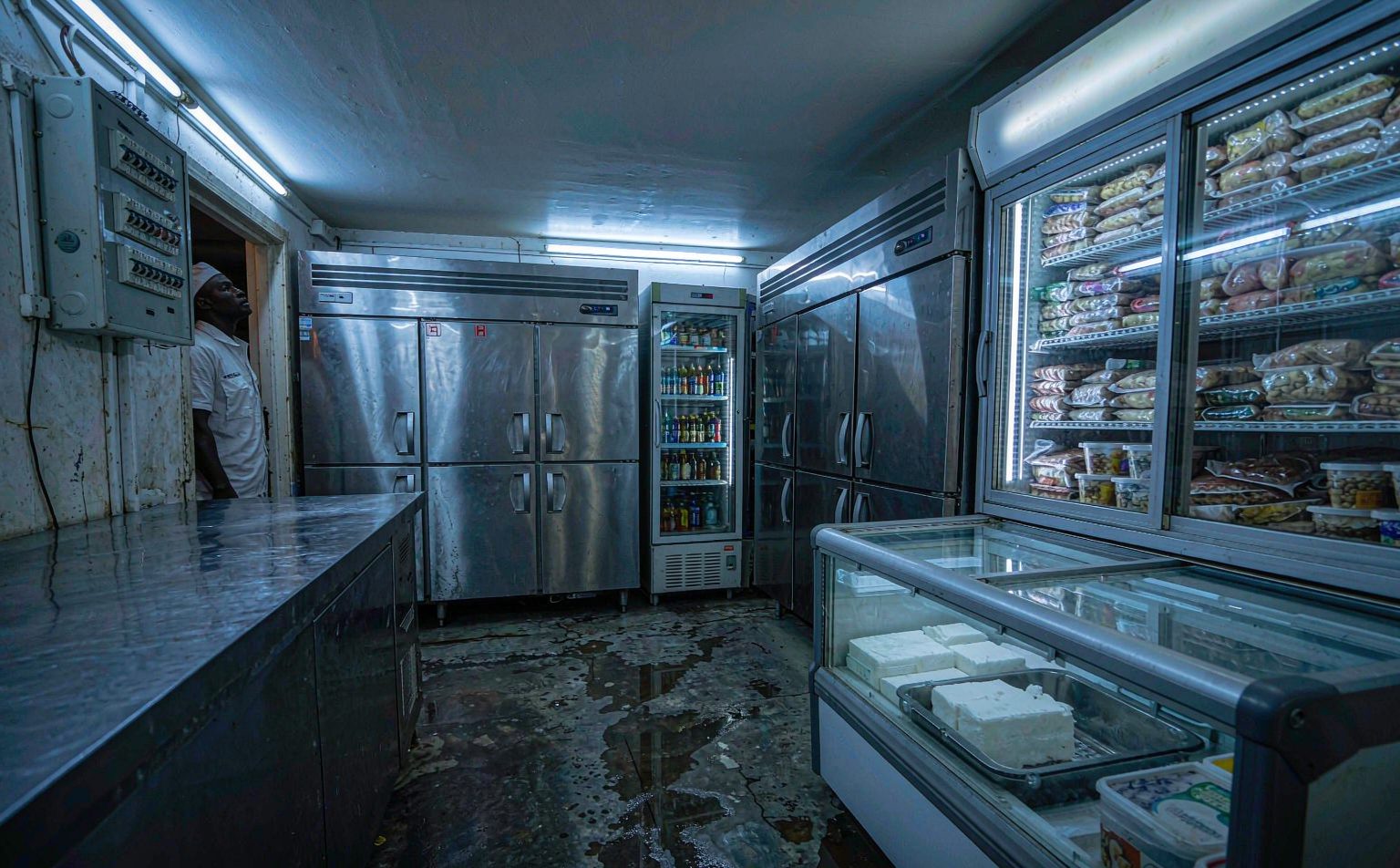
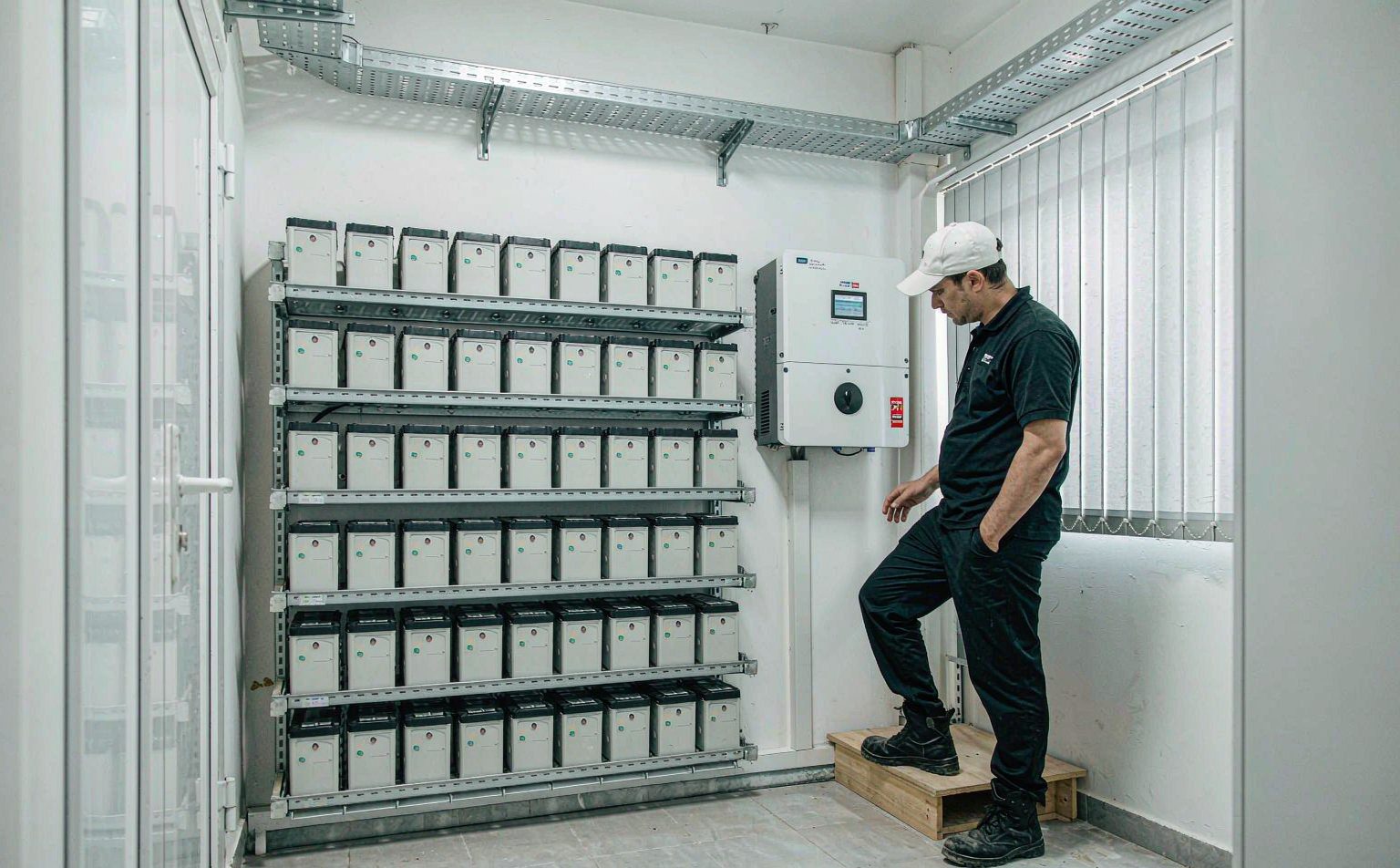
These five mistakes account for most of the mispriced hotel solar projects we are asked to review, and each one directly distorts Power outage cost for hotels in Nigeria in one direction or the other. None is a technical error; all are commercial.
Band A power at about N209.50 per kWh looks affordable, so a buyer compares solar levelised cost to that number and concludes solar is not worth it. The comparison omits diesel burned during the hours the band does not deliver, which in most city hotels is the majority of them.
Presenting 3% as this hotel's expected loss, without a booking-based build-up, invites the finance team to reject the whole case on the grounds that the revenue figure is borrowed. Price your own ledger instead.
A design that fits the Q2 rainy season can undershoot December peak load by a third or more. Ask for the peak-month calculation, not the annual one, because that is the month Power outage cost for hotels in Nigeria is decided.
A bank sized against total daily consumption is undersized for the part of the day that matters most, because solar output is zero after sunset and the hotel is full. This is the second most common cause of Power outage cost for hotels in Nigeria staying high after a system is installed.
Two quotations for the same kW can differ by 40% because one includes mounting, protection, cabling, commissioning and monitoring while the other is an equipment list. Normalise scope before comparing, and confirm what the supplier's local installation partner owns after delivery.
Our commercial solar sizing in Kenya applies the same five checks in a different tariff environment, which is useful for anyone running a multi-country portfolio.
For the condensed version, and for any reader who only needs the headline number behind Power outage cost for hotels in Nigeria.
Power outage cost for hotels in Nigeria has two measurable components. The visible one is diesel fuel spend, running at roughly N360 to N525 per kWh before maintenance and scaled by generator runtime that reaches 12-24 hours per day at busy hotels. The invisible one is lost revenue: the African Development Bank measured outage losses at 3% of annual sales across Nigerian firms, with 70.7% of businesses owning or sharing a generator. Grid power at about N209.50 per kWh under NERC Band A does not remove that diesel, because the supply hours justifying the Band A rate are the same hours that frequently fail to arrive.
A hybrid solar system with lithium battery storage typically displaces 70-95% of that diesel spend, and the seasonal demand curve means the design must be sized on peak occupancy rather than annual average. Measured payback on Nigerian hotel installations is 8-18 months, and the revenue protection argument is what turns a marginal energy project into an approved capital request. That is the whole of Power outage cost for hotels in Nigeria: a diesel ledger, a revenue ledger, a seasonal curve and a landed cost.
Use this sequence whether you are comparing quotations or instructing a supplier, and it will produce a defensible answer to Power outage cost for hotels in Nigeria without guessing at any step.
Once those eight items are on paper, comparing options becomes arithmetic rather than salesmanship, and Power outage cost for hotels in Nigeria can be discussed as the operating decision it actually is.
What is the average power outage cost for a Nigerian hotel?
As a visible cost, a hotel running a generator around the clock typically spends roughly N2.7m to N3.6m per month
on diesel at 2026 fuel prices. As an invisible cost, the African Development Bank measured outage losses at 3% of
annual sales across Nigerian firms, and hotels concentrate that loss because occupancy, catering and cold storage
fail together. Estimating {kw} properly means carrying both halves of that sum.
How much does a power outage cost hotels in Nigeria in diesel terms?
A generator burns roughly 0.30-0.35 litres per kWh at rated load, which at 2026 prices lands at about N360 to
N525 per kWh on fuel alone, before maintenance or depreciation. Multiply that unit cost by every kWh the hotel
actually consumes and you have most of the measurable {kw}. Multiply by runtime: a hotel running 12 to 24 hours
per day faces a far larger figure than one running eight. This is the measurable half of {kw} that any supplier
quote can be tested against.
Is grid power cheaper than diesel for a Nigerian hotel?
Per unit, yes. NERC Band A is about N209.50 per kWh, cheaper than the diesel equivalent, but Band A requires 20 or
more supply hours per day. Realistic power cost is the band tariff plus diesel burned during the hours the band
does not deliver, which for most city hotels is the larger part of {kw} once the generator runs at all.
What is the largest single component of power outage cost for hotels in Nigeria?
Usually the lost or refunded booking at the festive peak, not the fuel bill. A full Lagos property at 90-95%
December occupancy has no empty rooms to absorb a guest whose room was dark, so that loss is permanent rather
than recoverable. This is the argument that decides most {kw} cases.
How many hours of battery backup does a Nigerian hotel need?
Size on the largest evening and overnight load block rather than total daily energy, because solar output is zero
after sunset. Under-specifying the bank for daily totals is the most common fault in hotel quotations, and it is
the second-largest driver of {kw} after diesel once a system is already installed.
Does seasonality change the system size for reducing power outage cost in Nigeria?
Yes, materially. Nigerian city hotels run roughly 65-70% occupancy in Q4 against 55-60% in the Q2 rainy season,
and December commonly reaches 90-95% in Lagos. A system sized on annual-average load can undershoot December peak
demand by 30-40%, and the resulting {kw} in a December week is roughly double the annual-average estimate.
How much diesel does a hybrid system displace at a Nigerian hotel?
A properly designed hybrid system with battery storage displaces roughly 70-95% of diesel consumption, turning
the generator into a reserve rather than a daily cost. Any supplier promising full year-round elimination is
overpromising on the rainy season.
What documents do I need for an accurate quote?
Twelve months of electricity bills plus generator fuel receipts for the same period, and your runtime log. Those
three documents let a supplier price the actual replacement rather than an average property, which is the
difference between an indicative figure and a bankable one.

 English English
  Arabic
 Spanish
 French
 Dutch
Dutch
 Portuguese