
لغة
A Philippines solar BESS is no longer a premium option bolted onto a rooftop array — it is the component that decides whether a commercial solar project clears its hurdle rate. In a market where commercial electricity tariffs sit among the highest in Southeast Asia and grid outages still interrupt production, storage does three jobs at once: it shifts cheap daytime generation into expensive evening hours, it shaves the demand peak that drives your monthly bill, and it keeps critical loads running when the utility drops.
This guide covers what a Philippines solar BESS costs in 2026, how to size it against your own load profile, which tariffs and rules decide the return, and the certification items that hold up clearance. All figures are indicative factory-direct CIF quotations and should be re-verified with your supplier and your utility before you commit capital.
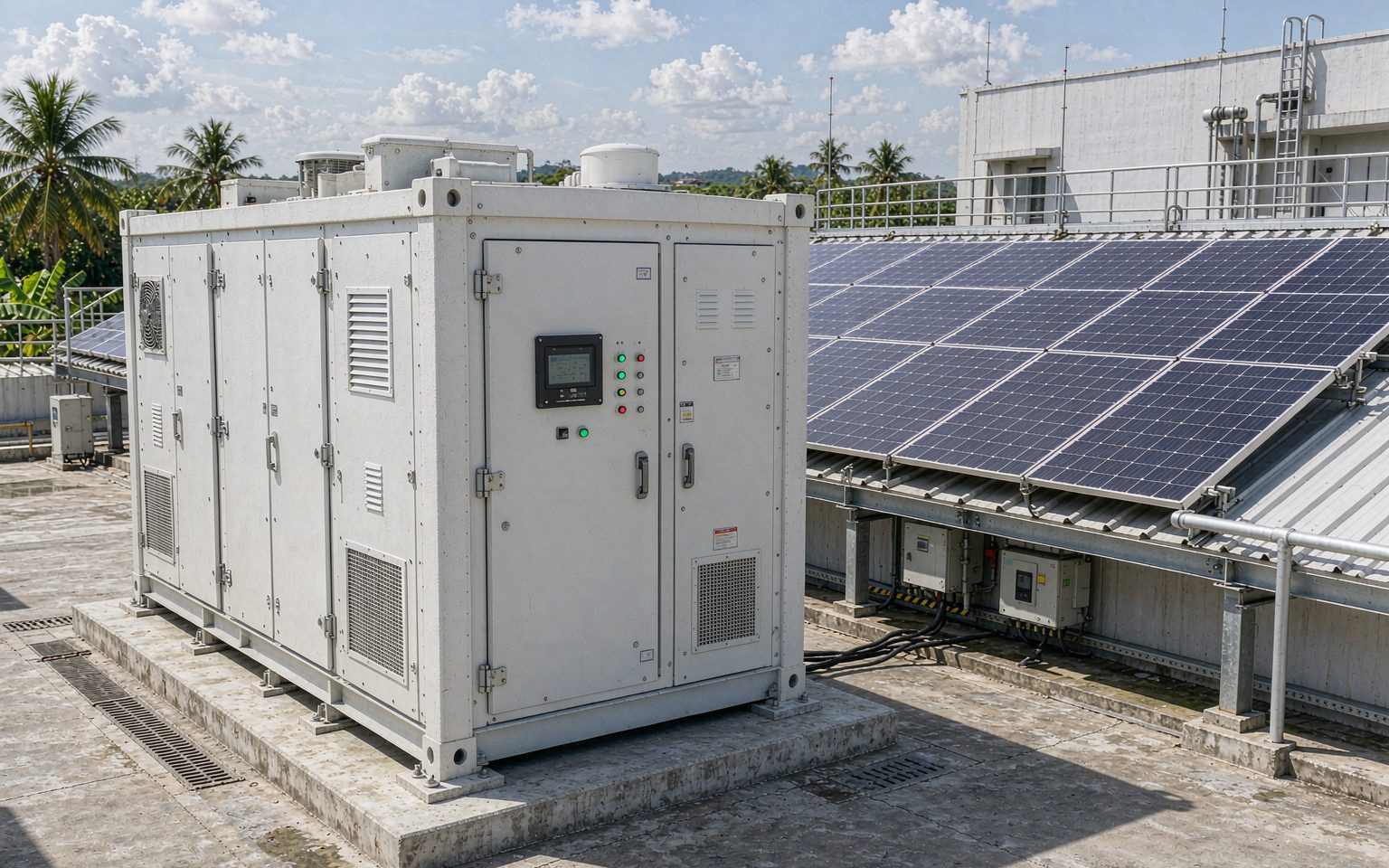
Two numbers matter: the cost of the battery capacity (per kWh) and the cost of the complete system (per kW of solar plus the storage block). Both are quoted factory-direct CIF Manila in 2026 at roughly the following levels for LFP chemistry:
| عنصر | Indicative 2026 price | ملحوظات |
|---|---|---|
| LFP battery block, rack-mounted | US$180–260 / kWh | Includes BMS; excludes PCS |
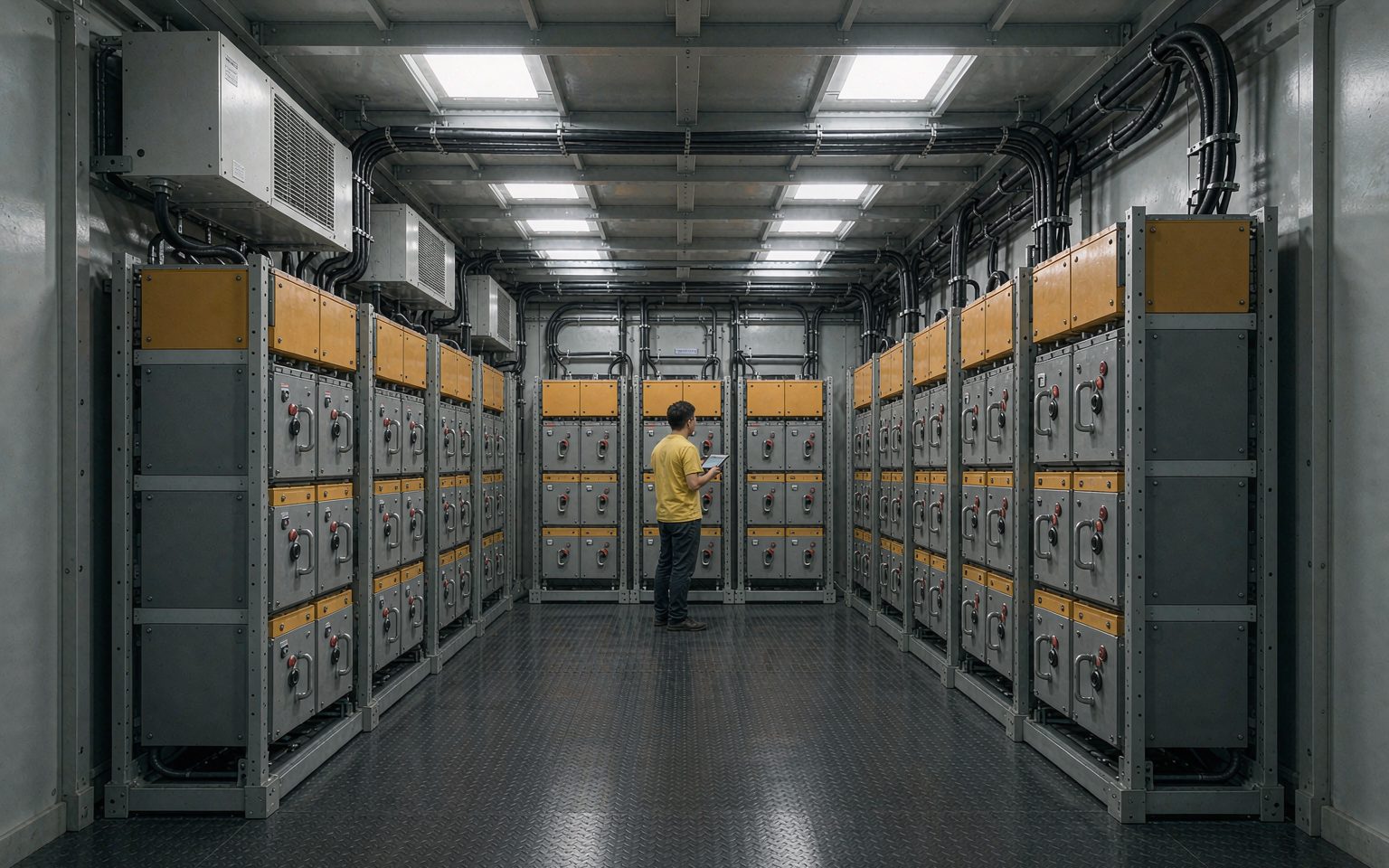
| Containerised BESS (500 kWh–2 MWh) | US$210–300 / kWh | Includes thermal management and fire suppression |
| Hybrid inverter / PCS | US$90–150 / kW | Bidirectional, grid-forming capable |
| Solar array (modules + mounting) | US$280–420 / kWp | Rooftop or ground mount |
| Complete solar + BESS, turnkey ex-works | US$700–1,100 / kWp | Depends on storage-to-solar ratio |
The storage-to-solar ratio is what moves the total. A factory that only wants to shave its evening peak may need 2 kWh of battery for every 1 kWp of solar; a site chasing maximum diesel or grid independence may need 4 kWh or more. Ask for the price broken down by block, not as a single lump sum — it makes comparison between suppliers possible.
There are three distinct savings streams in a Philippines solar BESS, and buyers who only model the first one usually underestimate the project:
Model all three before sizing. A storage block sized only for load shifting is typically 30–40% smaller than one sized for both shifting and a demand target — and the demand target is usually where the fastest payback sits.
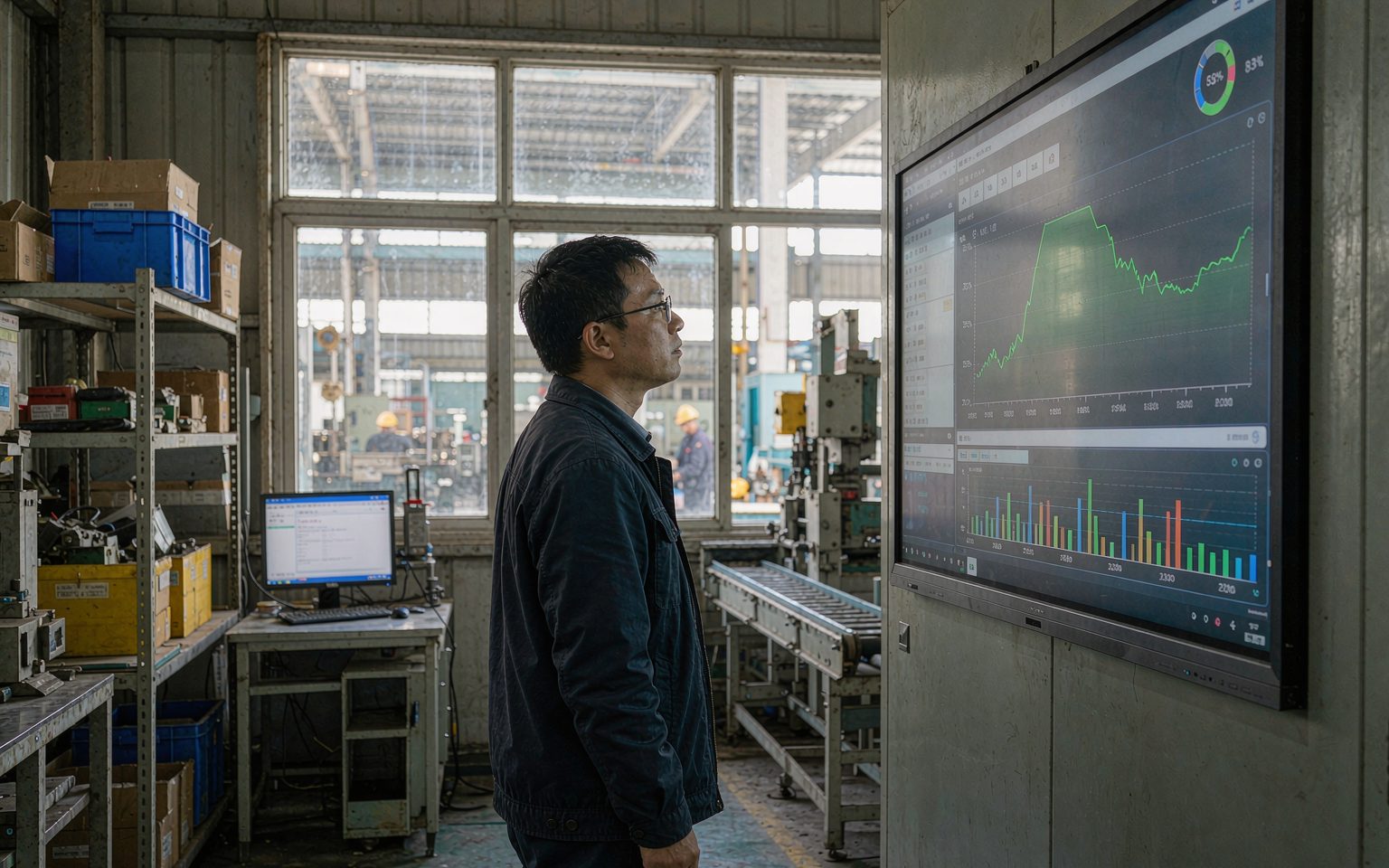
Sizing starts with 12 months of interval data, not with a rule of thumb. Ask your utility or your facilities team for the 15-minute or hourly consumption export, then work through four steps:
A worked example: a manufacturing plant with a 900 kW peak, 2,800 kWh consumed in the evening peak window, and a 15-minute peak charge that repeats monthly. A storage block in the 1.2–1.5 MWh range with a 500–700 kW PCS typically covers both the shifting and the shaving target, paired with 700–900 kWp of rooftop solar.
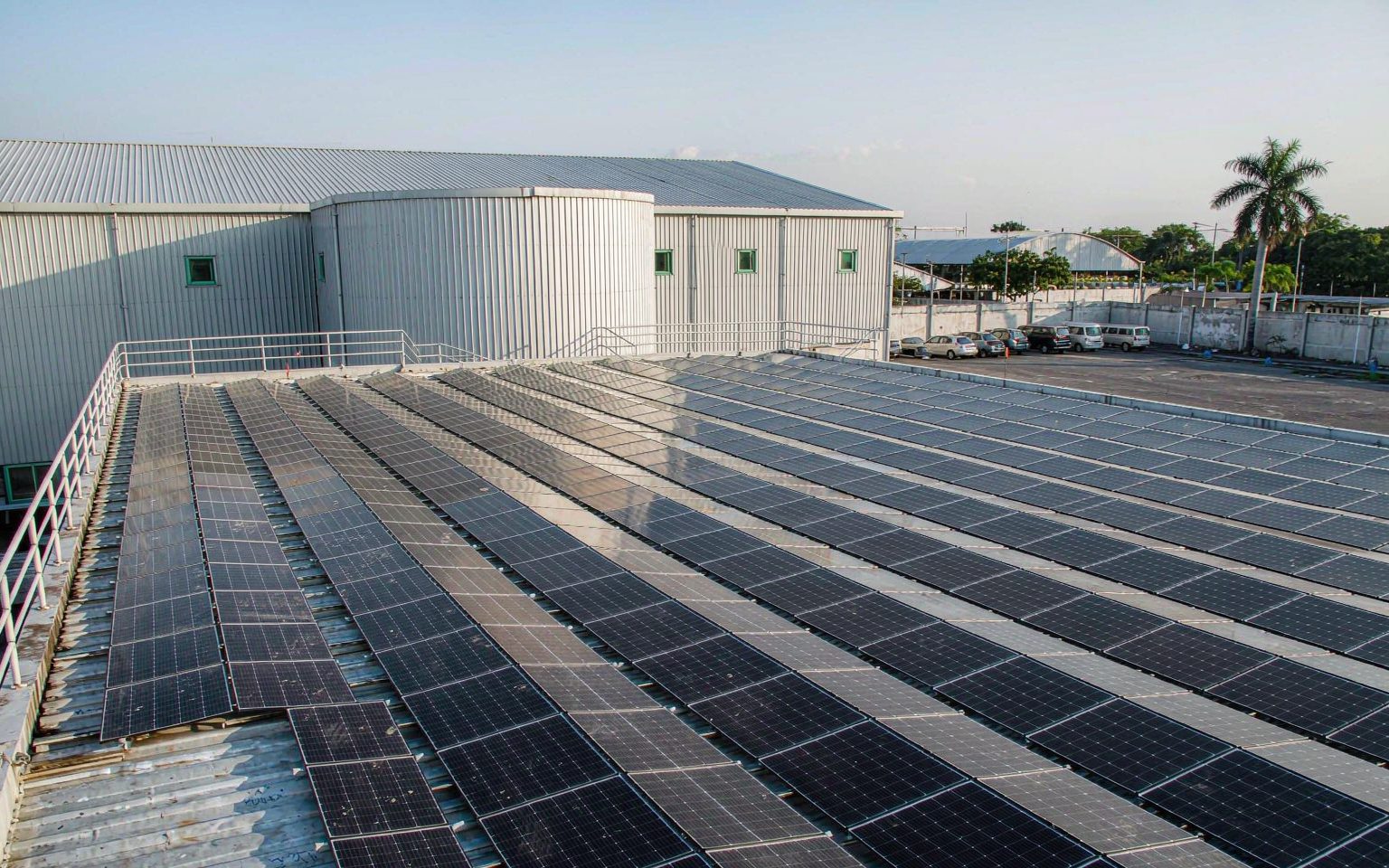
| Configuration | When it fits | What to watch |
|---|---|---|
| Grid-tied with zero export | Reliable feeder, daytime load, no backup requirement | No savings when the grid is down |
| Hybrid (grid + storage) | Most factories, hotels, cold storage, retail chains | Needs grid-forming inverter for seamless transfer |
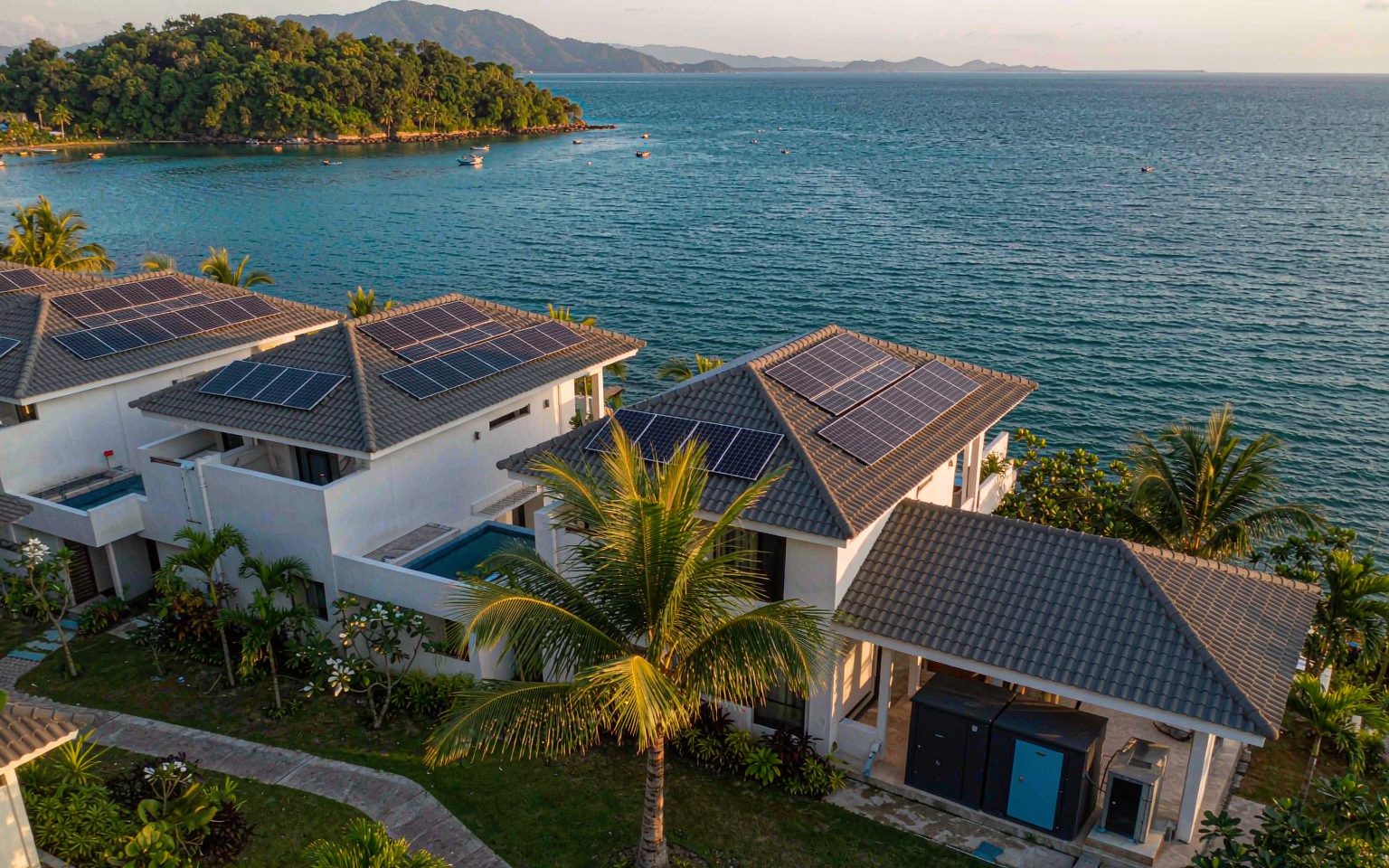
| Off-grid / weak grid | Islands, remote resorts, mining camps, feeder-end sites | Generator still needed as backup; sizing must cover worst-case cloud weeks |
For most Philippine commercial sites the answer is hybrid: the battery serves the evening peak and the outage window, while the grid remains the bulk energy source. Off-grid designs only make sense where the connection cost or the outage frequency is extreme — and even then, a small generator is normally kept as an insurance policy rather than removed entirely.
Philippine commercial customers sit under different regimes depending on size and location. Distribution utility customers are billed on a tariff schedule with an energy and a demand component; larger users may buy from a retail electricity supplier; and net metering for rooftop systems with export is generally available only below a capacity ceiling set for the programme, most often applied to smaller installations.
Three practical points decide the model:
Equipment arrives with documents, not promises. Before a Philippines solar BESS can be energised and connected, the components normally need product certification and standards marks recognised locally, plus import documentation handled through a licensed customs broker. Batteries add a dangerous-goods dimension: lithium cells ship as Class 9 and require a complete documentation file — test summary, transport classification, safety data sheets and a compliant packing declaration.
Practical checklist:
· certified modules and inverters from a supplier able to provide test reports and marks
· LFP battery documentation file with Class 9 transport paperwork
· commercial invoice with correct HS classification per component, not one blanket code
· electrical permit and utility interconnection application prepared before arrival, not after
· commissioning records kept for warranty and insurance
Missing certification is the most expensive shortcut in the whole project: equipment sits in a warehouse accruing storage cost while paperwork is chased. Ask your supplier for the certification pack with the quotation, not after the order.
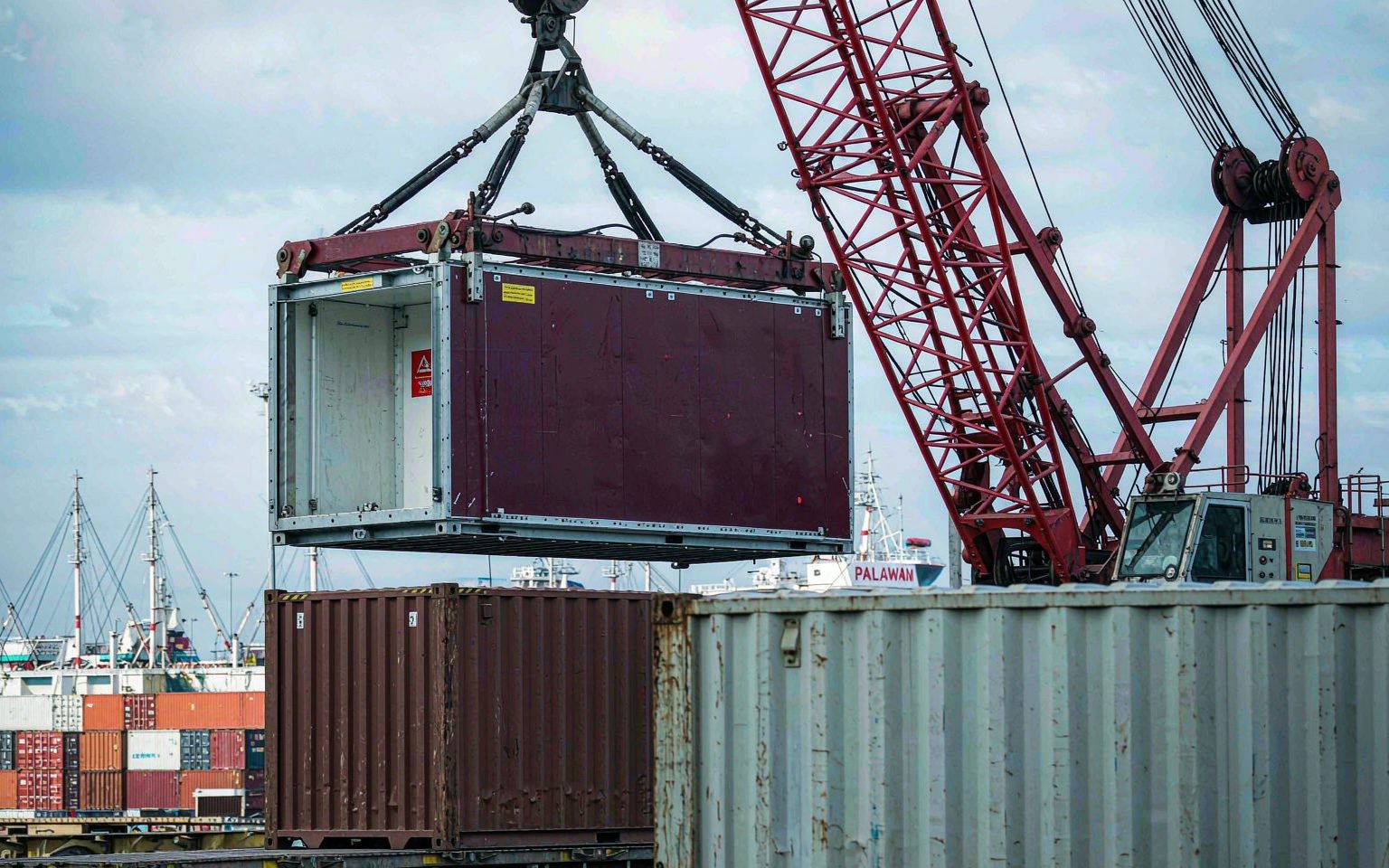
Together these items typically add 8–15% to the equipment value. A quotation that omits them is not cheaper — it is incomplete, and the gap surfaces during construction when there is no time to negotiate.
LFP chemistry is the default for commercial storage in tropical markets because it handles heat and daily cycling better than older chemistries. A properly specified system is normally warranted for 6,000–8,000 cycles at a defined depth of discharge, or 10 years, whichever comes first — but the warranty is only as good as the conditions attached to it.
Read four clauses closely: the ambient temperature ceiling for the warranty to remain valid, the required state-of-charge window if the site is seasonal, the minimum annual throughput or uptime expectation, and who pays freight on a replacement module. In a tropical climate, thermal management is not an optional extra — a passively cooled container in direct sun will age faster than the same unit shaded and actively cooled. Ask for the derating curve and the capacity retention guarantee, then hold the supplier to those numbers in the contract.
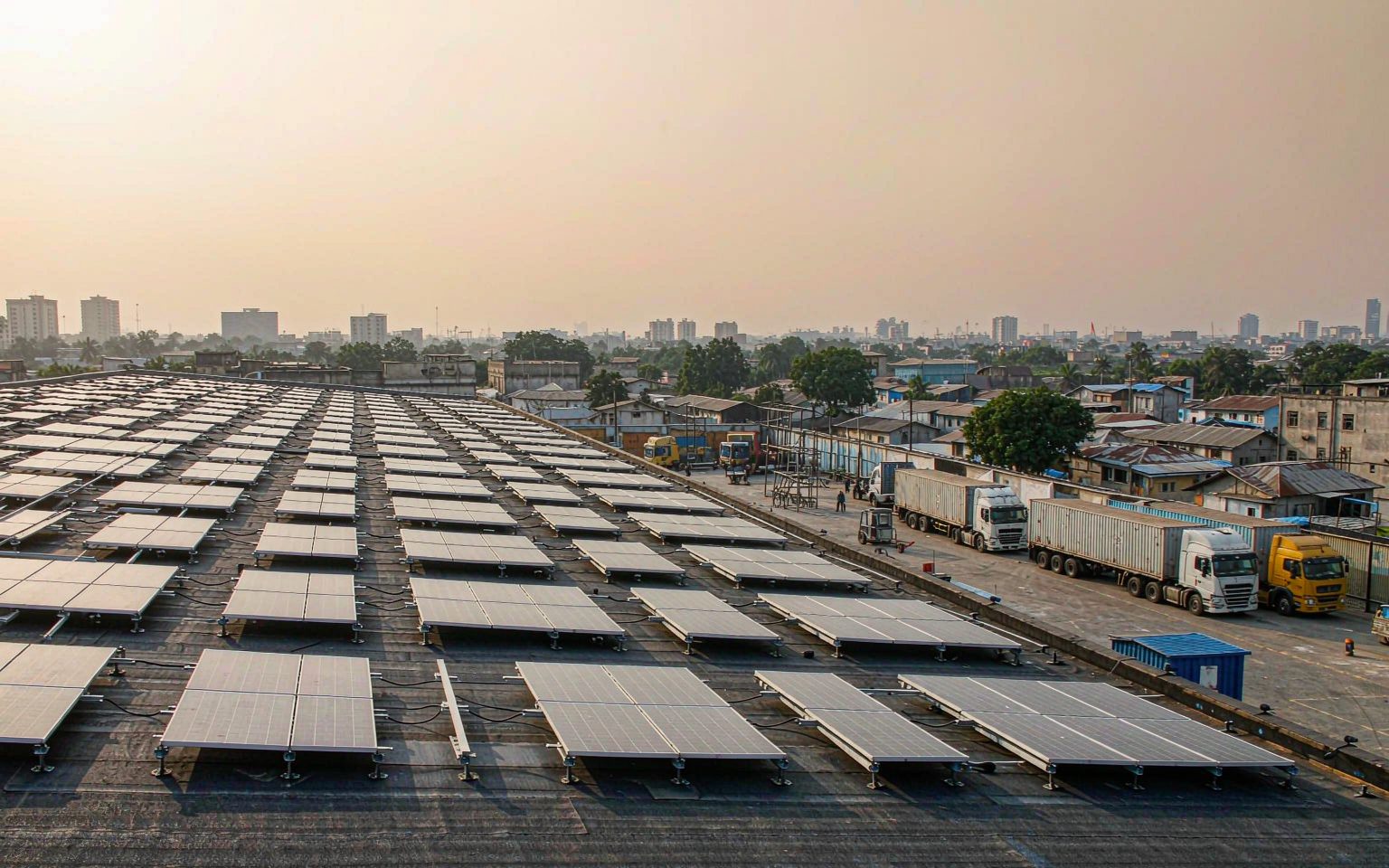
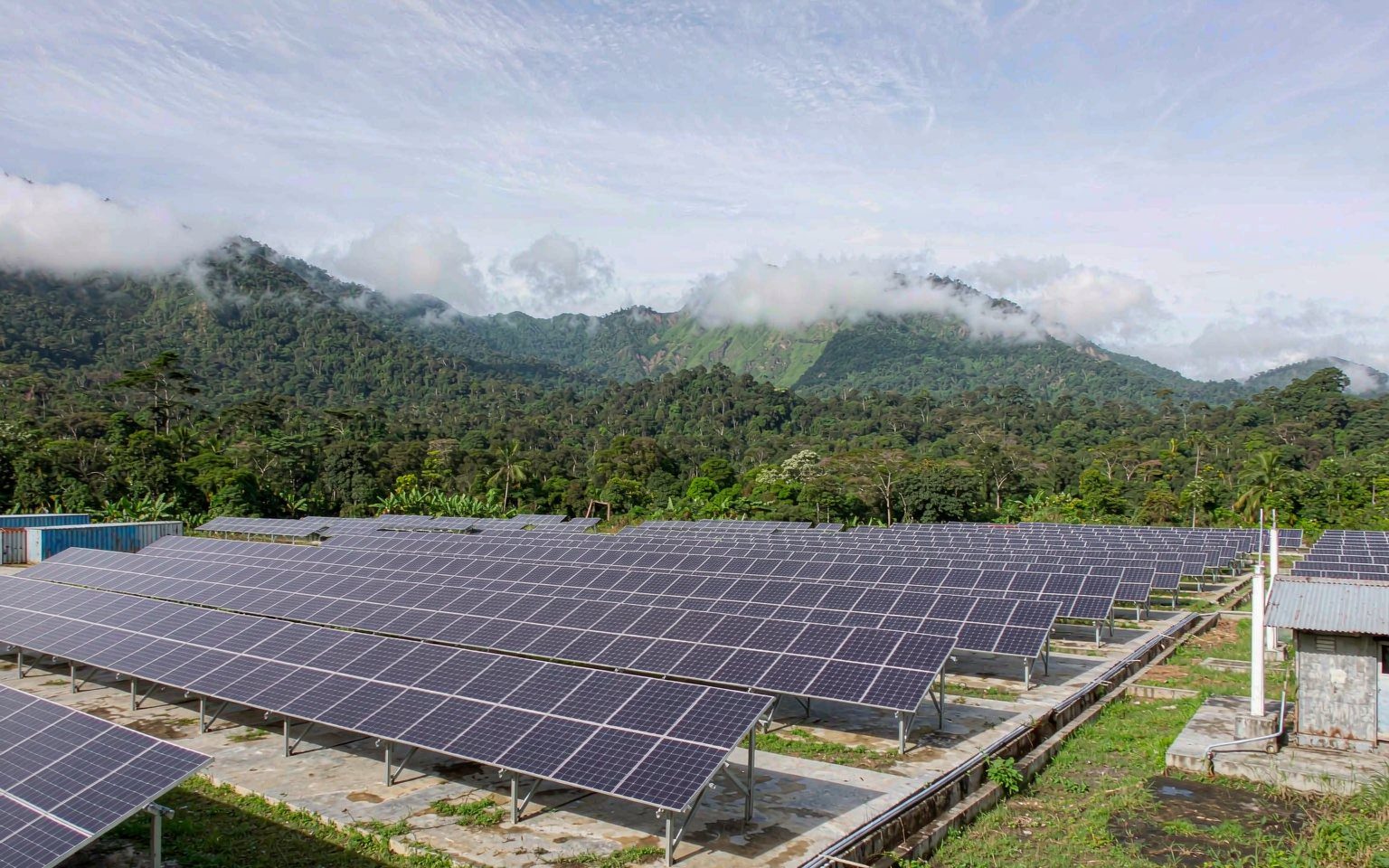
Specifications are easy; delivered equipment is better evidence. Mars Solar is a China-based OEM/ODM manufacturer of solar PV systems and LFP battery energy storage, shipping factory-direct with certification and dangerous-goods documentation. Comparable projects delivered into emerging-market conditions include:
| مشروع | Configuration | نتيجة |
|---|---|---|
| Sudan — commercial site | 100 kW solar + 215 kWh LFP storage | Diesel runtime displaced, storage covers the evening peak |
| Nigeria — industrial customer | 6 MW solar + 20 MWh storage | Monthly fuel and tariff savings measured in six figures of local currency |
| Ghana — hotel | 250 kW solar + storage | Roughly 60% reduction in electricity spend |
These are documented cases with named configurations — ask us for the full project sheets when you request a quotation.
The fastest way to get a usable number is to send five things with your enquiry:
With those five items, a sizing model and an indicative budget can normally be returned within two working days.
How much does a Philippines solar BESS cost? Indicative 2026 factory-direct pricing runs US$180–300 per kWh of LFP storage and US$700–1,100 per kWp for a complete solar plus storage system, depending on the storage-to-solar ratio and site conditions.
Can a battery system cut my Meralco bill without solar? Yes — storage alone can shave the demand peak and shift energy off the highest tariff windows. Adding solar improves the case further because the stored energy is generated on site rather than bought.
How long does a Philippines solar BESS take to pay back? Commercial sites with high demand charges and evening peaks typically model 4–7 years, faster where diesel generation is currently used. The number depends on your tariff schedule, so model it with your own bills.
Continue building your solar sourcing knowledge:
Mars Solar is a China-based OEM/ODM manufacturer of solar PV systems and LFP battery energy storage, shipping factory-direct to the Philippines with certification packs and dangerous-goods documentation. Send your load profile, peak target and site constraints and we will return a sized system and indicative budget — with the storage block priced separately so you can see exactly what the battery is buying you.
Request a quotation or message us on WhatsApp with your utility bills attached.

 English English
  Arabic
 Spanish
 French
 Dutch
Dutch
 Portuguese