
مقارنة تكلفة الديزل والطاقة الشمسية في نيجيريا (2026): وفر 50-70%
تكلفة الديزل مقابل الطاقة الشمسية في نيجيريا في عام 2026 لم يعد الأمر موضوع نقاش — بل أصبح مسألة حسابية، والإجابة حاسمة. بالنسبة لأي شركة أو منزل نيجيري يستخدم مولدًا يعمل بالديزل، تبلغ تكلفة الكهرباء ما بين 300 و450 نايرا لكل كيلوواط ساعة وفقًا لأسعار الوقود في عام 2026، في حين أن نظام الطاقة الشمسية يوفر نفس الكيلوواط ساعة بتكلفة متوسطة تبلغ 55–150 نايرا لكل كيلوواط/ساعة على مدار عمره البالغ 25 عامًا. وهذا يمثل 50–70% توفير لكل وحدة, ، وتسترد معظم الأنظمة التجارية تكلفتها في غضون من 8 أشهر إلى 4 سنوات. وبعد ذلك، تصبح الشمس مجانية.
يشرح هذا الدليل بالتفصيل الأرقام الفعلية — تكاليف الوقود والصيانة والاستبدال، بالإضافة إلى الخسائر الناجمة عن فترات التعطل التي لا تظهر أبدًا في فاتورة المولد — حتى تتمكن من اتخاذ قرارك بالاعتماد على الحسابات، وليس على الحجج التسويقية.
لماذا تقارن الشركات النيجيرية بين الديزل والطاقة الشمسية في عام 2026؟
تصادمت قوتان في الفترة 2023–2026. أولاً، أدى إلغاء دعم الوقود إلى ارتفاع سعر الديزل إلى 1,200–1,500 نايرا للتر الواحد (أبريل 2026)، مما يجعل الطاقة المولدة من المولدات الكهربائية هي أغلى أنواع الكهرباء في نيجيريا. ثانياً، انخفضت أسعار الألواح الشمسية بأكثر من 80% خلال العقد الماضي، كما انخفضت تكاليف البطاريات بأكثر من 50% في غضون ثلاث سنوات — وتعد أسعار الألواح الشمسية في عام 2026 هي الأدنى على الإطلاق.
وفي الوقت نفسه، لا يزال متوسط إنتاج الشبكة الوطنية يبلغ 4–8 ساعات من الإمداد يوميًا في معظم المناطق التجارية، حيث تحدث ما بين 8 إلى 12 انقطاعًا للتيار يوميًا. وكل شركة تعتمد على الشبكة الكهربائية تلجأ بالفعل إلى حرق الديزل لتعويض النقص. ولم يعد السؤال هو ما إذا كان ينبغي توليد الكهرباء ذاتيًا، بل ما إذا كان ينبغي الاستمرار في دفع ثمن الوقود أم امتلاك مصدر الطاقة الخاص.
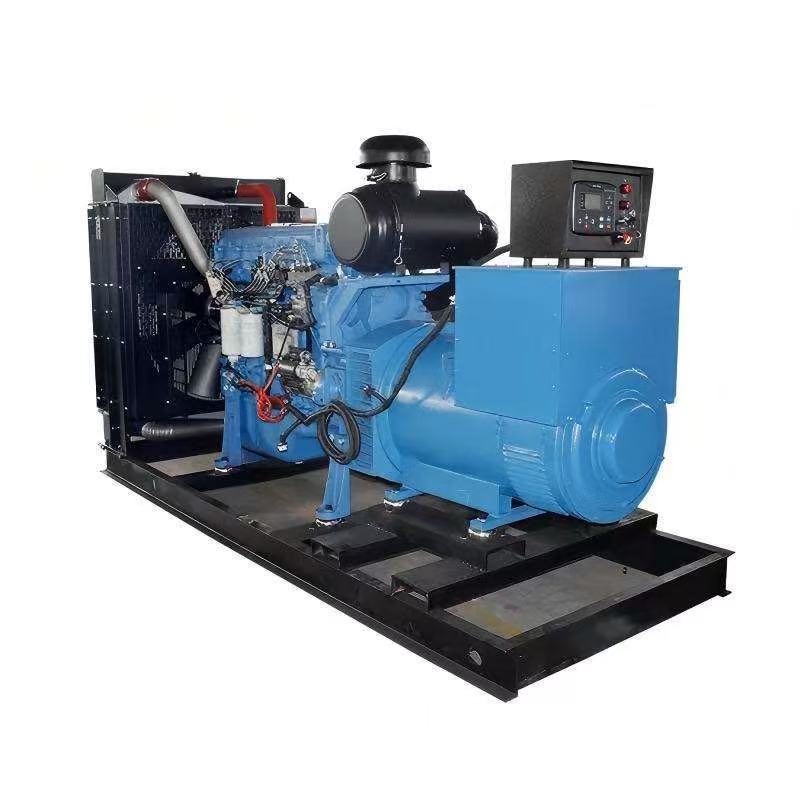
ما هي التكلفة الحقيقية لمولد الديزل لكل كيلوواط/ساعة؟
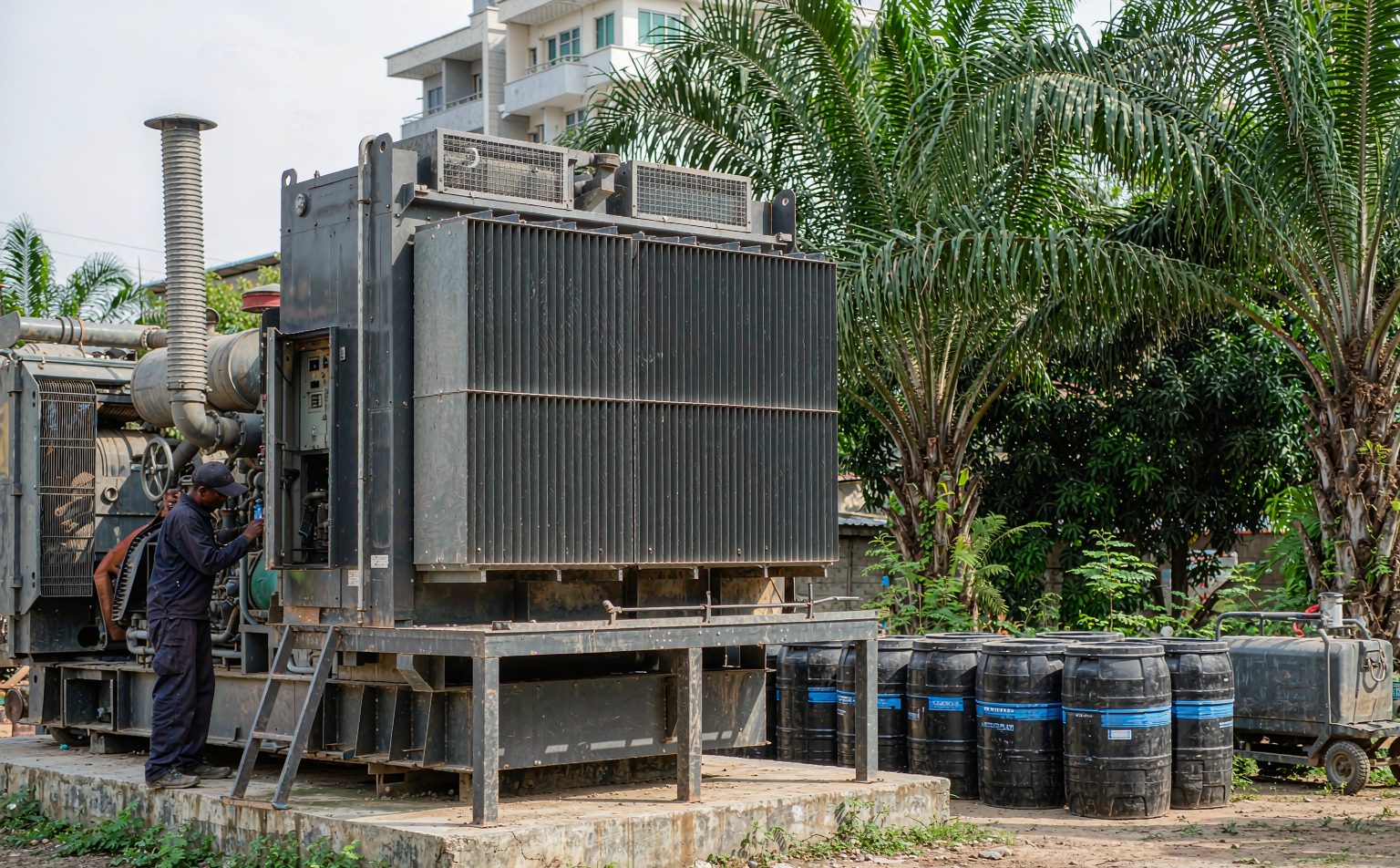
السعر المعلن للديزل ليس سوى البداية. فالمولد الكهربائي العادي يستهلك 0.30–0.35 لتر لكل كيلوواط/ساعة عند الحمل المقنن. وبسعر يتراوح بين ₦1,200 و₦1,500 للتر الواحد، فإن ذلك يعني 360–525 نايرا لكل كيلوواط/ساعة من تكلفة الوقود وحدها — قبل احتساب تكاليف الصيانة أو الاستهلاك أو تكلفة أي عطل يحدث خلال ساعات العمل.
| مكونات التكلفة | ₦ لكل كيلوواط/ساعة |
|---|---|
| الوقود (0.30–0.35 لتر/كيلوواط ساعة × ₦1,200–1,500/لتر) | 360 ₦ – 525 ₦ |
| الصيانة (الزيت، الفلاتر، أعمال الصيانة) | 30 – 50 نايرا |
| استهلاك المولدات واستبدالها | 40 ₦ – 60 ₦ |
| التكلفة الإجمالية لتوليد الطاقة بالديزل | 300 ₦ – 650 ₦ |
تقدم المصادر المختلفة نقاطًا وسطى مختلفة لأنها تأخذ عوامل مختلفة في الحسبان. ويُشار إلى ما يلي على نطاق واسع 300–450 نايرا/كيلوواط ساعة تشمل تكاليف الوقود والصيانة والاستهلاك؛ و 450–650 نايرا/كيلوواط ساعة يأخذ هذا الرقم في الحسبان تآكل المحرك وقلة الكفاءة الفعلية للمولدات التي تعمل بأحمال أقل من طاقتها. وفي كلتا الحالتين، يكون سعر الديزل أعلى بـ3 إلى 8 أضعاف لكل كيلوواط/ساعة مقارنة بالطاقة الشمسية على مدار عمر النظام.
التكاليف الخفية التي لا تظهر أبدًا في فاتورة الوقود
- خسائر فترة التعطل — تلف مخزون غرف التبريد، وتوقف الموظفين عن العمل، وخسارة في الإنتاج عند انقطاع التيار الكهربائي وتعطل المولد.
- الضوضاء والأبخرة — فالمولد الذي يعمل بشكل مستمر يؤدي إلى نفور العملاء ويقصر من عمر المعدات.
- مخاطر أسعار الوقود — يتأثر سعر الديزل بتقلبات أسعار النفط العالمية؛ ففاتورة الطاقة الخاصة بك ترتفع كلما ارتفع السعر، ولم تشهد هذه الفاتورة سوى اتجاه واحد منذ عام 2023.
- اللوجستيات — توصيل الوقود وتخزينه، وخطر تلف المحرك بسبب استخدام وقود ديزل مغشوش.
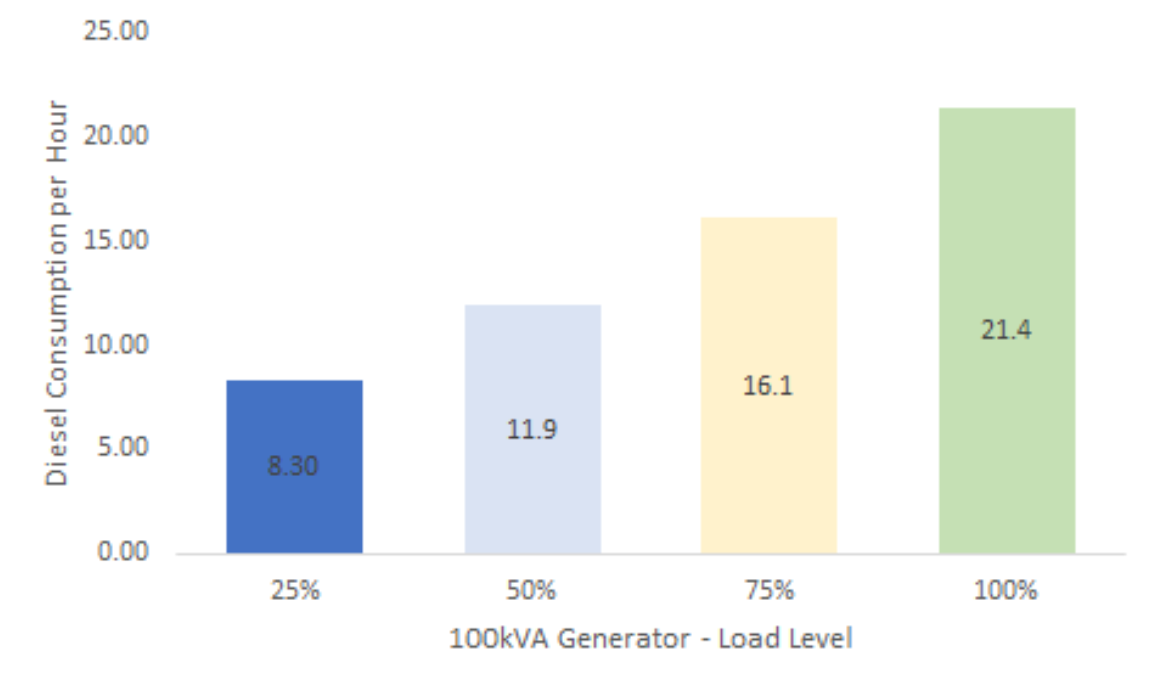
ما هي التكلفة الفعلية للطاقة الشمسية لكل كيلوواط/ساعة؟
تتميز الطاقة الشمسية بتكلفة أولية مرتفعة وتكلفة تشغيل تقترب من الصفر. والطريقة الصادقة لمقارنتها بالديزل هي التكلفة المُعَدَّلة للكهرباء (LCOE) — إجمالي تكلفة النظام مقسومًا على إجمالي الكيلوواط/ساعة المنتجة على مدار عمره التشغيلي.
في نيجيريا، تبلغ تكلفة النظام الكامل حوالي 600,000–900,000 نايرا لكل كيلوواط مُركَّب في عام 2026، اعتمادًا على نوع البطارية وعلامة المكونات التجارية ومدى تعقيد التركيب. ويستمر النظام الذي تم تحديد حجمه بشكل مناسب في الإنتاج لمدة تتراوح بين 20 و25 عامًا مع الحد الأدنى من الصيانة، مما يؤدي إلى انخفاض تكلفة الطاقة المولدة (LCOE) إلى 45–150 نايرا لكل كيلوواط/ساعة — 45 نايرا هو السعر المحدد على المدى الطويل للقطاع السكني، و150 نايرا هو الحد الأقصى لنظام تجاري مزود ببطارية تخزين. (انظر دليل الأسعار الكامل لنيجيريا لعام 2026.)
| حجم النظام | النطاق السعري لعام 2026 | فترة الاسترداد النموذجية (استبدال الديزل) | الأفضل لـ |
|---|---|---|---|
| 5 كيلوواط هجين | 4.5 مليون نايرا – 6.5 مليون نايرا | 18–28 شهرًا | منزل مكون من 3 غرف نوم، ومتجر صغير |
| 10 كيلوواط هجين | 8 ملايين نايرا – 12 مليون نايرا | 10–18 شهرًا | عيادة، مكتب يتسع لـ 15–25 موظفًا |
| 20 كيلوواط هجين | 16 مليون نايرا – 24 مليون نايرا | 10–16 شهراً | سوبرماركت، بيت ضيافة |
| 50 كيلوواط هجينة | 42 مليون نايرا – 62 مليون نايرا | 8–14 شهراً | فندق، مصنع متوسط الحجم |
| 100 كيلوواط هجين | 85 مليون نايرا – 125 مليون نايرا | 8–12 شهراً | فندق يتألف من 30 إلى 50 غرفة، مصنع |
| 250 كيلوواط هجينة | 210 مليون نايرا – 310 مليون نايرا | 14–22 شهرًا | فندق يضم أكثر من 100 غرفة، صناعي |
النمط ثابت: فكلما زاد استهلاكك الحالي من الديزل، زادت سرعة استرداد تكلفة نظام الطاقة الشمسية. فالمصنع الذي يعمل بمولدات كهربائية بإنتاجية 500 كيلوواط/ساعة يوميًا يوفر ما يقارب 130,000 ₦ في اليوم عن طريق التبديل — حول 47.5 مليون نايرا سنويًّا.
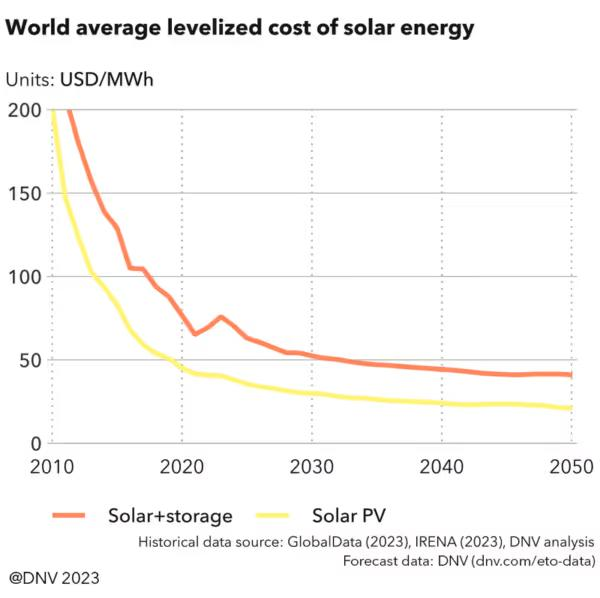
الديزل مقابل الطاقة الشمسية مقابل شبكة الكهرباء: مقارنة مباشرة (2026)
المقارنة الحقيقية لا تكمن في السعر المعلن — بل في تكلفة كل كيلوواط/ساعة على مدى 5 سنوات، وما إذا كانت الطاقة متوفرة أصلاً عندما تحتاج إليها.
| مصدر الطاقة | ₦ لكل كيلوواط/ساعة | الموثوقية | التكلفة على مدى 5 سنوات (محطة بقدرة 100 كيلوواط) |
|---|---|---|---|
| الشبكة الوطنية (DisCo) | 90 ₦ – 110 ₦ | منخفض جدًّا (8–12 انقطاعًا في اليوم) | 180 مليون نايرا – 220 مليون نايرا (شاملة تكاليف الديزل + فترة التوقف عن العمل) |
| مولد ديزل | 300 ₦ – 450 ₦ | مرتفع (يعتمد على نوع الوقود) | 420 مليون نايرا – 540 مليون نايرا |
| نظام هجين يعمل بالطاقة الشمسية والبطارية | 55 ₦ – 80 ₦ (متوسط) | مرتفع (التبديل التلقائي) | 95 مليون نايرا – 140 مليون نايرا |
| الطاقة الشمسية خارج الشبكة | 80 ₦ – 110 ₦ (متوسط) | الأعلى | 125 مليون نايرا – 185 مليون نايرا |
ملاحظة: تشمل الأرقام الخاصة بالشبكة والديزل على مدى 5 سنوات الخسائر التجارية المقدرة الناجمة عن فترات التعطل — المخزون التالف، الموظفون العاطلون عن العمل، الإنتاج الضائع. لا يظهر هذا البند في عرض الأسعار، لكنه عادةً ما يكون الجزء الأكثر تكلفة في الاستمرار في الاعتماد على الشبكة والديزل.
مثال توضيحي: مصنع في لاغوس
- الحمل الحالي: 500 كيلوواط/ساعة يوميًا من مولدات الديزل
- تكلفة الديزل: 500 كيلوواط/ساعة × 380 ₦ = 190,000 نايرا في اليوم
- تكلفة الطاقة الشمسية: 500 كيلوواط/ساعة × ₦120 = 60,000 نايرا في اليوم
- المبلغ الذي يتم توفيره يوميًا: 130,000 ₦ → 47.5 مليون نايرا سنويًا
- النظام (300 كيلوواط كهروضوئي + بطارية بسعة 200 كيلوواط ساعة): 150 مليون نايرا – 200 مليون نايرا
- الانتقام: 3.2 – 4.2 سنوات، معدل العائد الداخلي للمشروع (IRR) 30–45%
حتى المولد الكهربائي التجاري المتواضع الذي تبلغ قدرته 5 كيلو فولت أمبير ويعمل 10 ساعات يوميًا يستهلك حوالي 40 لترًا — أي ما يعادل 1.5 مليون ₦ – 1.65 مليون ₦ شهريًّا لتكاليف الوقود. ونظام الطاقة الشمسية الذي يحل محله يوفر هذا المبلغ كل شهر، عامًا بعد عام، لمدة 25 عامًا.
القواعد والحوافز في نيجيريا التي تجعل الطاقة الشمسية أرخص
- لا يتطلب توليد الكهرباء الذاتي الذي تقل قدرته عن 1 ميغاواط الحصول على ترخيص من NERC (قانون EPSRA لعام 2005) — تندرج معظم أنظمة الطاقة الشمسية التجارية ضمن هذا الاستثناء.
- اعتماد النوع من NEMSA وهو أمر مطلوب في المعدات (IEC 62109، IEC 61215، IEC 62619). احرص على استخدام مكونات معتمدة.
- رسوم الاستيراد 5–7% على معدات الطاقة الشمسية، بالإضافة إلى 7.5% ضريبة القيمة المضافة — تأكد من تصنيف الرمز HS مع وكيل التخليص الجمركي الخاص بك قبل التوقيع.
- التمويل بشروط تفضيلية وهي متاحة للمشاريع الصناعية من خلال برامج الطاقة المتجددة النيجيرية وقنوات تمويل التنمية.
Frequently Asked Questions: Diesel vs Solar Cost Nigeria
هل الطاقة الشمسية أرخص من المولدات الكهربائية في نيجيريا؟
نعم — على مدى عمرها التشغيلي، تتراوح تكلفة الطاقة الشمسية بين 45 و150 نايرا/كيلوواط ساعي، مقابل 300 إلى 650 نايرا/كيلوواط ساعي للديزل، وهو ما يمثل توفيراً يتراوح بين 50 و70% لكل وحدة.
ماذا عن الأيام الملبدة بالغيوم والليل؟
يقوم النظام الهجين بتخزين الطاقة في بطاريات الليثيوم، ويقوم تلقائيًا بالتحول إلى الشبكة الكهربائية أو المولد كخيار احتياطي. وتكفي مجموعة البطاريات ذات السعة المناسبة لتغطية احتياجاتك من الطاقة في المساء وأثناء انقطاع التيار.
ما هي مدة عمل البطاريات؟
تدوم بطاريات الليثيوم (LiFePO4) لأكثر من 10 سنوات وتصل إلى أكثر من 6,000 دورة شحن، مقارنةً بـ 2–3 سنوات لبطاريات الرصاص الحمضية. وتُعد البطارية هي التكلفة الرئيسية للاستبدال على مدار 25 عامًا.
هل ما زلت بحاجة إلى المولد الكهربائي الخاص بي؟
تحتفظ معظم الشركات بمولد كهربائي صغير كاحتياطي في حالات الطوارئ، لكنه لا يعمل سوى لعدد قليل جدًا من الساعات — مما يقلل تكلفة الوقود بنسبة تتراوح بين 60 و80%.
How does diesel vs solar cost Nigeria change when the generator is only lightly loaded?
It gets worse for diesel, not better. Fuel burn per kWh rises sharply below about 60% load, so a 100 kVA unit carrying 40 kVA can consume almost as much fuel as it would at 70 kVA. That is why the diesel vs solar cost Nigeria comparison should use your real load factor rather than the generator nameplate. A lightly loaded generator is the strongest argument for solar in the whole diesel vs solar cost Nigeria calculation.
Does the diesel vs solar cost Nigeria case change with battery type?
Substantially. Lithium LiFePO₄ storage lasts 6,000 or more cycles and around ten years, against two to three years for lead-acid. Because the battery is the replacement cost that dominates a solar project over 25 years, lead-acid makes the diesel vs solar cost Nigeria comparison far less attractive. On a proper battery energy storage system sizing model, lithium is what makes the diesel vs solar cost Nigeria numbers hold.
What diesel price does the diesel vs solar cost Nigeria comparison assume in 2026?
It assumes the range Nigerian buyers actually pay, roughly ₦1,200–₦1,500 per litre in April 2026, with a generator consuming 0.30–0.35 litres per kWh at rated load. That puts fuel alone at ₦360–₦525 per kWh before maintenance. Because the fuel price is the moving part, the diesel vs solar cost Nigeria conclusion gets stronger every time diesel rises, not weaker.
Is the diesel vs solar cost Nigeria saving the same for a home as for a factory?
No, and the difference is scale. A 5 kVA business generator running ten hours a day burns about 40 litres a day, which is roughly ₦1.5–₦1.65 million per month in fuel. A household running a smaller unit for four hours saves proportionally less. The diesel vs solar cost Nigeria arithmetic therefore rewards whoever burns the most diesel today, which is almost always a commercial or industrial site.
What payback should I expect from diesel vs solar cost Nigeria modelling?
Most commercial systems modelled on Nigeria's 2026 numbers land between 8 months and 4 years, with a large factory and a small office at opposite ends of that range. The diesel vs solar cost Nigeria payback shortens as fuel spend rises, because the saving is measured against what you already pay. Anyone quoting a diesel vs solar cost Nigeria payback without asking for your monthly fuel spend is estimating, not calculating.
Does diesel vs solar cost Nigeria include the cost of generator downtime?
It should, and this is the line that is usually left out. Grid and diesel 5-year figures normally include estimated losses from downtime — spoiled inventory, idle staff, lost production — and that line is often the largest in the whole diesel vs solar cost Nigeria comparison. Once unserved energy is priced at your own margin per hour, the diesel vs solar cost Nigeria gap widens well beyond the fuel saving.
How do import duty and VAT affect diesel vs solar cost Nigeria?
They move the capital side of the equation only. Solar equipment enters Nigeria at roughly 5–7% duty plus 7.5% VAT depending on HS classification, while diesel fuel carries no such one-off charge but repeats every month forever. Confirm the classification with your clearing agent before signing, because a re-classified shipment can shift the diesel vs solar cost Nigeria payback by several months.
Do I need a licence to build a solar system in Nigeria?
Usually not at commercial scale. Self-generation below 1 MW needs no NERC licence under EPSRA 2005, which covers the overwhelming majority of factory and hotel projects. Equipment must still carry NEMSA type approval (IEC 62109, IEC 61215, IEC 62619). Where a project crosses 1 MW or exports to the grid, licensing applies and belongs in the diesel vs solar cost Nigeria model as a schedule risk.
Is solar always cheaper than diesel in Nigeria, or are there exceptions?
There are two real exceptions. A site with fewer than about two hours of generator use a day saves little, because the fuel it displaces is small. A site with no daytime load profile and no storage has nowhere to put the generation. In both cases diesel vs solar cost Nigeria still favours solar over 25 years, but the payback stretches beyond the range most buyers will accept.
What is the first step in a diesel vs solar cost Nigeria assessment?
Two numbers from you, one from us. Send monthly generator fuel spend and average daily run-hours, and we return a sized system with a written payback calculation. That is a far better basis than a price list, because the diesel vs solar cost Nigeria answer depends on your load profile, your tariff and how long your generator actually runs — not on anything a catalogue can tell you.
لماذا يختار المشترون النيجيريون شركة «مارس سولار»؟
- أسعار OEM مباشرة من المصنع — بدون وسطاء، ضمان لمدة 25 عامًا على الألواح، وضمان لمدة 10 أعوام على المحول.
- 18 عامًا في مجال تخزين الطاقة الشمسية, ، مع مشاريع مركبة في أنحاء أفريقيا، ومشروع مرجعي ميداني لفندق نيجيري بقدرة 100 كيلوواط، استرد تكاليفه في غضون 8–12 شهراً، ويحقق الآن وفورات تبلغ 2 مليون نايرا شهرياً.
- خدمة التوصيل الشاملة — التصميم، والشحن (خدمات لوجستية للبطاريات متوافقة مع معيار UN3536)، ودعم إجراءات التخليص الجمركي، والتشغيل في الموقع.
احصل على تقييم مجاني لحجم النظام وحساب مكتوب لفترة الاسترداد الخاص بموقعك. أرسل لنا بيانات الإنفاق الشهري على وقود المولدات وساعات التشغيل اليومية، وسيقوم مهندسونا بتقديم مقارنة مخصصة بين الديزل والطاقة الشمسية في غضون 24 ساعة.
واتساب: +86 133 6034 4720 | info@marssolargroup.com
مصادر البيانات: دليل SurgePV للطاقة الشمسية في القطاع التجاري والصناعي بنيجيريا (أبريل 2026)؛ تعريفات NERC MYTO 2024؛ تحليل التكلفة الإجمالية للطاقة (LCOE) من شركة Kowatek Solar (2026). الأرقام هي نطاقات إرشادية؛ يرجى طلب عرض أسعار خاص بالموقع للحصول على الأرقام الدقيقة.
للحصول على عرض أسعار مباشر من المصنع ومناسب لموقعك، يرجى الاطلاع على solar system Nigeria page: configurations, 2026 reference pricing to Lagos, and the SONCAP and Form M file set we prepare before the vessel sails.

 English
  Arabic
  Spanish
  French
  Dutch
Dutch  Portuguese