
لغة
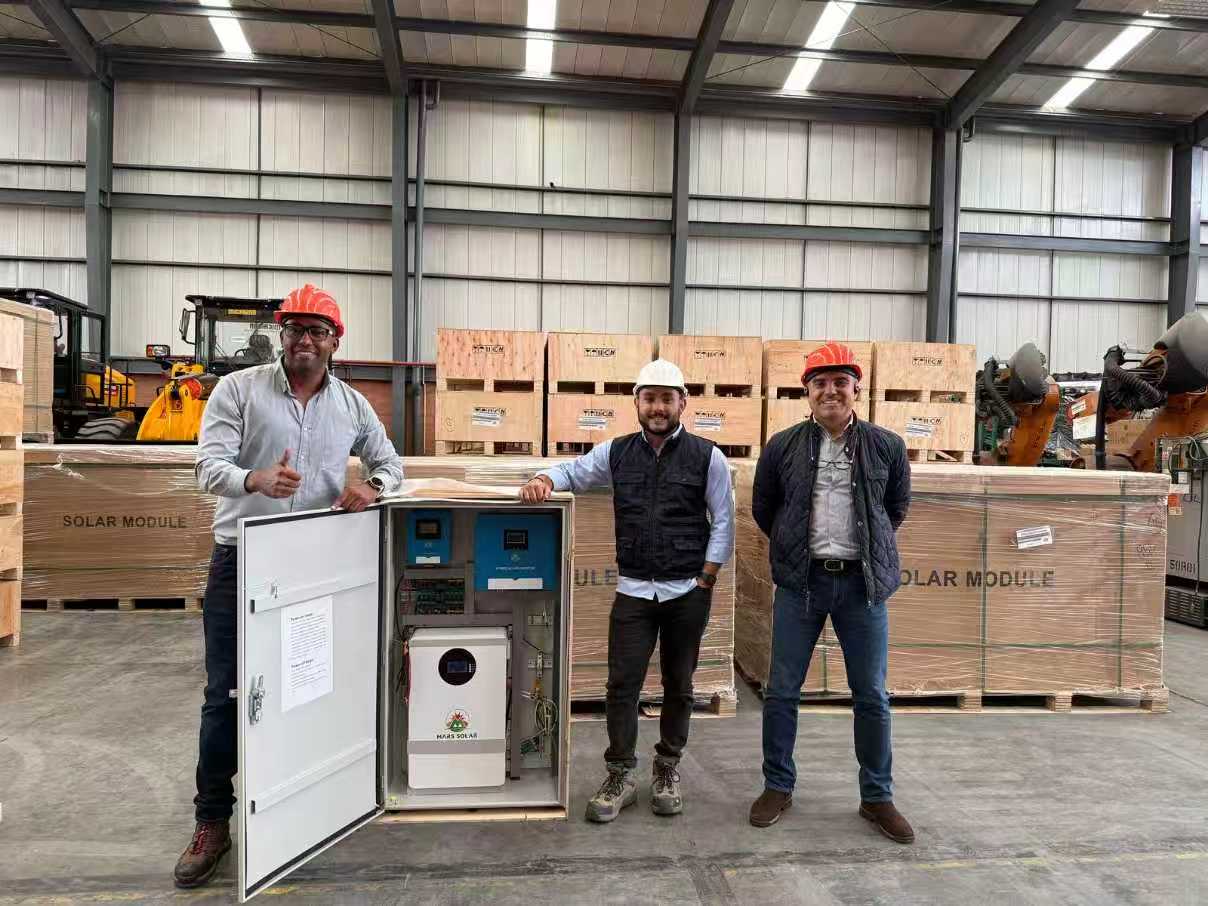
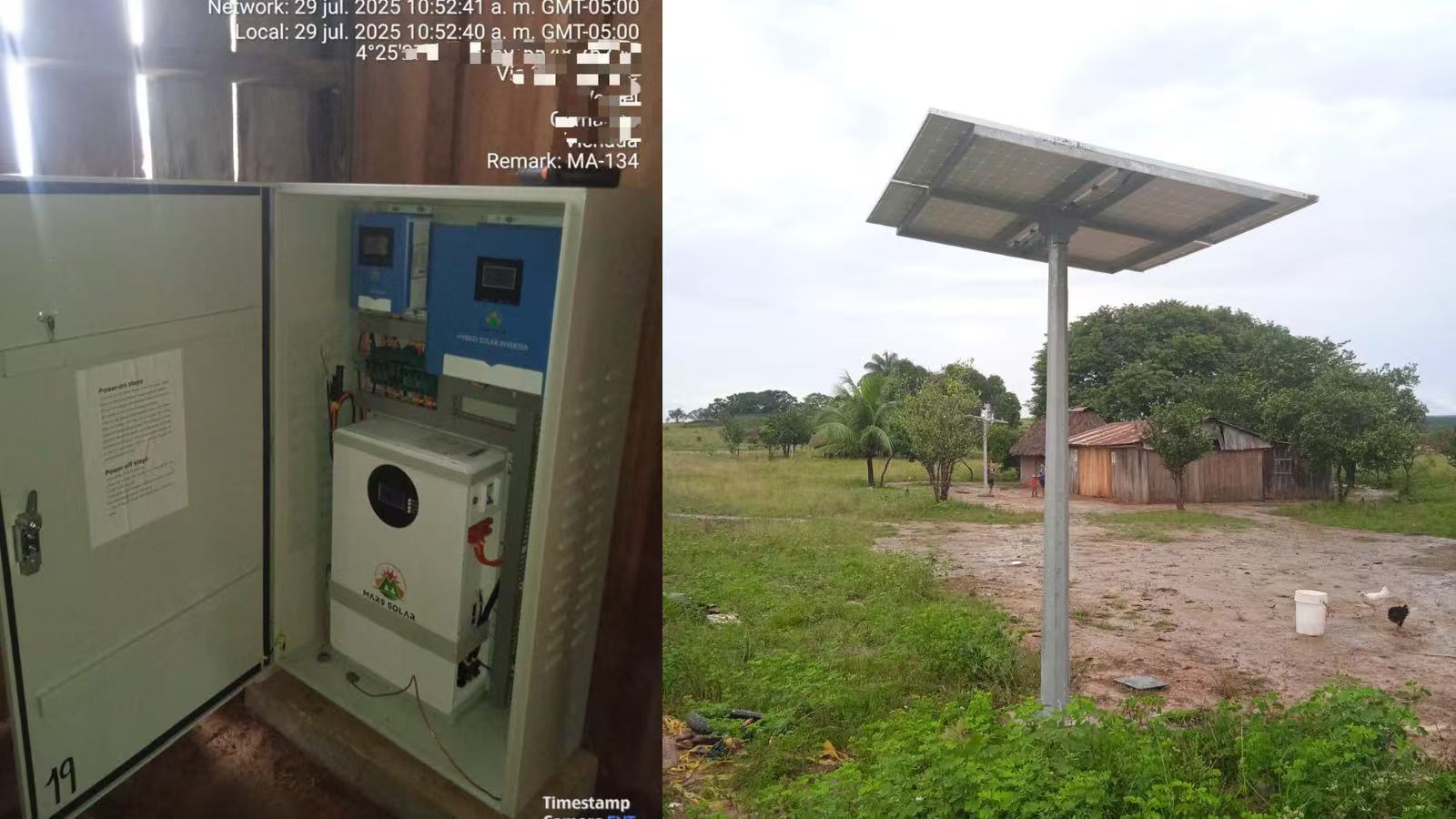
A 1kW solar home system per household was the unit that made this rural electrification programme possible: 420 identical kits, one per home.
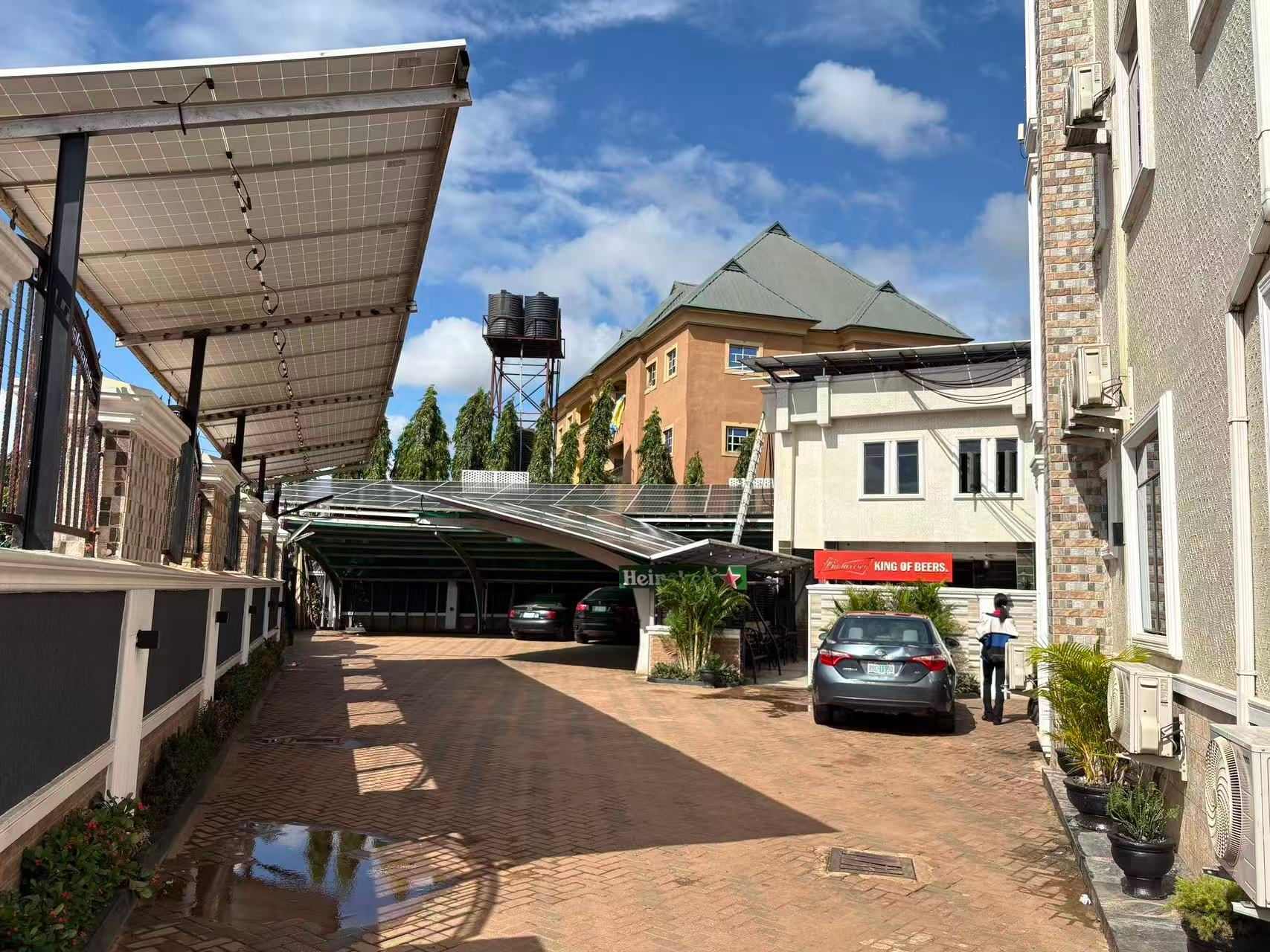
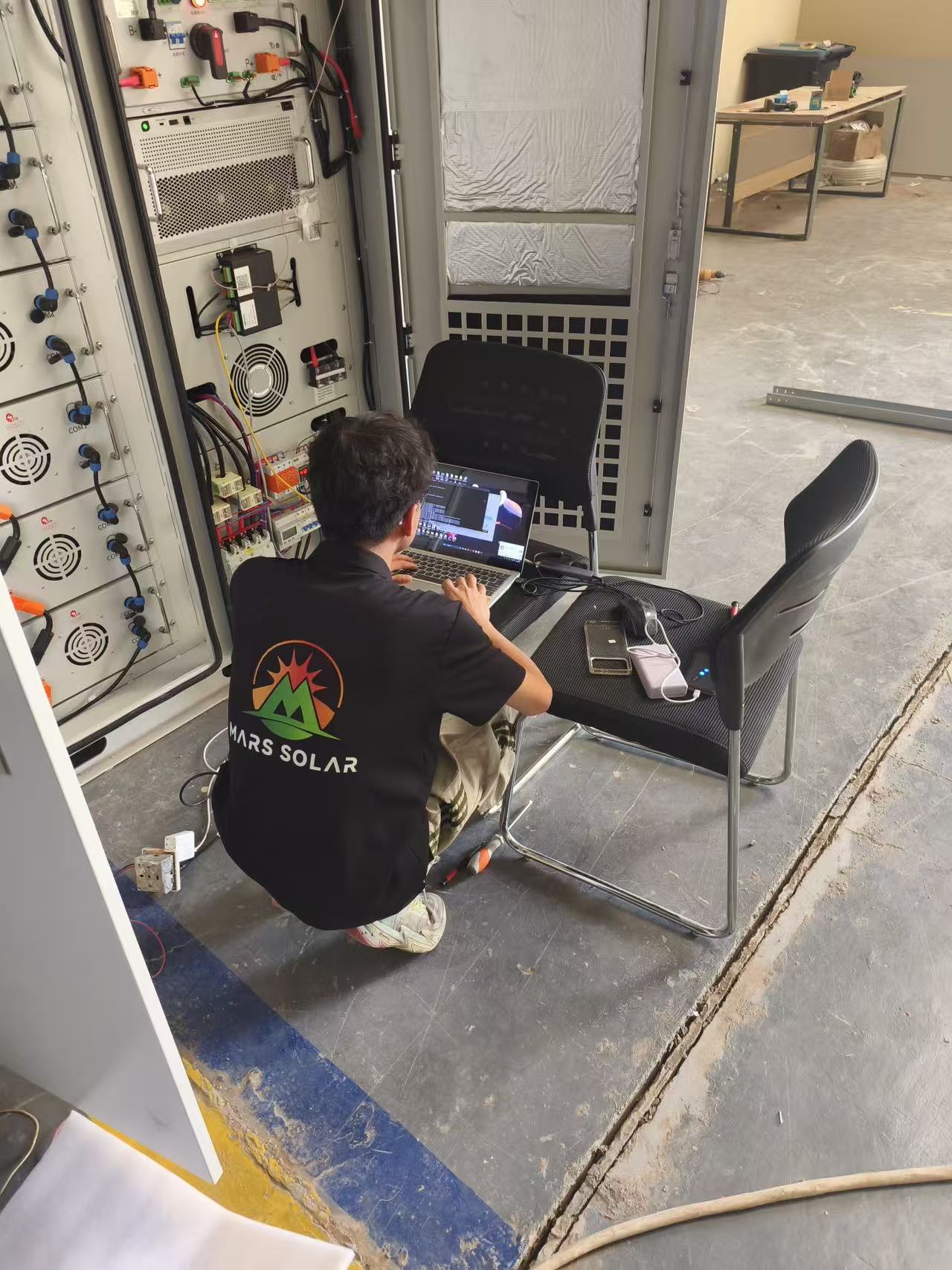
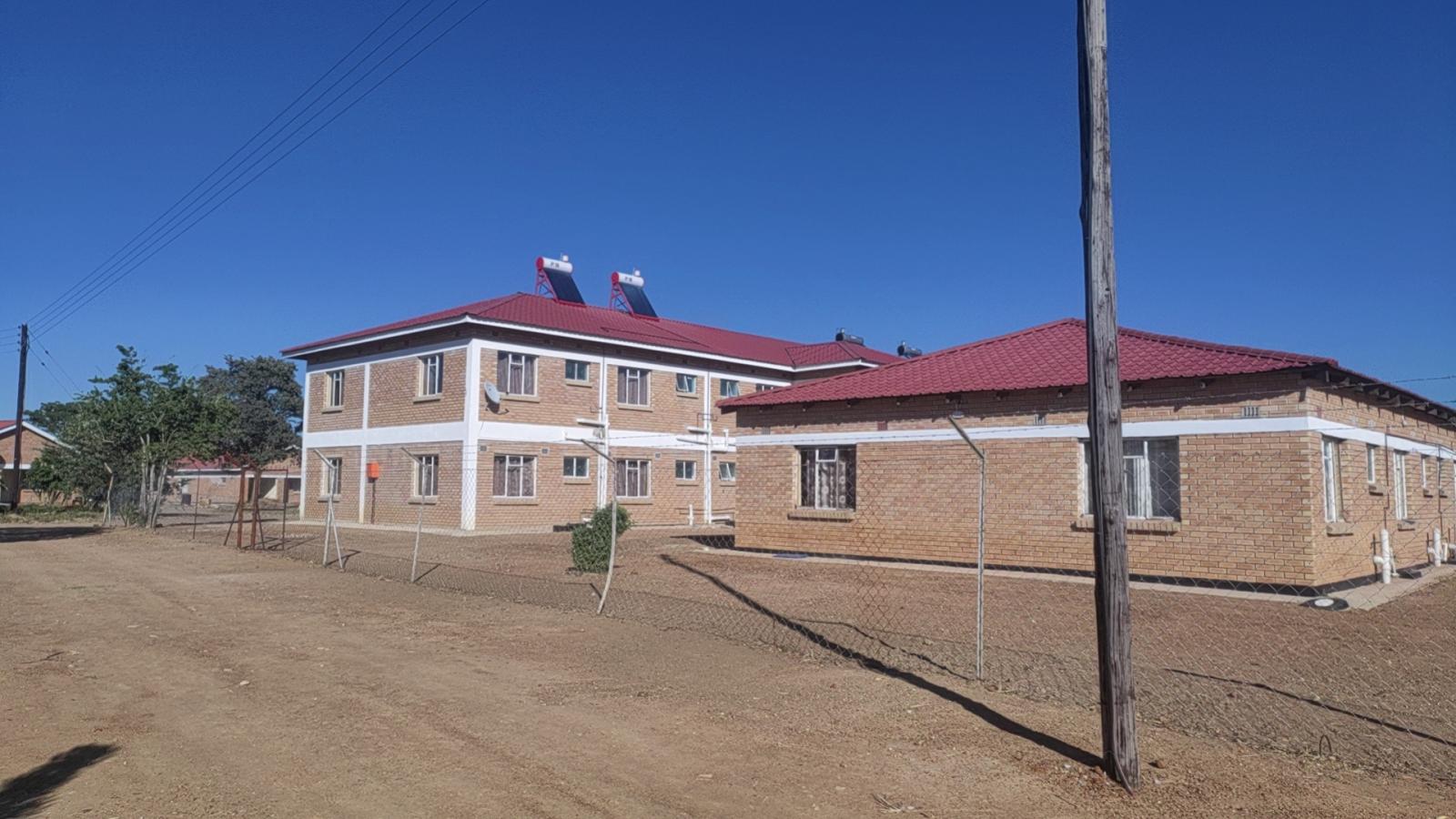
Each of the 420 households received a complete 1kW solar home system: a panel array sized for the local irradiance, a charge controller, a battery sized for evening lighting and phone charging, and pre-wired DC outlets. Everything was packed as one kit with one wiring diagram, so a trained local installer could commission a house in under two hours without specialist tools.
Standardisation was the whole point. When a single 1kW solar home system design is repeated 420 times, spare parts become one stock list, training becomes one session, and a failed unit can be swapped rather than diagnosed. That is what keeps a rural programme running after the commissioning team leaves, and it is why we ship kits rather than component lists.
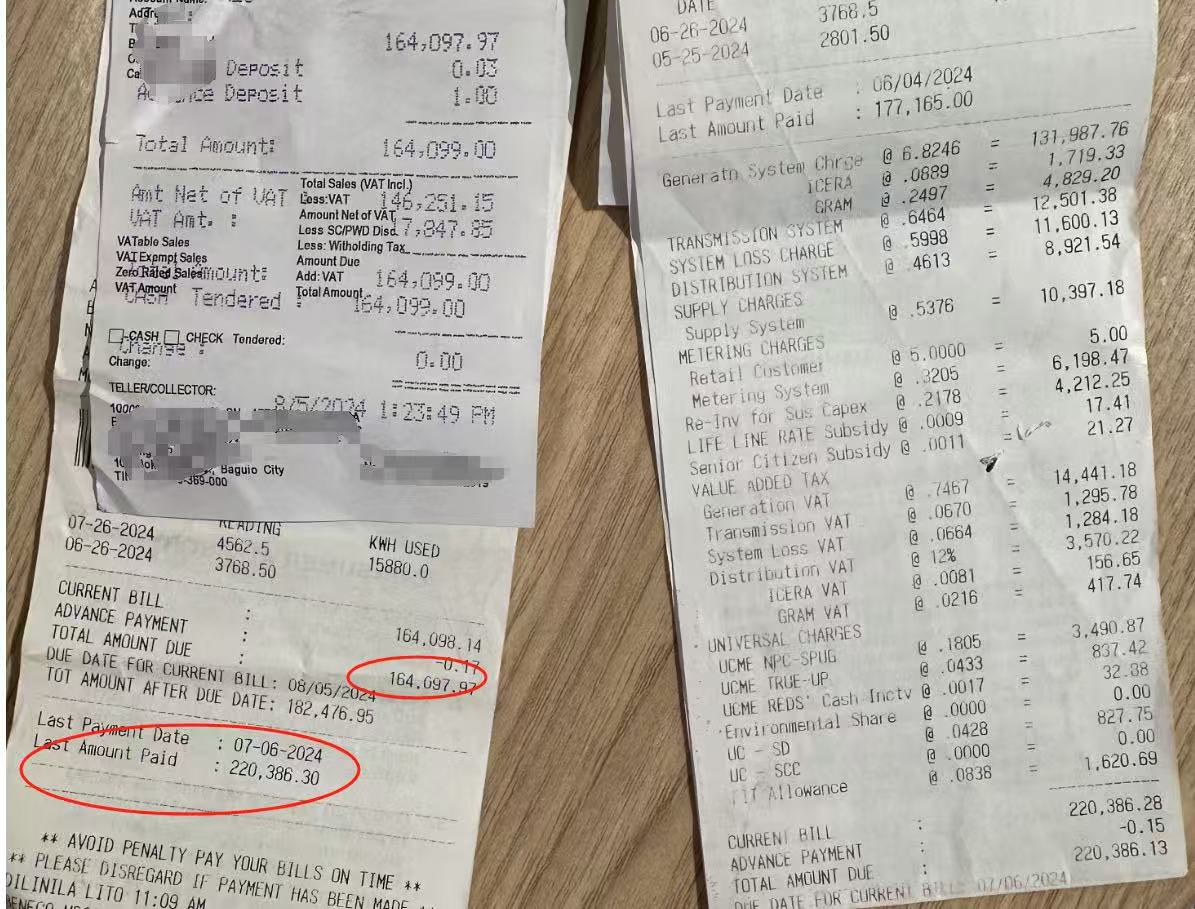
The figures in the project summary — around nine thousand dollars a month saved across the cluster against a local tariff of 0.16 USD per kWh, and a twenty-five month payback — come from diesel and kerosene that stopped being bought. Kit-based electrification is also the fastest route to basic access where grid extension costs more per connection than the 1kW solar home system itself.
Energy access programmes run by multilateral lenders remain the main funding channel for work like this; the برنامج الطاقة التابع للبنك الدولي publishes the connection-cost benchmarks that make a 1kW solar home system rollout the cheaper option. If you are pricing a programme of your own, our 10kW system page shows the commercial sizes we build alongside these kits.
Every kit is cycled and tested before it is packed, and the test report ships with the container. For programmes that need a different capacity per household, the 1kW solar home system architecture scales from 500W upward without changing the wiring standard.
Each of the 420 households received a complete 1kW solar home system: a panel array sized for the local irradiance, a charge controller, a battery sized for evening lighting and phone charging, and pre-wired DC outlets. Everything was packed as one kit with one wiring diagram, so a trained local installer could commission a house in under two hours without specialist tools.
A 1kW solar home system per household was the unit that made this rural electrification programme possible: 420 identical kits, one per home.

 English English
  Arabic
 Spanish
 French
 Dutch
Dutch
 Portuguese