
Why Nigeria Is Now the World's Most Compelling BESS Market
BESS in Nigeria — Nigeria's national grid collapsed 12 times in 2024. The Transmission Company of Nigeria confirmed it — and 2025 has not been kinder.
Diesel generators have been the default answer for 40 years. But at N1,400–N1,800 per litre and rising — and with diesel-powered generation costing N350–450 per kWh — that answer is becoming unaffordable. The math that once justified a genset is breaking down. Something better has arrived.
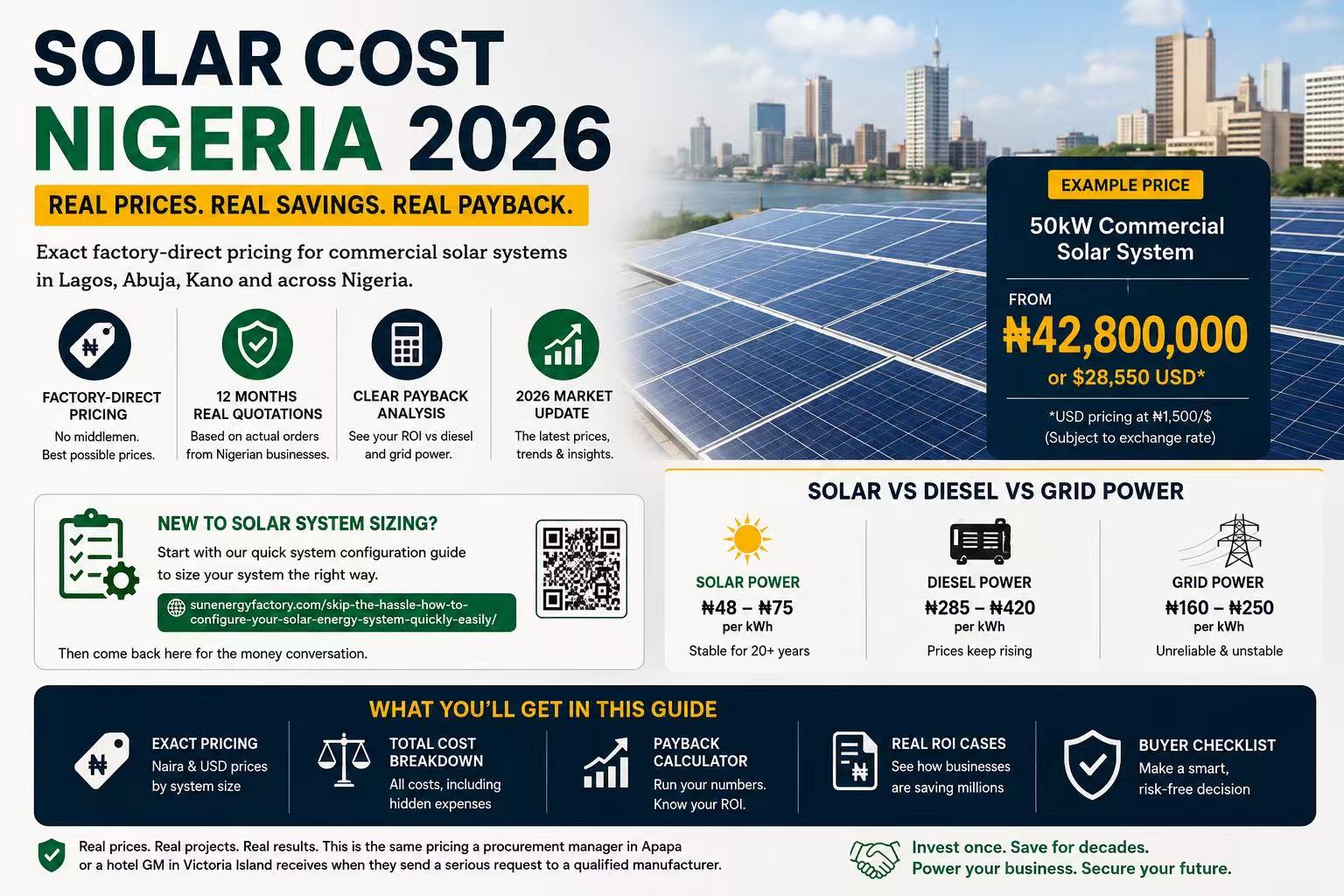
Battery Energy Storage Systems — BESS — deliver power at N55–90 per kWh levelized over 20 years. They run silently. They require no fuel logistics. They switch automatically when the grid goes down. And they integrate directly with solar PV to store the sun's energy for use after dark, during peaks, or when the grid fails. For Nigerian commercial and industrial operators — factories, hotels, hospitals, cold-chain facilities, telecommunications towers, and large retail — the decision is no longer whether to add battery storage. It is which system, what size, and who to buy from.
This guide answers all three. It covers BESS pricing in Nigeria for 2026, compares the true cost of BESS against diesel generation, explains how to select and size a system, and — for the distributors, importers and EPC contractors reading this — lays out the complete China-to-Nigeria import path for BESS cabinets and components. If you want the solar side of the equation first, read our off-grid vs hybrid vs on-grid comparison before diving in.
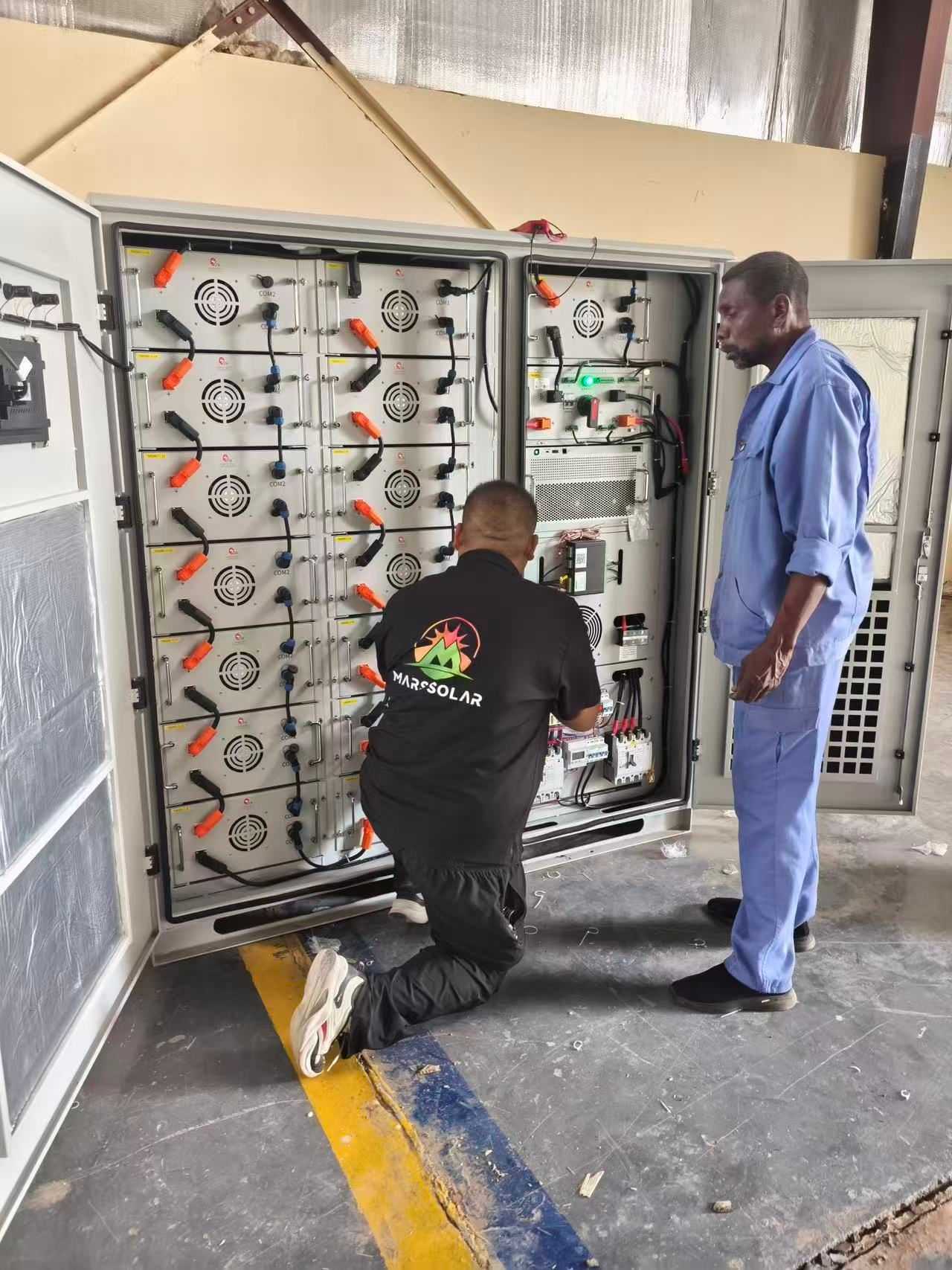
The BESS opportunity in Nigeria is not new. But the economics in 2026 are the best they have ever been. Here is why:
1. Diesel economics have broken
Diesel at N1,400–N1,800/litre, generating at N350–450/kWh, with a genset running 8–16 hours per day in a factory or hotel, is now a financial anchor. A properly sized BESS — charged by solar, by cheap-rate grid, or by a small backup genset — cuts that cost by 60–75%. At current diesel prices, a 200kW hotel or factory can save N3–6 million per month by migrating to BESS-backed power. That is not a margin improvement. It is a survival advantage over competitors still burning fuel.
2. Band A electricity tariffs have tripled — and keep rising
Nigeria's Band A commercial tariff reached N206.8–209.5 per kWh in 2024 and has continued upward in 2025–2026. For a business paying N3–5 million per month in grid charges, that is manageable. For one paying N8–15 million, it is a major budget line. Peak-rate windows make grid battery charging and discharge arbitrage increasingly attractive. BESS does not just cut diesel costs — it cuts grid exposure during peak rate windows.
3. BESS hardware costs have fallen — and LFP technology is proven
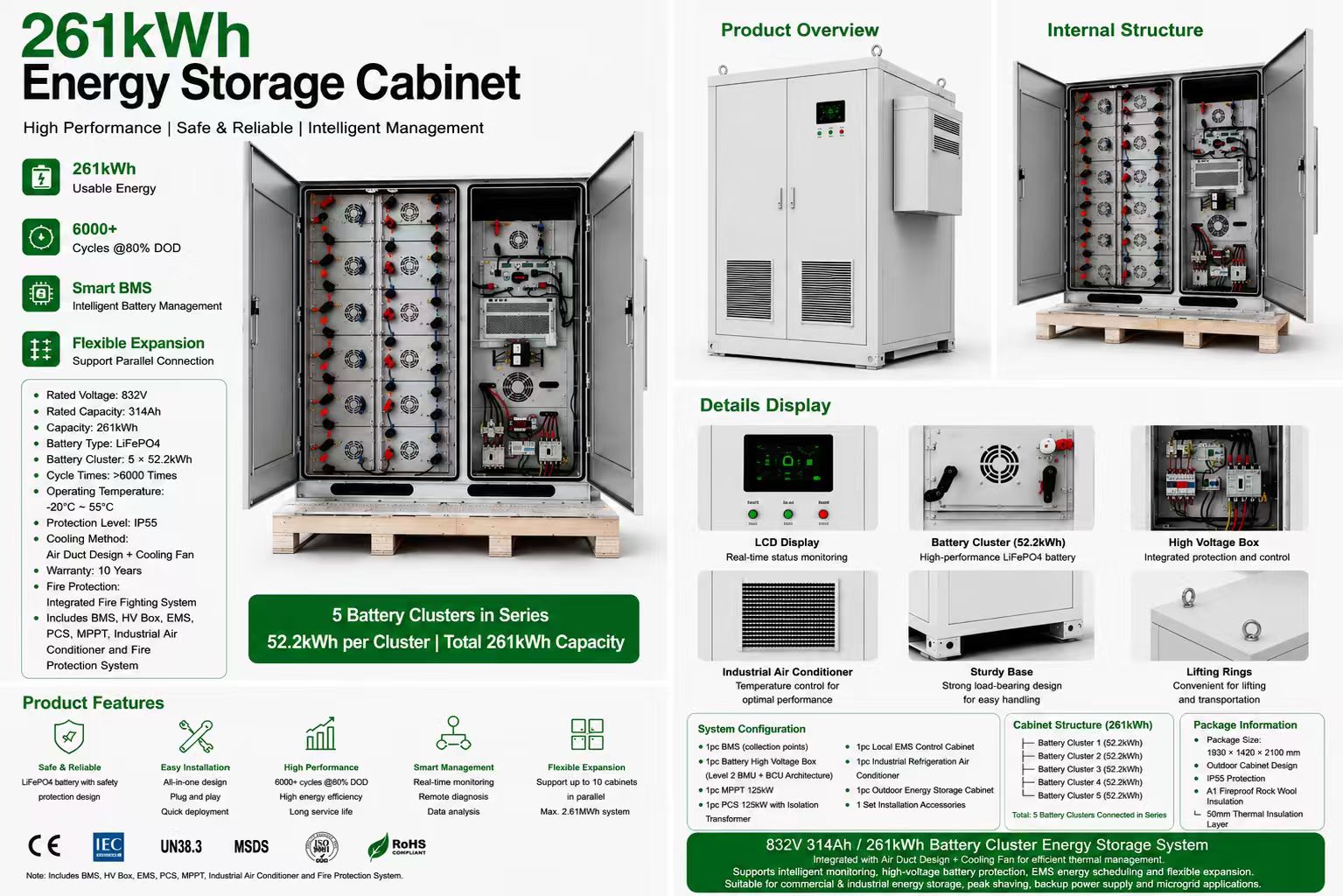
Factory-direct LFP (lithium iron phosphate) BESS cabinets — Mars Solar's core product range — now start at $95–120 per kWh at 100kWh scale, delivered FOB China. That compares to $200–300/kWh just three years ago. LFP is now the global standard for C&I storage: safer than NMC, longer cycle life (6,000+ cycles at 80% depth of discharge), no thermal runaway risk, and compatible with the full range of hybrid inverters. See our full BESS product range from 50kWh to 6MWh per cabinet.
4. The C&I market is underserved and ready to buy
Most Nigerian solar installers are residential-focused. Commercial BESS — requiring 100kWh+ systems, switchgear integration, BMS commissioning, and ongoing technical support — demands factory-grade engineering and a real manufacturer behind the warranty. That gap is the opportunity. For the businesses that move now, the first-mover advantage in energy cost reduction translates directly to competitive pricing power.
Solar PV generates electricity only when the sun shines. In Nigeria — with 5–7 peak sun hours per day — a solar-only system covers your daytime load well but leaves you exposed after dark, on cloudy days, and during grid outages. BESS bridges every gap. Here are the sectors where it makes the most economic sense:
Hotels and hospitality
A 30–80 room hotel in Lagos or Abuja runs air-conditioning 18 hours a day. The load does not stop at sunset. A 100kW hybrid solar + BESS system for Nigerian hotels covers peak daytime loads from solar while the battery carries evening and overnight demand — eliminating the diesel genset for 14–18 hours per day. Our 250kW Ghana hotel case study (60% electricity cost reduction) shows the same economics apply across West Africa.
Manufacturing and industrial facilities
Factory floors run 24 hours. A production halt during a grid outage costs more than the electricity itself — idle workers, spoilt raw materials, missed delivery windows. BESS provides instantaneous grid-to-battery switching (sub-20ms), keeping CNC machines, compressors, and production lines running through every outage. Our 200kW rice mill BESS project in Abuja is a live reference for this exact application.
Cold-chain and cold storage
Cold rooms for pharmaceuticals, food processing, and fisheries cannot afford temperature excursions. A single power failure in a cold storage facility can destroy N5–50 million in inventory. BESS is not a luxury here — it is a capital safeguard that pays for itself the first time it prevents a spoilage event.
Telecommunications towers
MTN, Airtel, and Glo operate thousands of tower sites across Nigeria. Grid power is unreliable at most locations; diesel gensets run 12–18 hours daily at high operational cost. A 50–100kWh BESS cabinet paired with a small solar array cuts diesel consumption by 60–80% and extends generator life significantly.
Banks and financial institutions
Data centers, branch offices, and ATM networks require 24/7 uptime. Our 50kW + 150kWh solar-storage system for a Liberian bank demonstrates the same architecture deployed across West Africa. Clean power also extends UPS and server lifespan — an often-overlooked operating cost.
Large retail and petrol stations
Supermarkets, filling stations, and shopping malls run refrigeration, lighting, POS systems, and security through daily grid outages. A BESS cabinet sized for 4–8 hours of backup covers most outage events entirely — keeping the business trading without interruption.
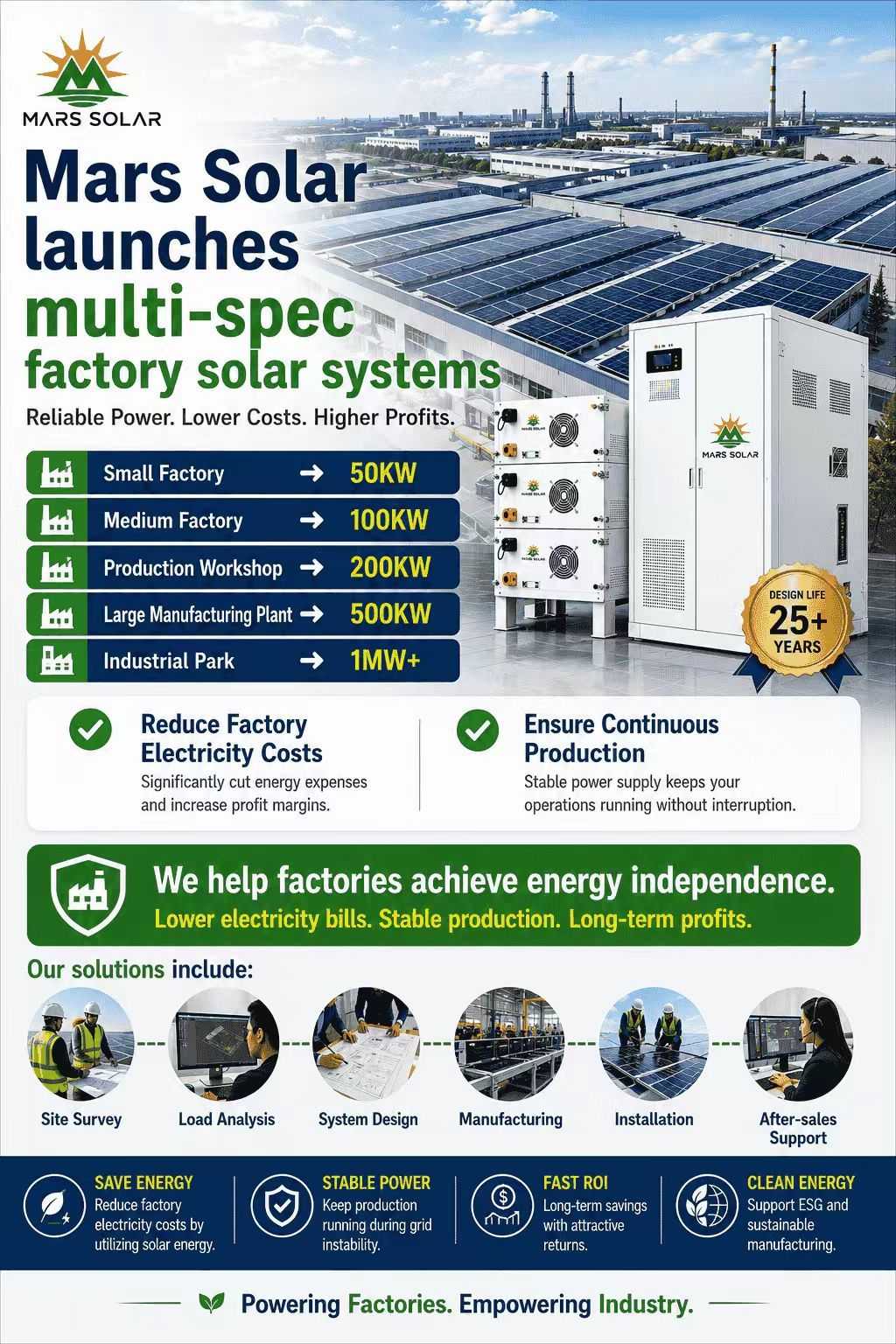
All prices below are factory-direct CIF Lagos / Onne Port quotations, excluding Nigerian import duty (5–7%) and VAT (7.5%). Equipment: LFP lithium batteries, integrated BMS, hybrid inverter, liquid cooling or forced-air thermal management, factory-tested and ready for grid connection. Labour, civil works, permits, and shipping from port to site are excluded — see the hidden costs section below for those line items.
| BESS Size | Architecture | Suitable For | CIF Lagos (USD) | CIF Lagos (Naira)* |
|---|---|---|---|---|
| 50 kWh | Rack-mounted, indoor | Small office, clinic, retail | $47,500 – $60,000 | N71.3M – N90M |
| 100 kWh | Rack-mounted, indoor | Medium office, hotel (20 rooms), telecom tower | $90,000 – $115,000 | N135M – N172.5M |
| 200 kWh | Rack or cabinet, indoor/outdoor | Hotel (40–60 rooms), small factory, bank branch | $170,000 – $220,000 | N255M – N330M |
| 500 kWh | 20ft container, outdoor | Large hotel, hospital wing, industrial site | $380,000 – $480,000 | N570M – N720M |
| 1 MWh | 20ft or 40ft container, outdoor | Large factory, campus microgrid, cold-chain hub | $700,000 – $900,000 | N1.05B – N1.35B |
| 2 MWh | 40ft container, outdoor | Industrial park, large commercial complex, utility-scale | $1,300,000 – $1,700,000 | N1.95B – N2.55B |
Exchange rate: N1,500/USD (Aug 2026 indicative). Prices include factory burn-in testing, BMS calibration, and grid-synchronization testing before shipment. Browse our full BESS product range
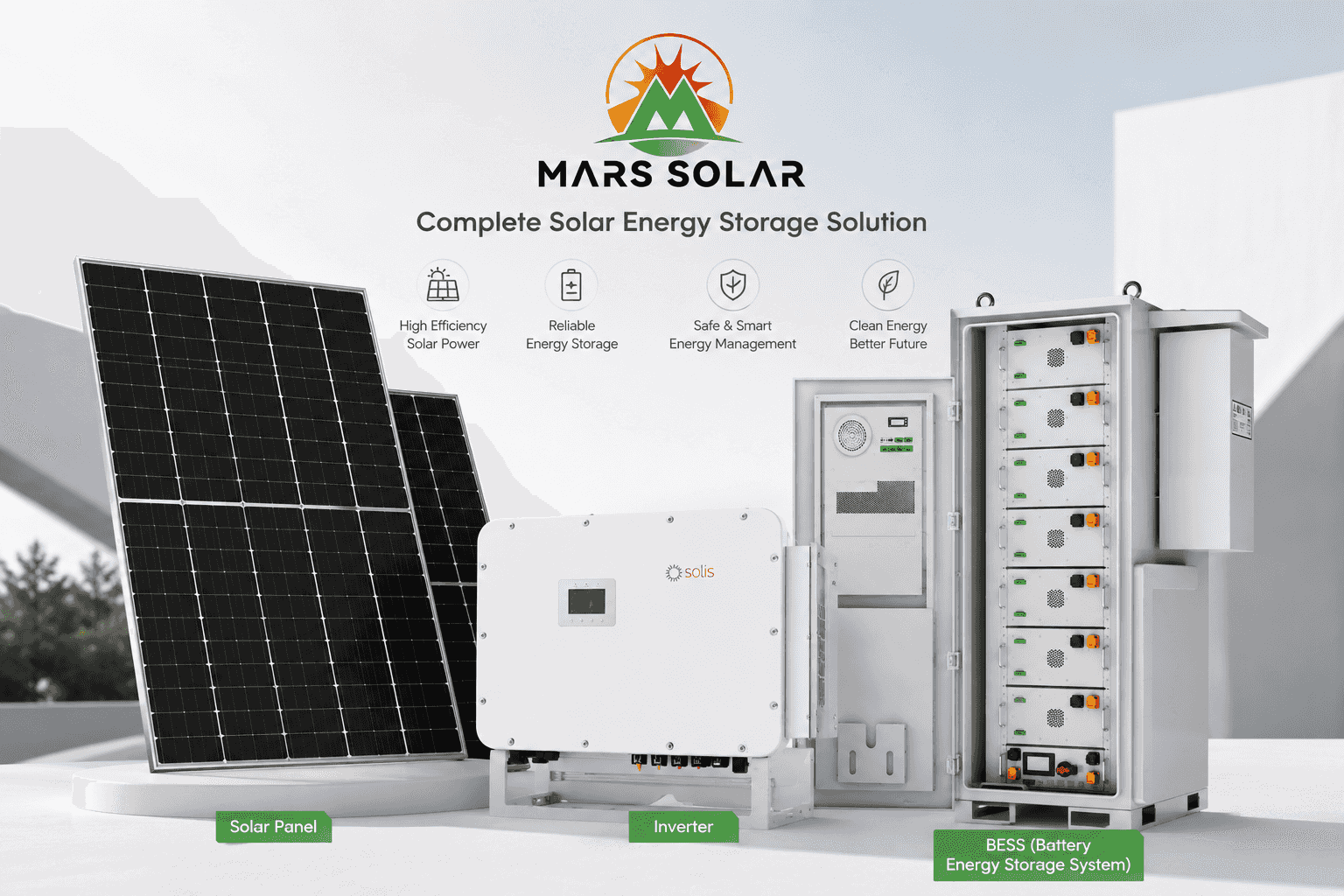
Most buyers compare the upfront cost of a BESS against a diesel genset. That is the wrong comparison. The right comparison is the total cost of ownership over 5 years — including fuel, maintenance, downtime losses, and equipment replacement. Here is the honest 2026 picture for a 100kW commercial site running 14 hours per day:
| Cost Item | Diesel Genset (100kW) | Hybrid Solar + 200kWh BESS | Savings vs Diesel |
|---|---|---|---|
| Equipment + installation | N20M – N35M | N110M – N160M (incl. solar + BESS) | — |
| Fuel cost (5 years, N1,400/L diesel, 0.4L/kWh) | N588M – N735M | N120M – N180M (solar + BESS top-up only) | N408M – N555M saved |
| Maintenance + spare parts (5 years) | N25M – N40M | N8M – N15M | N17M – N25M saved |
| Downtime losses (est. 2% of annual revenue) | N30M – N80M | N3M – N8M (near-zero outage events) | N27M – N72M saved |
| 5-Year Total Cost of Ownership | N663M – N890M | N241M – N363M | N422M – N527M saved in 5 years |
| Simple payback period | Never — ongoing cost forever | 10–16 months | — |
| 25-Year lifetime cost (3 replacement cycles) | N3.3B – N4.5B | N380M – N580M | N2.9B – N3.9B saved over 25 years |
The diesel column is not hypothetical — it is what every Nigerian factory and hotel owner who has not yet switched is currently paying. BESS is not a green choice. It is an economic one. See the Abuja rice mill project
Two BESS cabinets at the same kWh capacity can differ by 30% in price. Here is what is actually inside the number:
1. Battery cell chemistry — LFP vs NMC vs LTO
LFP (lithium iron phosphate) is now the global standard for C&I BESS: 6,000+ cycles at 80% DoD, thermal stability up to 270C, no cobalt, lower long-term degradation. NMC offers higher energy density but lower cycle life (3,000–4,000 cycles) and higher thermal risk. LTO is niche — excellent cycle life (15,000+ cycles) but at 2–3x the cost. For Nigerian commercial applications, LFP is the clear choice. Verify the cell brand: CATL, BYD, REPT, EVE, and Gotion are the Tier-1 LFP cell manufacturers globally.
2. Thermal management — liquid cooling vs forced air
Air-cooled BESS cabinets are cheaper upfront but suffer from uneven temperature distribution in high-ambient environments — and Nigeria is a high-ambient environment. Liquid cooling maintains cell temperature within 2C across the entire battery cluster, which directly extends cycle life and prevents capacity derating. For systems above 200kWh, liquid cooling is the right engineering choice. Mars Solar's BESS range uses liquid cooling as standard for systems above 100kWh. See the BESS product specifications
3. Battery Management System (BMS) — the brain of the cabinet
The BMS monitors every cell group — voltage, temperature, state of charge, and state of health. It controls charge/discharge thresholds, triggers protection events, and communicates with the hybrid inverter. A poorly designed BMS is the most common cause of premature battery failure. Look for: multi-level protection (cell, module, system), current limiting, pre-charge circuit, and CAN/RS485 communication with the inverter. Mars Solar calibrates BMS to the inverter at the factory — not in the field.
4. Hybrid inverter pairing
The BESS cabinet and the hybrid inverter must communicate natively. Some suppliers sell BESS without specifying inverter compatibility — leaving the buyer to figure it out at installation. Mars Solar's BESS cabinets ship configured with matched hybrid inverters as standard, tested together at factory before shipment.
5. Cabinet form factor — rack vs container
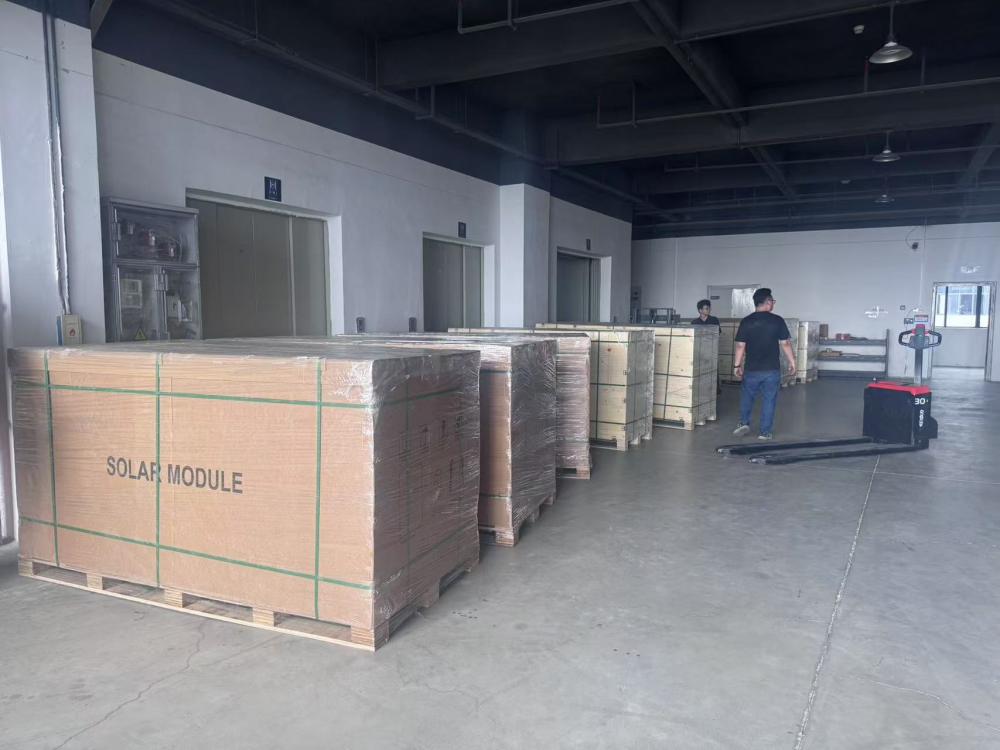
Rack-mounted BESS (typically 50–500kWh) sits inside a plant room or dedicated enclosure. Container BESS (500kWh–6MWh per 20ft or 40ft container) is a self-contained outdoor unit requiring only a concrete pad and grid connection. Container BESS has a higher upfront cost per kWh but lower installation cost — fewer site works, faster commissioning, easier expansion. Our 7-step factory audit guide explains what to look for when verifying a BESS manufacturer
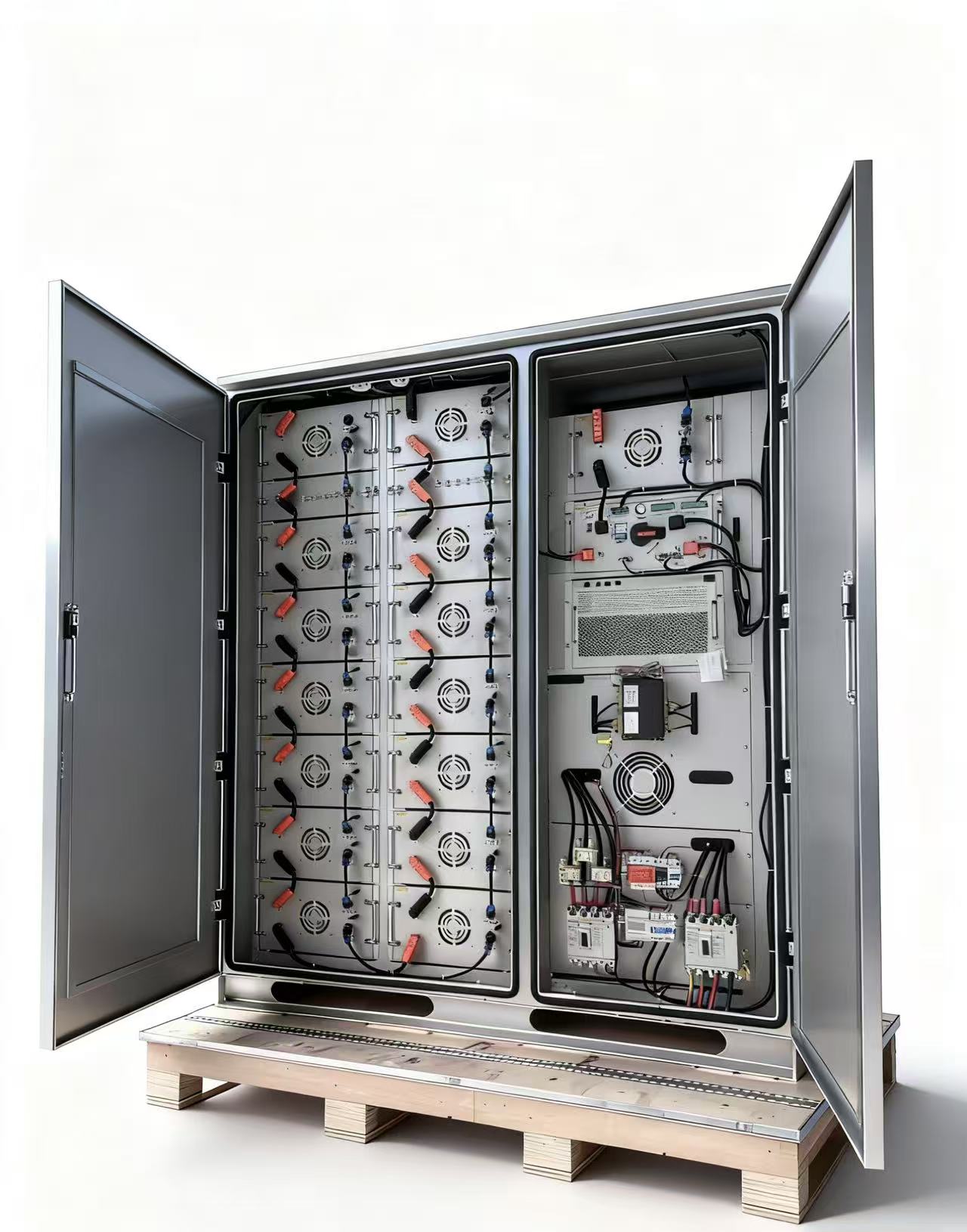
The answer depends on four variables: site space, capacity requirement, deployment speed, and budget profile. Here is a practical decision matrix:
| Factor | Rack-Mounted BESS | Container BESS |
|---|---|---|
| Typical capacity | 50–500 kWh | 500kWh–6MWh |
| Installation environment | Indoor plant room or covered enclosure | Outdoor — concrete pad only |
| Site works required | AC/DC cabling, room ventilation, fire suppression, switchgear integration | Concrete pad, AC cable run to main switchboard, grid connection |
| Deployment time (after arrival) | 3–6 weeks | 1–2 weeks |
| Best for | Office buildings, telecom sites, small hotels, retrofit projects with existing plant rooms | Factories, large hotels, hospitals, cold-chain facilities, microgrids, telecom BTS farms |
| Mars product range | 50–500kWh rack-mounted BESS (LFP, liquid cooling, integrated BMS) | 500kWh–6MWh container BESS (20ft/40ft, outdoor-rated, grid-ready) |
Not sure which configuration fits your site? Send us your load profile and site details — our engineering team will design the right configuration
Theory is useful. Field data is better. Here are four Mars Solar BESS deployments across Africa:
Sudan: 100kW + 215kWh BESS Microgrid (Wastewater Plant)
A wastewater treatment facility in Sudan deployed a Mars Solar container BESS with 100kW hybrid inverter and 215kWh LFP battery storage. The site had zero reliable grid power — running two diesel gensets 18 hours per day. The BESS microgrid eliminated the need for one genset entirely and reduced fuel consumption on the second by 70%. Commissioned in 7 days from equipment arrival on site. Read the full Sudan BESS commissioning story
South Africa: 1MW + 2MWh Container BESS (Fruit Processing Factory)
A fruit processing facility in South Africa required 1MW of continuous power during the harvest season — with zero tolerance for grid interruptions that would spoil perishable product. Mars Solar deployed a 40ft container BESS cabinet with 2MWh LFP storage, integrated BMS, and hybrid inverter configuration. See the South Africa 1MW + 2MWh case study
Nigeria: 200kW + BESS (Rice Mill, Abuja)
A rice mill in Abuja operates 20 hours per day during peak season. Grid power is available but unreliable — with 4–8 outages per week, each costing hours of production time and risking spoiled grain batches. The Mars Solar BESS provides instantaneous grid-to-battery switching, carrying the full mill load through every outage. Read the Abuja rice mill project
Liberia: 50kW + 150kWh Solar-Storage (Bank Branch Network)
A Liberian bank required reliable power across multiple branch locations — including data centers, ATM networks, and teller operations that cannot afford any downtime. Mars Solar deployed rack-mounted BESS at each site, integrated with solar PV and a small backup genset for extended outage events. See the Liberian bank BESS deployment
This section is for the Nigerian importers, distributors, EPC contractors, and project developers — the people buying BESS not to install it on their own site, but to sell, install, and service it for their clients. Here is the complete China-to-Nigeria supply chain:
Step 1: Define your market position — OEM vs ODM vs branded distributor
OEM: you buy Mars Solar BESS cabinets under your own brand label. We handle all engineering and manufacturing; you control the market relationship. This is the fastest path to market. ODM: you specify the configuration (cell brand, cooling system, inverter, cabinet specs) and Mars Solar engineers the product to your specification. This takes 60–90 days for first order but gives you a differentiated product. Our MOQ, lead time, and payment terms guide covers both pathways in detail
Step 2: Confirm certifications for Nigerian market entry
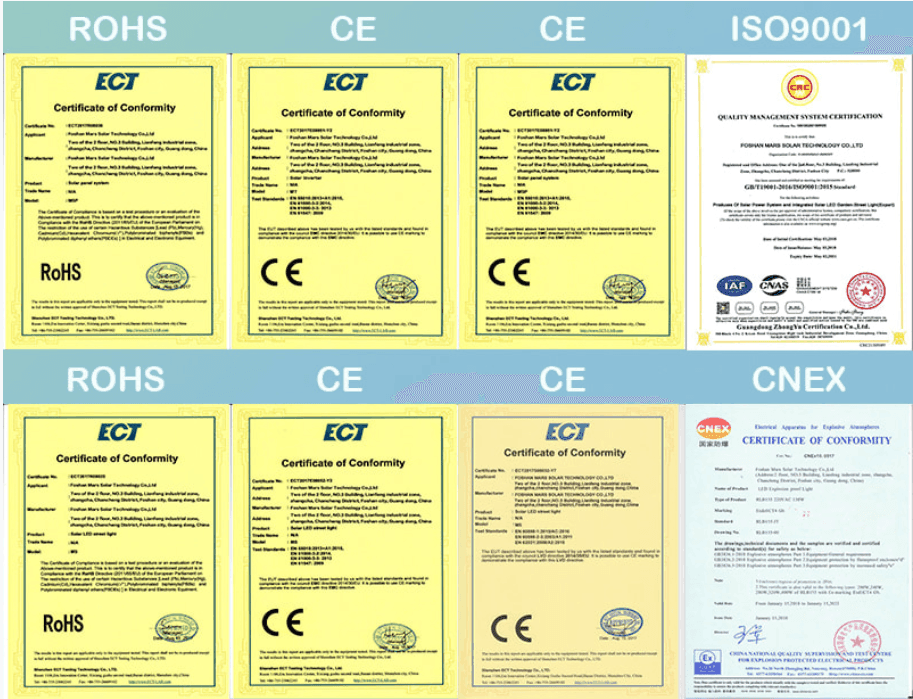
Before any shipment, confirm: UN38.3 (battery transport safety — mandatory for all lithium battery shipments internationally), IEC 62619 (industrial battery safety for C&I applications), IEC 62040-1 (UPS and power conversion safety), CE (accepted by most Nigerian insurers and Disco connection engineers), and SONCAP (Standards Organisation of Nigeria Conformity Assessment Programme) — required for customs clearance at Nigerian ports. The certification guide has the full list of certifications that matter for Nigeria
Step 3: Arrange shipping — FOB vs CIF
FOB: Mars Solar loads the equipment at our factory in China. You arrange and pay for freight, insurance, and Nigerian clearance — full control, full risk. CIF: Mars Solar arranges freight and insurance to Lagos or Port Harcourt. You take delivery at port of destination. For first-time BESS importers, CIF terms dramatically reduce the logistics learning curve. The container loading guide shows how BESS cabinets are packed and shipped
Step 4: Nigerian port clearing and import duty
BESS cabinets enter Nigeria through Lagos (Apapa or Tin Can) or Port Harcourt (Onne). Import duty on battery storage equipment is 5–7% depending on HS code classification — confirm with your clearing agent before shipment. VAT at 7.5% applies. SONCAP documentation must be in order before customs will release the shipment. Lagos-based agents familiar with Apapa and Onne typically charge N500,000–N1,500,000 for clearing a 20ft or 40ft container BESS shipment.
Step 5: Last-mile logistics and installation
Port to site delivery for a 20ft container BESS requires a flat-bed truck, crane hire (for unloading), and site preparation (concrete pad for outdoor container BESS). Budget N1,500,000–N4,000,000 for port-to-site logistics in Lagos, more for sites outside Lagos. Mars Solar provides full installation drawings, single-line diagrams, and commissioning support via remote video — or on-site with certified installation partners in Nigeria and West Africa.
Step 6: Building a margin — how distributors price BESS in Nigeria
Factory-direct CIF Lagos pricing gives you the room to build a sustainable distribution margin. A typical Nigerian BESS distributor marks up 25–45% on factory CIF cost when selling to end clients — covering installation, after-sales support, warranty reserve, and financing cost. At those margins, a 200kWh BESS deployment (N255M–N330M factory CIF) retails at N350M–N480M. The end client still saves N300M–N400M compared to diesel over 5 years. Mars Solar provides marketing collateral, data sheets, and technical support to help distributors close deals faster.
Cutting corners on certifications is the most expensive shortcut in the BESS import business. Uncertified equipment gets held at customs, rejected by insurers, and disconnected by Disco engineers. Here is what must be in order before your BESS container leaves China:
| Certification | What It Covers | Required For |
|---|---|---|
| UN38.3 | Lithium battery transport safety (altitude simulation, thermal, vibration, impact tests) | All international battery shipments — mandatory by IATA and IMO |
| IEC 62619 | Industrial secondary lithium battery safety for C&I applications | BESS above 100Wh in most international markets including Nigeria |
| IEC 62040-1 | Uninterruptible power systems safety and performance | BESS with grid-tie inverter intended for power quality applications |
| CE işareti | European safety, health, and environmental conformity — widely accepted in Nigeria as baseline standard | Accepted by most Nigerian insurers and Disco engineers as evidence of safety compliance |
| SONCAP | Standards Organisation of Nigeria Conformity Assessment Programme — product testing + factory audit + batch verification | Mandatory for customs clearance of electrical equipment in Nigeria |
| NERC Registration | Nigerian Electricity Regulatory Commission approval for grid-connected installations above 100kW | Required for grid-tied C&I BESS above 100kW; NERC has a dedicated renewable energy fast-track process |
| IP rating | Ingress Protection — dust and water resistance rating for outdoor BESS cabinets | Required for any outdoor-installed BESS; Mars Solar containers rated IP54 as standard |
Mars Solar BESS cabinets ship with full IEC 62619, IEC 62040-1, CE, and UN38.3 test reports. SONCAP support documentation is provided for importer's SONCAP application. Request the certification dossier for any BESS product before placing an order
What is the cost of a 100kWh BESS in Nigeria in 2026?
Factory-direct CIF Lagos: $90,000–$115,000 (N135M–N172.5M at N1,500/USD). Add ~15% for Nigerian import duty and clearing, and N1.5–4M for port-to-site logistics. A fully installed, commissioned 100kWh BESS for a Nigerian commercial site typically comes in at N160M–N210M total project cost. See the 100kWh BESS product specifications
How long does a BESS take to deploy in Nigeria?
From signed contract to operational BESS: 6–10 weeks for rack-mounted (50–500kWh), 8–14 weeks for container BESS (500kWh+). Breakdown: 2–4 weeks manufacturing and factory testing, 3–5 weeks sea freight (China to Lagos), 1–3 weeks clearing and port-to-site transport, 1–2 weeks installation and commissioning.
How long do LFP batteries last in a BESS?
Tier-1 LFP cells (CATL, BYD, REPT, EVE) deliver 6,000+ cycles at 80% depth of discharge — which at one full cycle per day translates to 16+ years of useful life. Most BESS warranties cover 5–10 years for the battery module, with 60–70% capacity guaranteed at year 10. Use our system configuration guide to understand how BESS integrates with a solar PV array
Can I add BESS to an existing solar system?
Yes — if the existing hybrid inverter has spare capacity and communication ports. Not all inverters are BESS-compatible, and retrofitting a non-communicating inverter with a BESS can require inverter replacement. If you are designing a new system, design it with BESS from the start.
What happens to a BESS during Nigeria's Harmattan season?
Harmattan brings cooler ambient temperatures and lower humidity — which actually improves LFP battery performance and longevity compared to hot-season operation. The liquid cooling system in a Mars Solar BESS adapts to ambient conditions automatically. No winter mode required.
Is used or refurbished BESS worth buying?
No — for most commercial applications in Nigeria, refurbished BESS is a false economy. Battery state of health at second life is unknown and unverifiable without cell-level testing. Warranty terms from original manufacturers do not transfer. And without proper recertification (UN38.3, IEC 62619 retest), SONCAP clearance becomes extremely difficult. Buy new from a factory with verifiable test reports.
What is the difference between a BESS and a UPS?
A UPS is designed for instantaneous failover — milliseconds — for IT equipment. It runs for minutes to hours at rated load. A BESS is designed for sustained energy delivery — hours to days — at the full load profile of an entire facility, with solar integration, peak shaving, and demand charge management built in. They are complementary, not competing.
Can I import BESS as an individual without a company?
Technically yes, but practically no — for commercial-scale BESS. Individual importers face higher import duty rates, cannot obtain SONCAP certification easily, and have no business entity to carry the warranty and after-sales obligation to end clients. If you are serious about BESS distribution in Nigeria, form a registered Nigerian company and engage a licensed electrical contractor for installation.
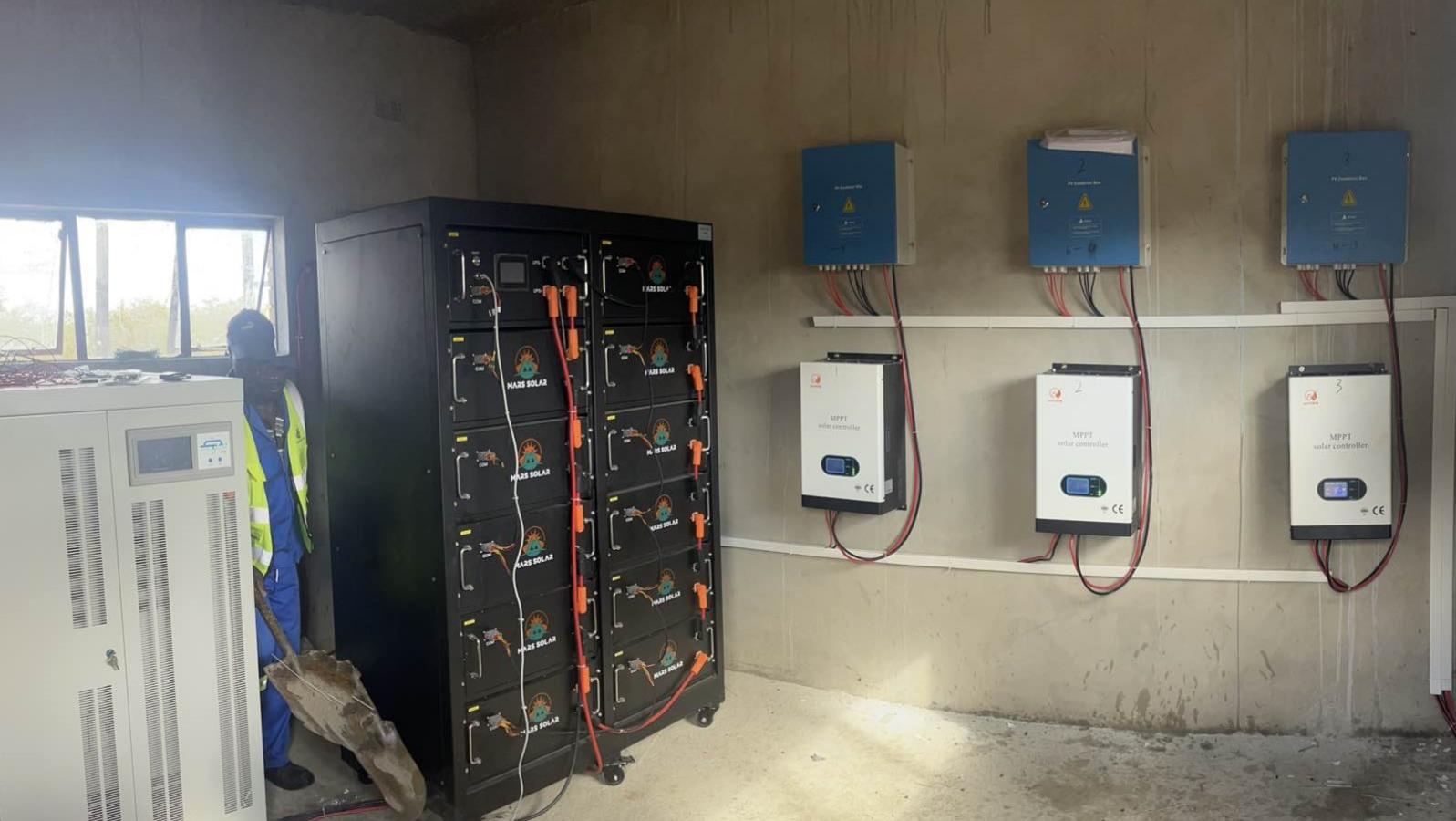
The difference between a useful BESS quote and a misleading one is the information you provide before you ask for it. Here is how to request a quote that actually tells you what you need to know:
Provide a load profile, not just a load list
"We run a 50-room hotel" is a starting point. "We run a 50-room hotel with 20 split AC units, 200 LED lights, a 15kW kitchen, and 2 elevators — the AC runs from 6pm to 6am, peak grid demand is 80kW" is a proper load profile. Battery sizing is determined by evening and overnight load — not by peak daytime demand. If you only give the peak, you will be quoted a battery that runs out at 9pm.
State your grid pattern — not just your grid presence
"We have grid power" is useless. "We have grid power from 8am to 6pm but experience 4–8 outages per week, averaging 2–4 hours each week, concentrated between 12pm–2pm and 6pm–10pm" is what drives the right system design. Grid availability windows determine when the BESS can charge; outage patterns determine when it must discharge.
Compare systems, not just prices
Three BESS quotes for the same site can differ by 30–40% — not because one supplier is overcharging, but because they have designed different systems. Check: battery kWh capacity (same?), cell brand and cycle life (same?), thermal management (air vs liquid — same?), BMS specifications (same?), inverter kW rating (same?), warranty terms (same?). The cheapest quote usually means the smallest battery. Use our factory audit guide to verify that the factory behind the quote is real and export-ready
Send us your load profile — appliances, quantities, run-hours per day, grid outage frequency and duration, and site location. Our engineering team will design the right BESS configuration for your loads, provide a factory-direct CIF Lagos quotation, and confirm delivery timeline to your port of choice. Response time: 24 hours. Request your free BESS system design and quote
If you are a distributor or EPC contractor looking to stock or deploy Mars Solar BESS in Nigeria, Ghana, or West Africa — contact us with your target market, typical project size, and preferred payment terms. We support OEM/ODM arrangements, provide marketing materials and technical data sheets, and connect you with our certified installation partners in your region. Start a distributor conversation
Already have a solar installation and want to add BESS? We support BESS additions and retrofits for existing systems. Describe your current setup
Continue building your BESS and solar sourcing knowledge:

 English English
 Chinese
 Cebuano
 Arabic
 Czech
Czech Danish
 German
 Greek
Greek Spanish (Spain)
 Spanish (Mexico)
 Persian
 French
 Indonesian
 Italian
 Japanese
 Korean
 Dutch
Dutch Portuguese
 Russian
 Tagalog
 Turkish
 Vietnamese