

Solar Power System Inverter: Grid vs Off-Grid | Mars Solar
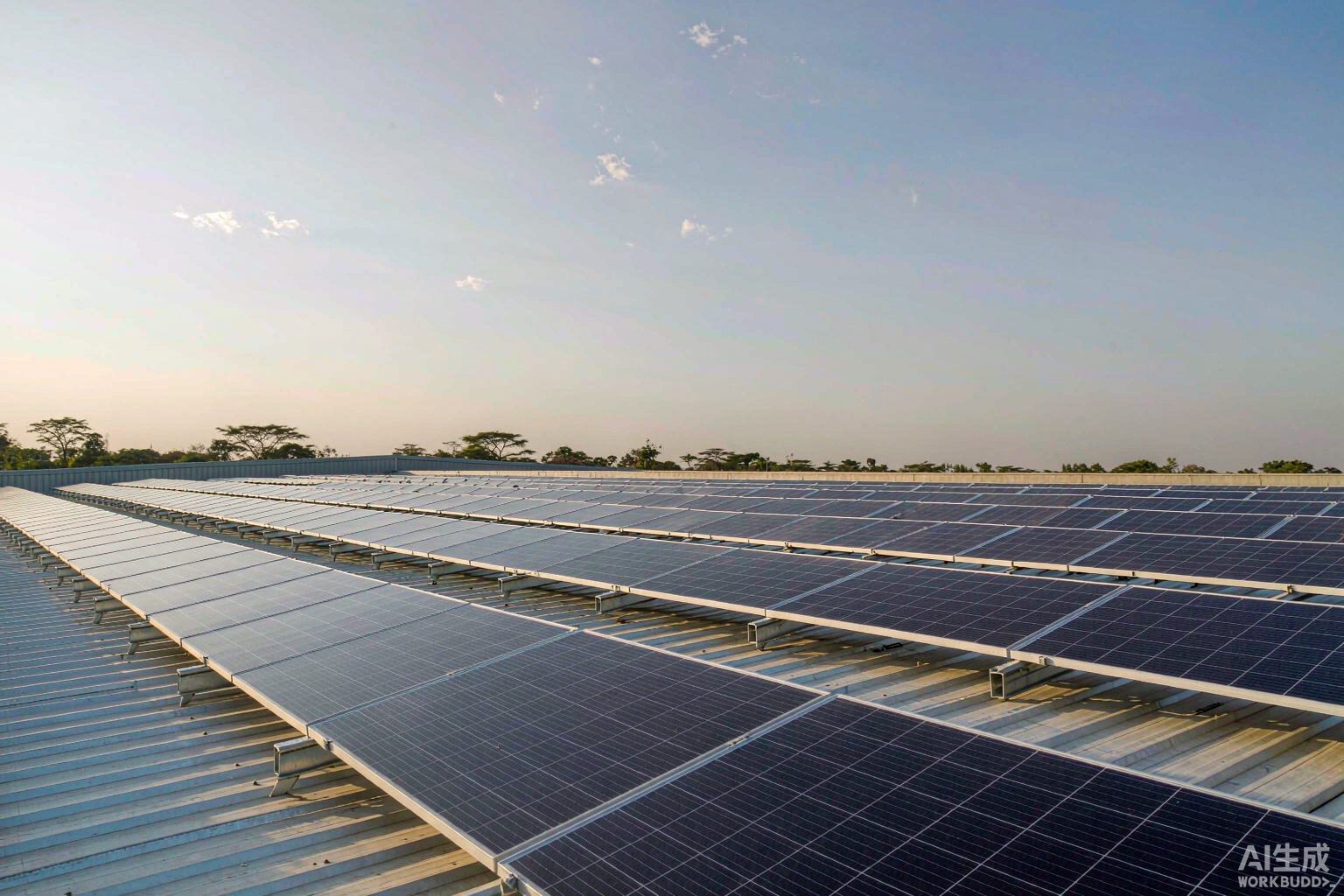
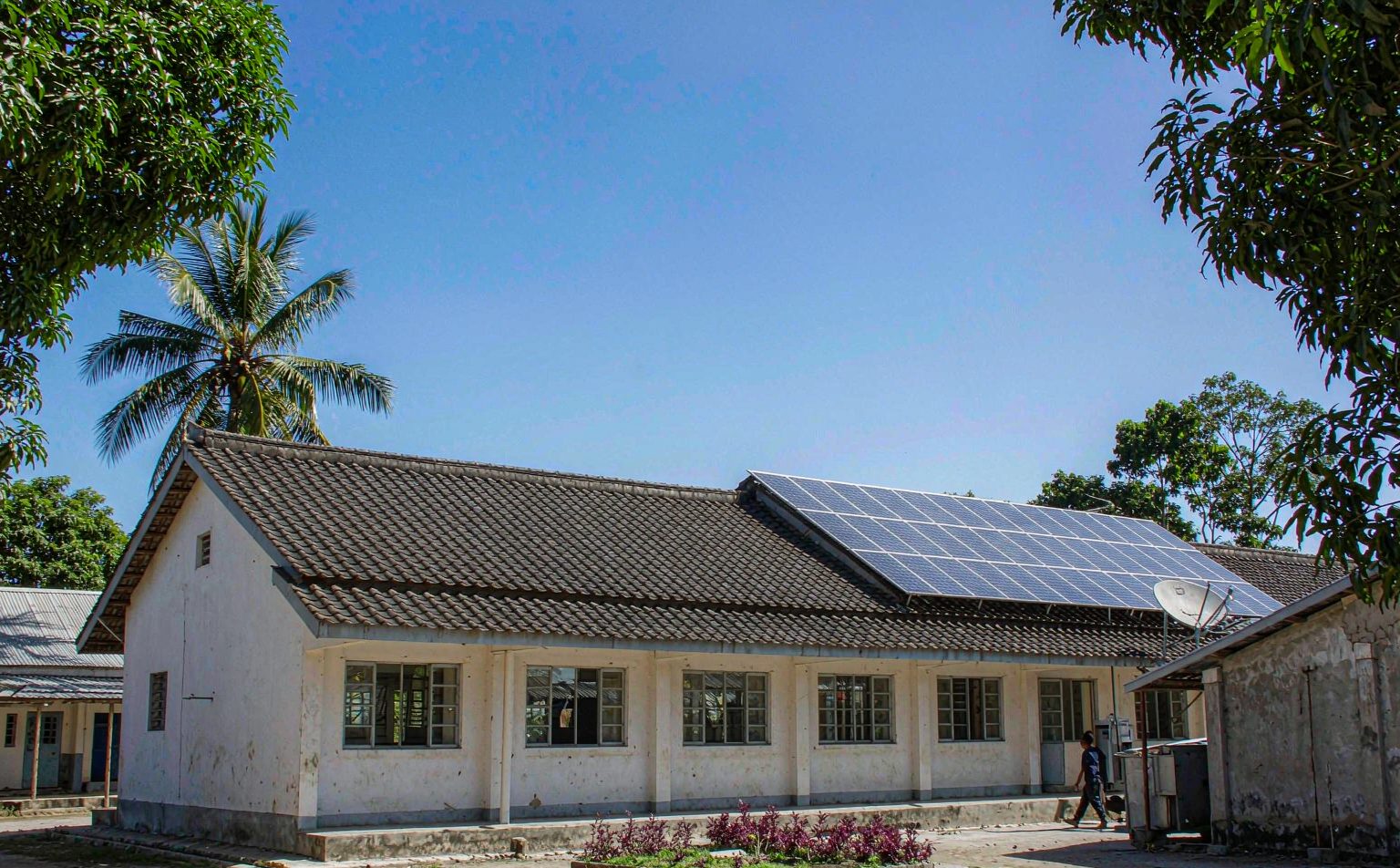
A solar power system inverter is the brain of your entire installation—converting DC electricity from panels into usable AC power for your home or business. Choosing the right inverter type directly impacts system cost, performance, and backup capability.
Grid-Tied Inverters
A grid-tied solar power system inverter is the cheapest option since no battery is required. Best for areas with stable utility power. Downside: no backup during blackouts. Typical ROI: 3-5 years in high-electricity-cost regions. Often illegal to operate during grid outages without anti-islanding protection.
Off-Grid Inverters
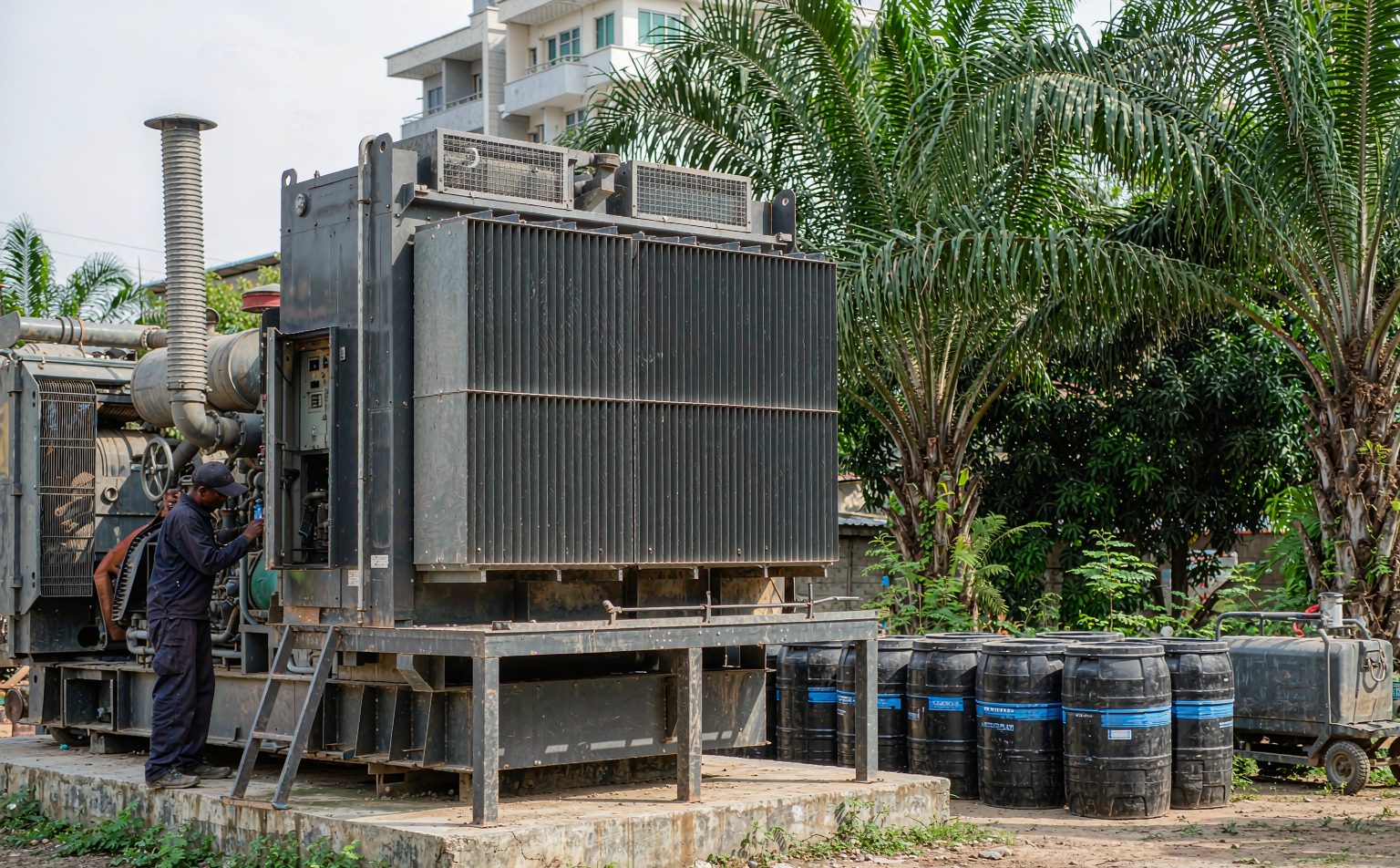
A fully off-grid solar power system inverter requires a battery bank sized for 2-3 days of autonomy. Higher upfront cost but zero ongoing electricity bills. Ideal for remote locations, areas with frequent outages, or buyers seeking energy independence. Often paired with generator backup for extended cloudy periods.
Hybrid Inverters (Recommended)
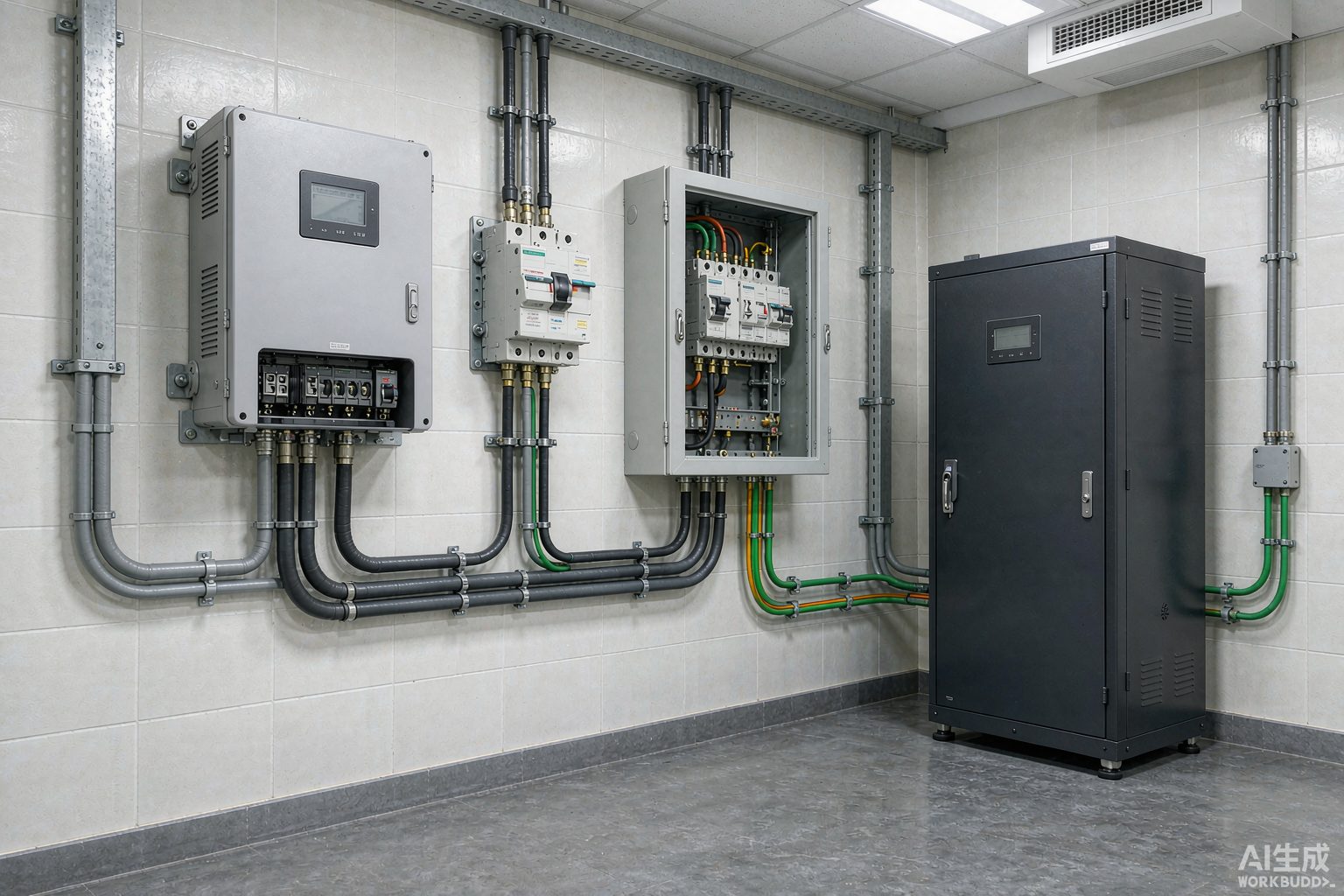
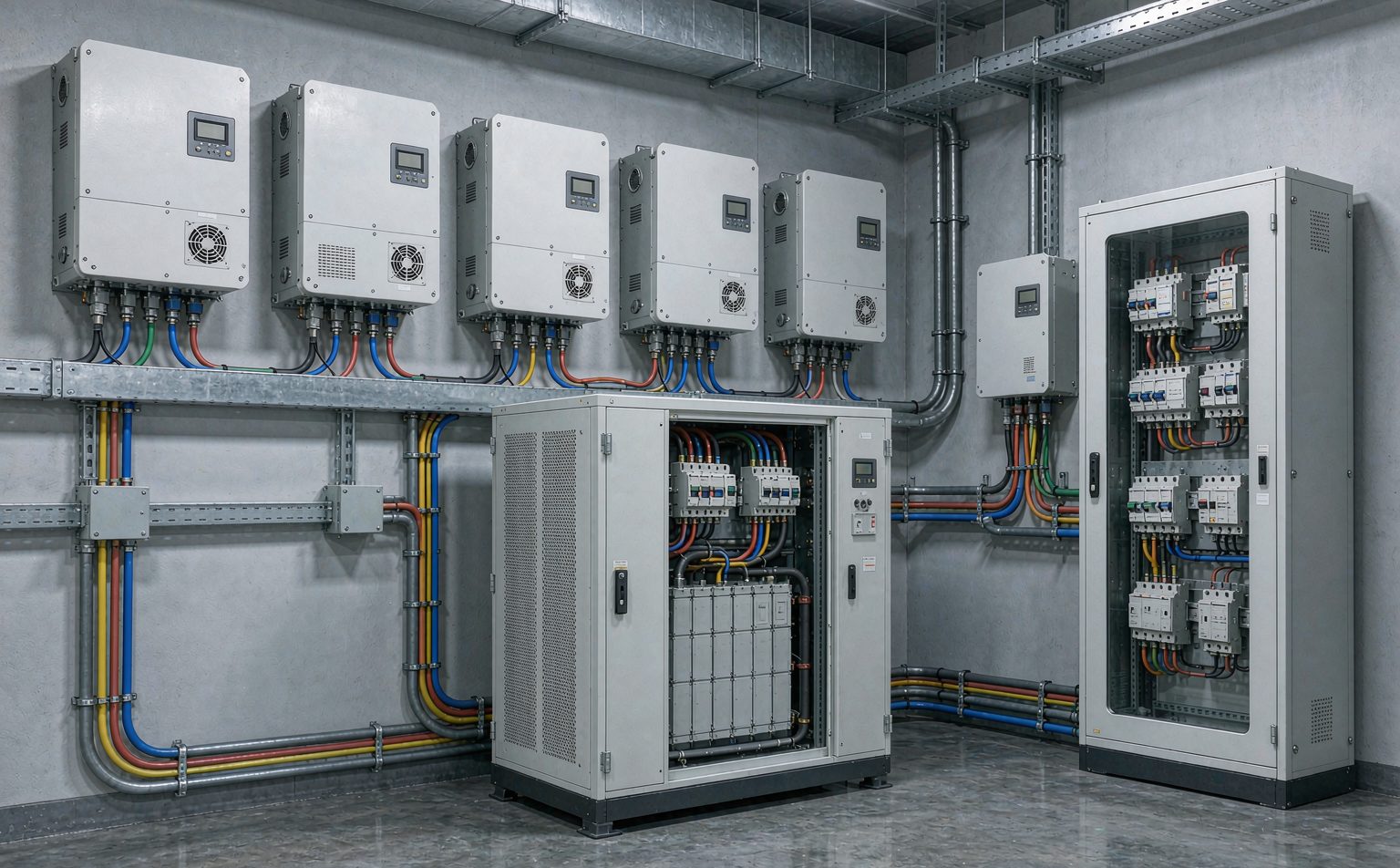
A hybrid solar power system inverter connects to the grid AND stores energy in batteries. You can sell excess power back to the utility, draw from batteries during peak tariff hours, and maintain backup during outages. Mars Solar 10KVA hybrid inverters support battery expansion to 30 kWh—our recommended choice for most international buyers.
Key Specs to Evaluate
IP65+ rating for dust and water resistance
Multiple MPPT inputs for rooftop arrays with multiple orientations
Wide voltage fluctuation tolerance (160V-500V typical)
Operating temperature range of -25°C to +60°C
Local certifications (CE, UL, IEC) for customs clearance
For most international solar power system installations, a hybrid inverter provides the best flexibility, future-proofing, and ROI. Start with a grid-tied setup only if budget is the primary constraint and grid stability is guaranteed.