
لغة
Commercial solar system Kenya quotes are usually compared on one number, the price per kilowatt, and that is the number that tells you least about what you are buying. What actually decides the return is the shape of your daytime load, the tariff band you sit on, and whether the system is allowed to export at all.
A commercial solar system Kenya project replaces grid electricity that costs roughly KSh 18 to 28 per kWh all-in with generation that costs about KSh 8 to 14 per kWh over a 25-year life. Every unit your building consumes while the sun is up captures that whole spread. Every unit you push back to the grid captures far less, because the net-metering credit is set at half the exported energy and it is applied before the pass-through charges that now make up a growing share of a Kenyan power bill.
That asymmetry is the entire design problem. It is also why the sizing sequence below starts from the load curve and the tariff rather than from the roof.
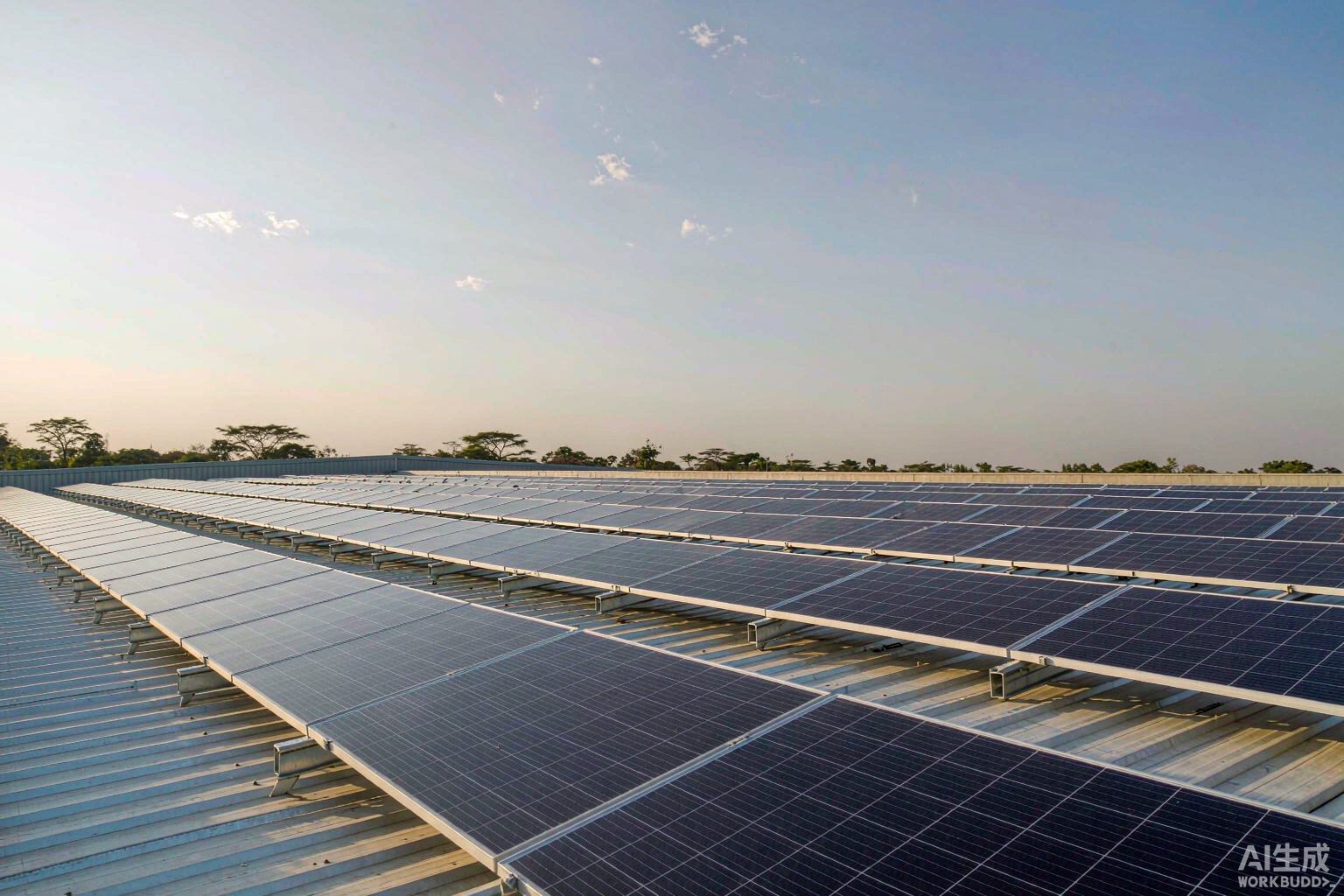
Four gates stand between a signed quote and a system that is legally energised. None of them is hard, but the order matters and skipping one can cost you the meter.
The last one is where projects go wrong. Connecting without inspection approval breaches the supply agreement, and KPLC can disconnect the premises meter without notice. Book the inspection before you book the commissioning date - get the sequence wrong and a commercial solar system Kenya can sit finished on the roof, generating nothing, waiting on a letter.
For anyone comparing suppliers, the useful question is not "are you licensed" but "show me the last three interconnection approval letters you obtained". A commercial solar system Kenya installer that has done this before will have them in a folder, and one that has not will talk around the question.
Sizing starts from the landed cost of a grid unit, not the headline energy charge. For a typical medium commercial customer the bill breaks down roughly like this.
Add it up and you are paying somewhere in the KSh 18 to 28 per kWh band all-in. In September 2026 the regulator confirmed three pass-through items together worth about KSh 4.16 per unit - a fuel cost charge, a foreign exchange adjustment and a water resource management levy. That is the part to watch: pass-through charges are calculated before any net-metering credit, so they keep climbing even on a meter that exports.
Solar does not compete with the energy charge. It competes with the whole stack, which is a much easier target - and it is why a commercial solar system Kenya feasibility study should open the last twelve bills before anyone looks at the roof.
The monthly kWh total is the least useful number on a Kenyan power bill. What matters is how much of that consumption happens between roughly 9 am and 4 pm, because those are the hours your array can displace directly.
A factory running two shifts is a completely different design problem from a warehouse that is quiet until the afternoon, even if both consume the same 20,000 kWh a month. The factory self-consumes most of what it generates. The warehouse exports a midday surplus at a credit worth half of what the same unit would have saved on site.
In practice a correctly sized commercial array without storage lands somewhere around 55 to 70 percent self-consumption. Add the right amount of battery and you push that higher, but the battery has to earn its own money, which is a separate calculation covered below.
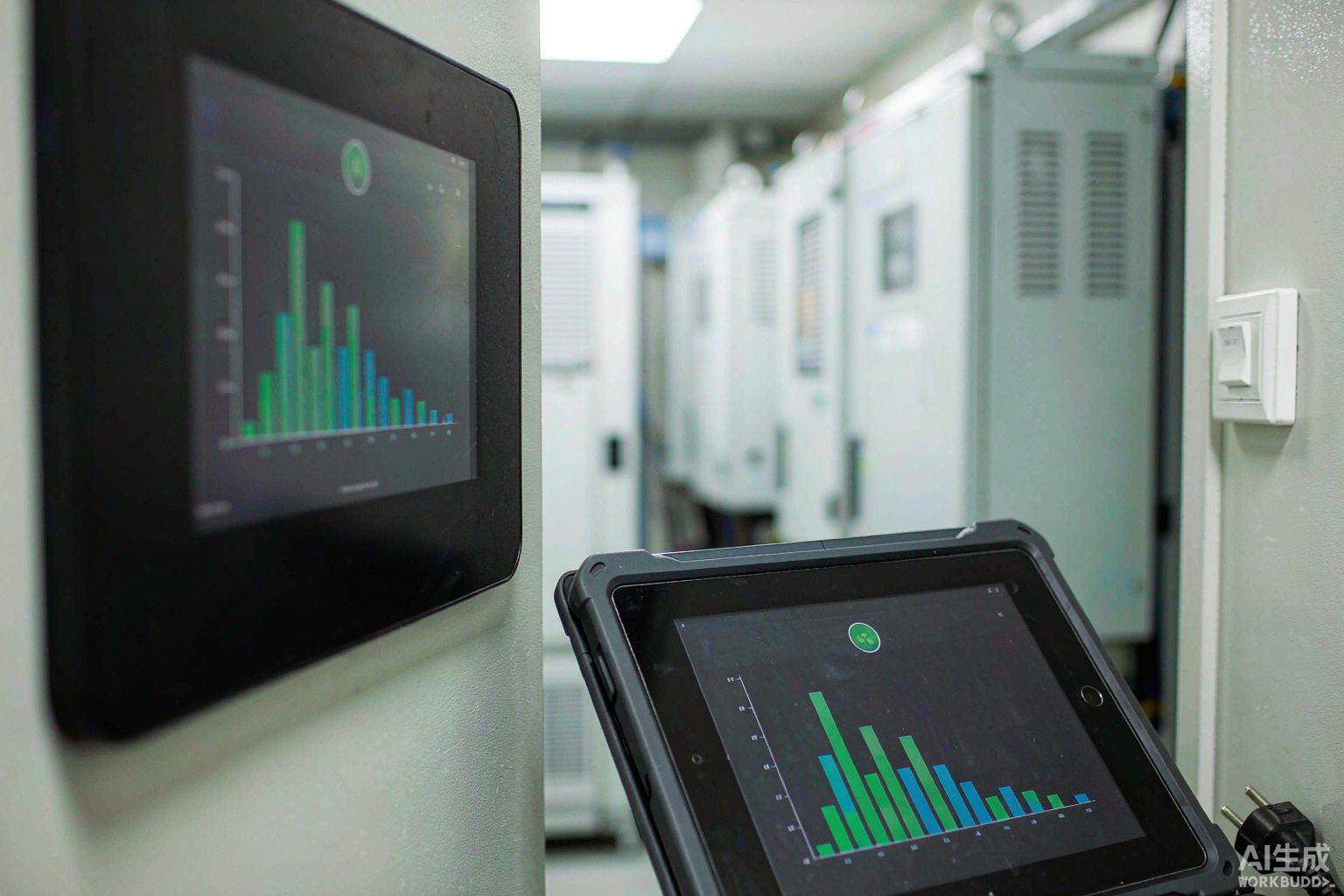
If you only have the monthly bill, get a logger on the incoming feeder for two weeks before you ask anyone to quote. It is the cheapest money you will spend and it removes most of the guesswork from commercial solar system Kenya sizing.
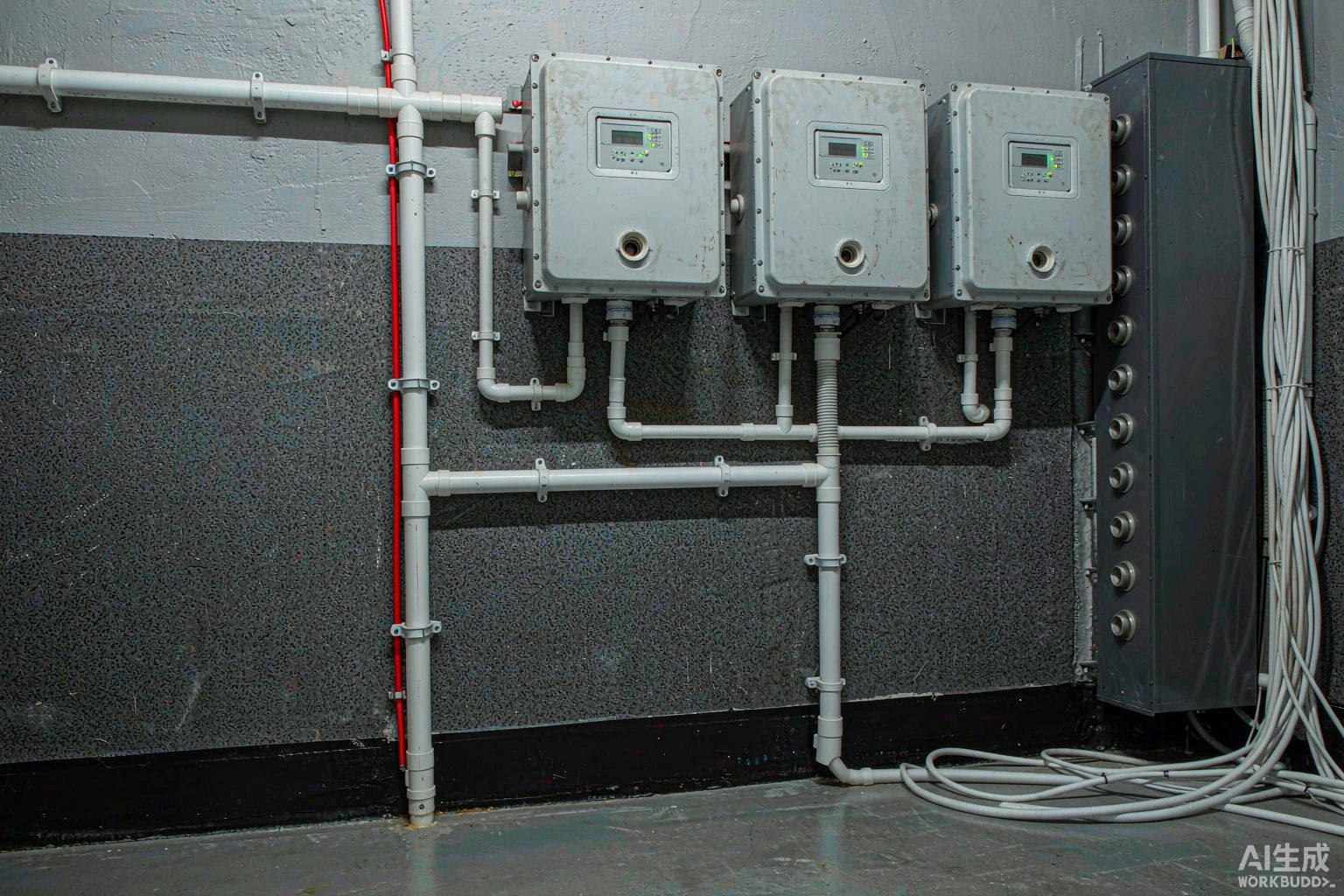
Once the daytime load is known, the array capacity follows. The discipline is to size for self-consumption and let the roof be the constraint, not the driver.
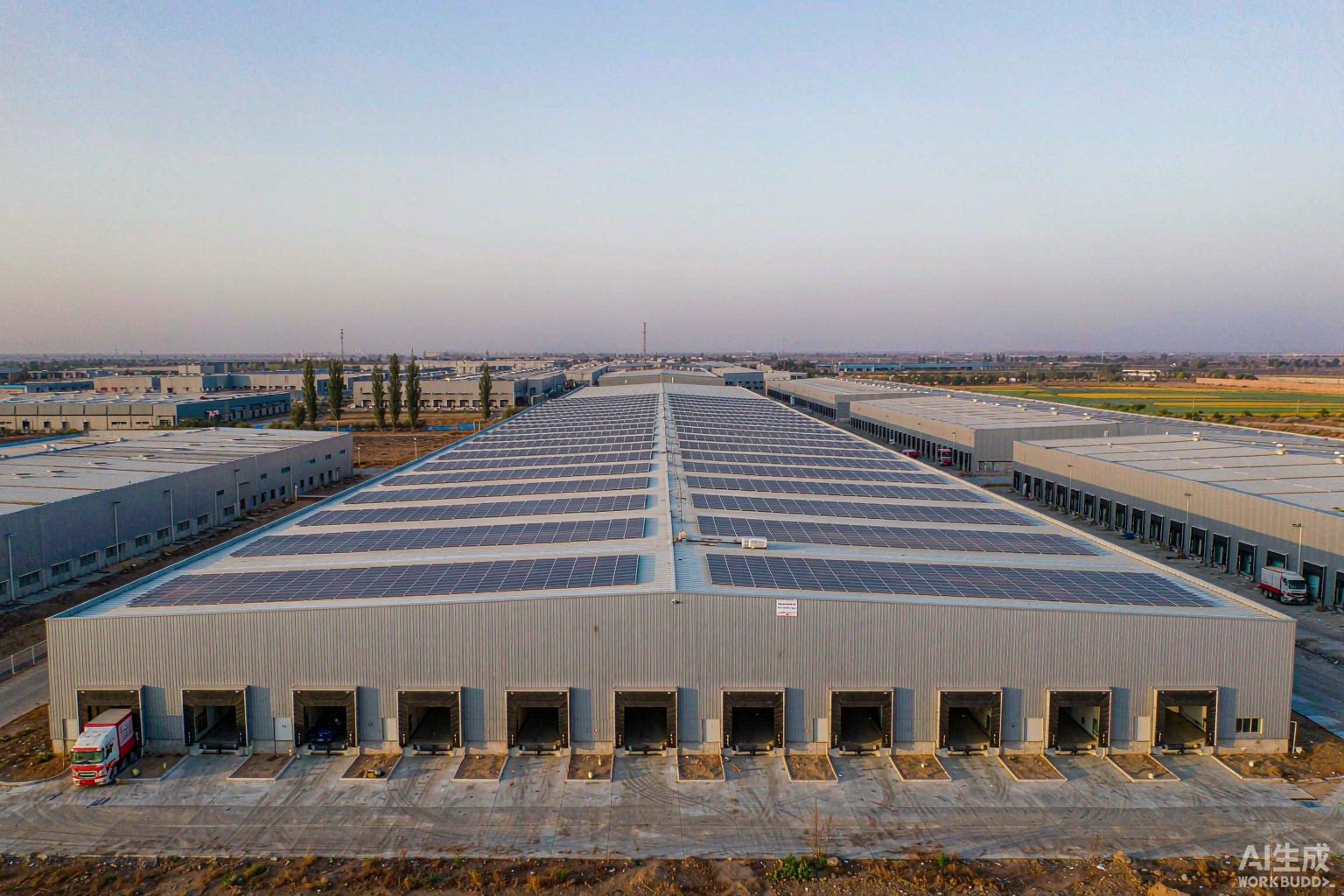
On a flat concrete roof with ballasted mounting you should budget around 15 to 20 square metres per installed kilowatt once walkways and shading setbacks are accounted for. A corrugated metal roof on a factory takes a little less because the tilt does the drainage for you, but the purlin spacing decides how much of the roof you can actually use, and that is a structural question an installer should answer in writing before the contract is signed.
Two limits sit above the roof constraint. Net metering in Kenya is capped at 1 MW of installed capacity per customer, and separately constrained by your highest recorded demand over the previous twelve months. A site that consumed very little last year cannot net-meter a large system this year, however big the roof is. Check both before the capacity is fixed, because a commercial solar system Kenya designed past either limit ends up curtailing output it paid for.
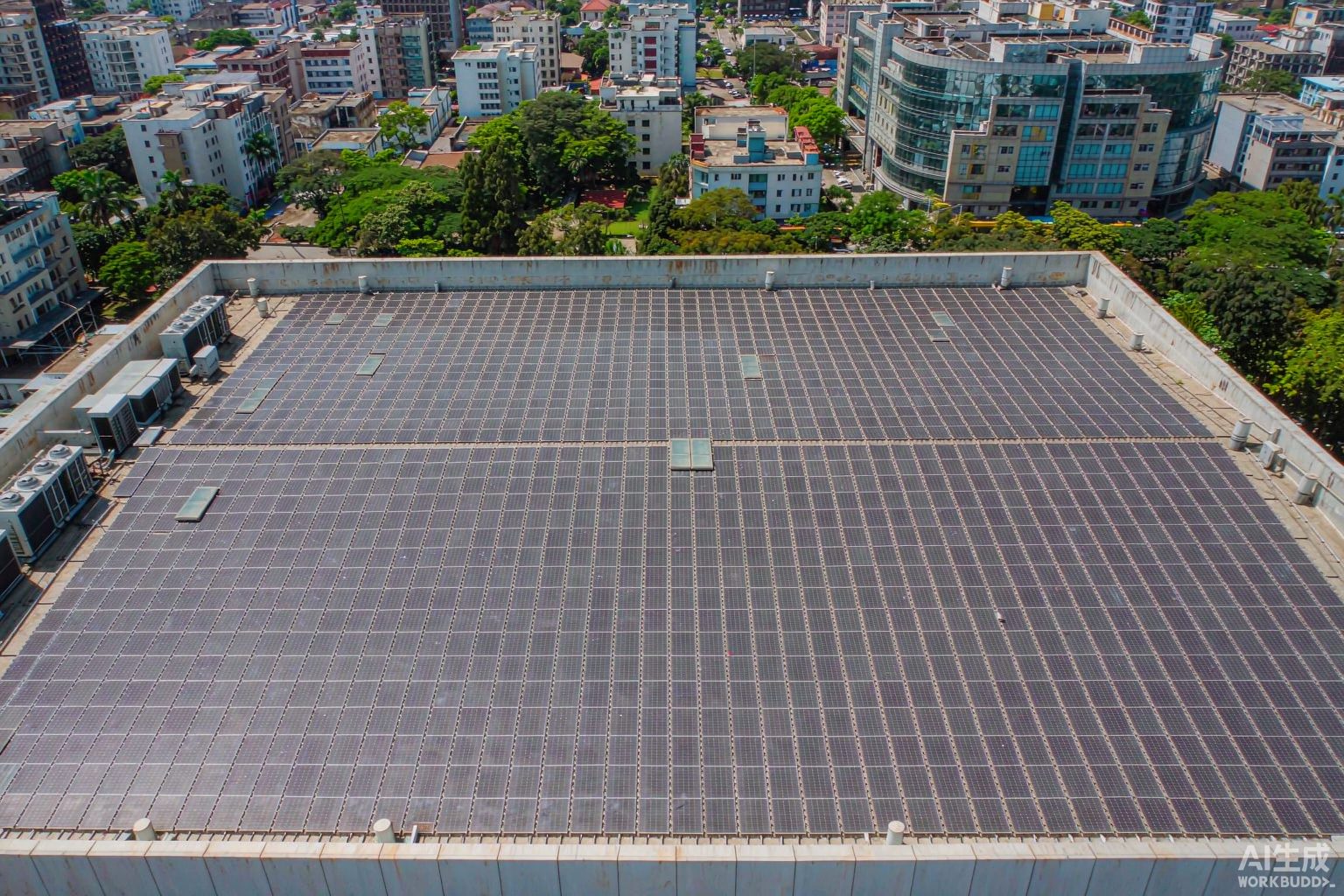
The most common oversizing mistake is matching inverter capacity to the module nameplate total. The two numbers are supposed to be different. An array rarely produces its nameplate figure at the moment the building needs it, and in a hot climate the module temperature coefficient pulls real output well below the sticker.
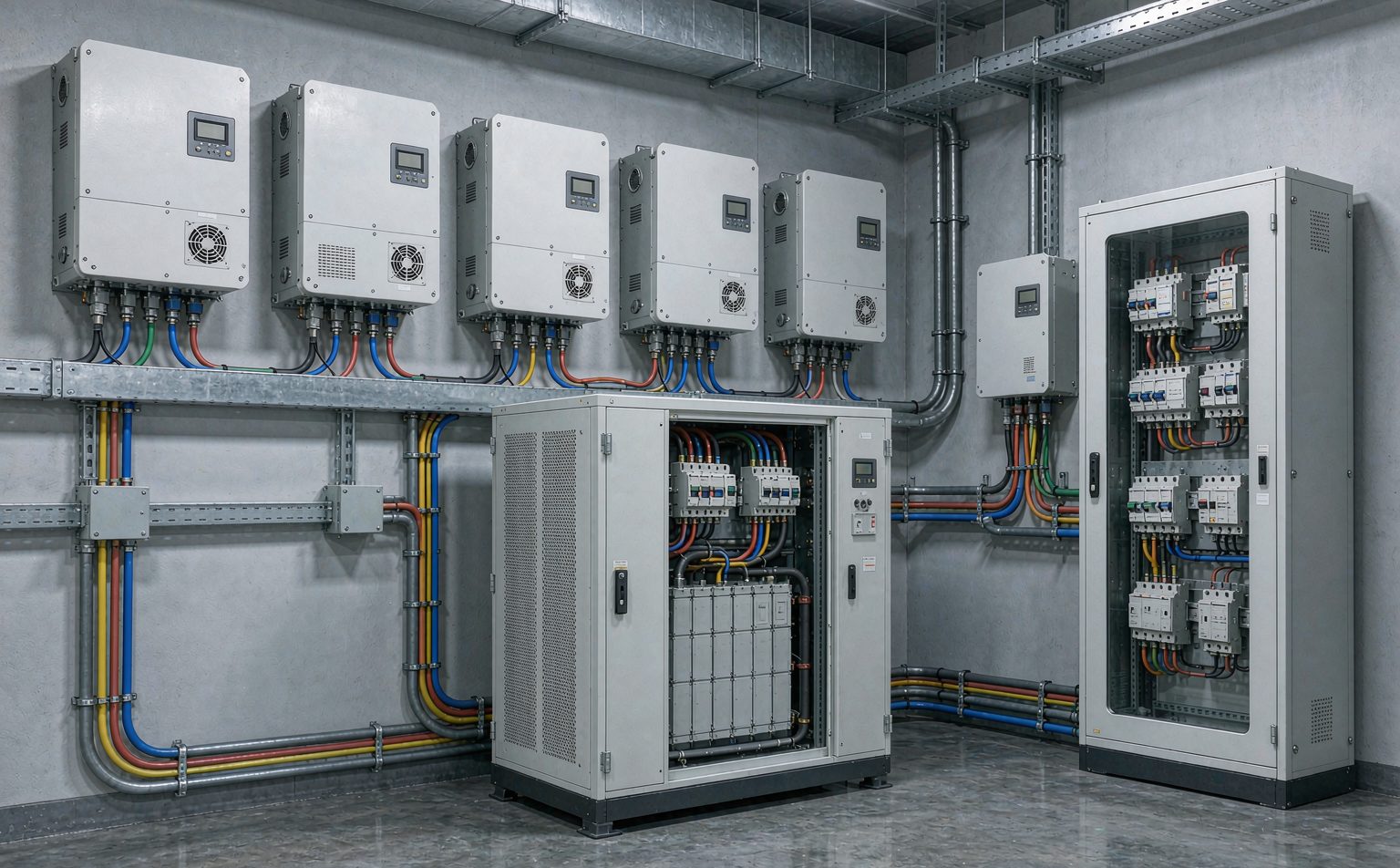
Three constraints set the inverter instead.
Getting this order right is where a commercial solar system Kenya quotation gets smaller rather than bigger. A slightly undersized array behind the right inverter usually outperforms a larger array behind one that clips at midday, and it costs less.
Storage is not a default. It is an add-on that has to clear its own payback, and in Kenya it clears it under three conditions.
One thing has improved the economics considerably. Kenya's 2026 finance legislation removed VAT on battery storage, while the pre-shipment verification and import declaration fees that apply to most imports still have to be budgeted. That makes the battery materially cheaper than it was, and it makes the "add storage later" plan look worse than it used to, because retrofitting a battery to a system that was never designed for one usually means changing the inverter as well.
Where none of the three conditions apply, put the money into array capacity instead. That is the honest answer, and a supplier who reaches for storage without asking about your evening load is sizing a commercial solar system Kenya from the price list rather than from the site.
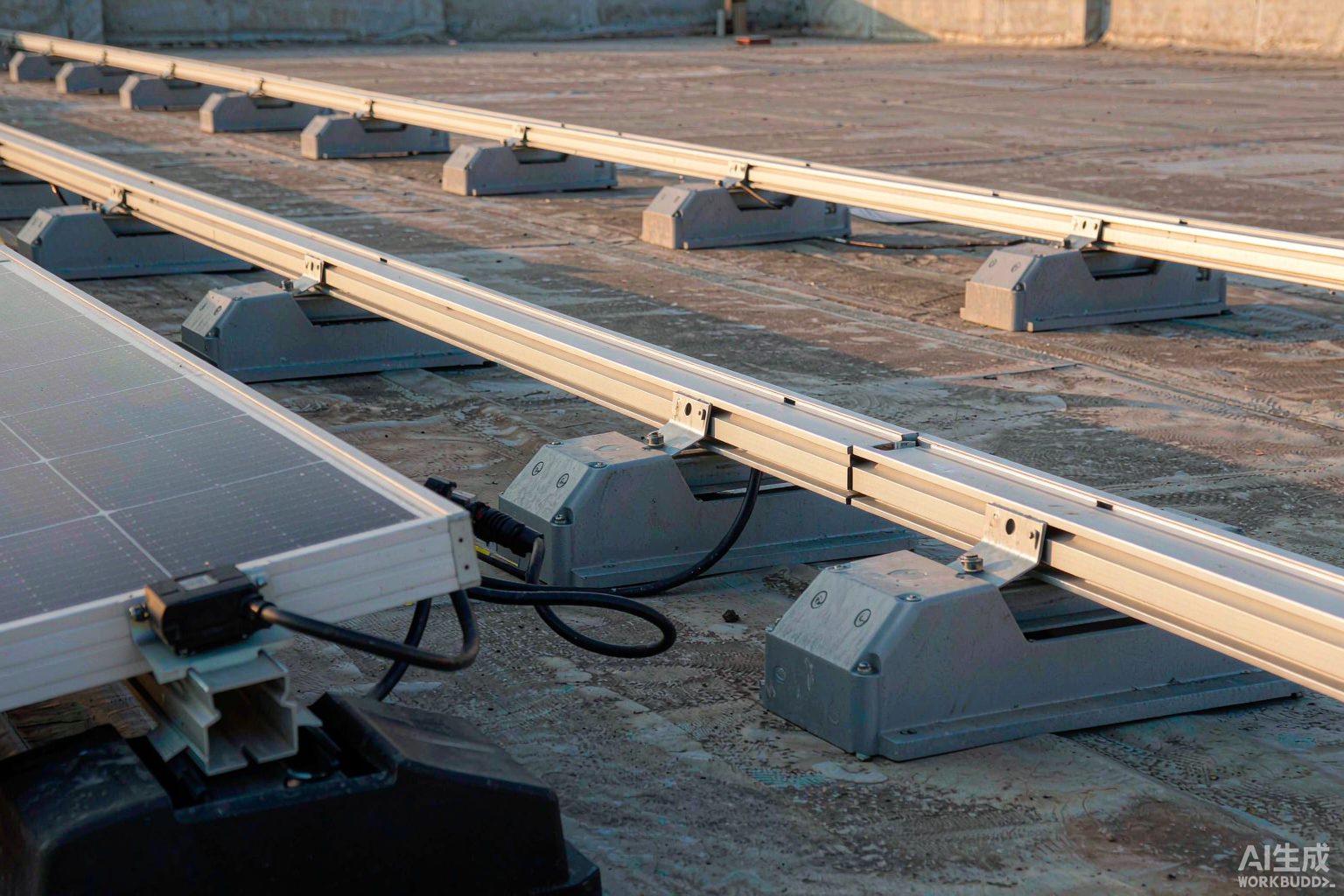
Take a Nairobi factory with a 200 kW rooftop array and a production-heavy daytime profile. The array produces roughly 290 MWh a year in Kenyan irradiance conditions. Somewhere between 60 and 75 percent of that is consumed on site, and the rest is exported or curtailed.
At the all-in tariff range above, self-consuming that volume puts annual savings in the region of KSh 1.5 to 3.5 million, depending on which band the site sits in and how much of the generation lands inside production hours. Payback on that profile typically falls between four and seven years on a system designed to last twenty-five.
The levelised figure is the one to keep in your head: KSh 8 to 14 per kWh over the life of the system, against KSh 18 to 28 per kWh from the grid. The spread is what pays for the asset.
Every commercial solar system Kenya we have modelled has been more sensitive to the self-consumption share than to the equipment price. Two quotes for identical hardware can differ by a year of payback purely on where the array lands relative to the production schedule.
Be sceptical of payback numbers shorter than four years on a grid-tied system without storage. They usually assume an export credit the customer will not get, or an irradiance figure measured somewhere other than the site. A commercial solar system Kenya sold on a four-year payback with no battery is usually hiding an export assumption.
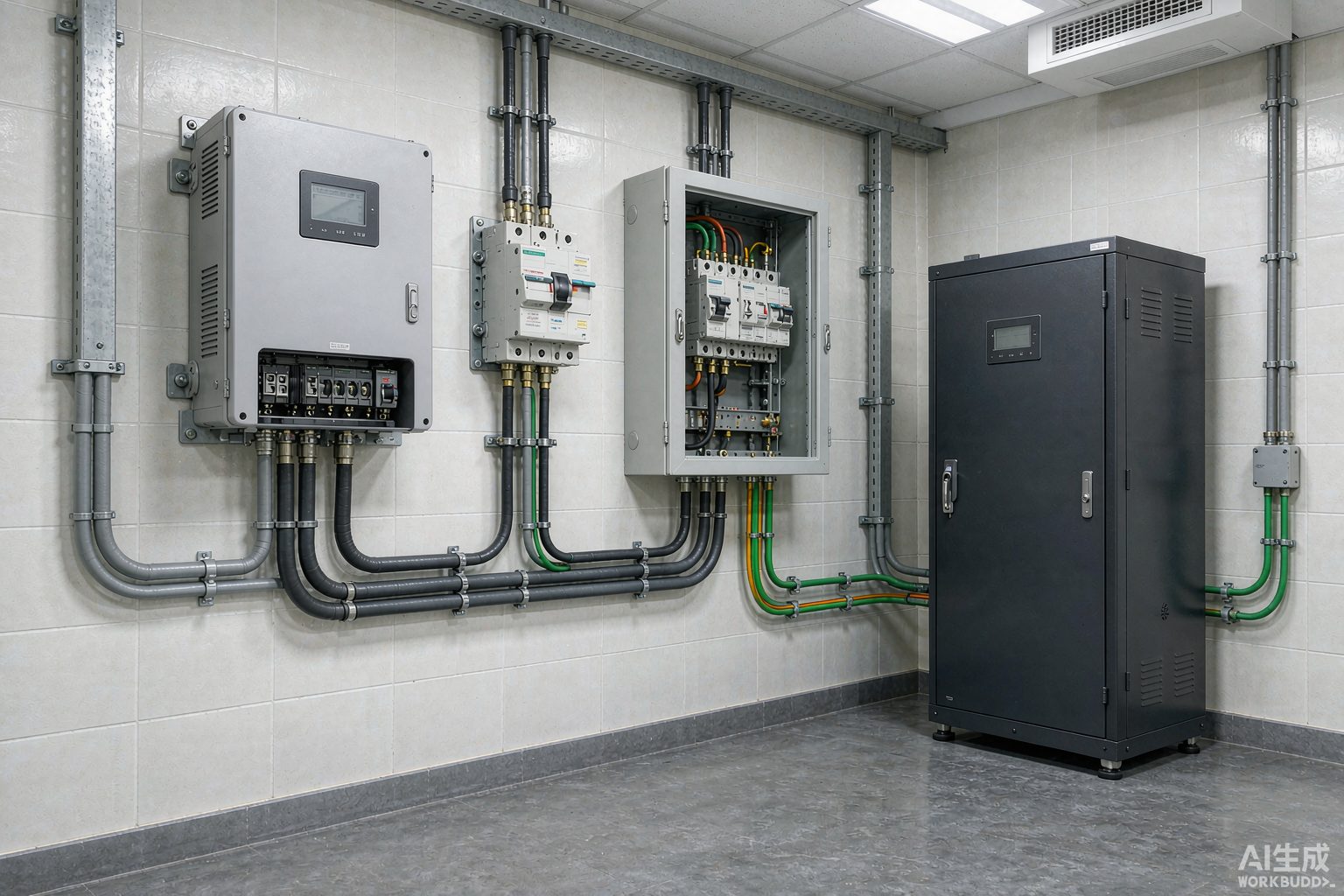
The sequence trips people up constantly. The net-metering application is submitted after KPLC has inspected and approved the interconnection, not before. KPLC will hold a net-metering application until the interconnection inspection passes.
Plan for four to eight weeks between an energised system and the bidirectional meter arriving. If your savings model assumes export credit from month one, it is wrong.
Three more things worth knowing before you sign anything.
None of this makes a commercial solar system Kenya project harder to justify. It makes the difference between a model that survives contact with the first bill and one that quietly does not.
Ask for these in writing and the conversation with suppliers gets very short very quickly.
The last two decide what happens in year three, when the installer's attention has moved on and something has failed. Performance warranties are only worth what the local service capability behind them is worth, and checking it is the cheapest due diligence a commercial solar system Kenya buyer can do.
How much does a commercial solar system Kenya project cost per kilowatt? Installed cost varies with scale, roof condition and how much storage is included. Quote on a delivered system basis rather than a per-kilowatt rate, because the balance-of-system and structural work is where two quotes for the same array size genuinely differ. A commercial solar system Kenya priced only per kilowatt is not a comparable quote.
Do I need an EPRA licence? No, not for self-generation below 1 MW on your own premises. Above that you are into embedded generation or open access, which carries a separate approvals process. A commercial solar system Kenya below the threshold still needs KPLC interconnection approval.
How long does a commercial solar system Kenya installation take on site? The mechanical and electrical work on a 200 kW roof is a matter of weeks. The schedule that matters is the approvals path - design, interconnection inspection, then the net-metering meter, which can add four to eight weeks after commissioning.
Is a commercial solar system Kenya worth it without battery storage? Usually yes, if most of your consumption is in daylight. Factories, warehouses, offices and schools on a daytime schedule routinely reach 55 to 70 percent self-consumption with no storage at all.
What happens to surplus power I export? You receive a credit set at half the exported energy, applied before pass-through charges and levies. Self-consumption is worth roughly double export, which is the reason every commercial solar system Kenya should be sized against the daytime load rather than the roof area.
Can I expand a commercial solar system Kenya later? Only if the inverter and the switchgear were specified with headroom. Say so at the design stage - expanding later usually means replacing the inverter otherwise.
Who maintains a commercial solar system Kenya after handover? Panel washing, terminations re-torqued annually, inverter firmware and battery state-of-health checks. Budget 1 to 2 percent of capital cost per year and agree in writing who does it before the commercial solar system Kenya is handed over.
Does a commercial solar system Kenya work during an outage? A standard grid-tied system shuts down for safety, by design. Keeping loads alive through an outage needs a hybrid inverter and a battery, which is a different and more expensive configuration - and the reason to specify a commercial solar system Kenya as hybrid from the start rather than convert it later.
What standards must a commercial solar system Kenya meet? Modules to KS IEC 61215 and 61730, inverters to KS IEC 62109. Non-compliant equipment is the single cheapest way for a supplier to win a tender and the most expensive mistake for the buyer, and the one that is hardest to detect once a commercial solar system Kenya is already on the roof.
How is a commercial solar system Kenya taxed on import? Treatment depends on the classification of each component, and battery storage received more favourable treatment under Kenya's 2026 finance legislation. Pre-shipment verification and import declaration fees still apply. Confirm the current position with your clearing agent before you price a shipment, because duty treatment can move the delivered cost of a commercial solar system Kenya by a wide margin.
Is financing available for a commercial solar system Kenya? Yes, increasingly, and a power purchase agreement is the alternative if you would rather not own the asset. Both routes price off the same generation model, so get the model right first and the financing conversation for a commercial solar system Kenya gets much shorter.
What size commercial solar system Kenya do I need? Whatever matches your daytime load within the roof you have and the 1 MW net-metering ceiling above it. Any answer given without a load profile is a guess dressed as a specification.
Put a logger on the incoming feeder for two weeks. Pull twelve months of bills and note which tariff band you actually sat in. Measure the roof, or have someone measure it, and find out what the structure will carry.
Those three inputs turn a commercial solar system Kenya enquiry from a request for a price into a request for a design, and the quotes you get back will be comparable. Without them you are comparing guesses.
If you already know your monthly consumption and your roof area, send both and we will size the array, the inverter and the storage against your tariff and tell you where the payback lands. Where a power purchase agreement fits better than ownership of a commercial solar system Kenya, we will say so.
Every step above assumes the array is sized from the load rather than the roof. The pages below cover the pricing, import, ownership and inverter decisions behind a commercial solar system Kenya.
Equipment pricing before it lands in Mombasa: solar panel price in Kenya. The import and clearance path: Kenya solar import guide. If you would rather not own the asset: solar PPA in Kenya. On the inverter decision itself: hybrid inverter sizing. KPLC's own tariff and connection information is published at kplc.co.ke, and the regulator's framework sits under the Ministry of Energy at energy.go.ke.

 English English
  Arabic
 Spanish
 French
 Dutch
Dutch
 Portuguese