
لغة
Ask our engineering team which product ships most often to commercial sites in 2026 and the answer is immediate: the 100kW 215kWh BESS cabinet. The pairing is not arbitrary — 100kW of power conversion matches the service capacity of a typical hotel, cold store or mid-size factory, and 215kWh of LFP storage covers two to four hours of that load, which is exactly the duration of the evening peak and the average grid outage in our target markets.
This guide covers what is inside the 100kW 215kWh BESS, the specifications that matter when comparing cabinets, indicative CIF pricing for 2026, how the cabinet earns its money in peak shaving and diesel displacement, and the certification file that ships with every unit. All figures are indicative September 2026 ranges — confirm the current quotation before budgeting.
The cabinet is catalogued with full specifications on our partner site as the 100kVA 100kW 215kWh BESS, and this article explains how to evaluate it against alternatives.
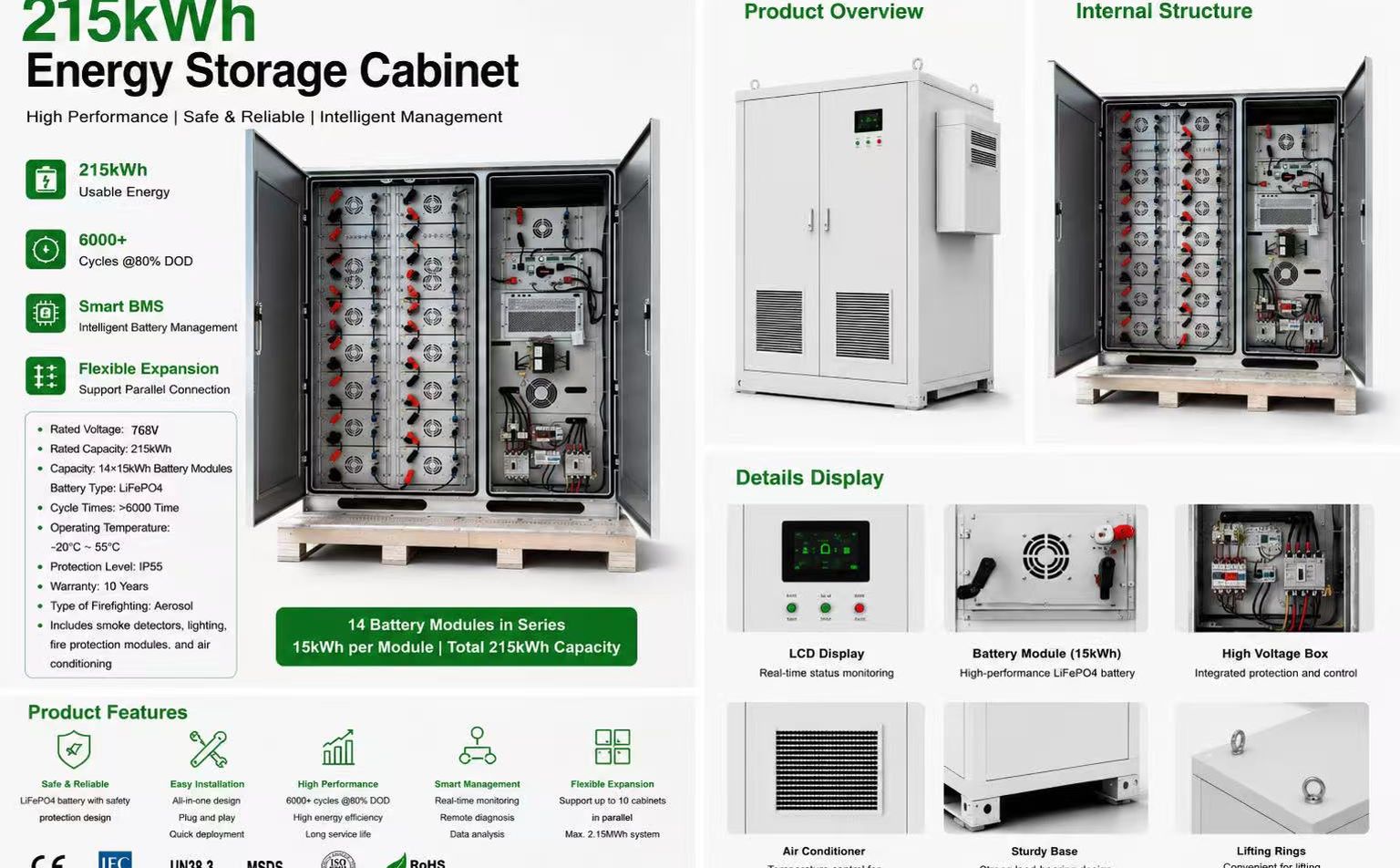
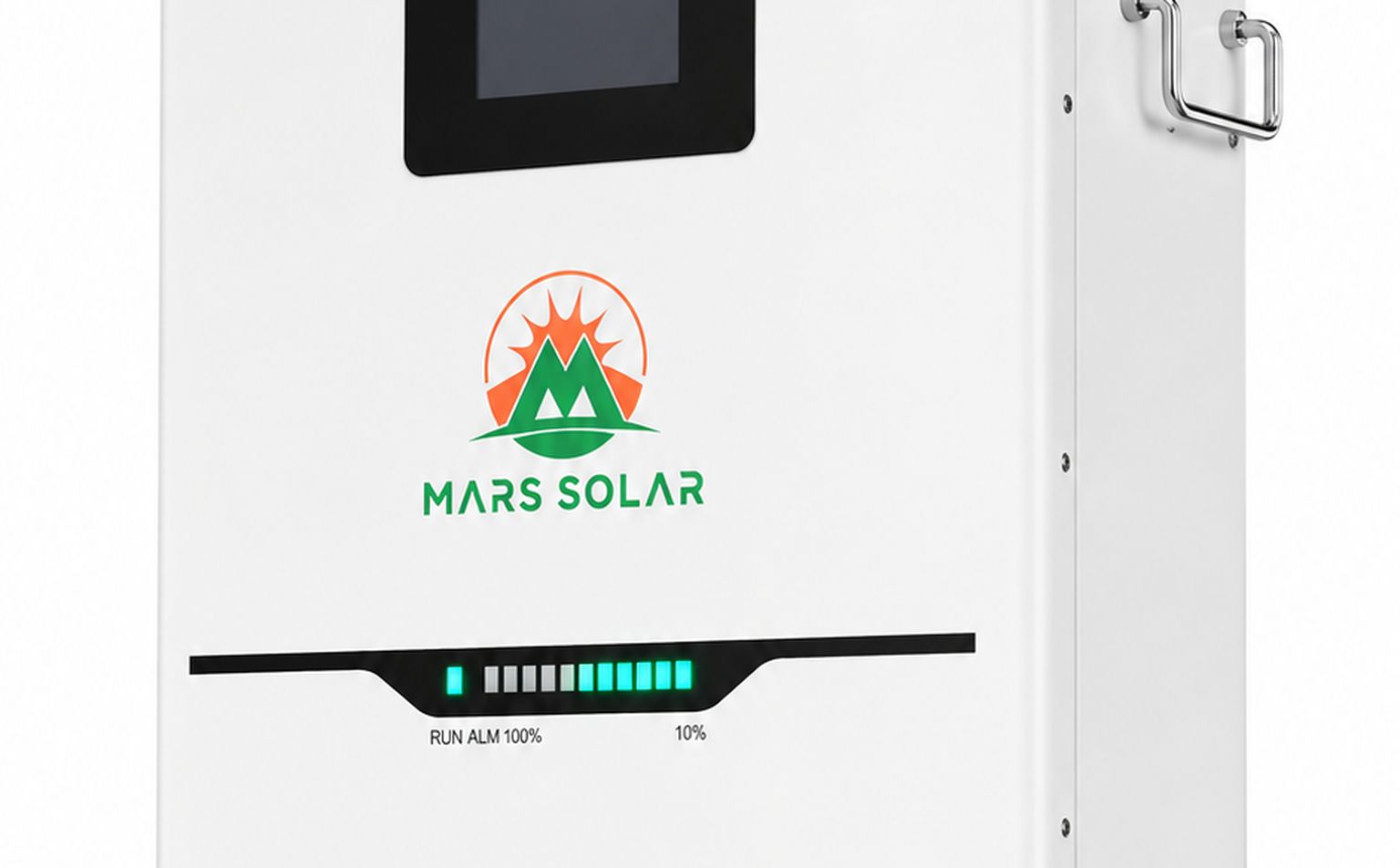
Open the doors and the architecture is deliberately simple. Fourteen LFP battery modules — 51.2V class, rack-mounted — build the 215kWh DC bus around Grade-A LiFePO4 cells rated for 6,000 cycles. A 100kW hybrid power conversion system handles both grid-tied and off-grid operation. The battery management system watches every module's voltage, temperature and state of charge, and balances continuously.
Around that core: DC and AC protection, a fire detection and suppression loop, filtered forced-air cooling sized for 45-degree ambient operation, and the controller that runs the charge/discharge schedule. The whole 100kW 215kWh BESS ships as one pre-commissioned cabinet — site work is placement, AC connection and commissioning, measured in days rather than weeks.
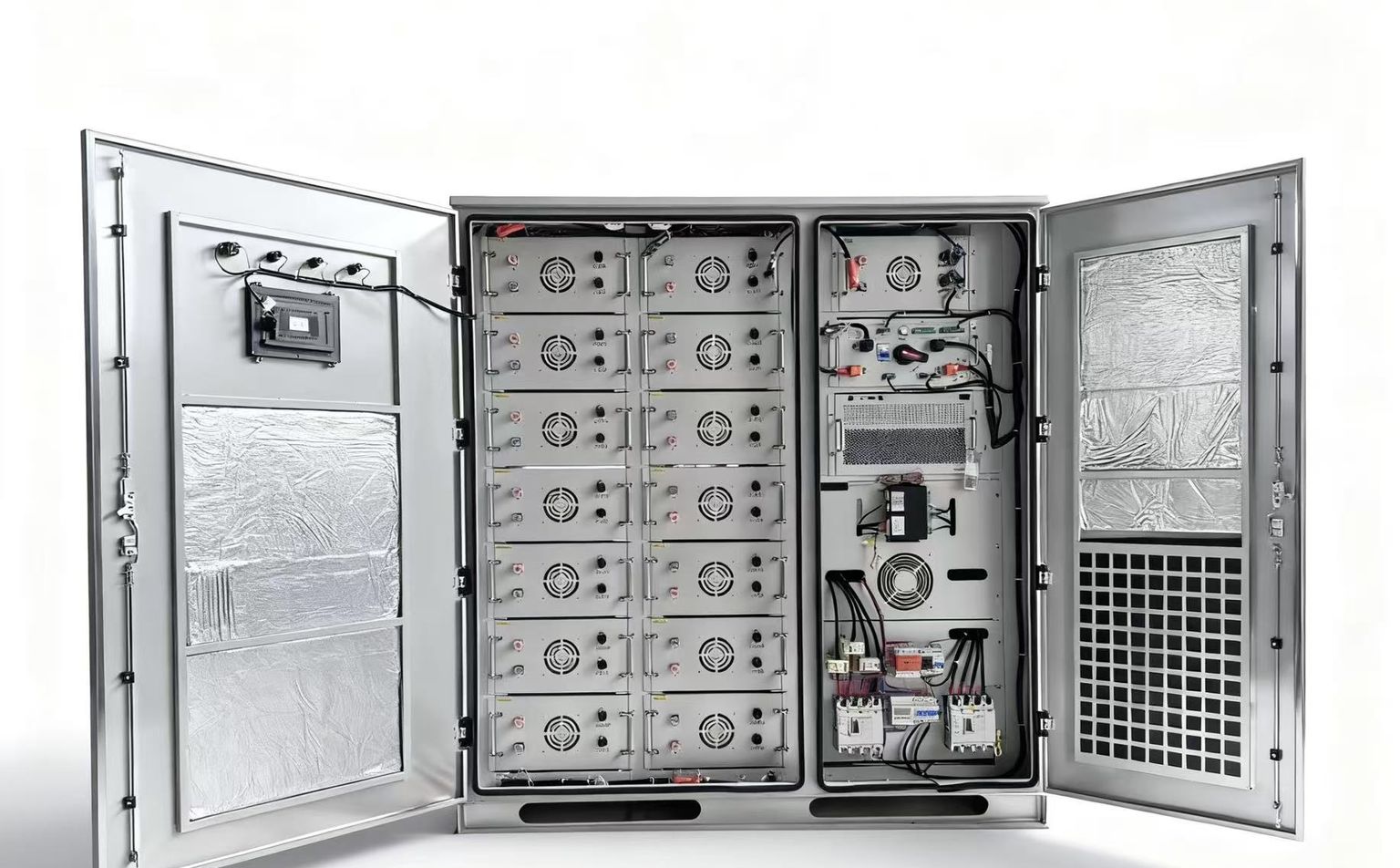
Comparing 100kW 215kWh BESS quotations comes down to six lines. Cell grade and cycle life — Grade-A LFP at 6,000 cycles versus unbranded cells at half that. Round-trip efficiency — 95 percent class on a good PCS. Depth of discharge — 90 to 95 percent usable on LFP. Transfer time — under 20 milliseconds for seamless backup. Operating temperature — a cooling system honest about 40-45°C ambients, because that is West Africa and the Middle East. And the warranty structure — ten years on the cabinet, with the cell throughput warranty stated in writing.
Everything else — screen size, app polish, cabinet colour — is secondary to those six lines.
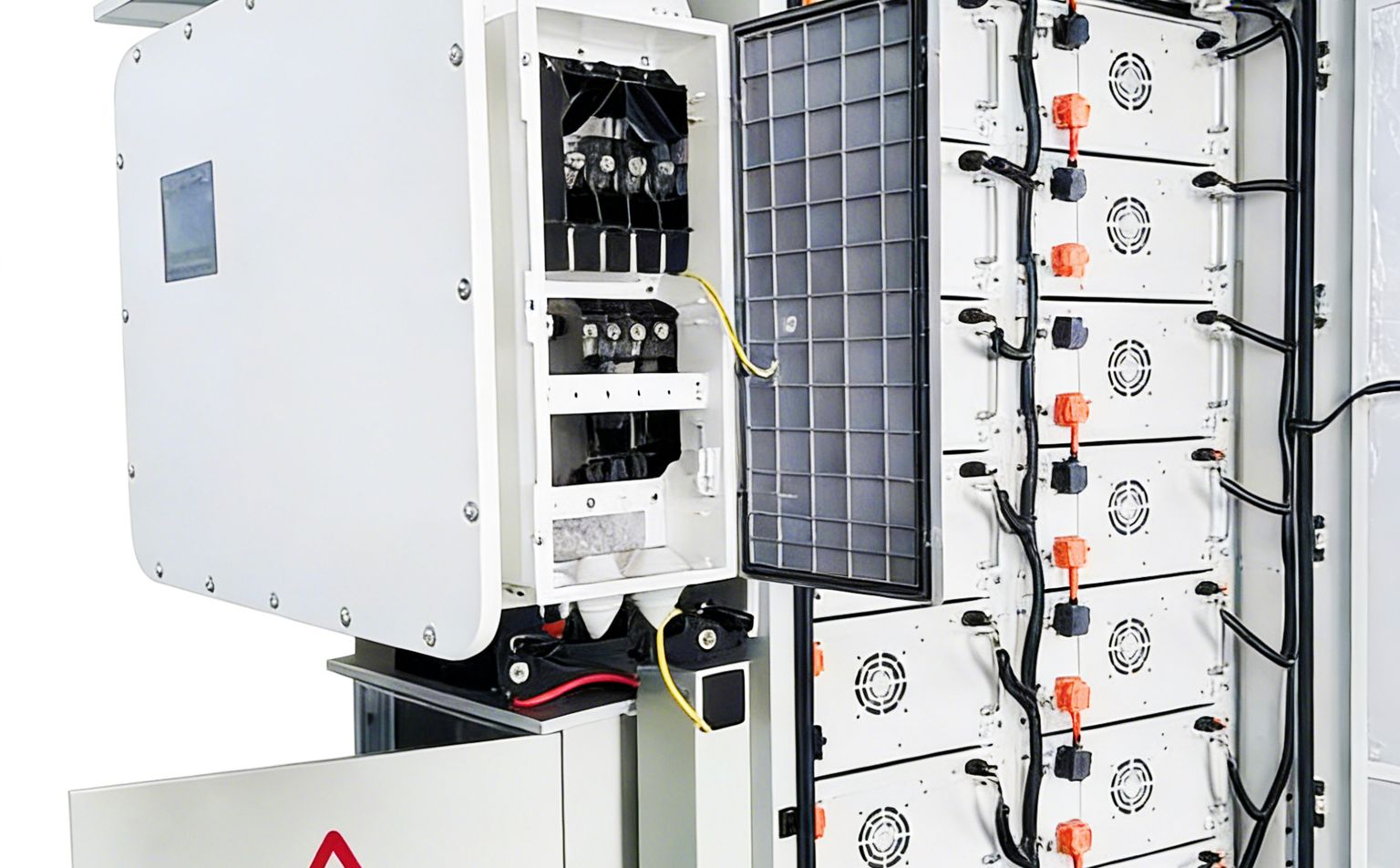
Factory-direct, the 100kW 215kWh BESS sits in the $95 to $110 per kWh wholesale band for the battery block plus the PCS and enclosure — an indicative CIF range of $150,000 to $185,000 depending on destination port, with West African ports (Lagos, Tema) at the upper end and Southeast Asian ports lower. Freight, insurance and destination charges move the CIF figure 8 to 15 percent above FOB.
Three things move the number materially: cell market pricing, which has drifted down through 2026; the PCS specification — grid-forming capability costs more than grid-following; and certification — a cabinet carrying the full IEC and UN38.3 file costs more than one that will struggle at customs. For landed-cost modelling by market, see our BESS price and import guide.
The first revenue stream is tariff arbitrage. A commercial site on a time-of-use or demand tariff charges the 100kW 215kWh BESS from solar or off-peak grid and discharges through the evening peak. At a $0.15 to $0.25 per kWh peak-to-off-peak spread, cycling 200kWh once daily returns $9,000 to $15,000 per year — before counting demand-charge reduction, which in markets like Ghana often exceeds the energy saving.
The sizing logic is why 215kWh became the standard: it covers the two-to-four-hour evening peak at 100kW exactly. A smaller cabinet leaves peak on the table; a larger one cycles below its depth of discharge and pays back slower.
The second revenue stream is generator hours. In Nigeria, Kenya and much of the Caribbean, the grid fails daily and the generator starts. A 100kW 215kWh BESS carrying the load through typical one-to-three-hour outages eliminates most of those starts. Against small-scale diesel at $0.35 to $0.55 per kWh all-in, every battery kWh saves three to five times its levelized cost.
This is the arithmetic behind the 10-to-28-month paybacks we document across African hospitality and cold chain projects — for example the diesel versus solar cost analysis for Nigerian sites. The cabinet is not competing with the grid; it is competing with the generator.
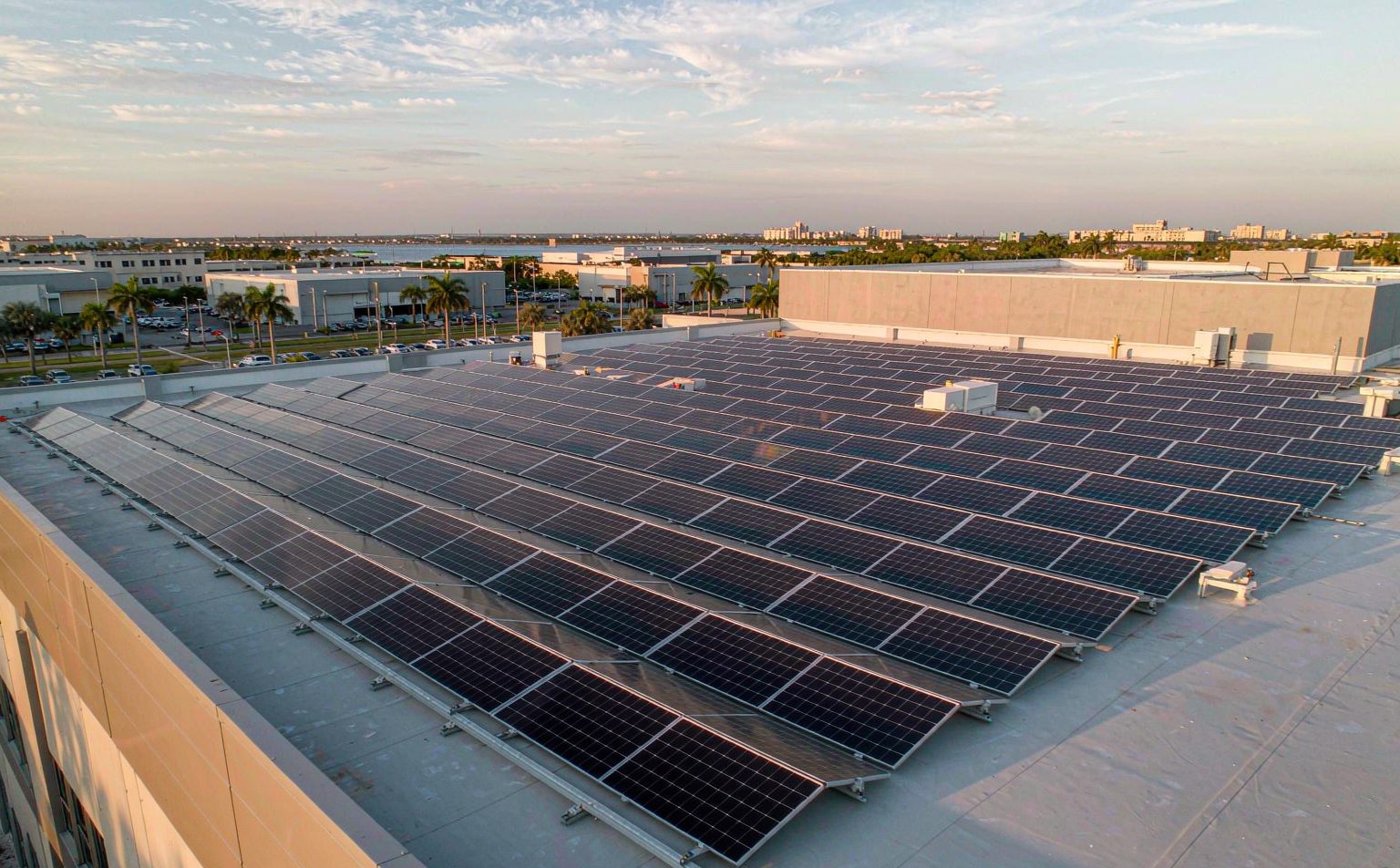
Most 100kW 215kWh BESS cabinets we ship pair with 100 to 250kW of PV. The hybrid PCS prioritizes solar self-consumption, holds the battery for the peak window, and islands the site during outages. For new builds the integrated version — inverter and battery in one factory-matched system, like the configurations in our Philippines BESS cost guide — avoids the compatibility guesswork of mixing brands.
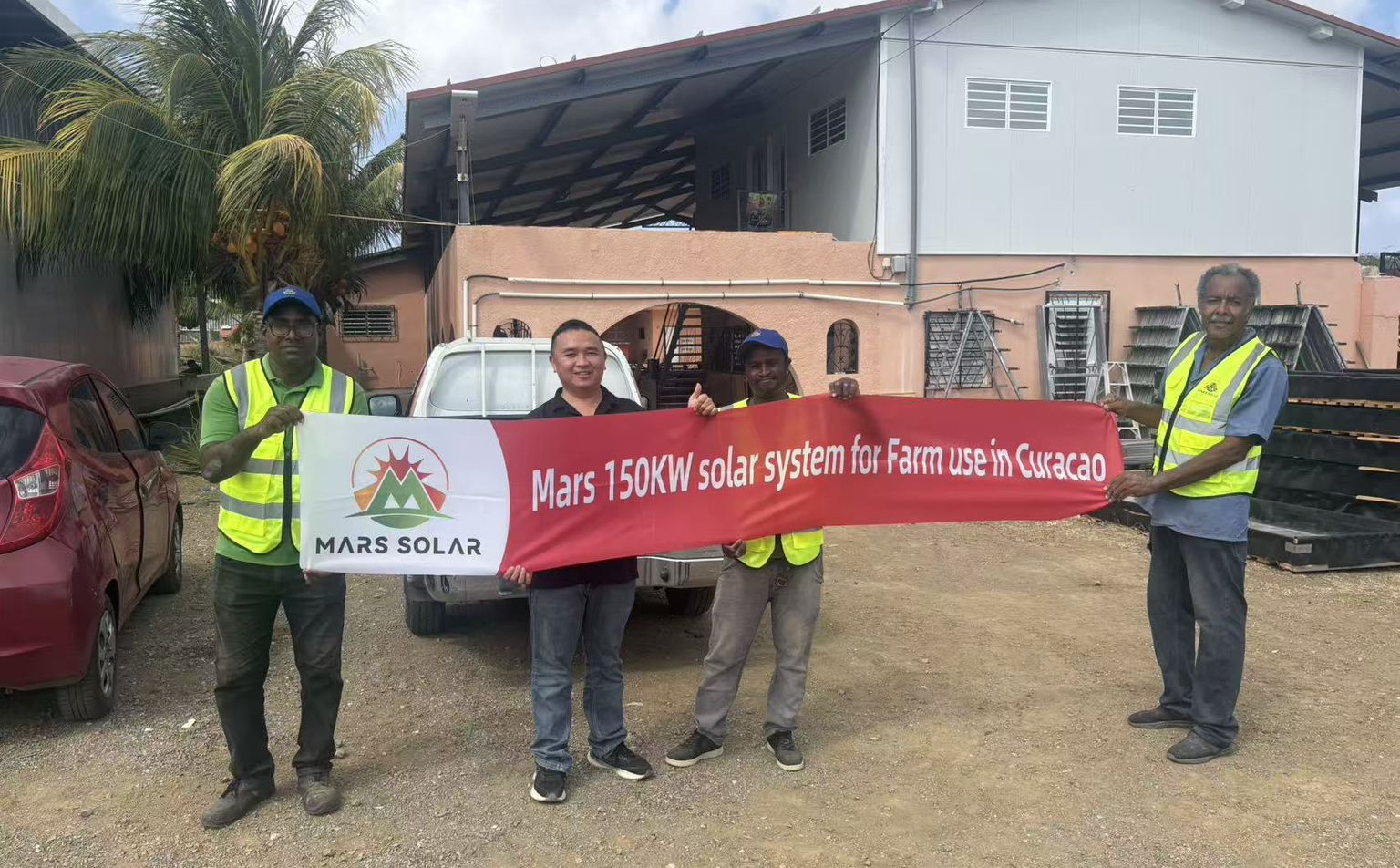
For retrofit, the AC-coupled cabinet sits beside any existing grid-tied inverter system and adds storage without touching the array — the route our Curacao supermarket project used.
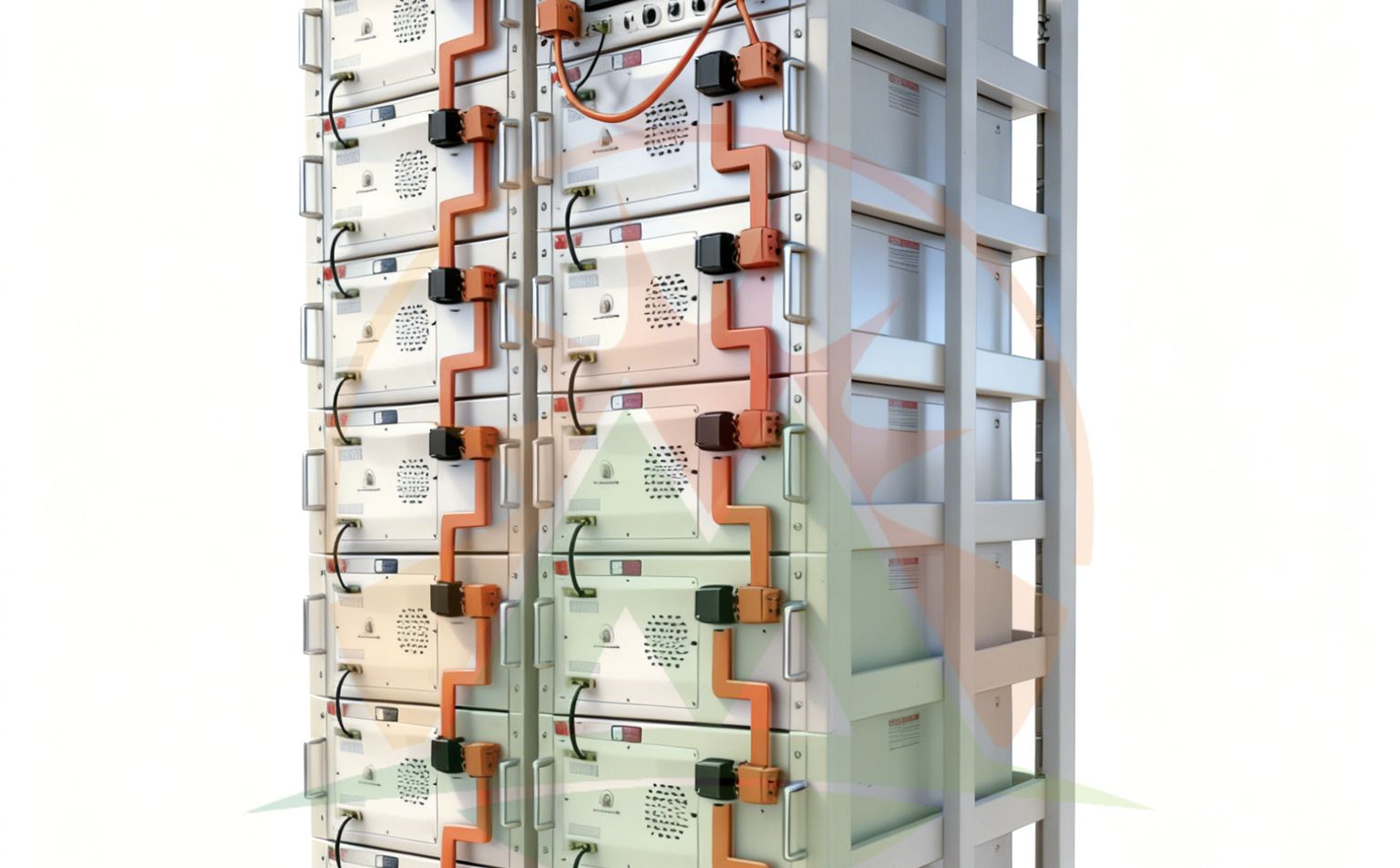
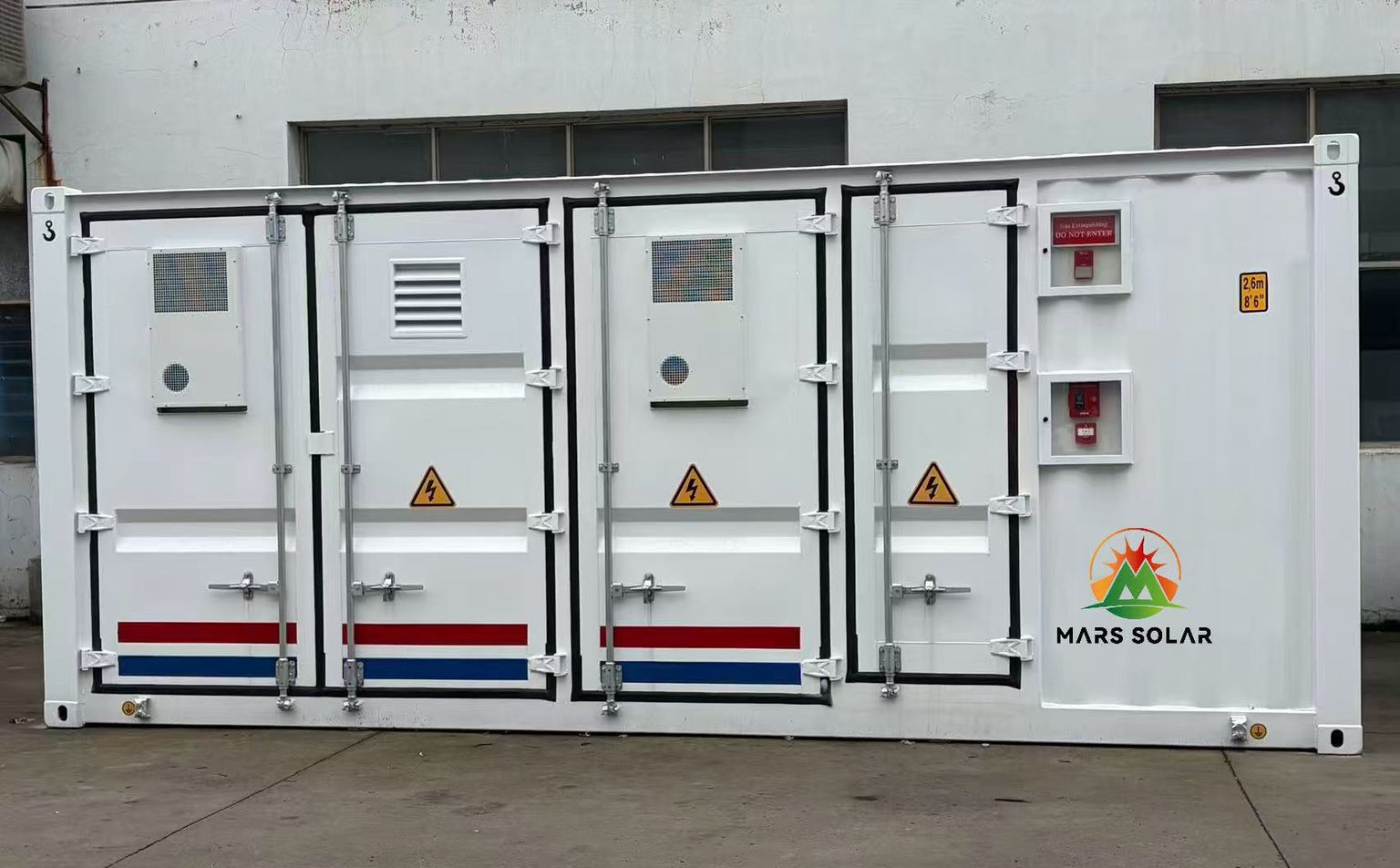
One cabinet covers a hotel or cold store; estates and factories parallel them. The 100kW 215kWh BESS stacks to four units per low-voltage bus — 400kW and 860kWh — without external switchgear beyond a combiner. Above that, the same LFP modules and PCS architecture ship in 20ft containers of 500kWh to 2MWh, which is how the product line scales from a single clinic to an industrial estate.
The design rule stays constant: size storage to the peak window, not to the nameplate fantasy. Two to four hours of the real load beats eight hours of an imaginary one.
Every 100kW 215kWh BESS ships with the documents the destination actually checks: IEC 62619 and IEC 62477 test reports, UN38.3 for the battery transport, MSDS, CE conformity, and the factory ISO 9001 file. Batteries move as Class 9 dangerous goods — the cabinet ships with the battery installed, which most carriers accept under the appropriate UN classification, but the routing must be confirmed before production completes.
Markets with pre-shipment inspection — Kenya's KEBS PVoC, Nigeria's SONCAP — are scheduled into production as standard, which keeps clearance to days. Buyers can verify safety-framework context at the IEA and should confirm local certification requirements with their clearing agent.
Site requirements are modest: a level plinth or rated floor, AC connection to the main board, and clearance around the cabinet for airflow and service access. Commissioning — protection settings, charge schedule, app onboarding — takes one to two days with our remote engineers on video with the local electrician.
Maintenance is similarly light: filters and a visual inspection quarterly, firmware updates remotely, and a capacity check annually. The app reports state of health per module, so degradation is tracked, not discovered.
A comparable 100kW 215kWh BESS quotation states: cell brand and cycle rating in writing, PCS type (grid-forming or grid-following) and transfer time, usable kWh at stated depth of discharge, round-trip efficiency, cooling specification and ambient rating, the certification list, warranty years and throughput, CIF port, and the lead time. A quotation missing any of those lines is not comparable — it is just a price.
Ours include all of them, plus the document pack list, because the cabinet that clears customs in four days is cheaper than the one that is 5 percent less and sits at the port for a month.
Cell prices keep easing, which compresses BESS pricing quarter by quarter. Diesel and peak tariffs keep rising across our target markets. And the cabinet format keeps winning because it industrializes storage: factory-tested, shipped complete, commissioned in days. The 100kW 215kWh BESS sits exactly at the intersection of those three currents — large enough to matter to a business's energy bill, small enough to ship, finance and install without a project team.
That is why it has become the default first storage purchase for hotels, cold stores, farms and factories across Africa, the Caribbean and Southeast Asia — and usually not the last.
What does a 100kW 215kWh BESS cabinet cost in 2026? Indicative CIF pricing runs $150,000 to $185,000 depending on destination port — West African ports at the upper end, Southeast Asia lower. The figure reflects Grade-A LFP cells, a 100kW hybrid PCS, the full certification file and the shipping document pack. Confirm the current quotation before budgeting; cell market pricing moves quarterly.
How long does a 100kW 215kWh BESS run a building? At full 100kW output, about two hours; at a typical 50 to 60kW evening load, three to four hours. That duration is deliberate — the cabinet is sized to the evening peak window and the average grid outage in our target markets, not to an overnight figure that would double the price.
Can the cabinet work with an existing solar system? Yes — the AC-coupled version retrofits beside any existing grid-tied inverter without touching the array. For new builds, the factory-matched hybrid version integrates PV and storage in one system. Both architectures support grid-tied, off-grid and generator-backed operation.
What is the payback period? Peak-shaving applications on time-of-use tariffs typically return 3 to 5 years on the cabinet alone. Diesel-displacement applications in Nigeria, Kenya and the Caribbean commonly pay back in 10 to 28 months, because the displaced energy costs $0.35 to $0.55 per kWh. The load profile decides — which is why we model from meter data, not averages.
What certifications ship with the cabinet? IEC 62619 and IEC 62477 test reports, UN38.3 battery transport certification, MSDS, CE conformity and the factory ISO 9001 file. For markets with pre-shipment inspection — KEBS PVoC for Kenya, SONCAP for Nigeria — the inspection is scheduled into production.
How many cabinets can be paralleled? Four per low-voltage bus — 400kW and 860kWh — with standard combiner switchgear. Above that scale the same modules and PCS ship in 20ft containers from 500kWh to 2MWh per unit, paralleled to the site's switchgear.

 English English
  Arabic
 Spanish
 French
 Dutch
Dutch
 Portuguese