
لغة
Any honest reading of the Africa solar market in 2026 starts with one uncomfortable fact: Nigeria, Ghana and Kenya are not one market with one set of rules. They have different tariff structures, different import regimes, different certification bodies and very different logistics costs. A proposal copied from Lagos into Nairobi will be wrong on duty, wrong on certification and usually wrong on payback.
This guide compares the three markets side by side on the things that decide whether a project works — the electricity price you are displacing, the duty and tax on imported equipment, the certification path, and the realistic cost and payback for a commercial or off-grid system.
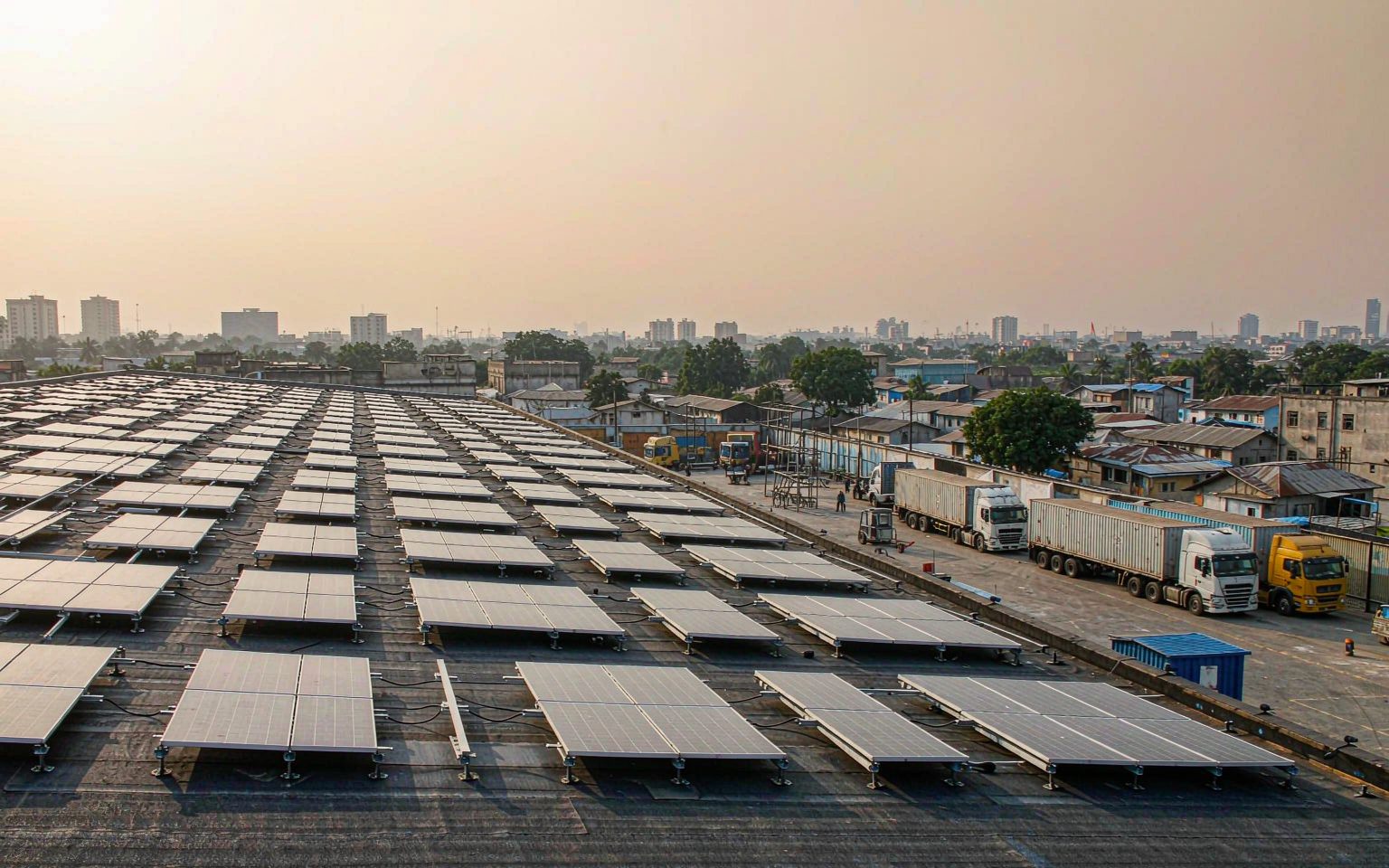
Solar competes against the price of the alternative. Across the Africa solar market — and even between these three countries — that price differs sharply. Indicative 2026 levels for commercial and industrial customers:
| Market | Commercial grid tariff (indicative) | Diesel-generated power (indicative) |
|---|---|---|
| نيجيريا | Premium-band tariffs for industrial customers run several times the older subsidised rates | Diesel at prevailing pump prices typically costs several times the grid tariff, before maintenance |
| غانا | Commercial tariffs sit well above residential, with currency-linked adjustments | Diesel remains the default backup for hotels, hospitals and factories |
| كينيا | Commercial tariffs are among the highest in East Africa, with demand and levies on top | Diesel and heavy fuel oil dominate remote lodges and farms |
Two structural points matter more than the exact numbers. First, diesel is the benchmark in all three markets: wherever a site runs a generator, solar plus storage is competing against a fuel bill, not a tariff, and the payback is dramatically shorter. Second, tariffs are revised frequently and are partly currency-linked — model with your own current bill, and re-run the model when tariffs move.
Duty treatment is where projects diverge most, and it is also where misinformation is most common. Broadly, all three markets have at some point offered favourable treatment for renewable energy equipment, but the details — which HS codes qualify, whether VAT applies, whether exemptions must be pre-approved — differ and change with each budget cycle.
| Market | Typical treatment | What to verify before you order |
|---|---|---|
| نيجيريا | Modules and some balance-of-system items attract reduced or zero duty in periods of policy support; batteries and inverters are treated differently | Current HS classification per component; VAT treatment; whether an exemption requires pre-approval |
| غانا | Solar generation equipment has historically benefited from duty concessions under renewable energy policy | Whether the concession is still in force and which components it covers |
| كينيا | Renewable energy equipment has enjoyed tax exemptions, applied against a list of qualifying goods | Whether your exact items are on the current exemption schedule |
Never classify a shipment under one blanket code. Modules, inverters, batteries and mounting are different codes with different rates, and a blanket declaration invites reassessment of the entire container — a delay measured in weeks, not days. Ask your clearing agent for the classification in writing before the goods ship.
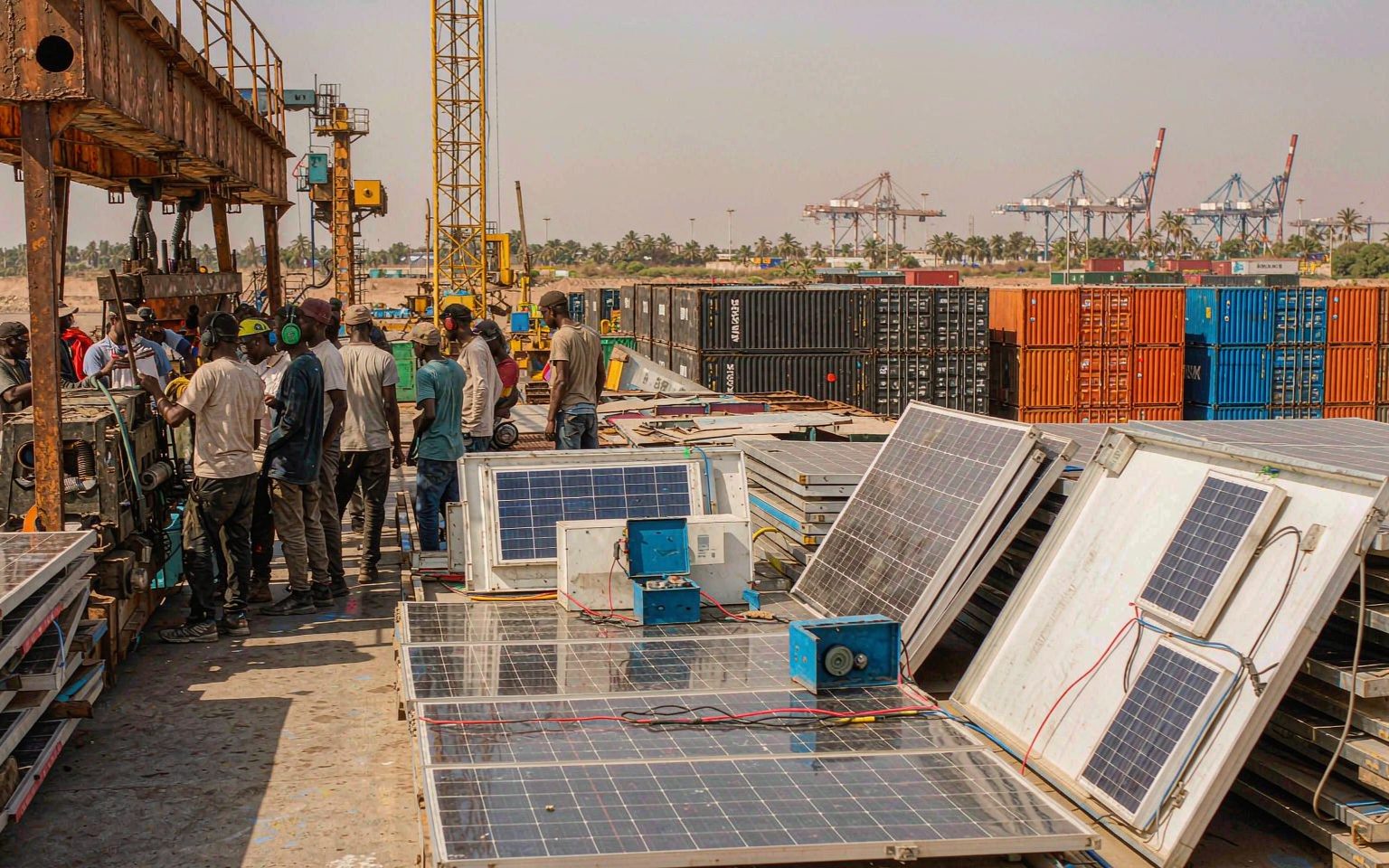
Certification is the item that most often delays first-time importers in each market, and it is where the Africa solar market punishes assumptions hardest — the three systems are genuinely different:
In all three markets, the supplier's certification pack — test reports, conformity certificates, battery transport documentation — should arrive with the quotation, not after the order. If a supplier cannot produce it at quotation stage, that is information.
Across the three markets, the honest engineering assumption is that the grid will be unavailable for part of the day and unstable for part of the rest. Voltage swings, frequency excursions and unexpected outages are routine, and equipment that assumes a clean supply will trip or derate.
That reality shapes specification in three ways:
Designing for a stable grid is the most common and most expensive mistake in this region. Sites that planned for instability model better savings because the system runs as designed instead of tripping.
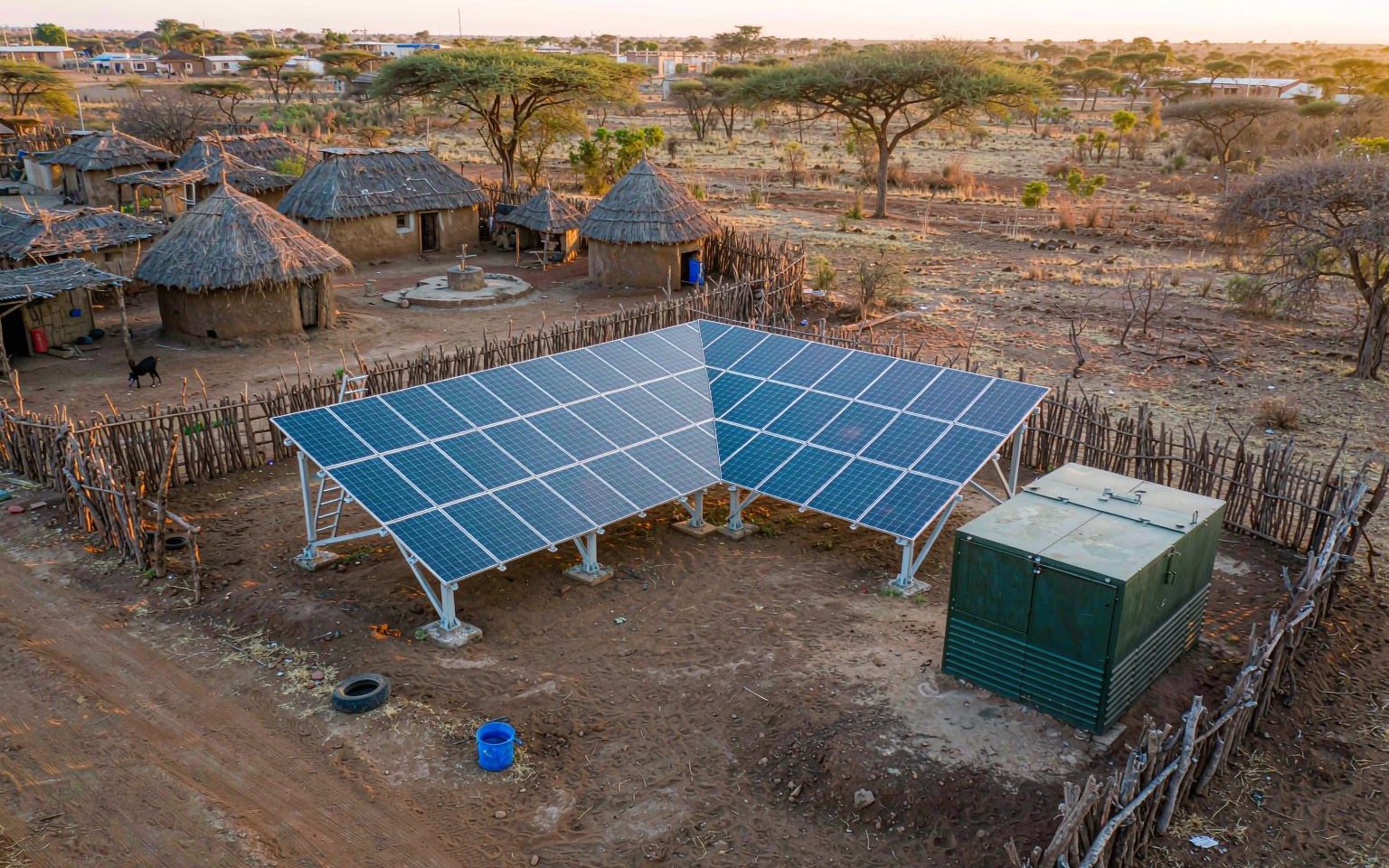
Across the Africa solar market, indicative factory-direct pricing for a commercial hybrid system in 2026, and the payback range that normally results when the system is displacing diesel or a high commercial tariff:
| Market | Cost per kWp (solar + storage, indicative) | Typical payback | Best-fit segment |
|---|---|---|---|
| نيجيريا | US$700–1,100 / kWp depending on storage ratio | Frequently 2–4 years where diesel is the benchmark | Factories, rice mills, hotels, hospitals, large retail |
| غانا | US$700–1,100 / kWp | Commonly 3–5 years | Hotels, cold storage, manufacturing, institutions |
| كينيا | US$750–1,200 / kWp | Commonly 4–6 years on tariff; shorter off-grid against diesel | Agro-processing, lodges, tea and flower estates, remote clinics |
These ranges assume a professionally sized system with storage. Adding storage raises the capital cost and shortens the payback simultaneously, because the battery is what converts generation into savings during hours when the alternative is the most expensive.
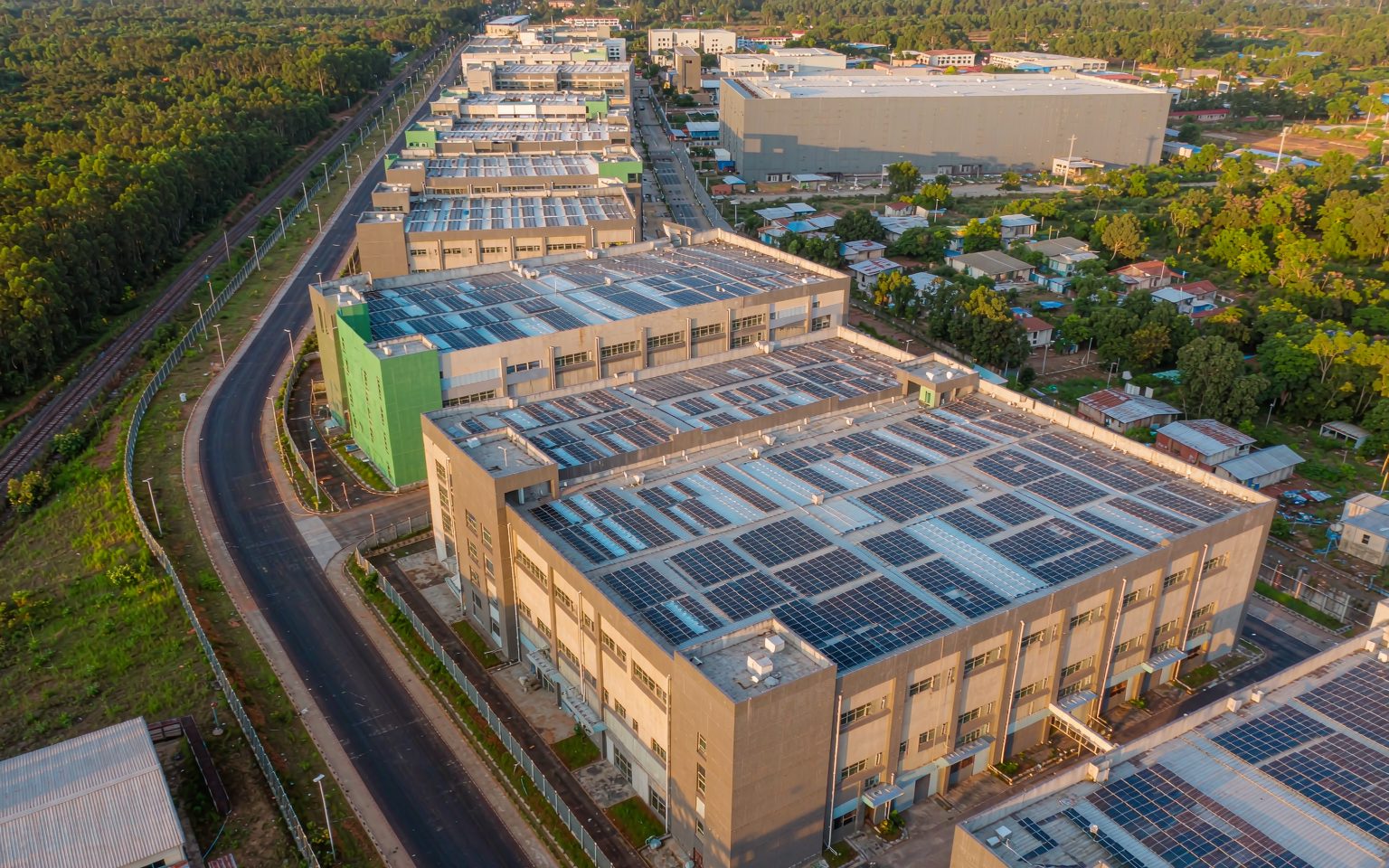
Capital is often the binding constraint, and each market offers different instruments:
Whatever the instrument, the underlying engineering does not change: size for self-consumption, add storage for the peak and the outage, and keep the generator as insurance.
In the Africa solar market, equipment cost is only part of the landed number. Practical logistics realities by market:
Budget 8–12 weeks from factory to energisation for a containerised commercial system, and add buffer if certification documents are incomplete. Battery systems add a dangerous-goods filing on top of normal clearance, so brief your agent before the vessel sails.
| If your priority is… | Best-fit market profile | Configuration that fits |
|---|---|---|
| Fastest payback against diesel | Sites running generators daily in Nigeria or remote Kenya | Hybrid solar + storage, generator retained as backup |
| Bill reduction without outage cover | Stable-feed commercial premises in Ghana | Grid-tied solar with zero export |
| Production continuity | Manufacturing and cold chain anywhere in the region | Hybrid with storage covering the outage window |
| Zero capital outlay | Credit-worthy commercial customers, especially Kenya | PPA structure with a financing partner |
Read the table against your own site: the same 500 kWp design will have a different business case in each of the three markets, and pretending otherwise is how proposals get rejected.
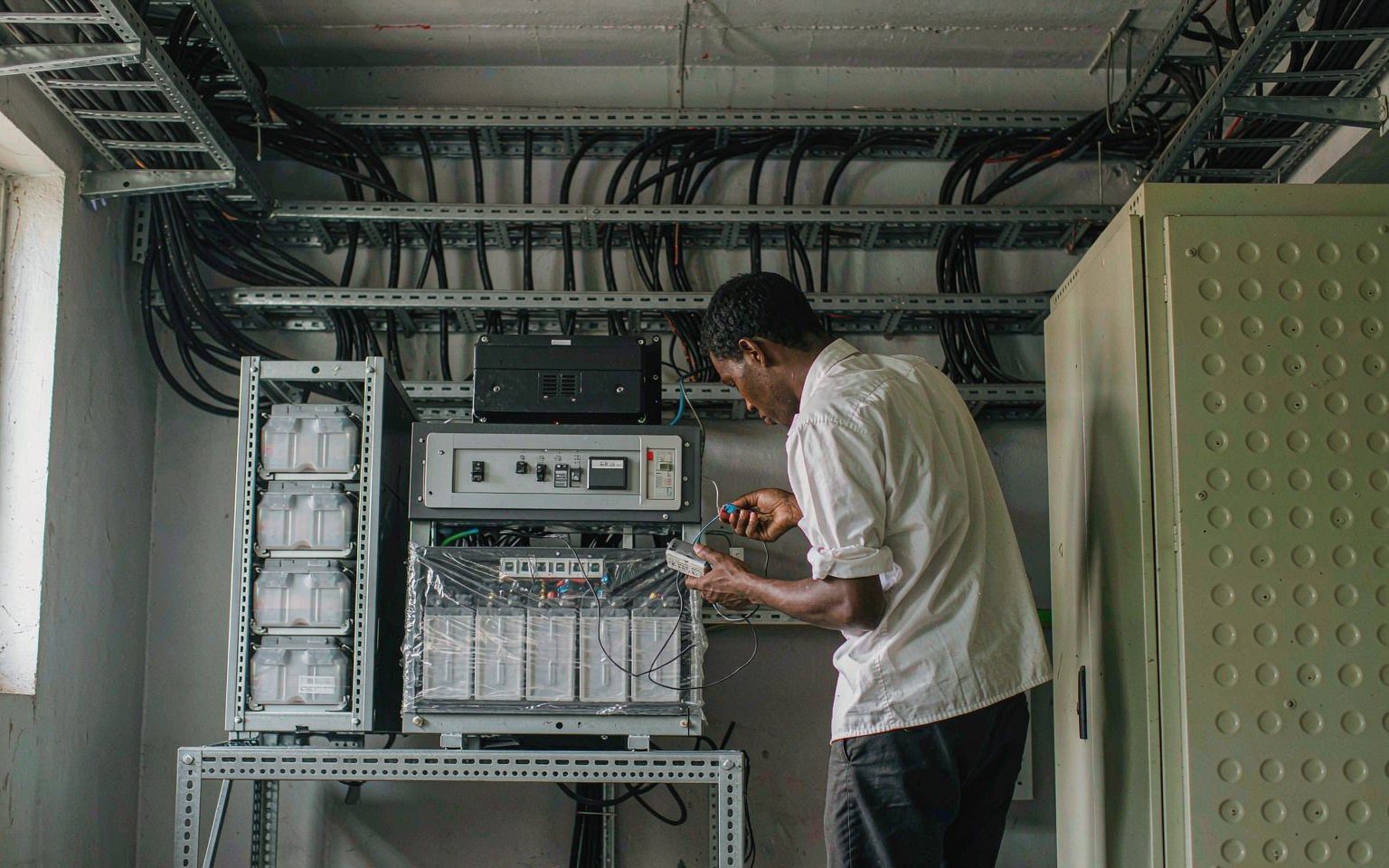
Mars Solar is a China-based OEM/ODM manufacturer of solar PV systems and LFP battery energy storage, shipping factory-direct into African markets with certification and dangerous-goods documentation. Documented deliveries include:
| Market | Configuration | What it demonstrates |
|---|---|---|
| Nigeria — Abuja | 200 kW solar + storage for a rice mill | Industrial load with seasonal demand profile |
| Nigeria — hotel group | 100 kW system, field case study | Hospitality load with aggressive evening peak |
| Ghana — hotel | 250 kW solar with on-site installation support | Roughly 60% electricity cost reduction |
| Nigeria — industrial | 6 MW solar + 20 MWh storage | Utility-scale commercial deployment |
Ask for the full project sheets with the quotation — the load profile assumptions are more useful than the headline kW figures.
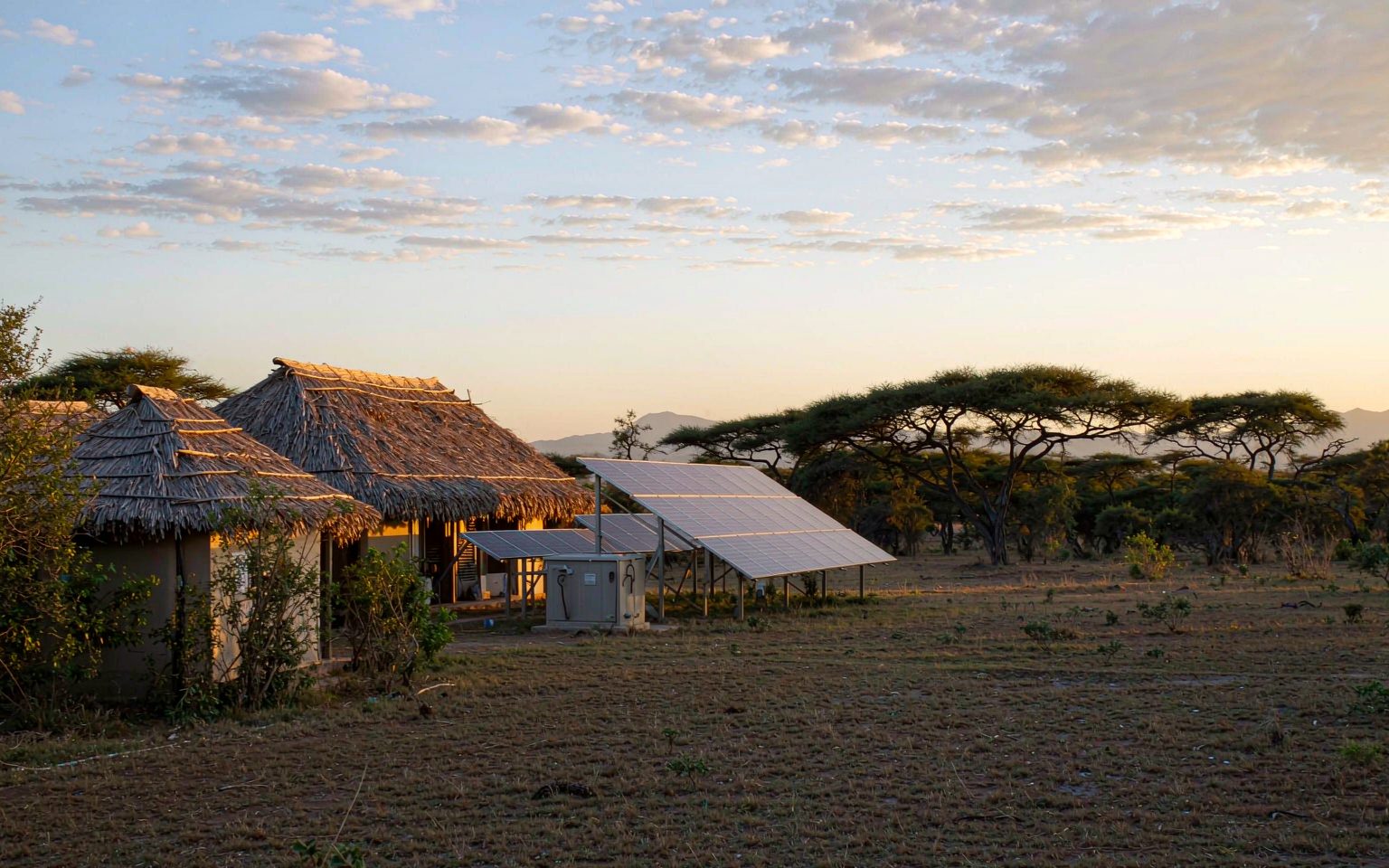
Send five items and the sizing can start immediately:
With those five, an indicative system size, bill of materials and landed budget normally comes back within two working days.
Which African market has the fastest solar payback? Where diesel is the benchmark, payback is shortest — generator-dependent sites in Nigeria and remote sites in Kenya commonly model 2–4 years, against 3–6 years where solar is displacing a commercial grid tariff.
Is solar equipment duty-free in Nigeria, Ghana or Kenya? All three have offered favourable treatment for renewable energy equipment at various times, but which components qualify and whether VAT applies changes with each budget. Confirm the current position with your clearing agent before you place the order.
Do I still need a diesel generator with an Africa solar market system? For commercial and off-grid sites, yes — the generator is normally retained as backup for extended cloud periods or heavy maintenance windows, even though storage covers the daily peak and most outages.
Continue building your solar sourcing knowledge:
Mars Solar ships factory-direct solar and LFP storage systems into Nigeria, Ghana and Kenya with certification packs and dangerous-goods documentation prepared for each market's requirements. Tell us your country, your load profile and your current power cost — we will return a sized system, the landed cost estimate for that specific market, and the payback model against your own numbers.
Request a quotation or send your bills on WhatsApp and we will start the sizing.

 English English
  Arabic
 Spanish
 French
 Dutch
Dutch
 Portuguese