
لغة
Papua New Guinea solar import economics are decided long before a shipment leaves the factory — they are decided by the HS code on your commercial invoice. Finished photovoltaic modules classified under HS 8541.43.00 carry a 20% import duty, while unassembled photovoltaic cells under HS 8541.42.00 enter at 0%. That is a 20-percentage-point swing on the most expensive line item in your container, and no amount of negotiation at the port will change it once the classification is lodged.
The second thing most buyers discover too late: PNG Power Limited ended a 12-year tariff freeze with a 5% consumer price index adjustment that took effect from April 2026 and was formally announced on 8 June 2026. Industrial customers moved from 66.50 to 69.83 toea per kWh excluding GST — roughly US$0.156/kWh at the September 2026 rate of 1 PGK ≈ US$0.224. That is the second half of a 10% adjustment the National Energy Authority approved in 2024.
Electricity price is only half the story. PNG recorded more than 4,000 power interruptions during 2024, and PNG Power generated 1,585 GWh in 2025 but sold only 1,167 GWh — 26.4% of generation was lost to network losses, theft and metering failures, costing an estimated K382 million. Peak demand continues to grow at about 7% a year. For a commercial or industrial site in Papua New Guinea, the reliability gap is usually the reason a solar project gets approved, not the tariff.
This guide covers what an importer, distributor, EPC contractor or project developer needs to get a solar or BESS container through PNG Customs without a costly surprise.
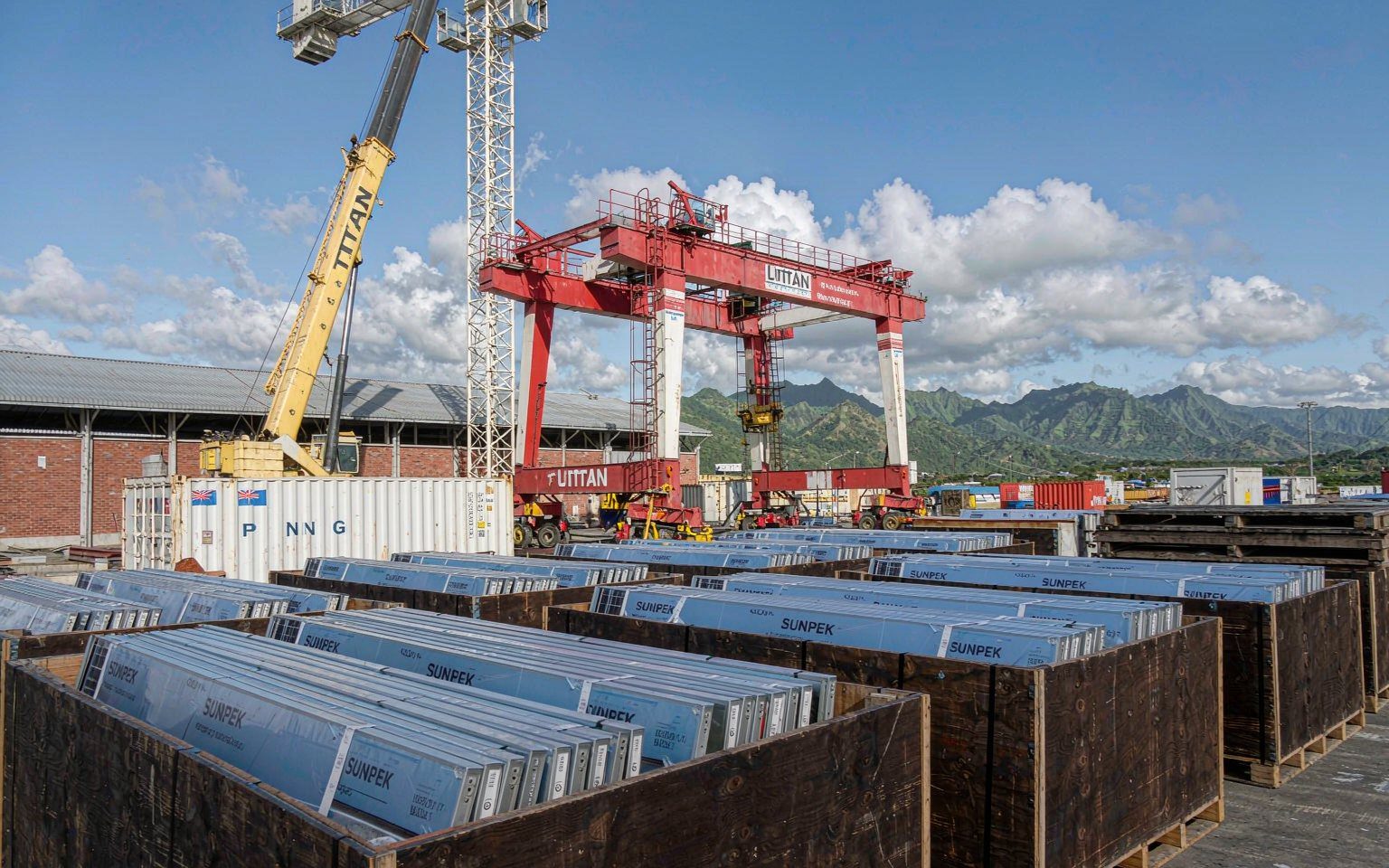
1. The tariff freeze is over, and industrial power is repricing. PNG Power's average selling price of about 87 toea/kWh still sits below its estimated cost of supply of roughly K1.15/kWh. A utility losing money on every unit sold has limited room to absorb fuel shocks — which means future adjustments remain likely, not less likely.
2. Grid reliability is not improving fast enough. More than 4,000 interruptions in 2024 and 26.4% system losses in 2025 are structural problems, not maintenance backlogs. Independent power producers supply just over half of the country's electricity at an average cost of about 71 toea/kWh in 2024 under US-dollar-denominated power purchase agreements — so every kina depreciation raises the cost of power before it reaches your meter.
3. The solar resource is excellent and almost untapped. Papua New Guinea receives roughly 2,000–3,000 sunshine hours per year, delivering about 1,200–1,600 kWh per kWp installed. Yet national installed solar capacity is only about 4 MW. The expansion plan adds 6 MW at Ramu between 2026 and 2030, 7 MW at Port Moresby from 2031 to 2035, and a further 8 MW from 2036 to 2040 — a pace that leaves private C&I and off-grid generation to carry most of the near-term demand.
4. Local assembly is being deliberately incentivised. The 0% duty on unassembled cells against 20% on finished modules is not an accident of the tariff schedule. It is industrial policy, and it changes the build-versus-import calculation for anyone planning volume rather than a single project.
PNG Customs follows standard Harmonized System classification and applies no separate regime to remanufactured goods. The distinction that matters most is between a finished module and the cells inside it:
| HS code | منتج | Indicative duty |
| 8541.43.00 | Photovoltaic cells assembled into modules or made up into panels | 20% |
| 8541.42.00 | Photovoltaic cells not assembled into modules or panels | 0% |
| 7007.19.00 | Solar glass | 20% |
| 3920.10.00 | EVA / POE encapsulant film | 20% |
| 7604.29.90 | Aluminium module frames | 20% |
| 8504.40 | Static converters (hybrid / off-grid inverters) | Verify current rate |
| 8507.60 | Lithium-ion battery packs (BESS) | Verify current rate |
What this means in practice. On a simplified module bill of materials where cells represent about 50% of material cost, importing cells duty-free and sourcing glass, frames and encapsulant locally or with duty paid produces a materially lower landed cost than importing finished modules at 20%. Published tariff tables differ by source — some aggregators list solar panels and components nearer 3–4% — so treat the figures above as the working assumption to verify, not as a settled number.
Action before you ship: confirm the current rate for every line item with PNG Customs or your licensed customs agent, and have the classification agreed in writing before the bill of entry is lodged. A reclassification after assessment is far more expensive than a pre-lodgement ruling.
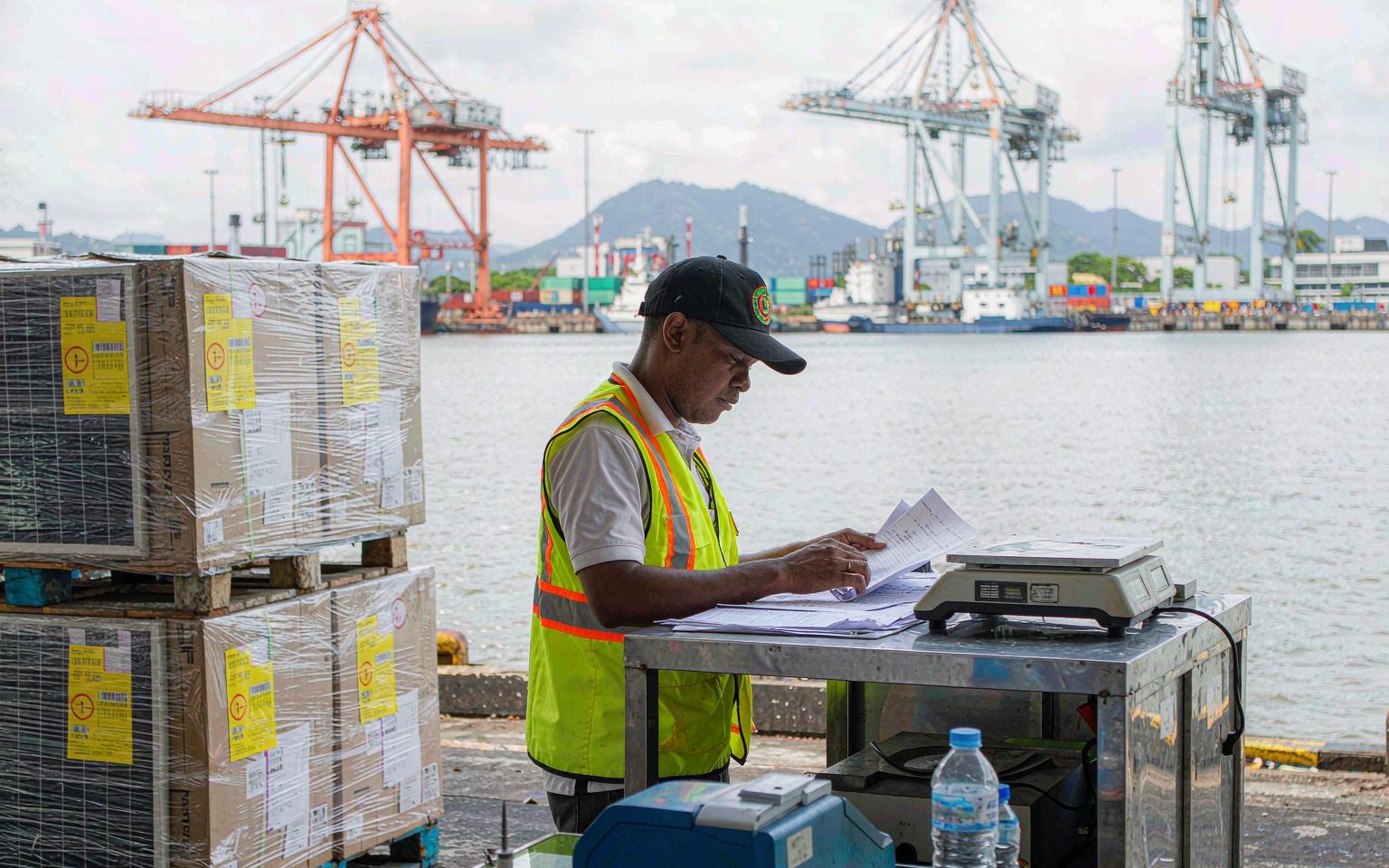
Most Papua New Guinea solar import shipments enter through Port Moresby, with Lae serving the Highlands and northern industrial corridor. The clearance path is consistent across ports:
Three points in that chain cause most delays: a mismatched HS code between invoice and bill of entry, a missing UN38.3 test summary on battery consignments, and an under-declared value that triggers a reference-price review.
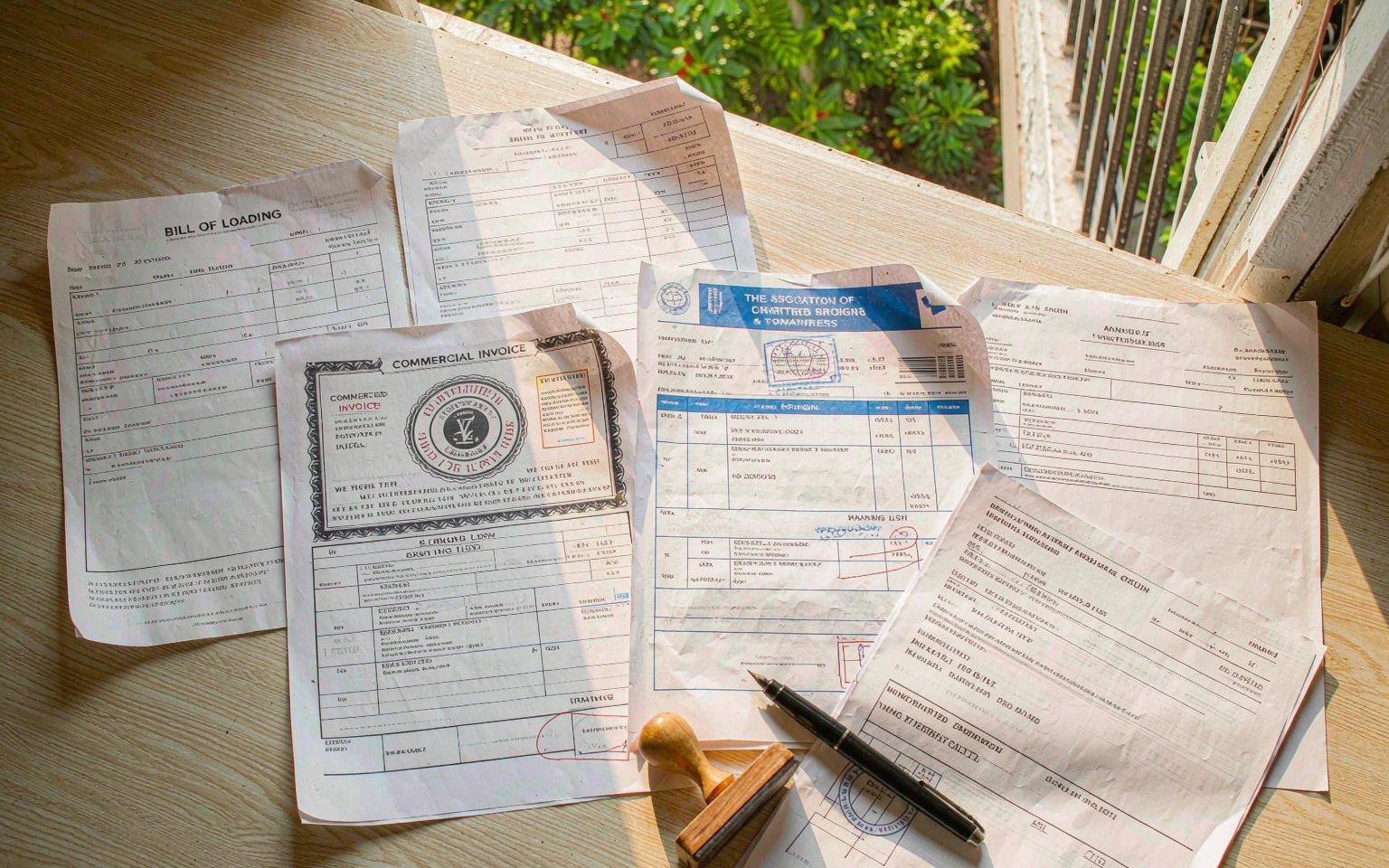
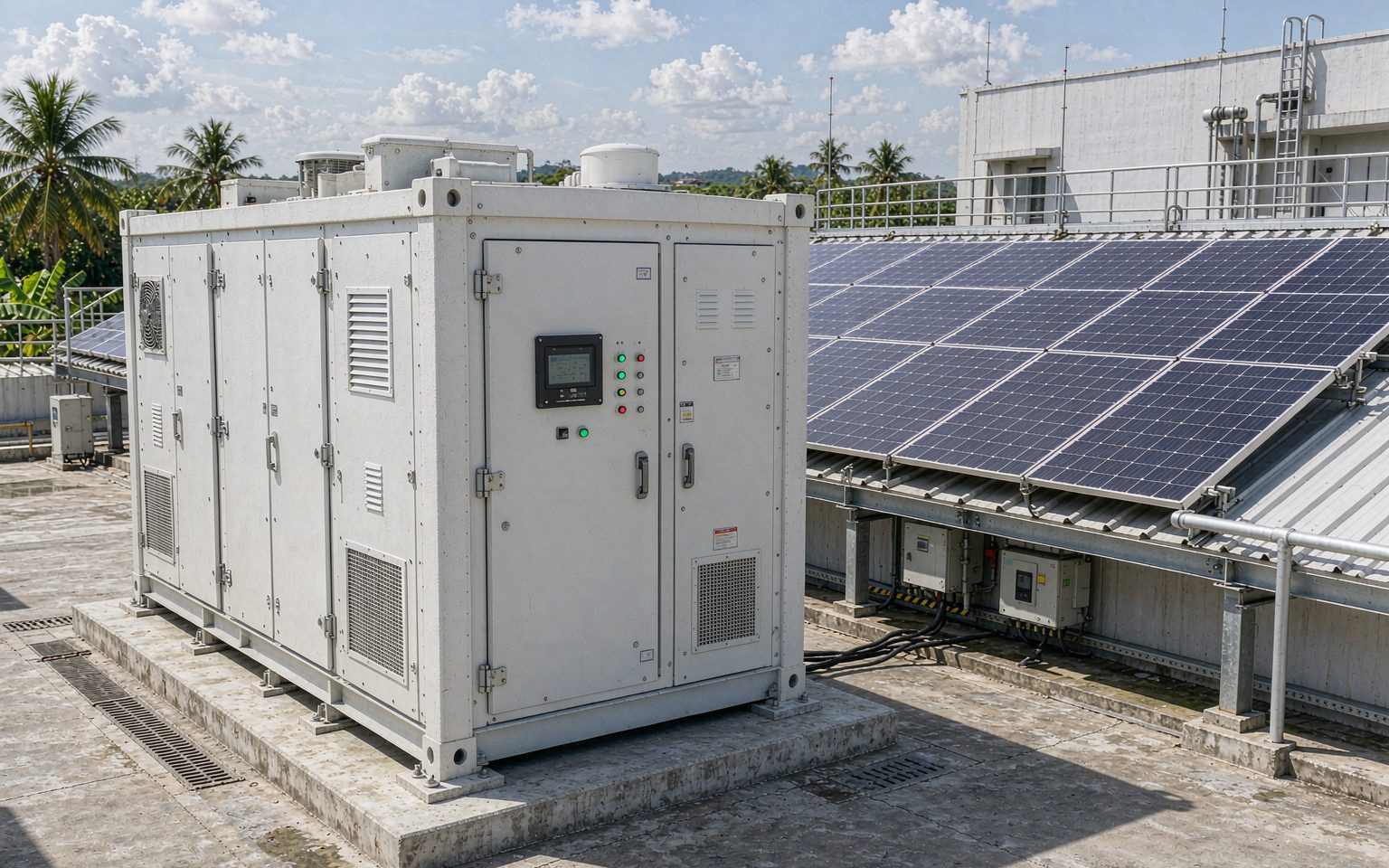
Lithium battery energy storage systems are Class 9 dangerous goods, and PNG ports inspect them more aggressively than any other solar component. A BESS container that arrives without a complete dangerous-goods file does not get "held for a few days" — it gets refused, re-manifested, and in the worst cases returned.
Every BESS consignment needs:
Mars Solar ships LFP battery systems with the full dangerous-goods pack prepared at origin, because a missing UN38.3 summary is the single most common reason a BESS container misses its discharge window in the Pacific.
Buyers compare factory prices and then get surprised by the landed number. In a Papua New Guinea solar import budget, that gap is freight, duty, GST and port handling. For a typical 100 kW hybrid solar plus BESS container shipped CIF Port Moresby, the structure looks like this:
| عنصر | Share of landed cost | ملحوظات |
| Equipment (modules, inverter, LFP battery, BMS, mounting) | 68–74% | Factory-direct pricing, the largest lever |
| Sea freight and insurance | 8–12% | Varies with container availability and season |
| Import duty | 6–18% | Depends entirely on HS classification |
| Port handling and terminal charges | 3–5% | Port Moresby higher than Lae for oversized |
| Customs agent and documentation | 1–2% | Fixed cost regardless of shipment size |
| Inland delivery to site | 3–8% | Highlands and island sites cost significantly more |
The duty line is the one with the widest range, which is why the HS code decision in the previous section matters more than shaving a point off the freight rate.
Port Moresby is the primary entry point and the best-served for documentation support, but inland delivery from there to the Highlands is long and expensive. Lae is the practical alternative for Morobe, Eastern Highlands and the mining corridor, and often reduces the final leg for northern sites. Rabaul و Kimbe serve island and New Britain projects, where barge coordination rather than port congestion is the scheduling risk.
For remote mine sites, plantations and island lodges, the last leg frequently costs more than the ocean freight. Two practical rules:
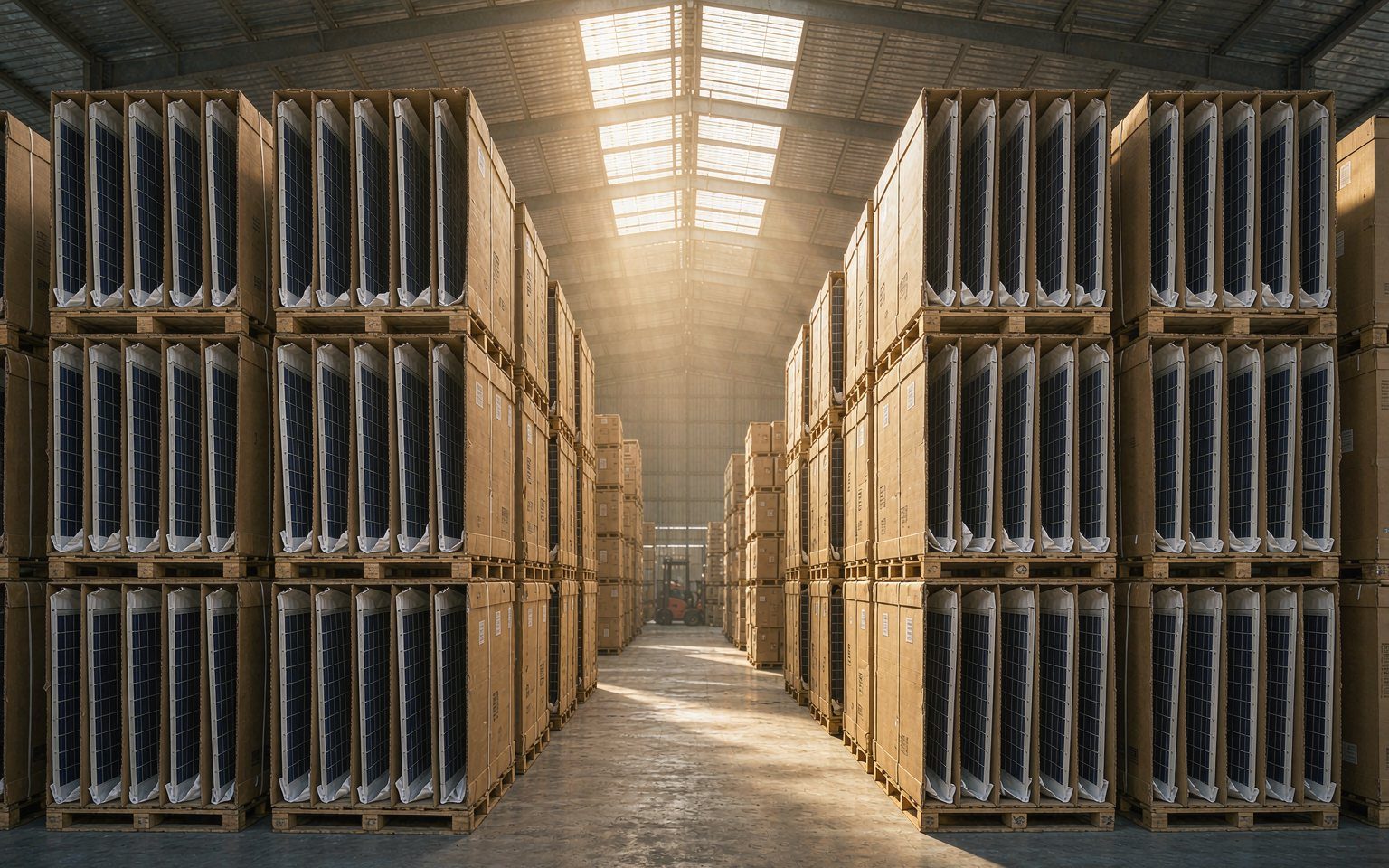
Cutting corners on certification is the most expensive shortcut in any Papua New Guinea solar import project. Uncertified equipment is held at customs, rejected by insurers, or fails at commissioning when the grid operator or your own engineer asks for the test report.
| عنصر | Standard | Why it matters |
| PV modules | IEC 61215, IEC 61730 | Design qualification and safety — required for insurance and grid connection |
| LFP battery cells and packs | IEC 62619, UN38.3 | Industrial battery safety and transport compliance |
| Hybrid / off-grid inverter | IEC 62109, IEC 62477 | Power conversion safety |
| Complete BESS | IEC 62933 series | System-level grid integration and safety |
| Mounting structures | AS/NZS 1170 wind loading | Cyclone-region structural compliance |
Ask for the test report number and issuing laboratory, not just a certificate image. A certificate without a traceable report number is the most common form of paper compliance in this market.
1. Classifying the whole shipment under one HS code. Modules, inverters and batteries have different codes and different rates. A single blanket code invites reassessment of the entire container.
2. Shipping batteries without the dangerous-goods pack. A missing UN38.3 test summary stalls the Class 9 declaration, and the container sits on the terminal accruing demurrage.
3. Under-declaring to reduce duty. PNG Customs applies reference pricing. An under-declared value triggers a valuation review, penalties, and a delay that costs more than the duty saved.
4. Ignoring the last mile. Equipment quoted CIF Port Moresby is not equipment delivered to a Highlands site. Budget inland transport as a separate line, not a rounding error.
5. Buying on price without a spare-parts plan. A container that arrives without spare fuses, connectors and a commissioning kit turns a two-week install into a six-week one when the nearest replacement part is a month away by sea.
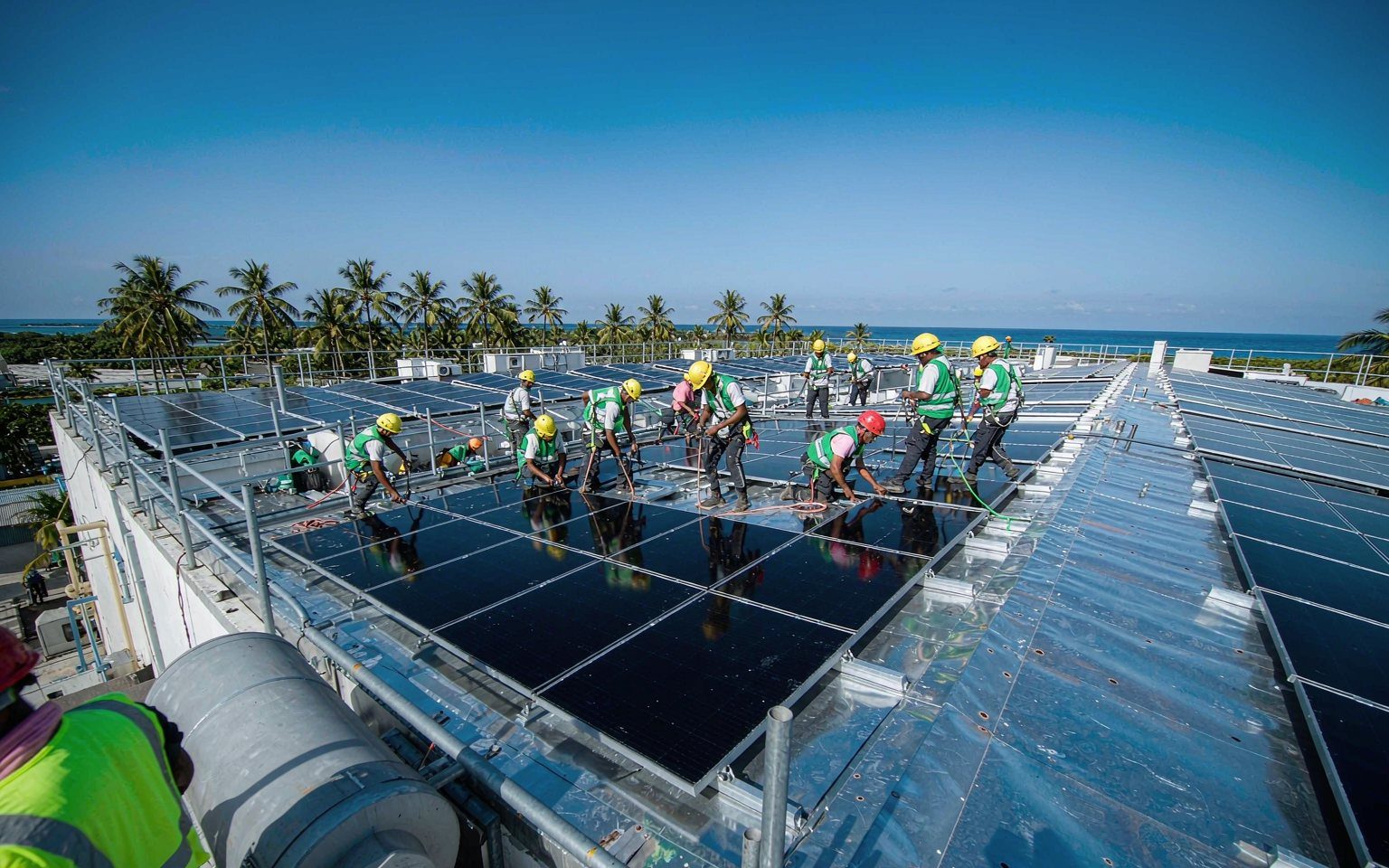
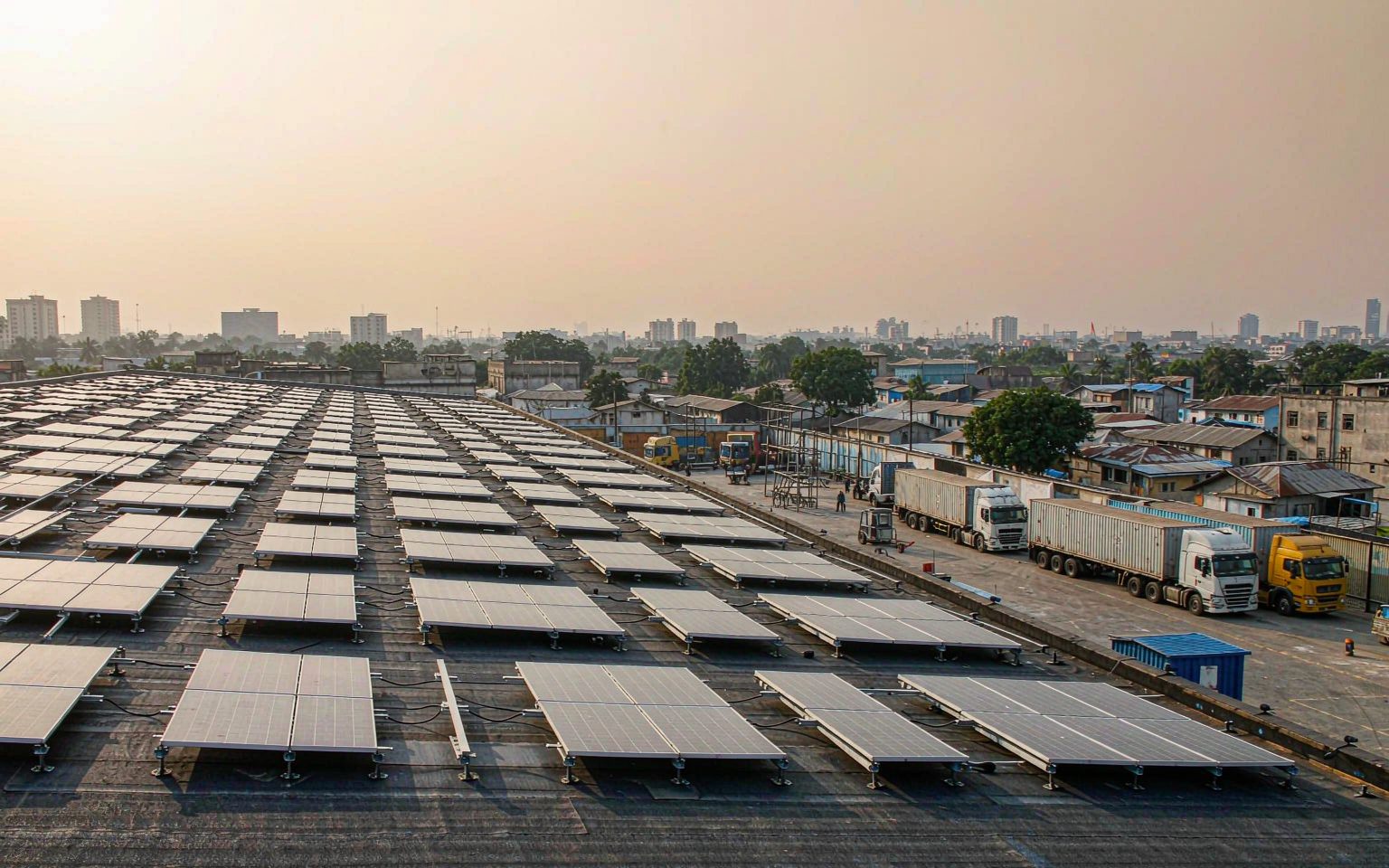
Theory is useful; shipped and commissioned equipment is better. Mars Solar has delivered factory-direct solar and BESS systems into comparable emerging-market conditions:
Every one of those projects shipped with the certification pack and dangerous-goods documentation prepared at origin — the same process we apply to Papua New Guinea consignments.
You can read more about how we build and support these systems on our صفحة «نبذة عنا».
What import duty applies to solar panels in Papua New Guinea? Finished photovoltaic modules under HS 8541.43.00 are assessed at 20%, while unassembled photovoltaic cells under HS 8541.42.00 enter at 0%. Published tariff aggregators sometimes list solar panels and components closer to 3–4%, so confirm the current rate with PNG Customs or a licensed agent before lodgement.
How much does it cost to ship a solar container to Port Moresby? For a typical 100 kW hybrid system with battery storage, sea freight and insurance run 8–12% of landed cost and port handling 3–5%. Inland delivery to a Highlands or island site can add another 3–8%.
Do lithium batteries need special documentation? Yes. Every BESS consignment requires a UN38.3 test summary, safety data sheet, dangerous goods declaration, Class 9 labelling and state-of-charge documentation — most carriers require 30% SoC or below.
Can I assemble modules locally to reduce duty? The tariff structure is built to encourage exactly that: 0% on cells against 20% on finished modules. The economics work at volume, not for a single project, and require local glass, frame and encapsulant supply.
Which port should I ship to? Port Moresby for southern and central sites, Lae for the Highlands and mining corridor, Rabaul or Kimbe for New Britain and island projects. Choose by final delivery site, not by port charges alone.
How long does customs clearance take? With a complete documentation pack, typically three to seven working days. The most common causes of delay are HS code mismatches, missing UN38.3 summaries and valuation reviews.
The difference between a useful quote and a misleading one is the information you provide before you ask. Send us:
With those five inputs our engineering team returns a sized system, a duty-inclusive landed cost estimate, and a shipment documentation checklist — not a price that changes once the container is assessed.
Mars Solar is a China-based OEM/ODM manufacturer of solar PV systems and LFP battery energy storage, shipping factory-direct to Papua New Guinea with full certification and dangerous-goods documentation prepared at origin. Factory-direct pricing typically puts commercial payback under 18 months when displaced diesel or lost production is counted.
Send your load profile and site location and we will design the system, classify the shipment, and quote the landed cost to your port. Request a quote here.
Continue building your solar sourcing knowledge:

 English English
  Arabic
 Spanish
 French
 Dutch
Dutch
 Portuguese